English
 русский
 Español

Content
Introduction to Heavy Wire Staples
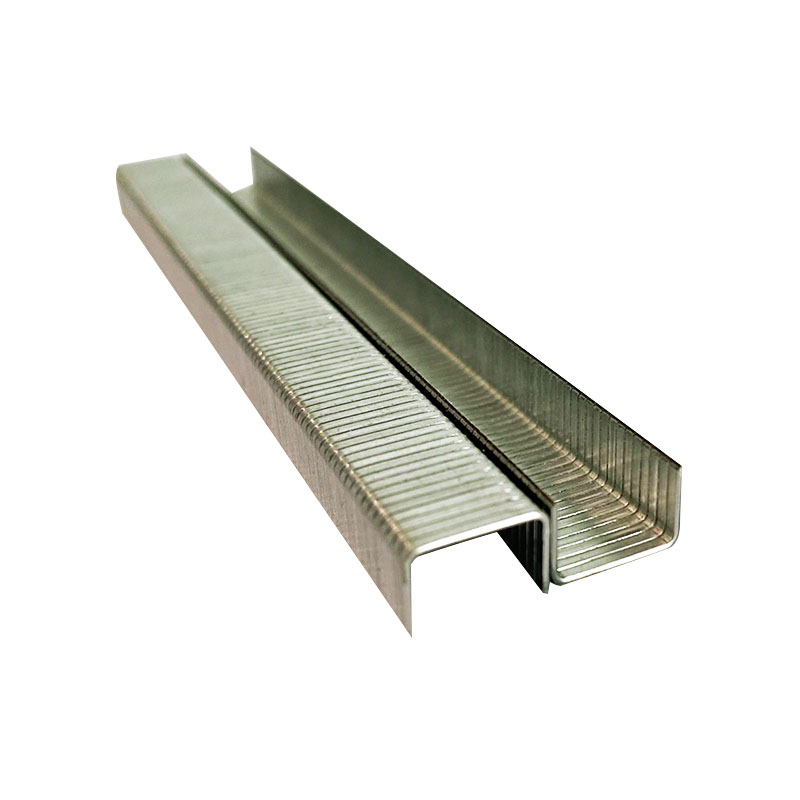
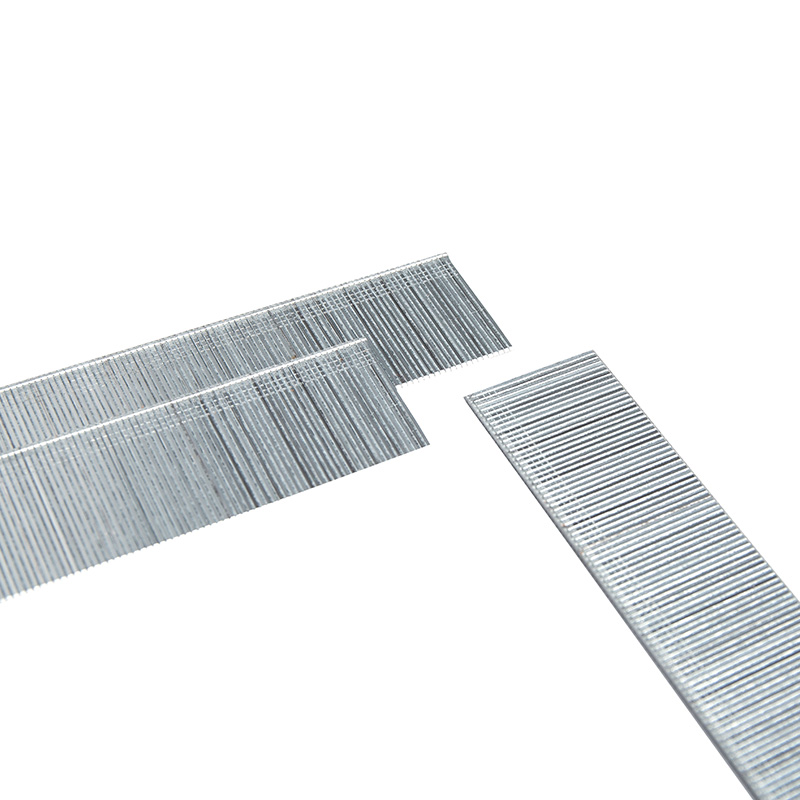
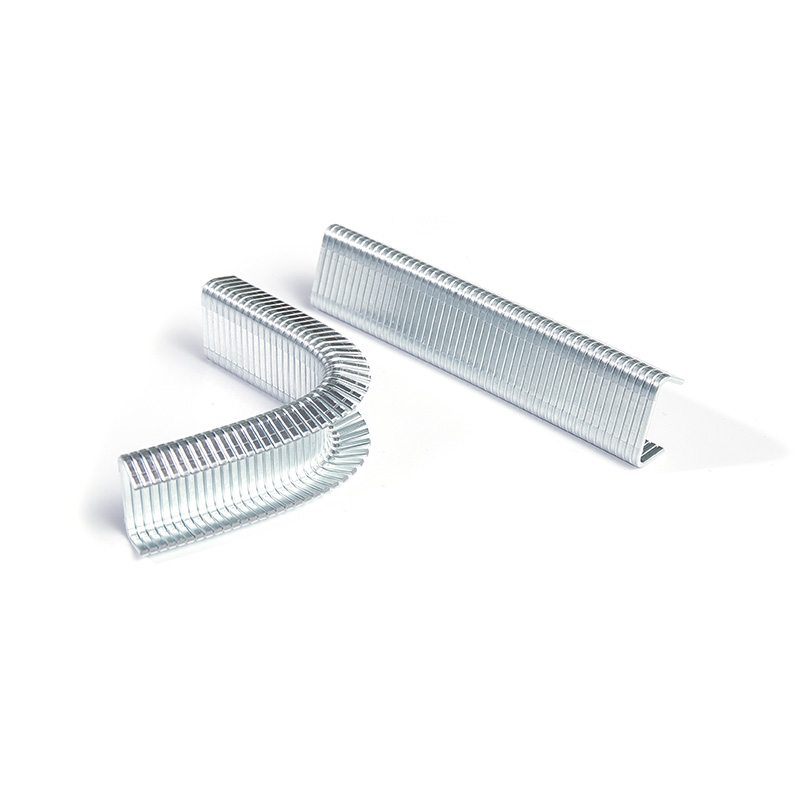
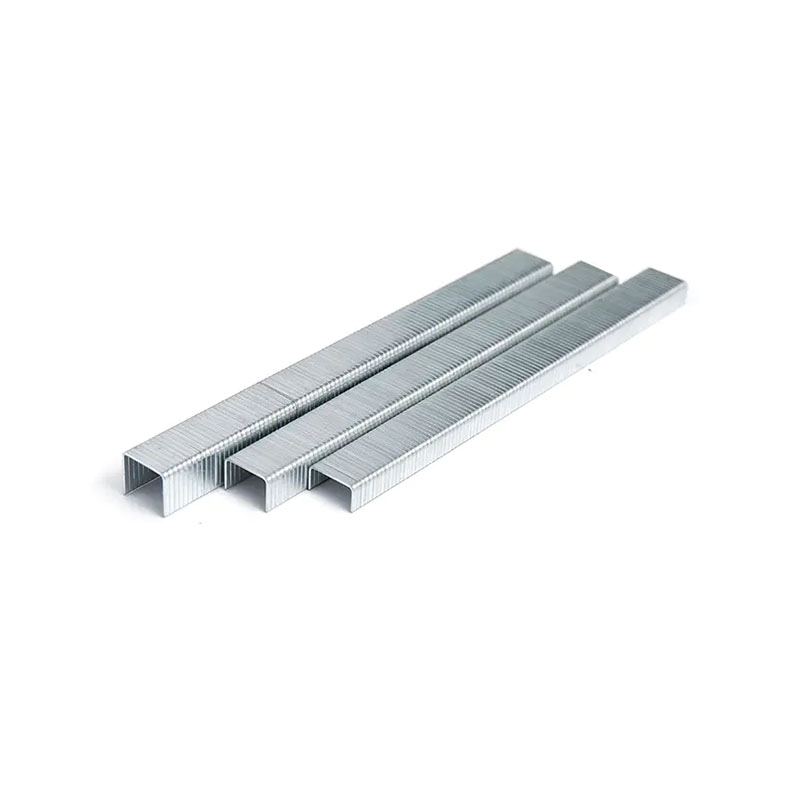
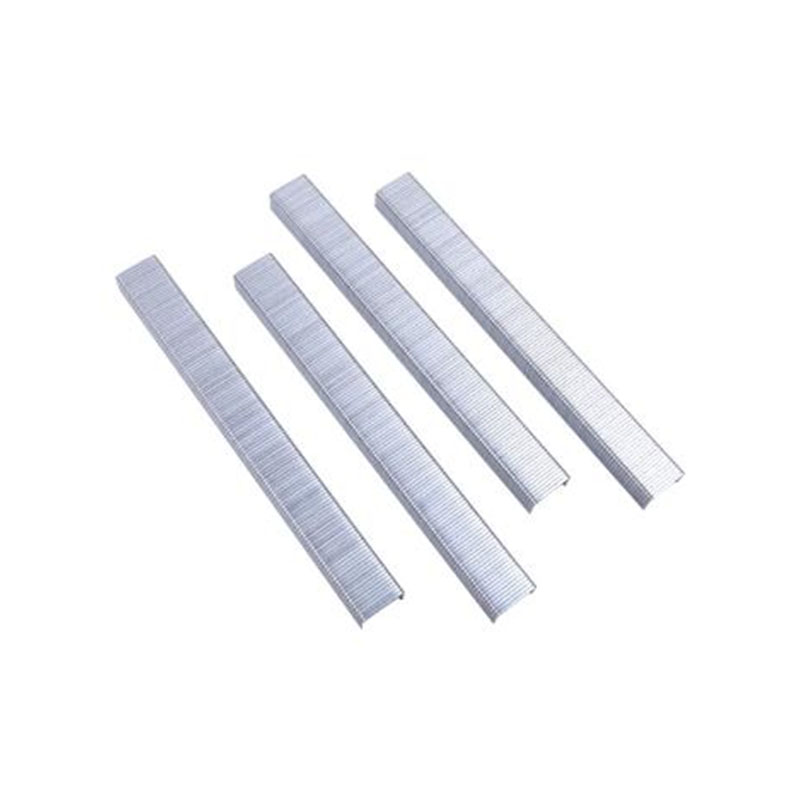
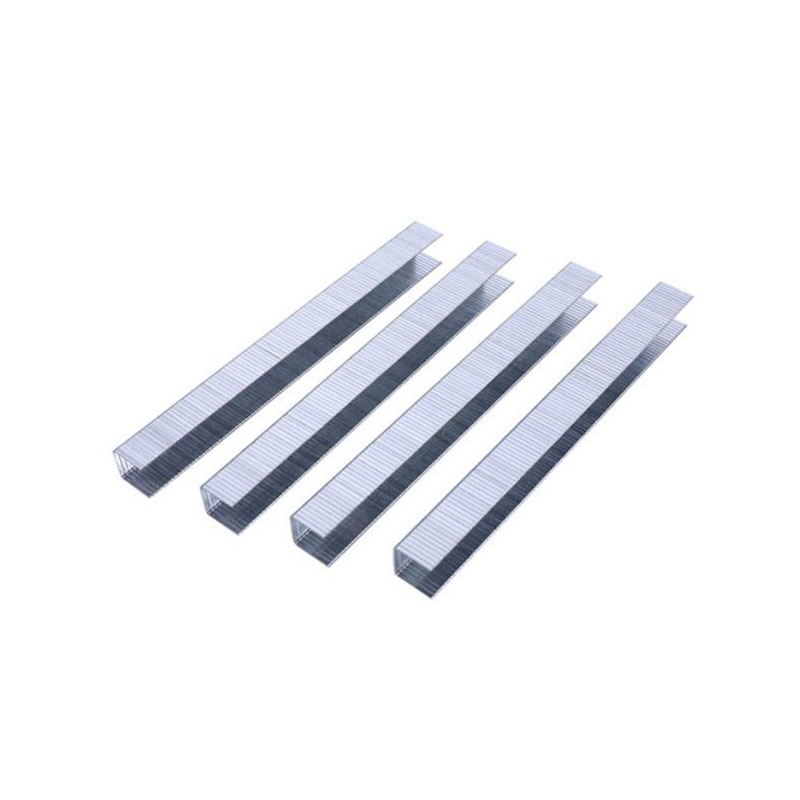
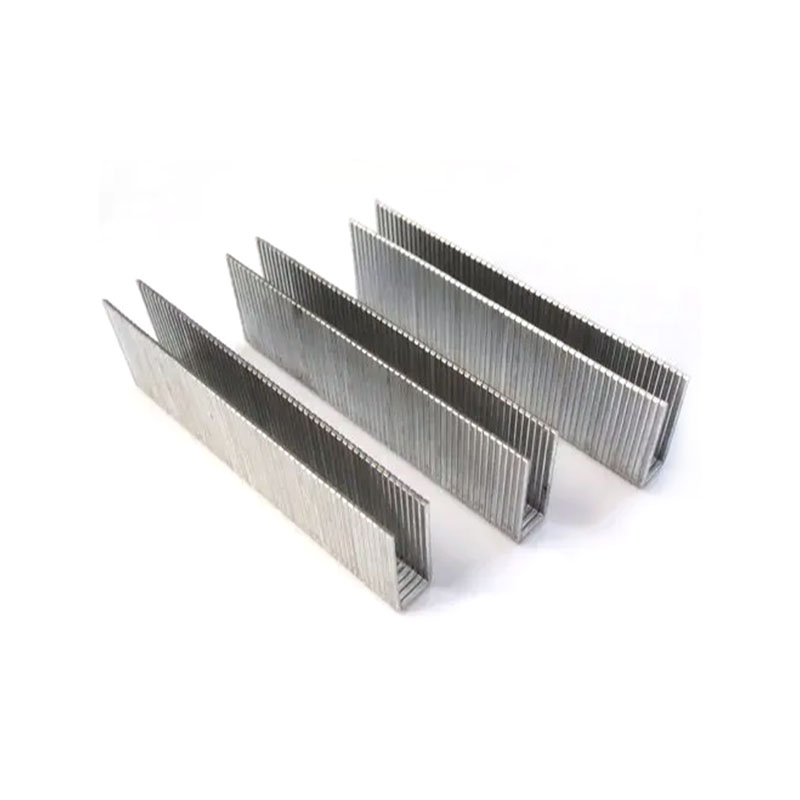
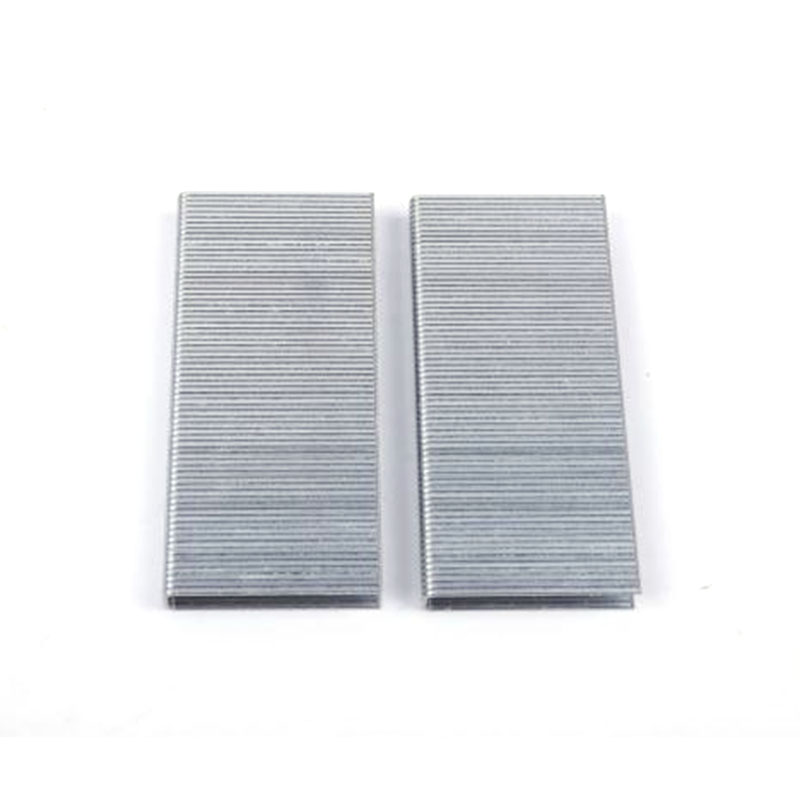
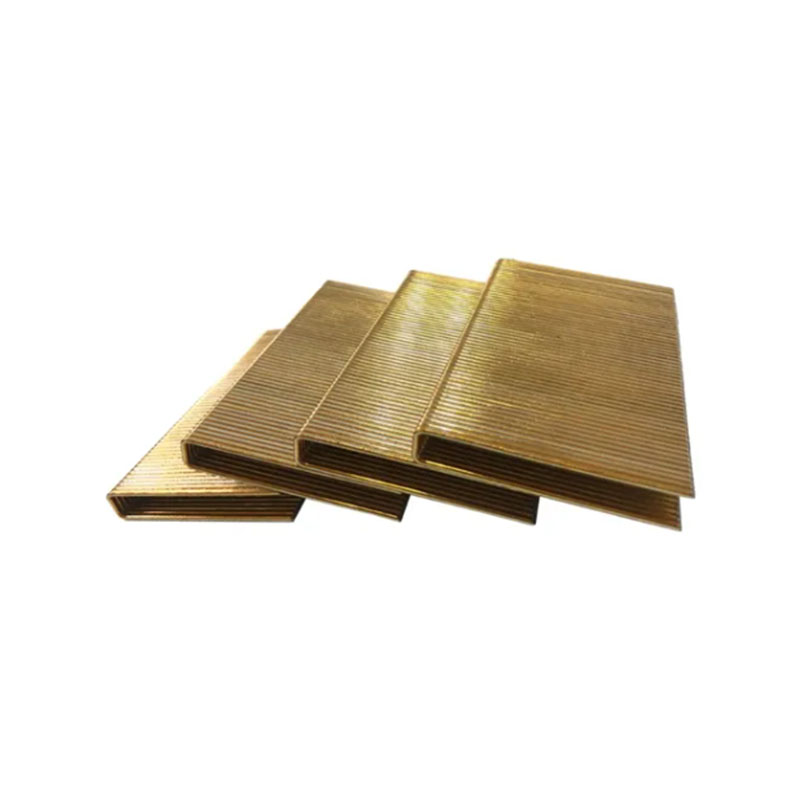
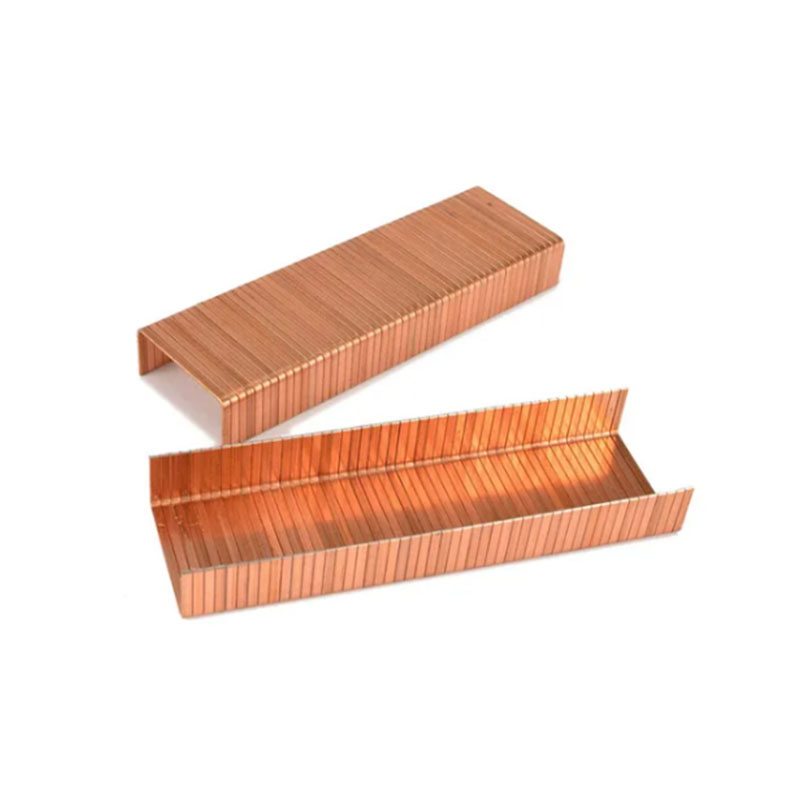
Heavy Wire Staples are essential fastening tools in industrial and construction applications. They provide strong connections for materials like wood, fencing, insulation, and heavy-duty packaging. Engineers rely on these staples for reliability and ease of use, ensuring structural integrity in high-stress environments.
Key Features of Heavy Wire Staples
Heavy Wire Staples for Industrial Use: Advantages
These staples are designed to withstand continuous use in manufacturing and production lines. Heavy Wire Staples for Industrial Use offer high holding power and resist bending during installation, reducing downtime and maintenance needs.
Galvanized Heavy Wire Staples Corrosion Resistance
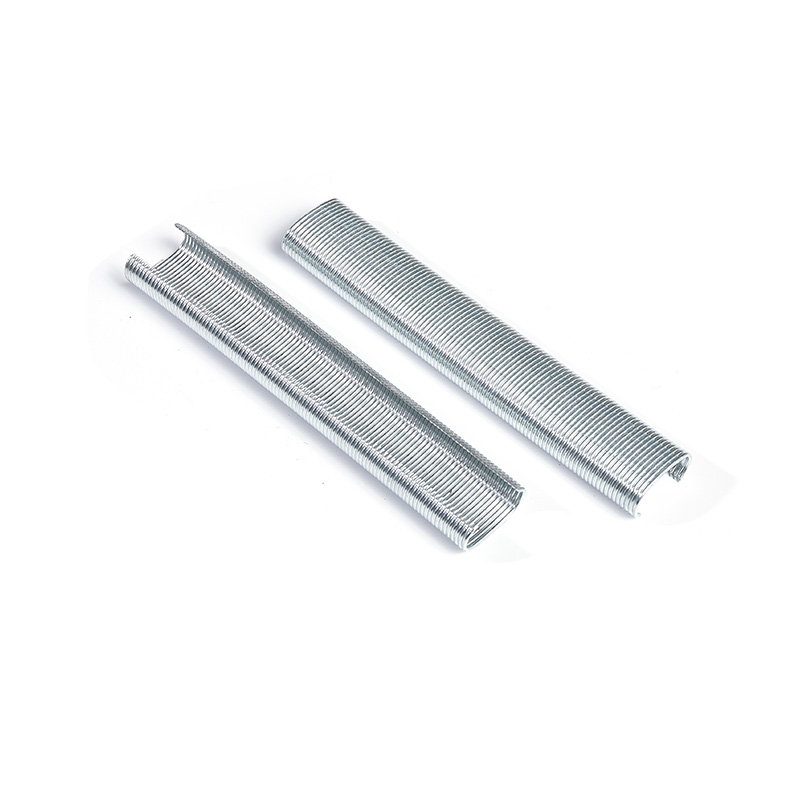
Galvanized staples feature a zinc coating that prevents rust and corrosion. Galvanized Heavy Wire Staples are ideal for outdoor construction, fencing, and agricultural applications where environmental exposure is significant.
High Tensile Heavy Wire Staples Strength Benefits
High tensile staples are engineered to resist deformation under heavy loads. High Tensile Heavy Wire Staples maintain their shape and holding capacity even in demanding structural and packaging tasks.
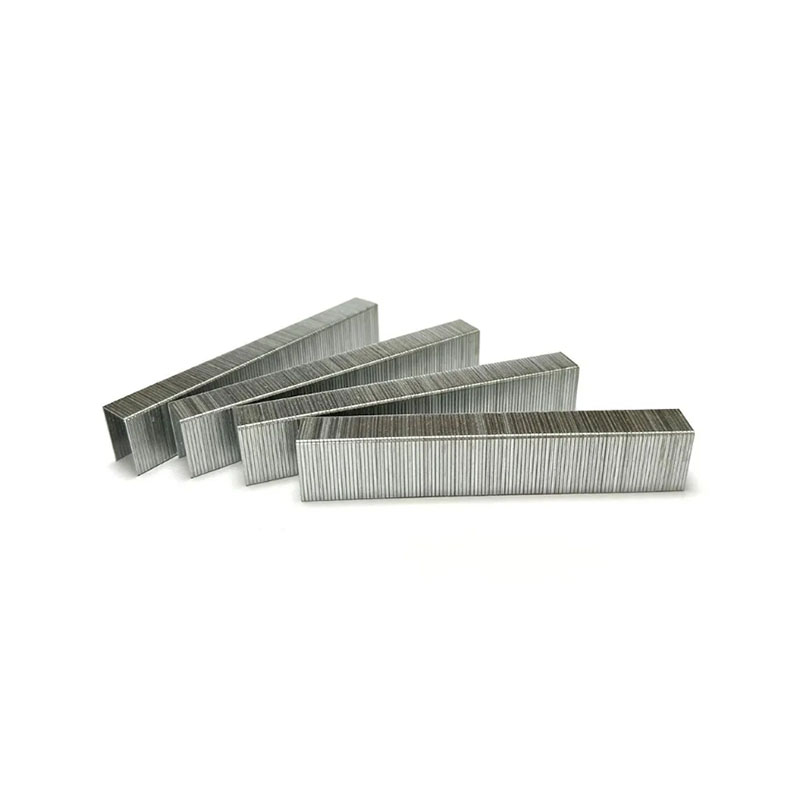
Heavy Duty Heavy Wire Staples Durability
Heavy Duty Heavy Wire Staples combine thick wire gauges and robust materials to ensure long-term durability. They are suitable for reinforced wood, pallets, and high-tension fencing, providing consistent performance over time.
Precision Heavy Wire Staples Applications Accuracy in Fastening
Precision staples are used where exact placement is critical. Precision Heavy Wire Staples Applications include cabinetry, fine woodworking, and assembly of mechanical components, ensuring alignment and structural integrity.
Types and Materials of Heavy Wire Staples
Understanding staple materials and types is crucial for selecting the right product:
| Type | Material | Tensile Strength | Corrosion Resistance | Application |
| Standard Wire | Steel | 250 MPa | Low | Indoor Wood and Packaging |
| Galvanized Wire | Steel + Zinc Coating | 260 MPa | High | Outdoor Fencing, Agriculture |
| Stainless Steel | 304 Stainless | 320 MPa | Very High | Marine and Humid Environments |
| High Tensile Wire | Alloy Steel | 400 MPa | Medium | Heavy Structural Fastening |
Technical Specifications to Consider
- Wire Gauge: Commonly ranges from 10 to 14 gauge for heavy staples.
- Leg Length and Crown Width: Determines penetration depth and holding surface.
- Load-Bearing Capacity: Maximum shear stress should match application requirements.
- Surface Treatment: Galvanization or coating ensures longevity in adverse environments.
Installation and Handling Tips
- Use an appropriate stapler or hammer to prevent bending.
- Maintain a consistent angle and depth for maximum holding power.
- Wear safety equipment in industrial settings to prevent injuries.
- Store staples in a dry environment to avoid corrosion.
Case Studies and Applications
- Industrial manufacturing: Heavy Wire Staples for Industrial Use increased assembly line speed by 15% due to reduced rework.
- Outdoor construction: Galvanized Heavy Wire Staples maintained integrity in high-humidity environments for over five years.
- Packaging: High Tensile Heavy Wire Staples prevented load shifting in heavy cargo transport.
- Precision assembly: Precision Heavy Wire Staples Applications ensured alignment in mechanical component installation.
Conclusion
Heavy Wire Staples provide essential benefits in industrial, construction, and packaging applications. Choosing the right type—whether galvanized, high tensile, or precision—ensures durability, strength, and performance. Engineers and procurement specialists should consider technical specifications, materials, aand applicationsto select the most suitable staples for their needs.
FAQ
1. What are the main benefits of Heavy Wire Staples?
They provide strong holding power, durability, corrosion resistance, and precision for heavy-duty and industrial applications.
2. When should I use Galvanized Heavy Wi, re Staples?
Use them in outdoor or high-moisture environments where rust and corrosion are concerns, such as fencing, decking, and agriculture.
3. How do High Tensile Heavy Wire Staples improve performance?
They maintain their shape and strength under high load conditions, reducing the risk of bending and structural failure.
4. What precautions ensuthe re long-term durability of Heavy Duty Heavy Wire Staples?
Correct installation, proper storage, and use of appropriate surface treatments like galvanization help maintain staple integrity and performance.
References
- Smith, J. "Industrial Fasteners Handbook," McGraw-Hill, 2021.
- American Wood Council. "Fastening Guidelines for Heavy Duty Applications," 2020.
- ISO 14592: "Fasteners – Heavy Wire Staples," International Organization for Standardization, 2019.
- Brown, R. "Mechanical Connections in Construction," Springer, 2020.
- National Association of Metal Fastening Engineers, "Corrosion Resistance in Fasteners," 2022.