English
 русский
 Español

Content
What Sets Thin Line Staples Apart From Standard Staples
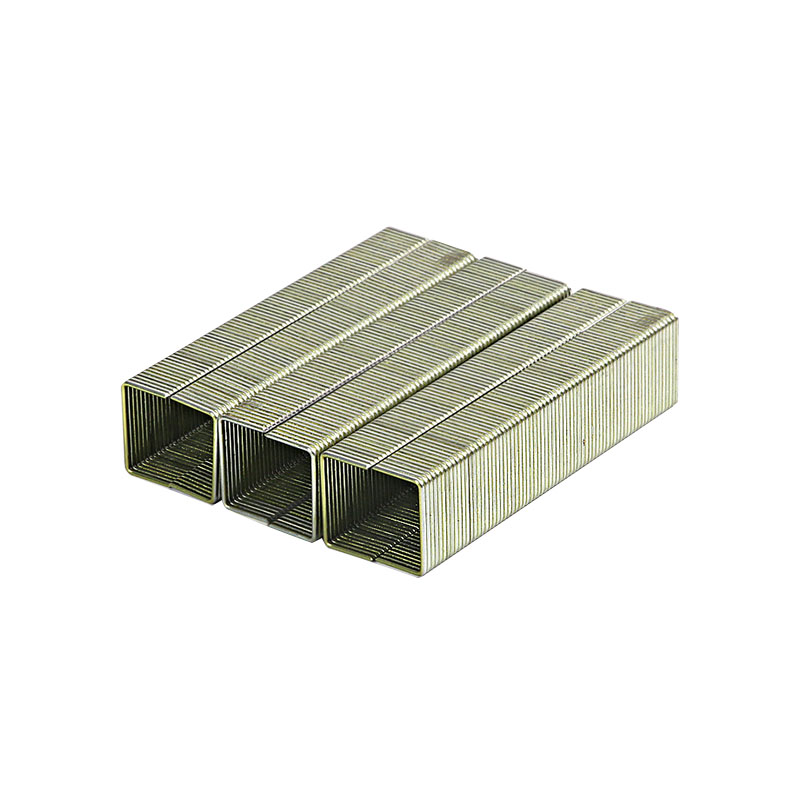
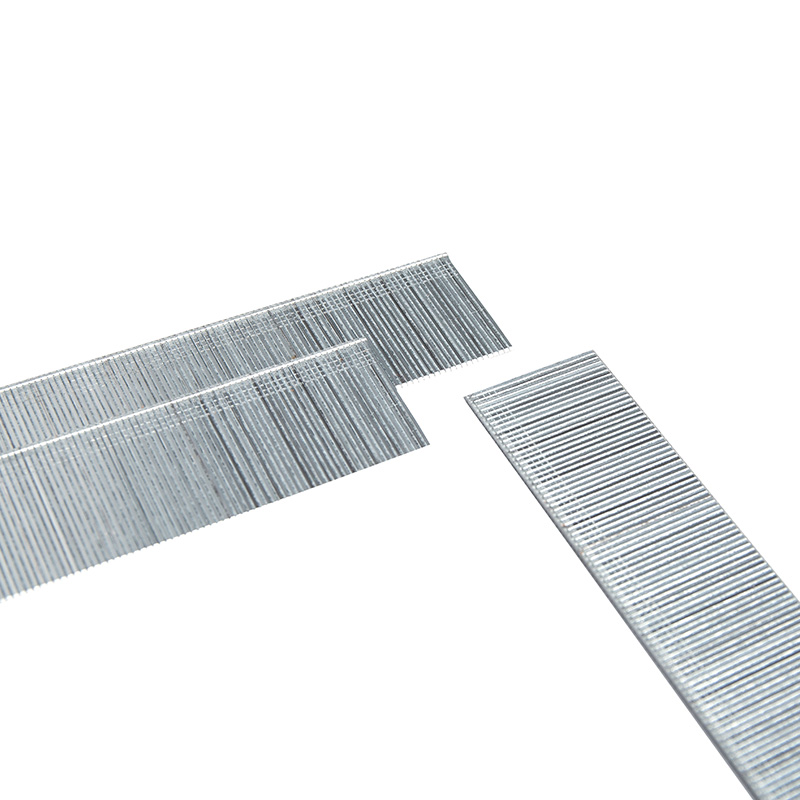
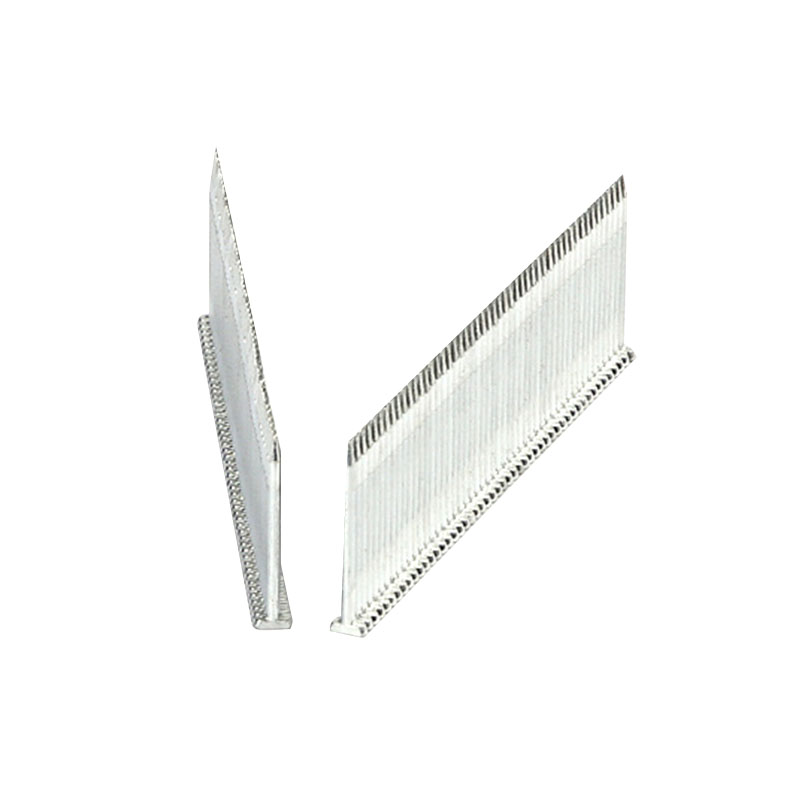
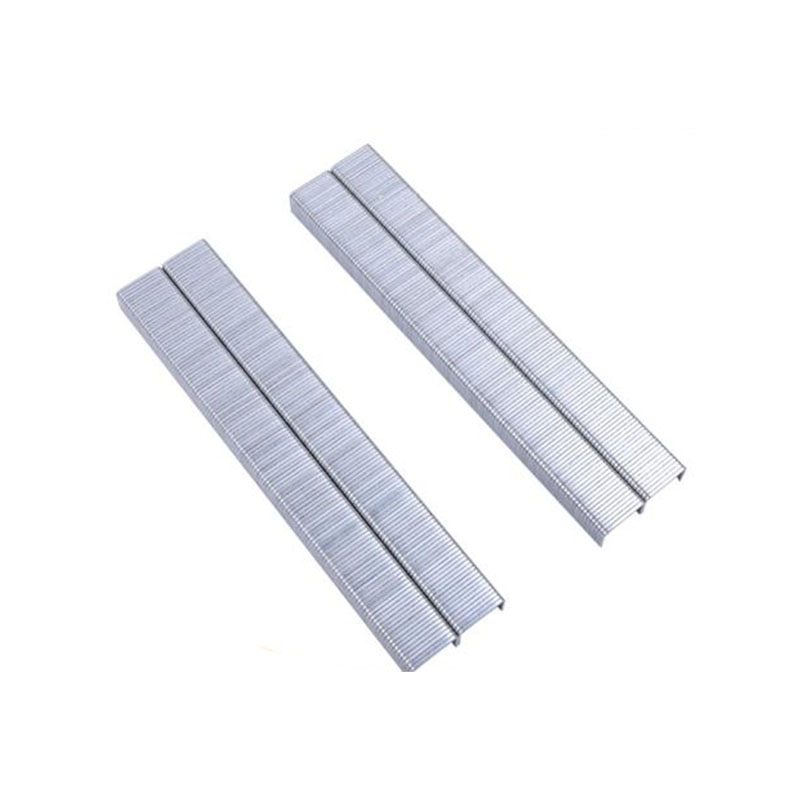
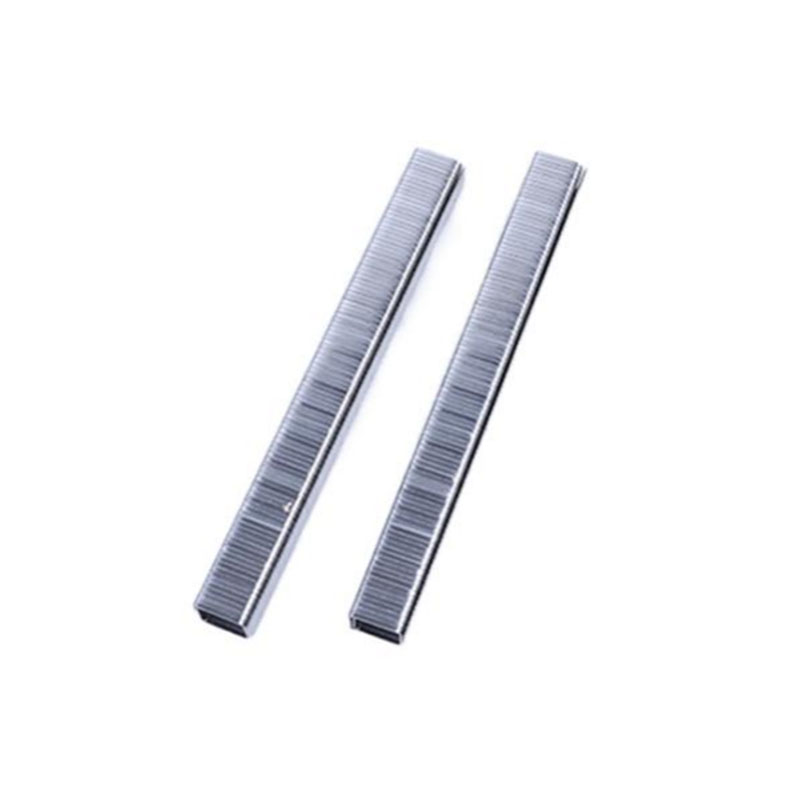
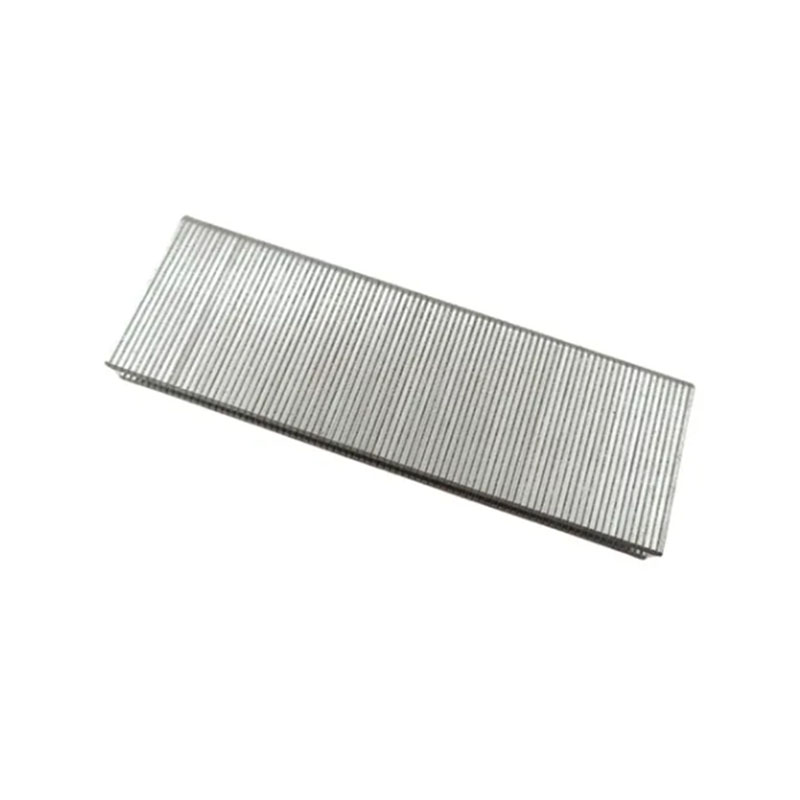
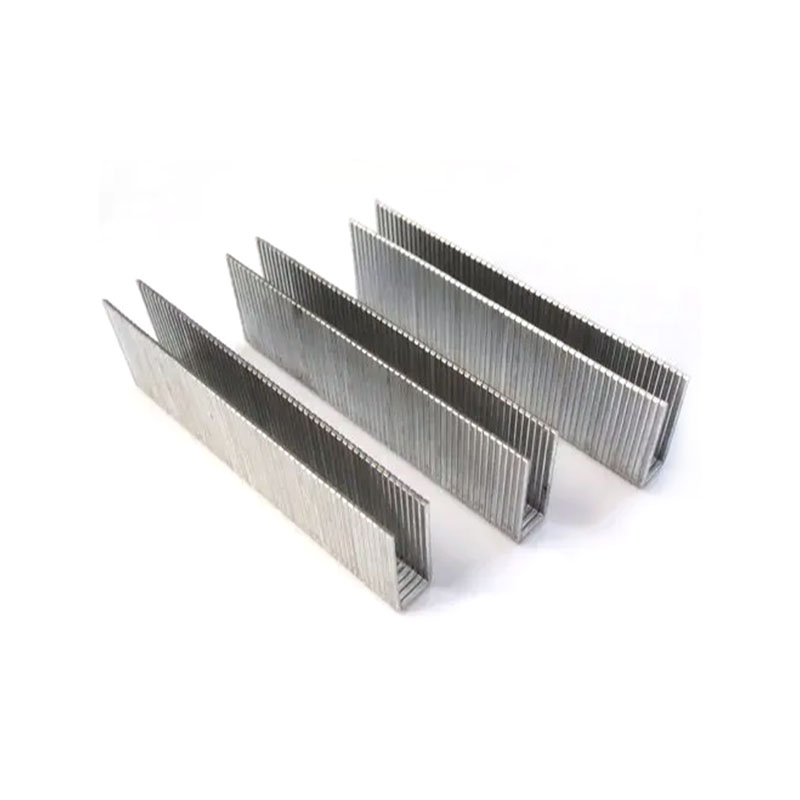
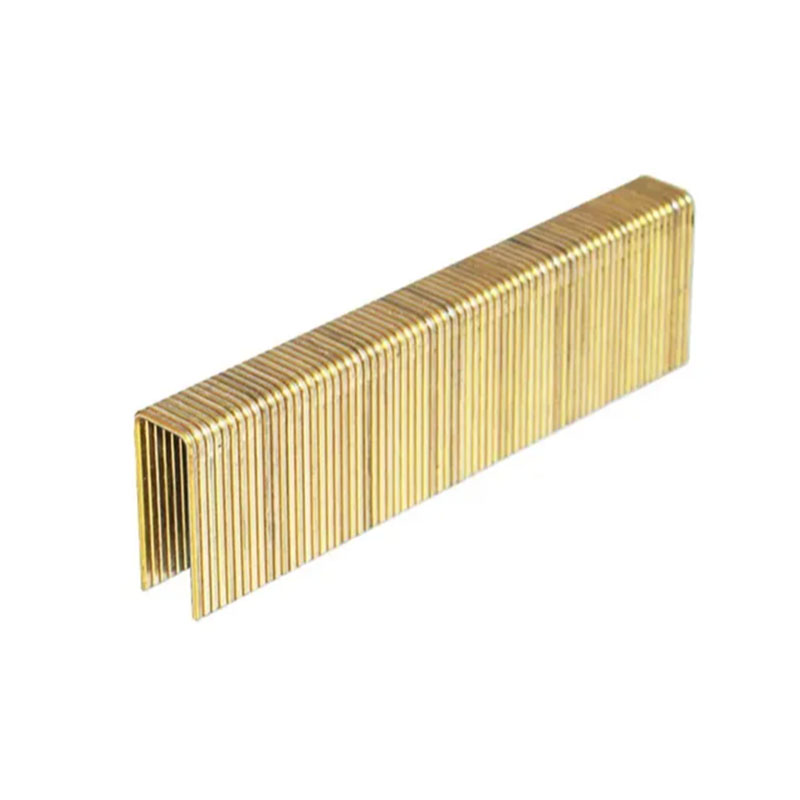
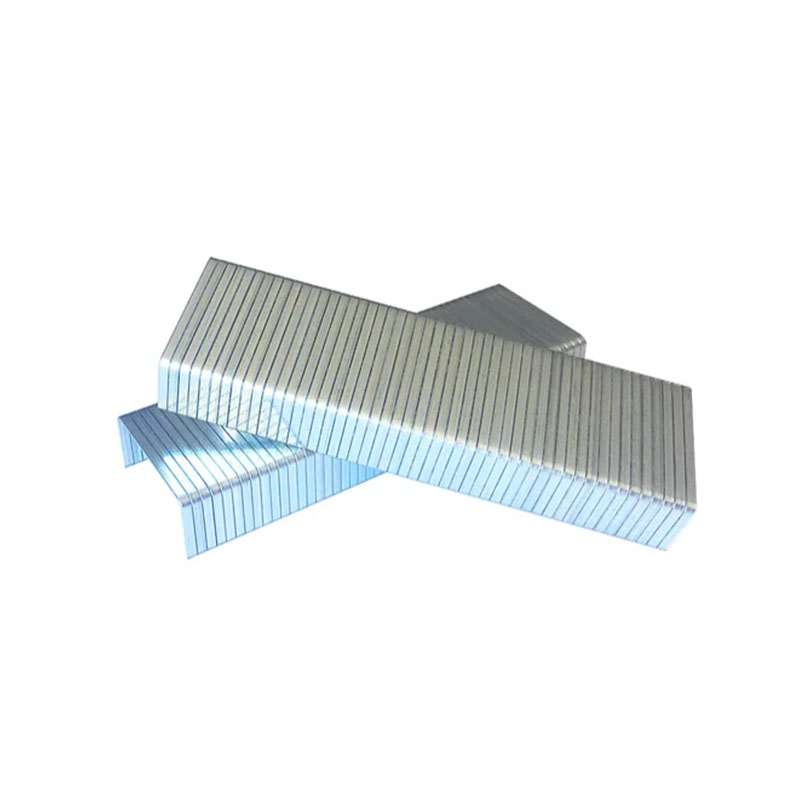
Thin line staples are narrow-crown, fine-wire staples designed to leave a smaller, less visible fastening mark on finished surfaces. The defining trait is wire gauge combined with crown width: where a standard heavy-duty staple might use 18-gauge wire across a 1/2" or wider crown, a thin line staple typically runs 22–23 gauge with a narrow crown around 1/4"–3/8". The narrower profile reduces surface splitting and entry-hole visibility, which is why thin line staples are the default choice for upholstery, finish trim, and other work where appearance matters as much as hold.
The trade-off is holding power. A thin line staple's smaller cross-section and narrower crown mean less material gripping the substrate compared to a wide-crown staple, so they're matched to lighter-duty fastening tasks rather than structural sheathing or heavy upholstery webbing.
Common Wire Gauge and Length Specifications
Gauge numbering runs inversely to thickness — a 23-gauge staple is thinner than a 20-gauge staple — so it's worth checking the actual wire diameter spec rather than assuming based on the gauge number alone when matching staples across different tool brands.
Where Thin Line Staples Are Used
Upholstery
Securing fabric, batting, and dust covers to wood frames without the visible footprint a wider staple would leave on show wood or near finished edges.
Picture Framing
Holding backing boards and small moldings where a wide-crown staple would risk splitting thin frame stock or showing through the rabbet.
Cabinet and Furniture Trim
Attaching cabinet backs, drawer bottoms, and decorative molding where minimal surface disruption keeps finish work clean.
Craft and Packaging
Light-duty fastening in display assembly, gift box construction, and other applications where pull-through resistance is secondary to a clean appearance.
Matching Staples to the Tool
Thin line staples are not universally interchangeable across staplers, even within the same gauge. The factors that determine compatibility are crown width, leg length range, and whether the magazine accepts a chisel-point or divergent-point leg design. Loading an undersized crown into a magazine built for a wider crown typically causes jams or inconsistent firing depth rather than outright tool damage, but it's still worth checking the tool manufacturer's staple chart before bulk-buying a new gauge.
- Confirm the stapler's rated gauge range — most pneumatic upholstery staplers are built around either 22-gauge or 20-gauge wire, not both.
- Match crown width exactly; a 3/8" crown staple will not seat correctly in a magazine sized for 1/4" crown.
- Choose leg length based on substrate thickness — as a general guide, leg length should penetrate at least two-thirds of the way through the bottom material being fastened into for adequate hold.
FAQ
What gauge are thin line staples?
Most thin line staples fall between 20 and 23 gauge, with 22-gauge being the most common general-purpose choice for upholstery and trim work.
Are thin line staples strong enough for upholstery webbing?
For light fabric, padding, and dust covers, yes. For structural webbing under continuous tension, a wider-crown, heavier-gauge staple is generally the better choice, since thin line staples trade holding power for a smaller surface mark.
Can thin line staples be used in a standard heavy-duty stapler?
Generally not interchangeably — crown width and magazine geometry differ between thin line and heavy-duty staplers, so using the wrong gauge in a mismatched tool usually causes jamming rather than a secure fastening.