English
 русский
 Español

Content
- 1 What Steel Galvanized Staples Are and Why the Coating Matters
- 2 Hot-Dip Galvanized vs. Electro-Galvanized: Key Differences
- 3 Common Applications of Steel Galvanized Staples
- 4 Wire Gauge, Crown Width, and Leg Length: How to Specify the Right Staple
- 5 Steel Galvanized Staples vs. Stainless Steel Staples
- 6 Quality Standards and What to Look for When Sourcing
What Steel Galvanized Staples Are and Why the Coating Matters
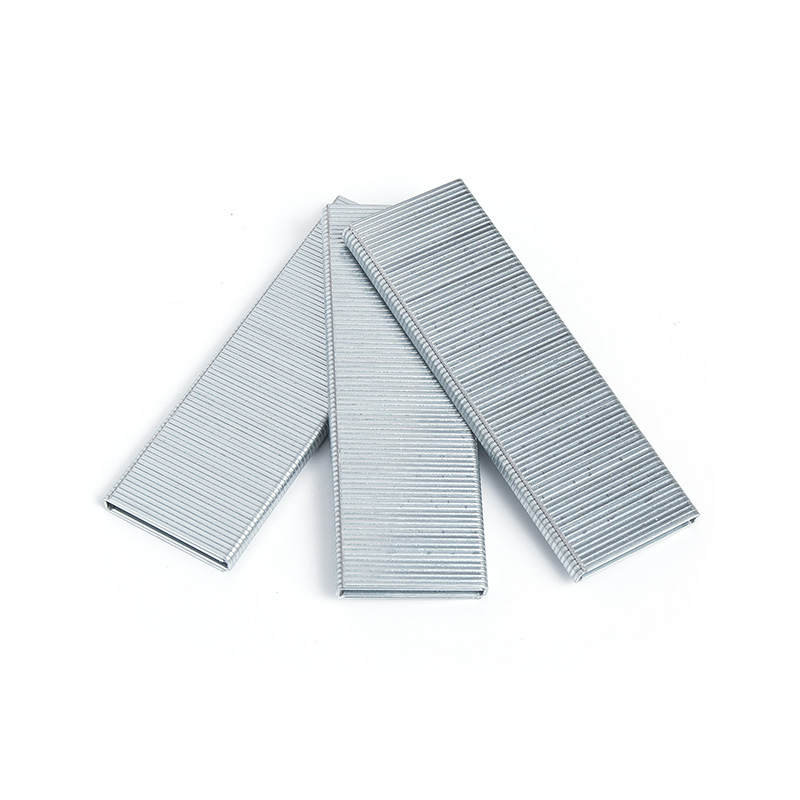
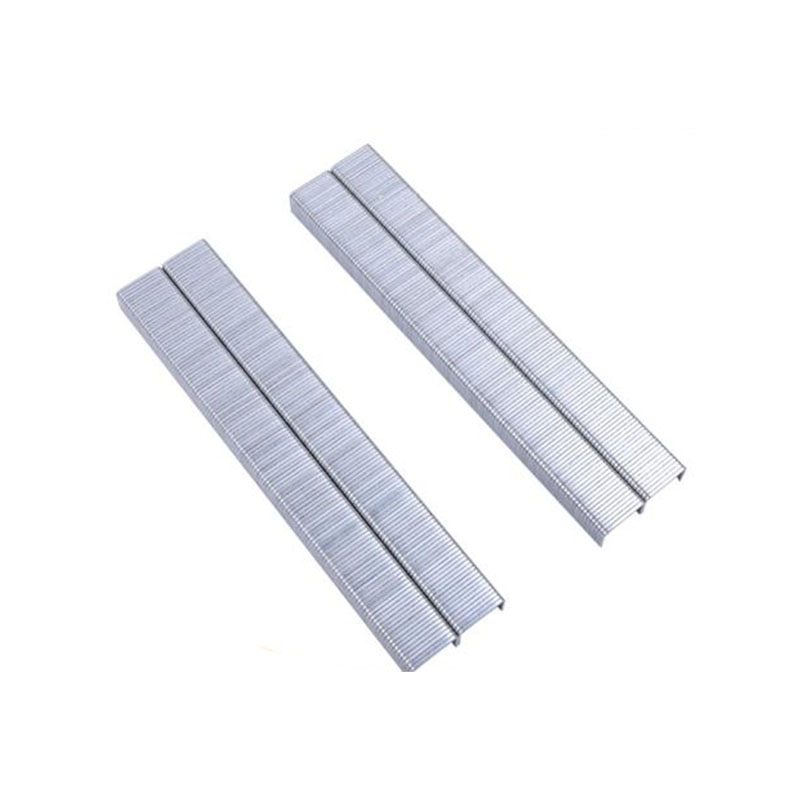
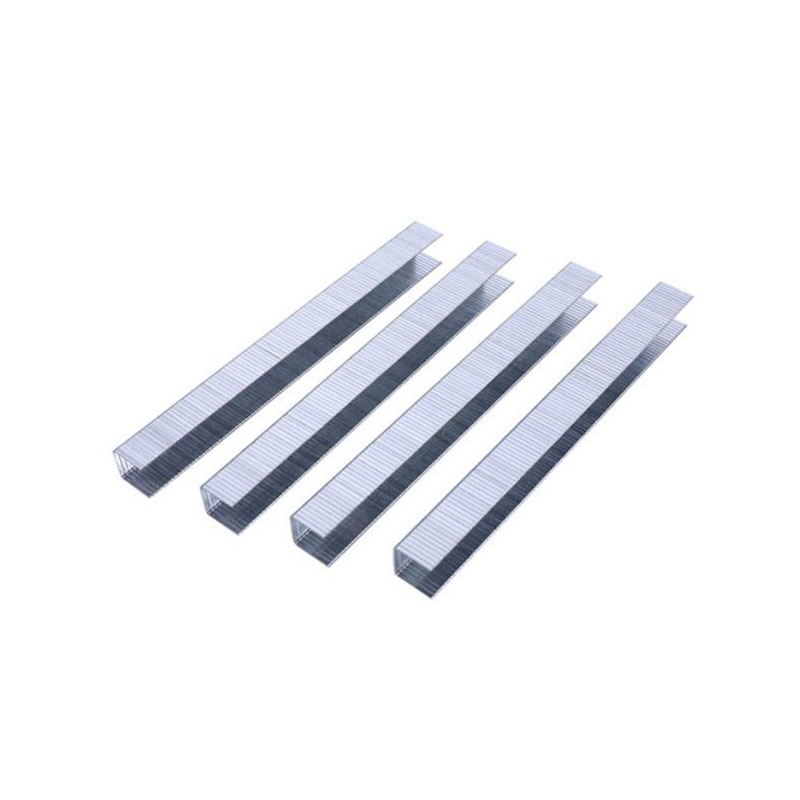
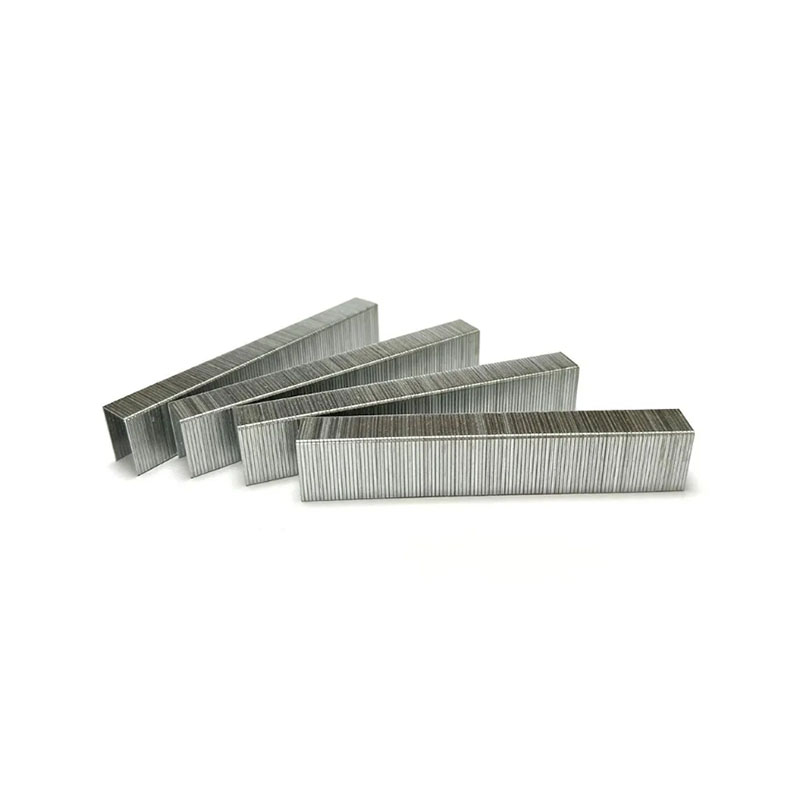
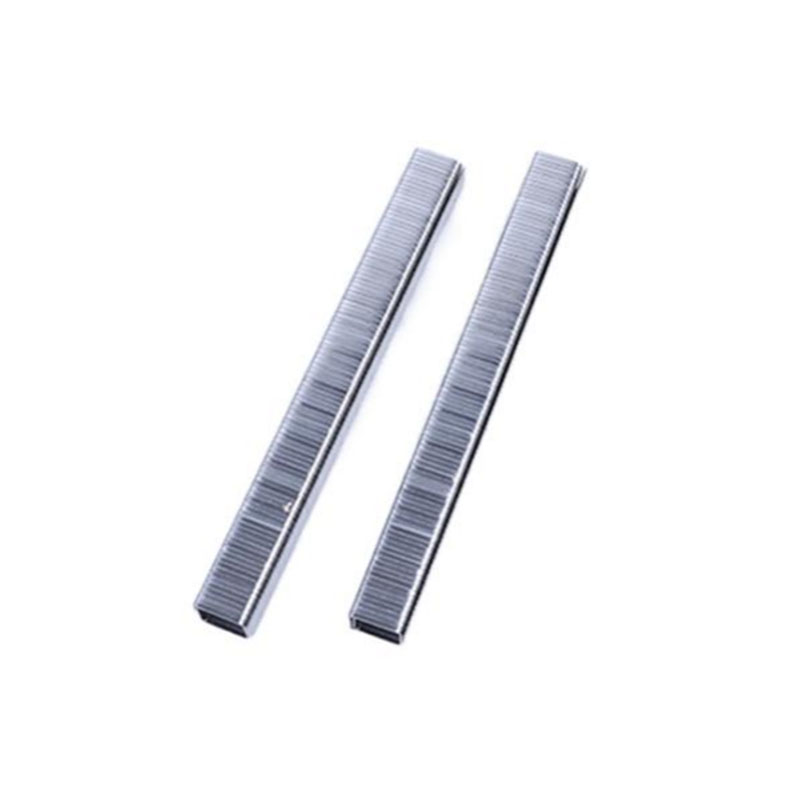
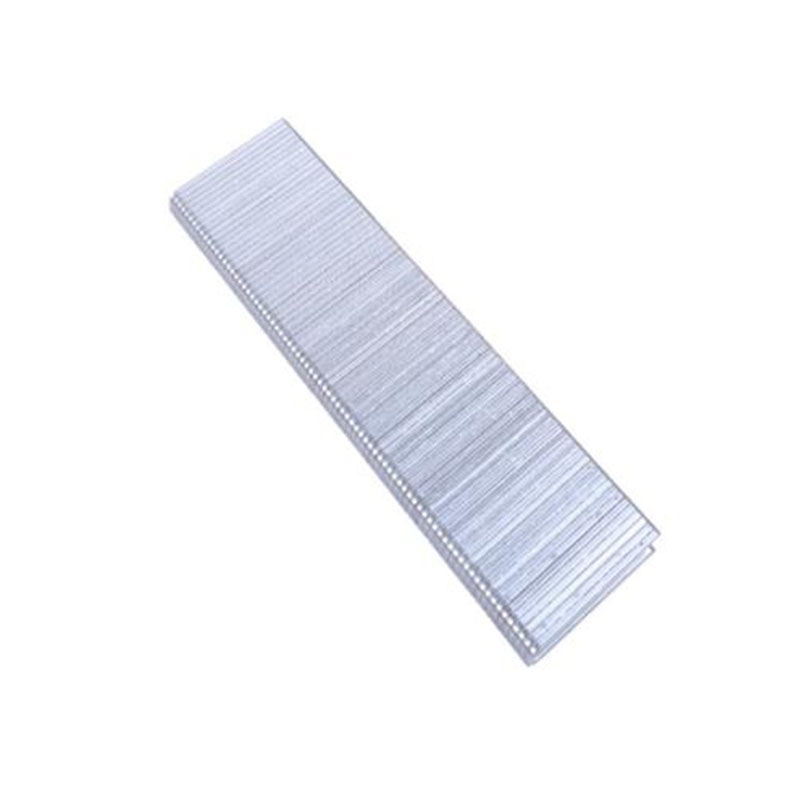
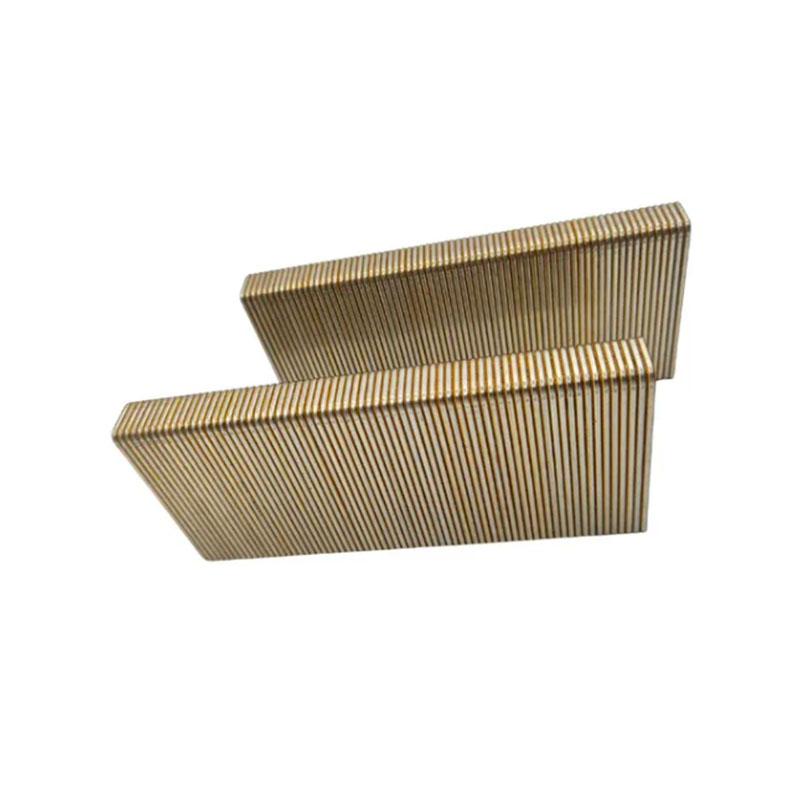
Steel galvanized staples are standard steel wire staples that have been coated with a layer of zinc through either hot-dip or electro-galvanizing. The zinc coating acts as a sacrificial barrier: when the staple is exposed to moisture, oxygen, or corrosive elements, the zinc oxidizes first, protecting the steel core underneath. The result is a fastener that performs reliably in outdoor, high-humidity, or chemically active environments where bare steel staples would rust within weeks or months.
The distinction between galvanized and non-galvanized staples is not cosmetic. Bare steel staples corrode and can stain the surrounding material — wood, fabric, insulation, or roofing felt — with rust bleed. In structural applications, corrosion also reduces holding strength over time. Galvanized staples are the minimum recommended specification for any exterior or semi-exposed use, and are often required by building codes in certain climates and applications.
Hot-Dip Galvanized vs. Electro-Galvanized: Key Differences
Not all galvanized staples carry the same corrosion resistance. The two primary methods produce meaningfully different results:
Hot-Dip Galvanizing
In hot-dip galvanizing, the steel wire is submerged in a bath of molten zinc at around 450°C. This creates a thick, metallurgically bonded zinc-iron alloy layer on the surface — typically 45 to 85 microns thick. Hot-dip galvanized staples offer superior corrosion resistance and are the preferred choice for roofing, fencing, marine-adjacent environments, and treated lumber applications. The thicker coating means the staple may be slightly larger in diameter than the nominal wire gauge, which can affect fit in some pneumatic staplers.
Electro-Galvanizing
Electro-galvanizing deposits zinc onto the steel wire using an electrical current. The resulting zinc layer is thinner — typically 5 to 15 microns — and the bond is adhesive rather than metallurgical. Electro-galvanized staples are dimensionally more precise, which makes them more compatible with tightly toleranced staple guns, and they work well for interior applications or light exterior use. However, they are not a substitute for hot-dip in high-moisture or corrosive environments.
| Property | Hot-Dip Galvanized | Electro-Galvanized |
|---|---|---|
| Zinc coating thickness | 45–85 microns | 5–15 microns |
| Corrosion resistance | High | Moderate |
| Dimensional precision | Lower | Higher |
| Best for | Exterior, roofing, fencing, ACQ lumber | Interior, upholstery, light construction |
| Cost | Higher | Lower |
Common Applications of Steel Galvanized Staples
Galvanized staples are used across a wide range of industries precisely because their corrosion resistance extends the fastener's service life in real-world conditions. The most common application categories:
- Roofing: Attaching roofing felt, underlayment, and insulation batts. Hot-dip galvanized staples are typically specified here because moisture infiltration is a constant risk.
- Fencing: Securing wire mesh, chicken wire, and hardware cloth to wooden posts and rails. Staples used in fence construction are exposed to weather, soil contact, and pressure-treated wood chemicals — all conditions that make galvanization essential.
- Treated lumber construction: ACQ (alkaline copper quaternary) and other modern wood preservatives are highly corrosive to bare steel. Building codes in the US and many other countries require hot-dip galvanized or stainless steel fasteners when working with pressure-treated lumber.
- Agricultural and horticultural use: Attaching shade cloth, irrigation tubing, and netting to wooden frames or stakes. The combination of moisture, fertilizers, and UV exposure accelerates corrosion in untreated fasteners.
- Upholstery and furniture: Electro-galvanized staples are widely used in upholstered furniture manufacturing to attach fabric to frames. The galvanization here prevents rust staining through fabric over time, particularly in humid climates.
- Cable and pipe fastening: Galvanized cable staples secure electrical conduit, data cables, and plumbing lines to studs and framing in both interior and exterior installations.
Wire Gauge, Crown Width, and Leg Length: How to Specify the Right Staple
Selecting the correct steel galvanized staple requires matching three dimensions to the application: wire gauge, crown width, and leg length.
Wire Gauge
Wire gauge determines the staple's strength and the size of the hole it leaves. Common gauges for galvanized staples range from 14 to 22, with lower numbers indicating thicker wire. Heavy-duty applications like fencing and roofing typically use 14–16 gauge, while upholstery and light fastening applications use 18–22 gauge. Note that gauge conventions vary by system (US, European, and manufacturer-specific); always confirm the actual wire diameter in millimeters when sourcing internationally.
Crown Width
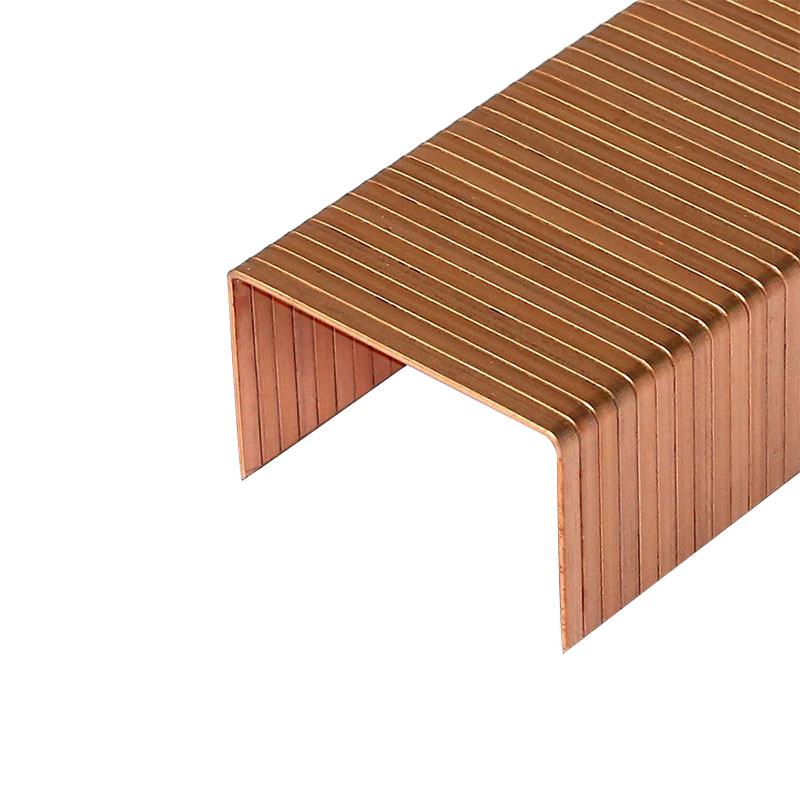
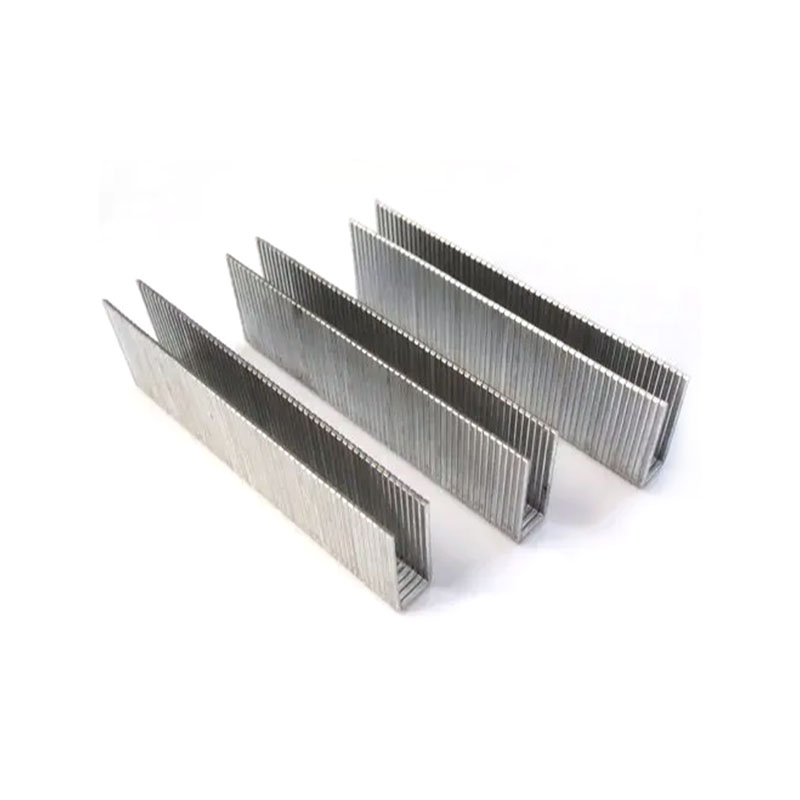
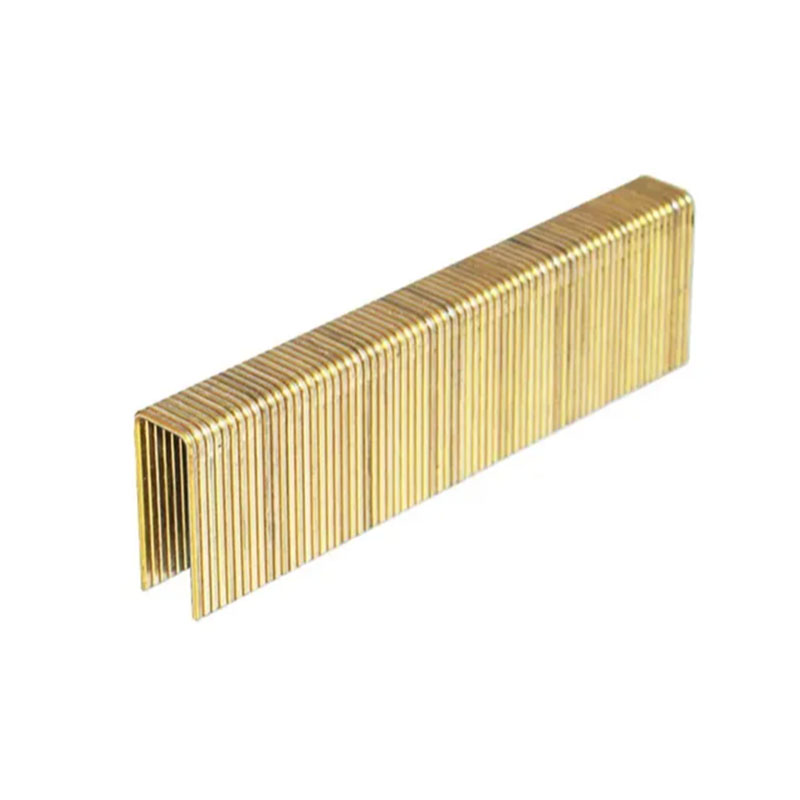
The crown is the horizontal bar of the staple that sits on the surface. Narrow-crown staples (typically 3/8" or 10mm) are used where minimal surface contact is needed — wire fastening, cable tacking, and some upholstery work. Wide-crown staples (1/2" to 1" or larger) distribute holding force over a broader area, making them better suited for mesh, sheeting, and roofing felt. Using a narrow-crown staple where a wide-crown is required can result in the staple pulling through the material under load.
Leg Length
Leg length determines how deep the staple penetrates and how much holding power it develops. The standard rule is that the leg should penetrate at least twice the thickness of the material being fastened. For structural applications, longer legs are safer. For thin materials like fabric or foil, shorter legs prevent splitting or tearing. Common leg lengths for construction-grade galvanized staples run from 3/4" (19mm) to 2" (50mm).
Steel Galvanized Staples vs. Stainless Steel Staples
Galvanized and stainless steel staples are often compared because both offer corrosion resistance, but they serve different ends of the performance spectrum.
Galvanized staples rely on the zinc coating to resist corrosion. Once the zinc is depleted — through abrasion, acidic exposure, or simple time — the underlying steel is vulnerable. In most construction and agricultural environments, this process takes many years, and galvanized staples are both adequate and cost-effective. However, in true marine environments (direct saltwater exposure), chemically aggressive soils, or applications requiring a lifetime fastener, stainless steel is the correct choice.
Stainless steel staples (typically 304 or 316 grade) resist corrosion through the inherent composition of the alloy rather than a surface coating. 316 stainless is the standard specification for marine and chloride-heavy environments. The tradeoff is cost: stainless staples typically run 3 to 5 times the price of equivalent hot-dip galvanized staples, and they are harder (less ductile), which can increase the risk of staple fracture in pneumatic applications if driver pressure is not properly calibrated.
For the majority of exterior and semi-exposed construction applications, hot-dip galvanized staples represent the best balance of corrosion resistance, compatibility with treated materials, and cost. Stainless should be reserved for environments where galvanized is genuinely insufficient.
Quality Standards and What to Look for When Sourcing
Not all galvanized staples on the market meet consistent quality benchmarks. When sourcing steel galvanized staples — particularly in volume — the following criteria help identify reliable product:
- Zinc coating weight documentation: Reputable manufacturers provide coating weight or thickness data conforming to ASTM A153 (hot-dip) or ASTM B633 (electro-galvanized). Request this data when evaluating suppliers.
- Wire tensile strength: The base steel wire should meet consistent tensile strength specifications. Inconsistent wire quality produces staples that deform or fracture during driving, especially in pneumatic tools.
- Dimensional consistency: Crown width, leg length, and wire diameter should conform tightly to specification, particularly for high-volume pneumatic stapling operations where jams and misfires reduce productivity.
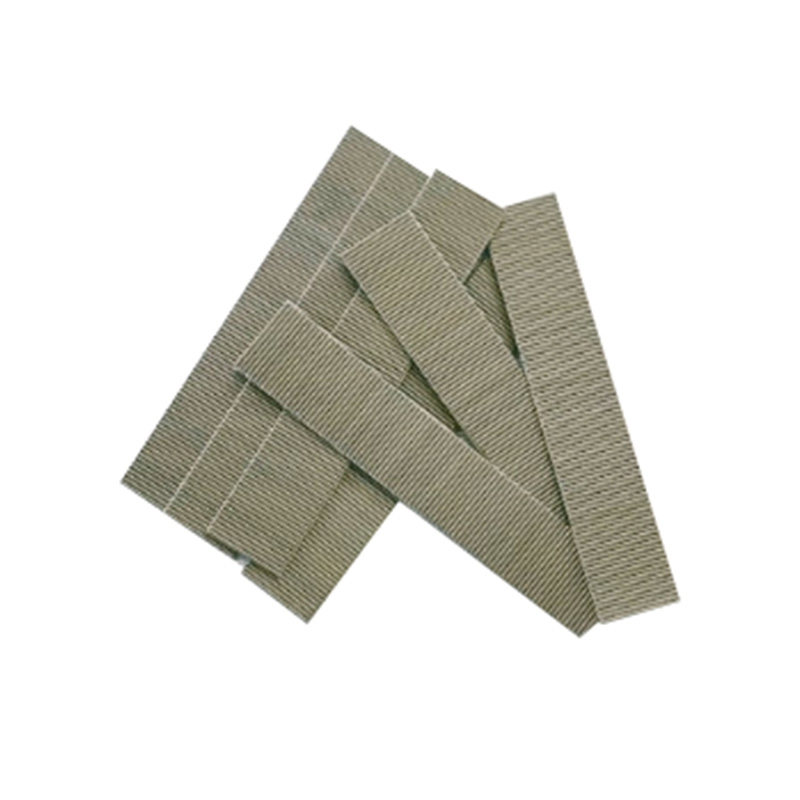
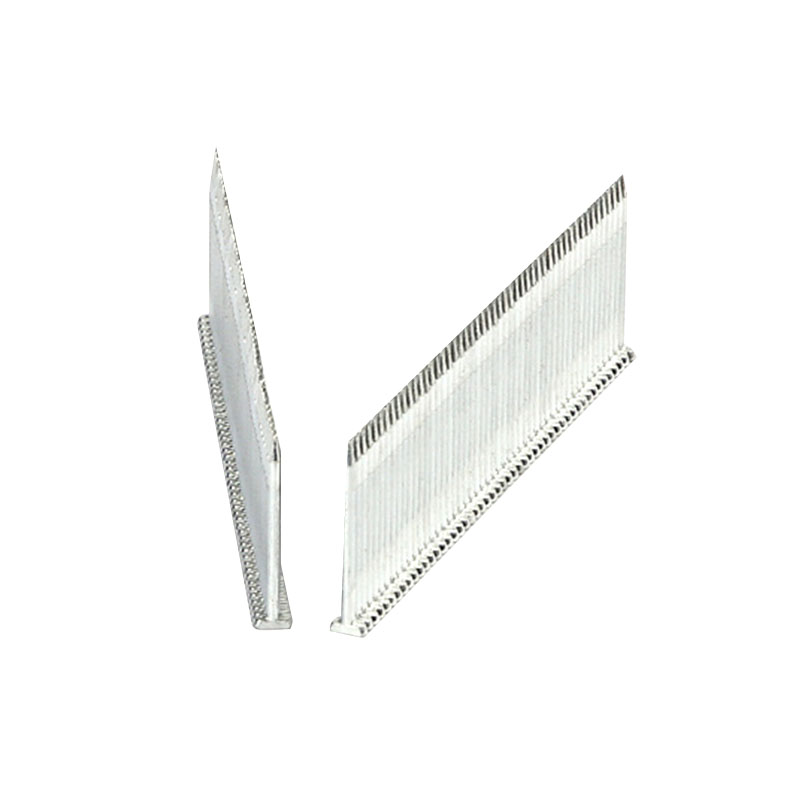
- Collation type: For pneumatic use, confirm whether staples are supplied in wire-weld, plastic-strip, or paper-tape collation, and that the collation type matches the staple gun's magazine specification.
- Salt spray test results: ISO 9227 or ASTM B117 salt spray test data indicates how many hours the coating resists corrosion under standardized test conditions. Hot-dip galvanized staples should typically achieve 500+ hours; electro-galvanized 96–200 hours depending on coating thickness.