English
 русский
 Español

Content
What Is a Staple Made Of?
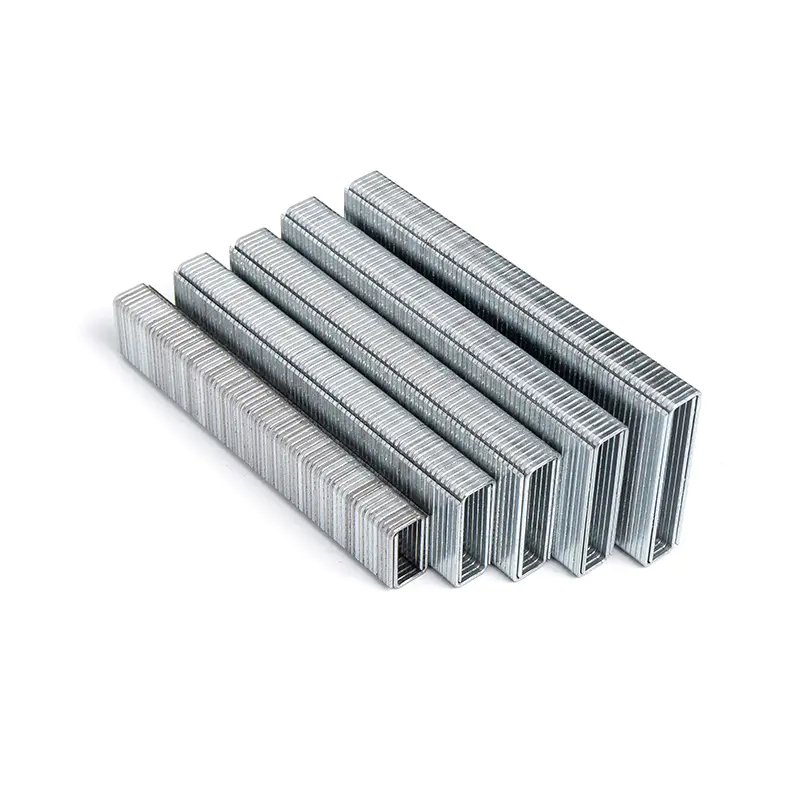
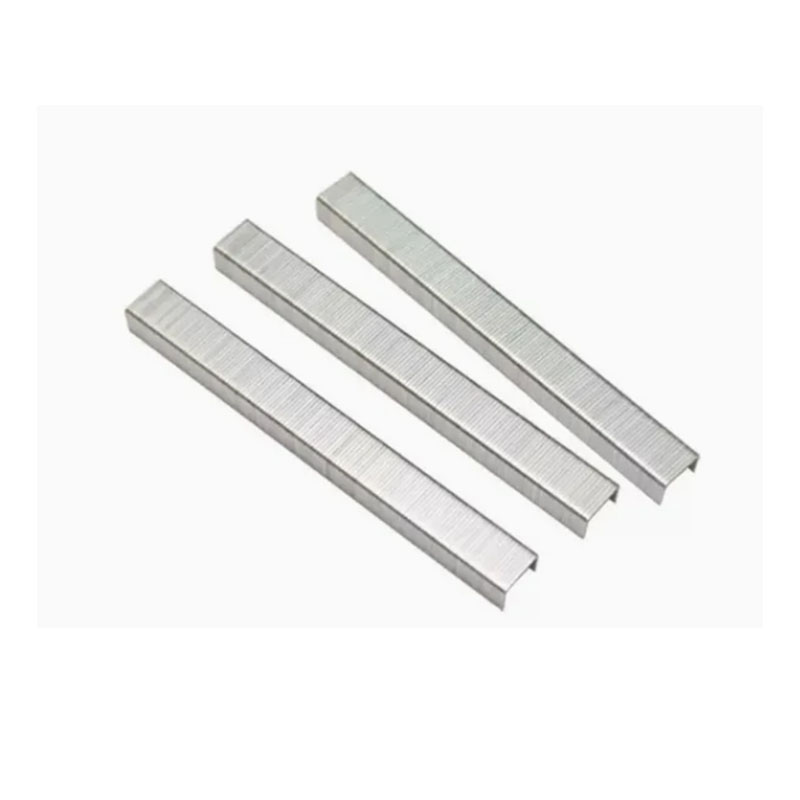
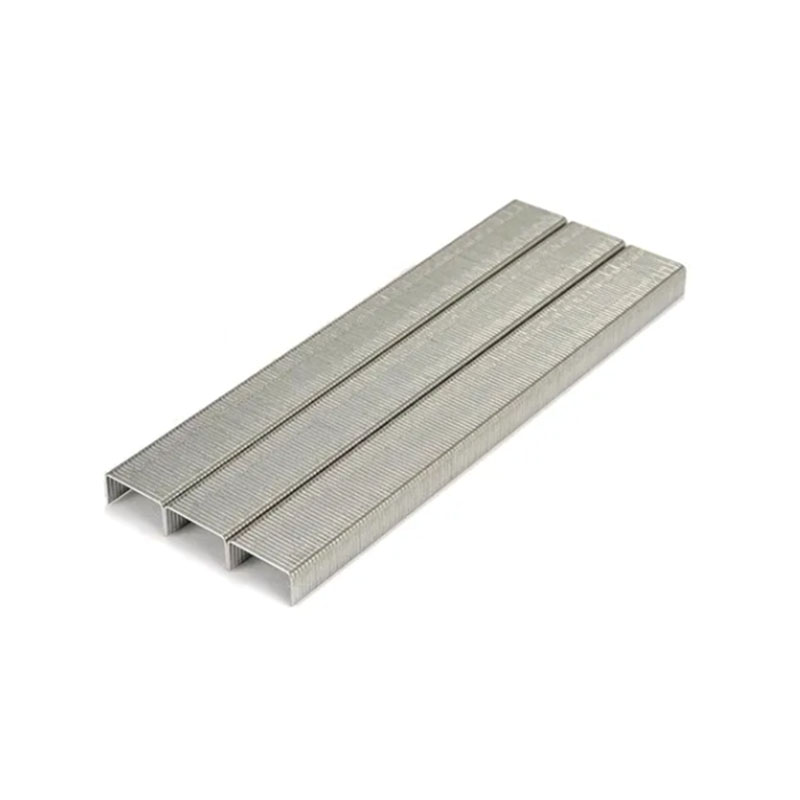
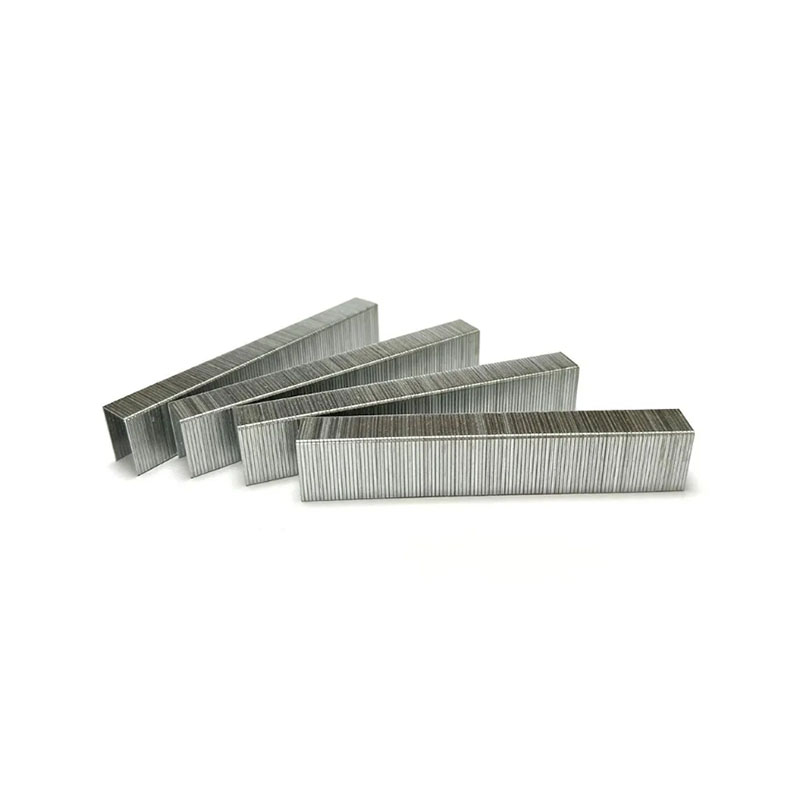
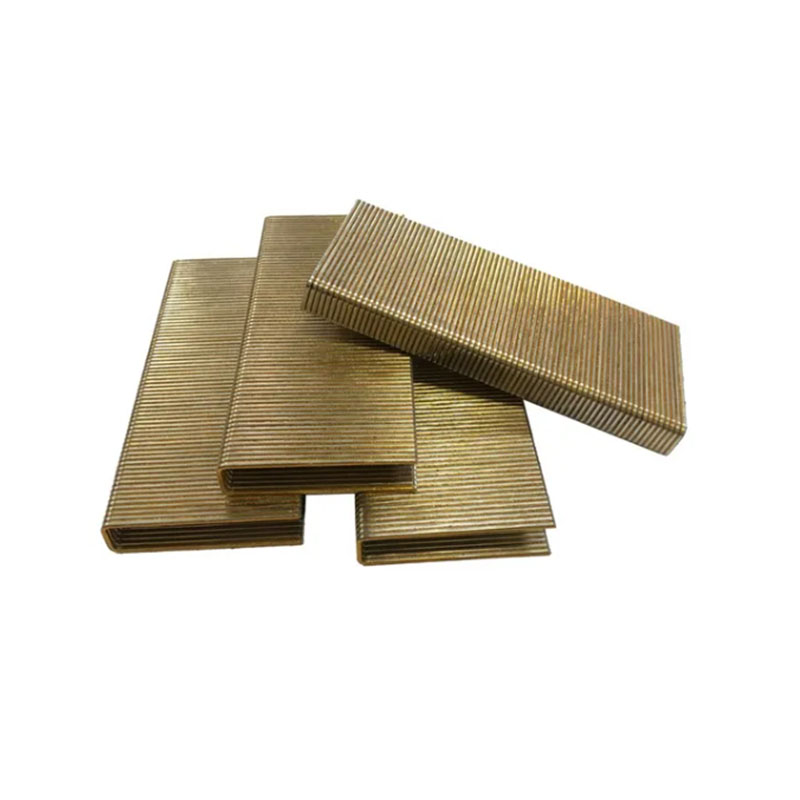
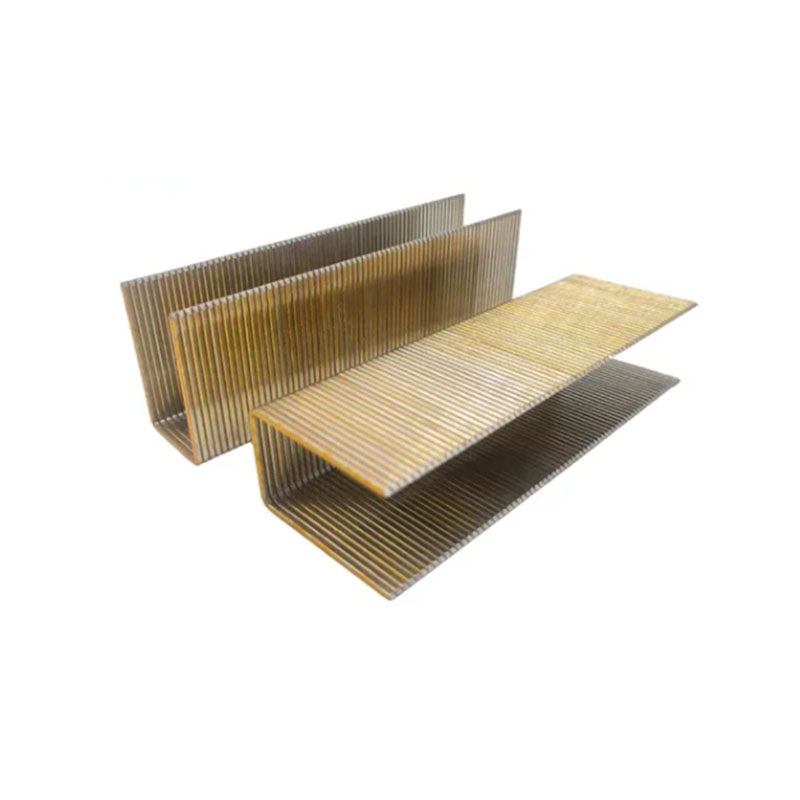
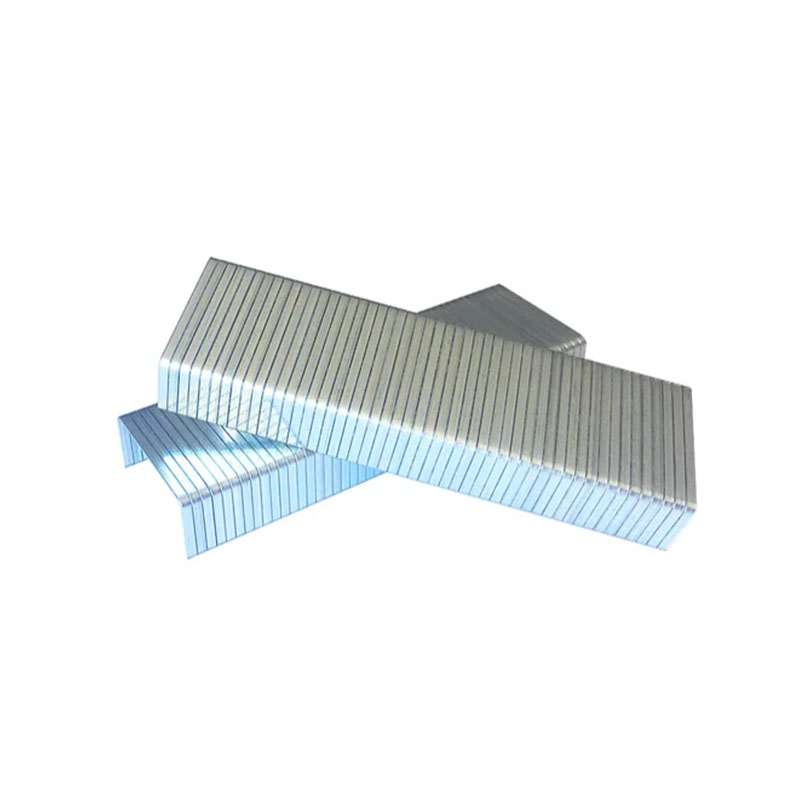
A staple is a small, U-shaped or rectangular fastener used to join materials together by driving both legs through a substrate and clinching or embedding them at the back. Despite the variety of types across industries, most staples share a common material foundation: steel wire. Standard office staples are made from low-carbon steel wire that has been drawn to a precise gauge, cut, and formed into shape. The wire is typically zinc-plated or galvanized after forming to resist corrosion, giving most staples their characteristic silver-gray finish.
What a staple is made out of can vary by application:
- Low-carbon steel — The standard for office and paper staples; easy to form, clinches cleanly, and holds well under normal loads.
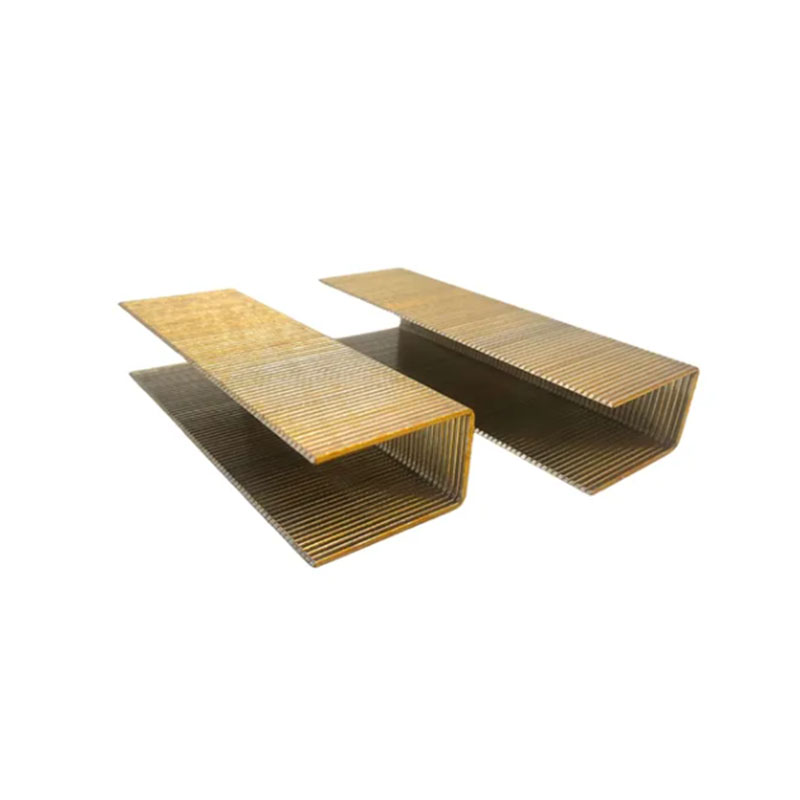
- Galvanized or zinc-coated steel — Used in construction and outdoor applications where moisture exposure would corrode bare steel. Wire staples for staple guns in wood framing are almost universally galvanized.
- Stainless steel — Specified where high corrosion resistance is required: roofing, marine environments, food processing facilities, and some medical packaging applications.
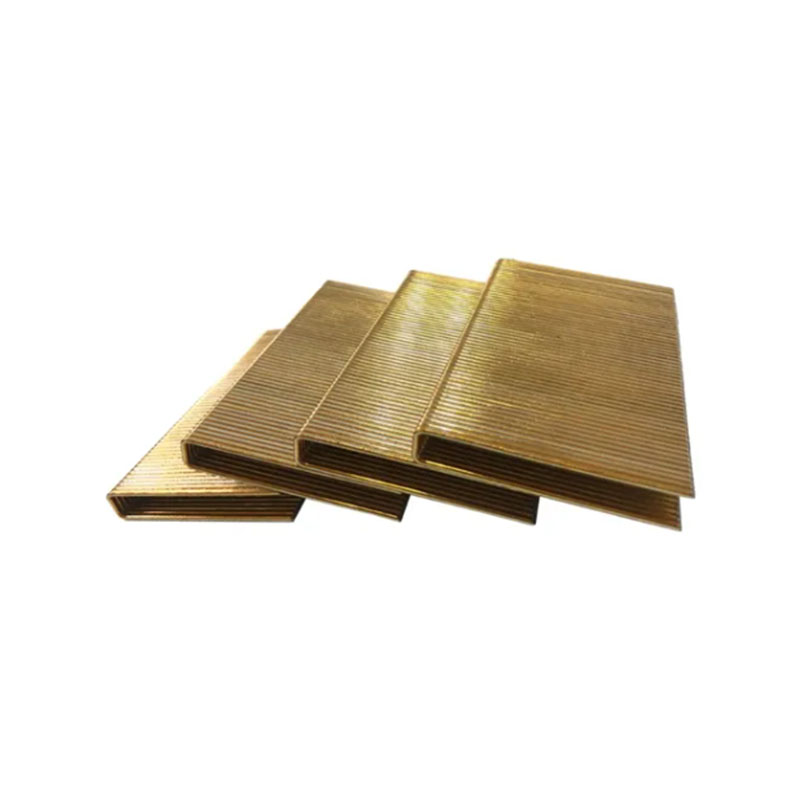
- Copper or copper-coated steel — Used specifically for staples for electrical wire and cable; copper is electrically conductive, non-corroding against copper wire, and will not cause galvanic corrosion at the contact point between staple and conductor.
- Monel or aluminum — Niche materials for highly specialized environments, including offshore and chemical plant installations.
The wire gauge (thickness) of a staple is not just a structural variable — it directly determines which staple gun or stapler can accept it. Matching gauge to tool is as important as matching leg length to material thickness.
What Is a Standard Staple Size?
The most common standard staple size in office use is the 26/6 — a designation that encodes both the wire gauge and the leg length. In this system, "26" refers to the wire gauge (26 SWG, approximately 0.45 mm in diameter) and "6" refers to the leg length in millimeters. When fully clinched through a typical paper stack, the 26/6 staple leaves a crown width of approximately 12.7 mm (½ inch).
Standard staple size in mm for the 26/6 is therefore: crown width 12.7 mm × leg length 6 mm × wire diameter ~0.45 mm. This is the format accepted by the vast majority of desktop staplers sold globally and is compatible with the largest number of staple brands on the market.
However, "standard" is not universal — different regions and tool manufacturers use different baseline sizes:
| Designation | Crown Width | Leg Length | Common Region / Use |
|---|---|---|---|
| 26/6 | 12.7 mm | 6 mm | Global standard, most desktop staplers |
| 24/6 | 12.7 mm | 6 mm | Europe, heavier wire gauge variant |
| 24/8 | 12.7 mm | 8 mm | Thicker paper stacks, booklets |
| No. 10 (mini) | ~9.5 mm | 5 mm | Mini staplers, thin-sheet applications |
The leg length is what determines stapling capacity. A 6 mm leg handles roughly 20–25 sheets of 80 g/m² paper; an 8 mm leg extends that to about 35–40 sheets. Using the wrong leg length either fails to clinch properly (too short) or produces a messy, protruding clinch (too long).
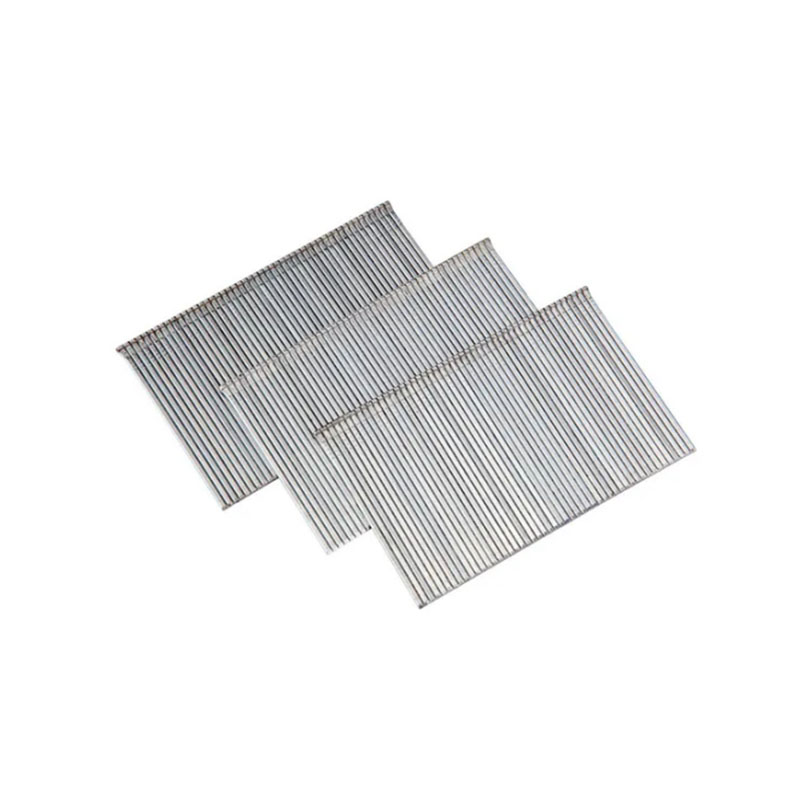
How Many Staples Are in a Single Strip?
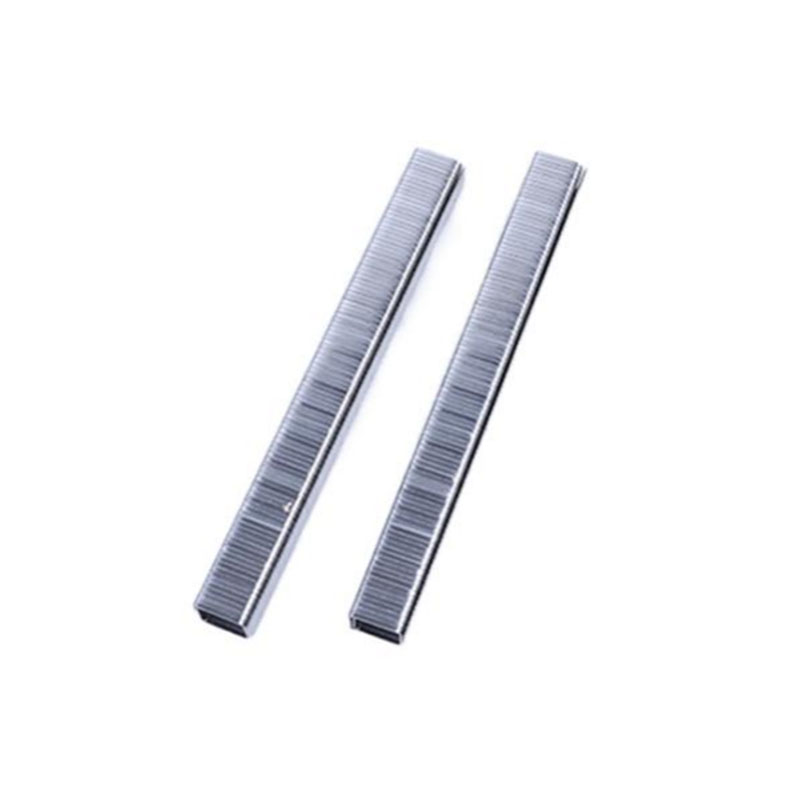
A standard strip of office staples contains 210 staples, bonded side-by-side with a light adhesive to form a flat strip that feeds through the stapler's magazine. This is the most widely adopted count and fits the full-size staplers that accept 26/6 and 24/6 formats.
Strip counts do vary by product type and manufacturer:
- 210 staples per strip — Standard for full-size desktop staplers; the most common format sold globally.
- 105 staples per strip — Half-strip format, used in compact or half-strip staplers where the magazine is shorter.
- 100 staples per strip — Common in electric staplers and some heavy-duty desktop models.
- Varies for staple guns — Construction-grade staple gun strips typically contain 100–300 staples depending on the staple type (T50, 80-series, etc.) and coil versus stick format.
Strips are packaged in boxes of 5,000 staples (approximately 24 strips of 210), or in larger bulk configurations for commercial and office supply use. Electric and high-volume staplers often accept cartridges or coils rather than individual strips.
Different Types of Staples: From Office to Construction
Beyond the office staple, there is a wide range of staple types differentiated by wire gauge, crown width, leg length, and intended application. Understanding the different types of staples matters because no single staple works across all staple guns, and using the wrong type can damage the tool, fail the joint, or create a safety hazard.
By Crown Width
- Narrow crown staples (~7–10 mm) — Used in finish carpentry, trim work, and upholstery where a low-profile fastener with minimal surface damage is required.
- Medium crown staples (~16–19 mm) — The workhorse of construction and general-purpose staple guns; used in sheathing, roofing underlayment, and general wood fastening.
- Wide crown staples (~38–50 mm) — Used where maximum bearing surface is needed: insulation fastening, house wrap, vapor barriers, and fencing.
By Application
- Paper/office staples — Fine-gauge, short-leg, designed to clinch cleanly through paper without tearing.
- Upholstery staples — Medium crown, longer legs, typically 10–16 mm leg length; driven into wood frames to secure fabric.
- Roofing staples — Wide crown, galvanized, with legs long enough to penetrate sheathing beneath felt or synthetic underlayment.
- Cable and wire staples — Specially designed to secure electrical cable and wire to walls, joists, or conduit without piercing the insulation.
- Fencing staples / barbed staples — Heavy-gauge U-nails with barbed shanks for securing wire mesh or fencing to posts.
Wire Staples for Staple Guns: Securing Electrical Cable Safely
Among the most application-specific staple types are those designed to secure electrical wiring — commonly called wire staples, cable staples, or insulated staples. These are available both as hand-driven U-nails and as staples fired from a staple gun for electrical wire installation, and the distinction in design versus a standard construction staple is deliberate and safety-critical.
Staples for Electrical Wire: Key Design Features
Standard staples for electrical wiring must not compress, pinch, or penetrate the cable's insulation jacket. Compromised insulation creates a fault path, a fire risk, and a code violation. For this reason, wire staples differ from general construction staples in several ways:
- Rounded or arched crown — The bridge of the staple is curved to cradle the cable without bearing down on it with a flat edge.
- Insulated or plastic-backed variants — Many staples for electrical wiring include a molded plastic saddle or insulating backing between the metal crown and the cable surface, providing mechanical protection and electrical isolation.
- Correct crown width for cable diameter — The crown must span the cable without gripping it tightly; electrical codes typically require that staples secure cable firmly but without deforming it.
- Material compatibility — For copper NM (non-metallic sheathed) cable, copper-plated or stainless steel staples are preferred to prevent galvanic interaction.
Using a Staple Gun for Electrical Wire
A dedicated staple gun for electrical wire — sometimes called a cable stapler or wire tacker — is designed specifically to drive insulated cable staples at a controlled depth. These tools differ from general-purpose staple guns in several respects:
- Depth control — The driver is engineered to seat the staple securely without over-driving, which would crush the cable. Many models have a built-in stop or adjustable drive depth.
- Cable guide channel — Many cable staple guns have a channel or throat that aligns the cable automatically as the staple is fired, ensuring consistent centering under the staple crown.
- Dedicated staple compatibility — These tools are designed around specific insulated staple sizes matched to common cable diameters (typically for 14/2, 12/2, 14/3, or 12/3 NM cable in residential wiring).
In residential construction, the NEC (National Electrical Code) in the US requires that NM cable be secured within 12 inches of every box and at intervals not exceeding 4.5 feet. Using the correct staples for electrical wiring and the appropriate installation tool is not just a matter of workmanship — it is a code compliance and fire safety requirement.
For low-voltage wiring (data cable, telephone, speaker wire), plastic cable staples or P-clips are often used in place of metal staples, as metal staples driven too close to data conductors can cause signal interference, particularly in Cat5e/Cat6 ethernet installations.
Choosing the Right Staple: A Practical Size Reference
With so many staple types and sizes available, the most reliable approach is to identify the tool first, then match the staple to it — since staple guns and staplers are designed around specific staple series. For new installations where both the tool and staple are being selected together, the following principles apply:
- For paper fastening — 26/6 is the standard staple size; use 26/8 or 24/8 for thicker stacks above 30 sheets.
- For light upholstery and fabric — A narrow-crown staple gun loaded with 1/4" to 3/8" (6–10 mm) leg staples provides secure hold without tearing material.
- For wood sheathing and roofing — Medium-crown 16-gauge staples with 1" (25 mm) or longer legs; galvanized for any exterior or moisture-exposed application.
- For electrical cable (NM wire) — Insulated cable staples matched to cable diameter; crown width should allow the cable to sit without compression. Most residential 14/2 NM cable uses a staple with approximately 9/16" (14 mm) internal crown opening.
- For heavy timber or fencing — Heavy-gauge U-staples (fence staples) with 1–1.5" legs; galvanized or stainless for outdoor use.
The underlying logic across all these applications is consistent: match the staple material to the environment, match the crown width to the item being secured, and match the leg length to the substrate depth. Getting any one of these three wrong is the most common source of staple failures in both office and construction settings.