English
 русский
 Español

Content
What Are Thin Line Staples?
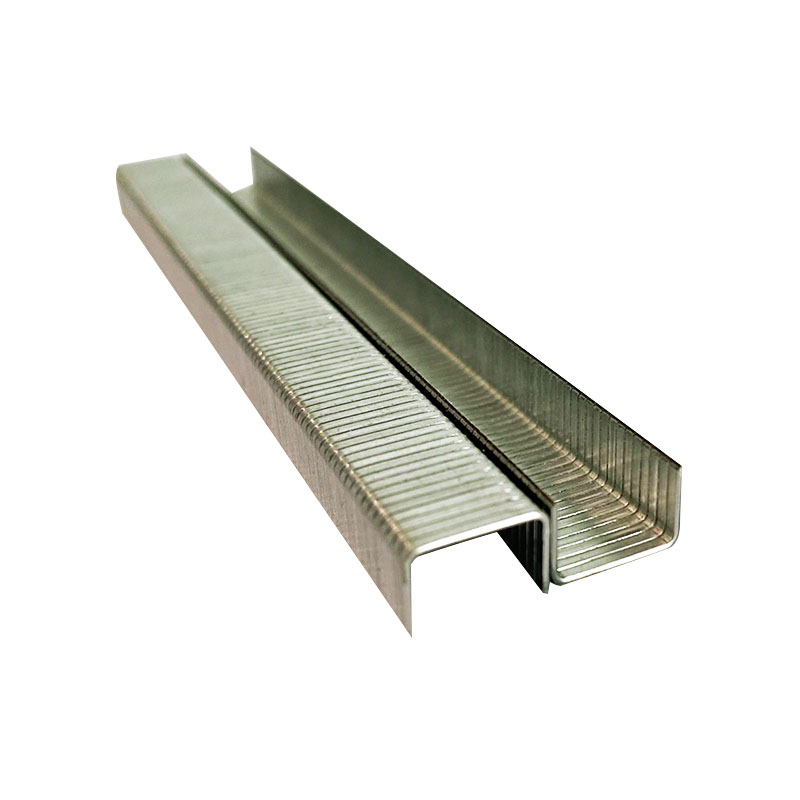
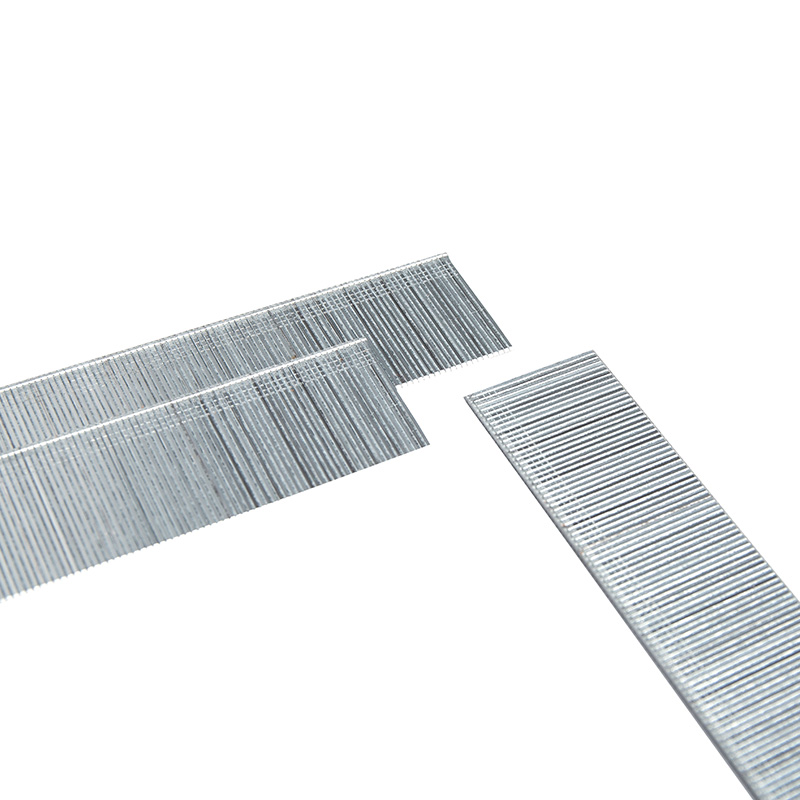
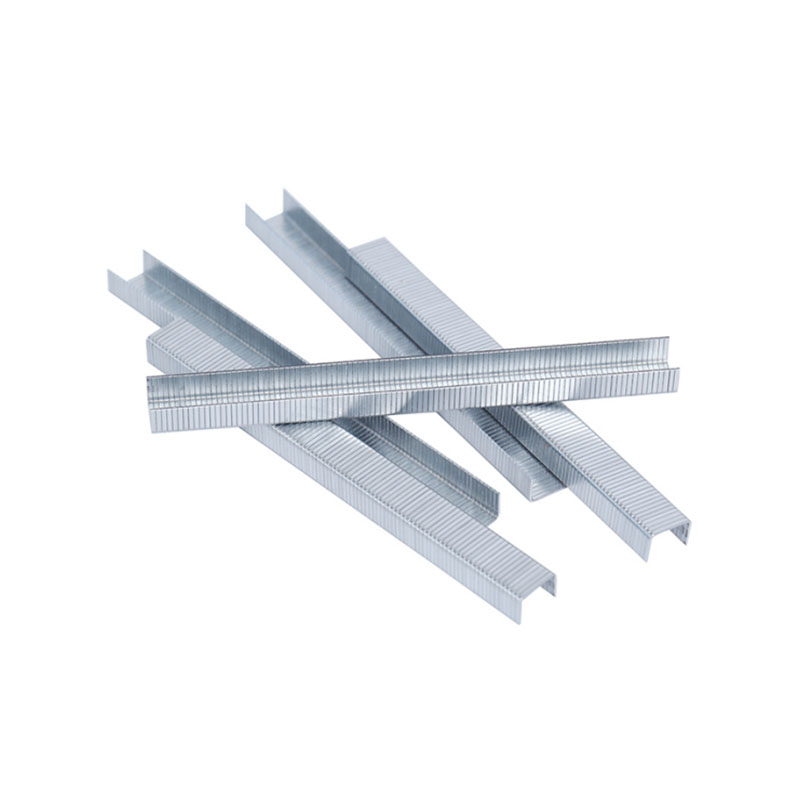
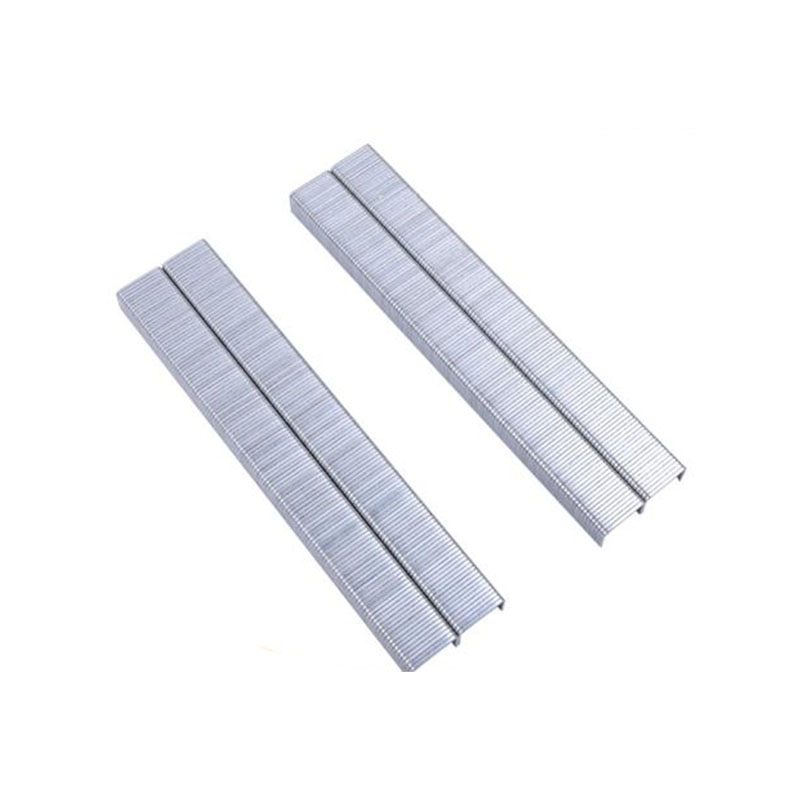
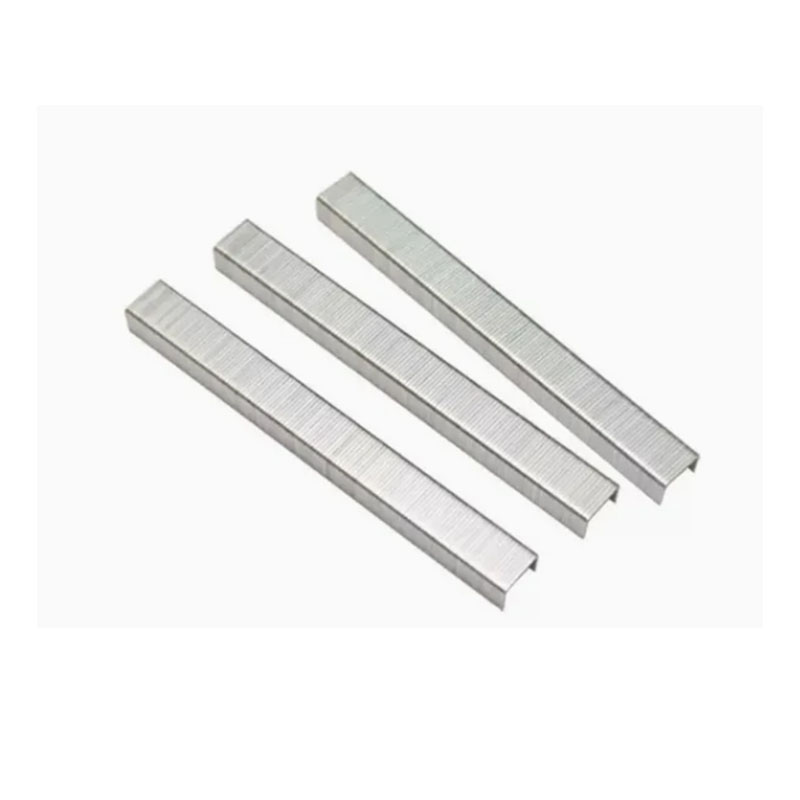
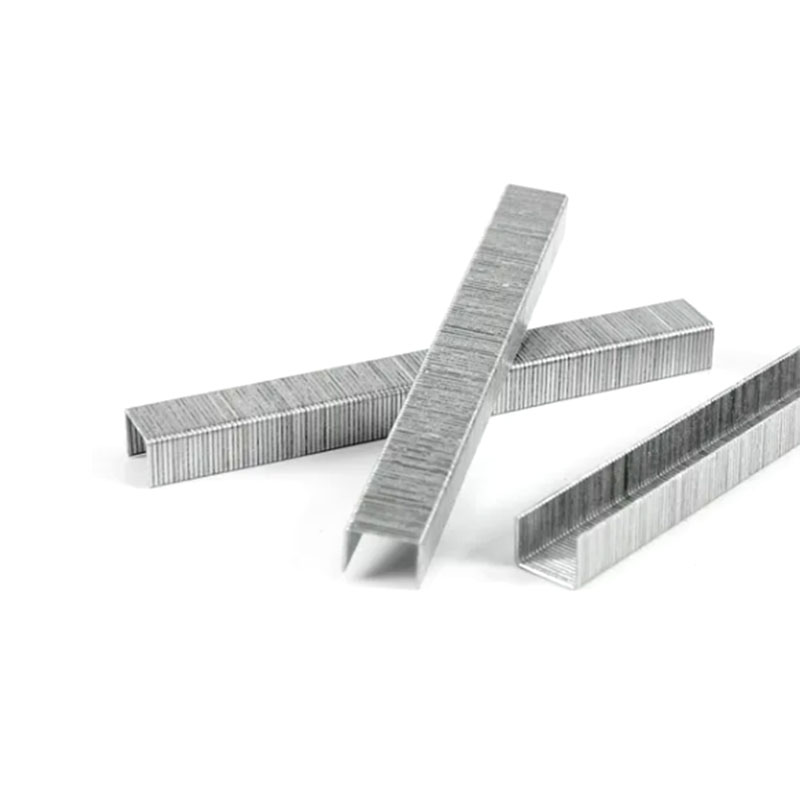
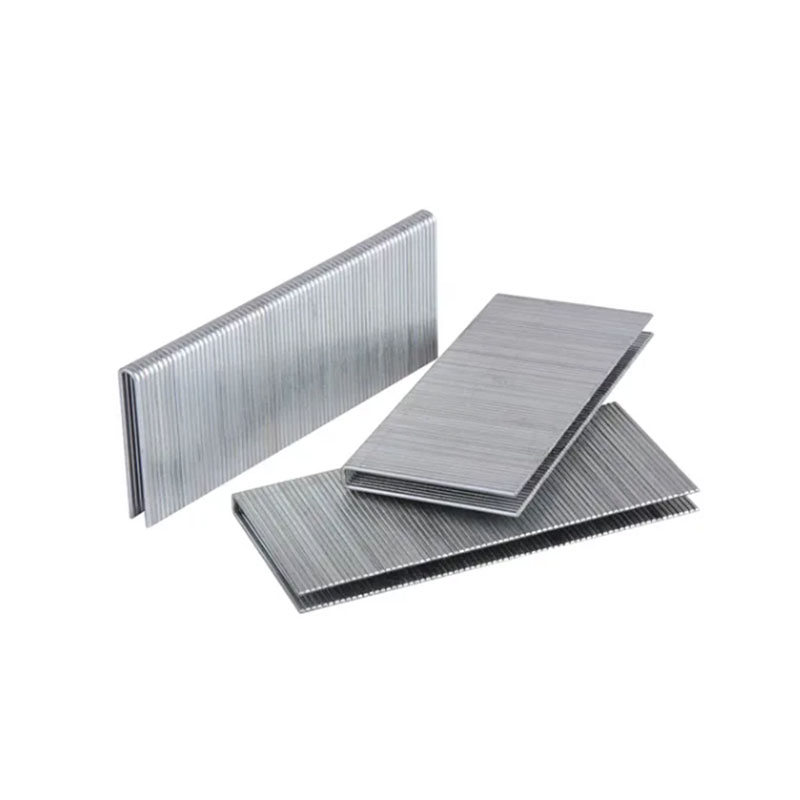
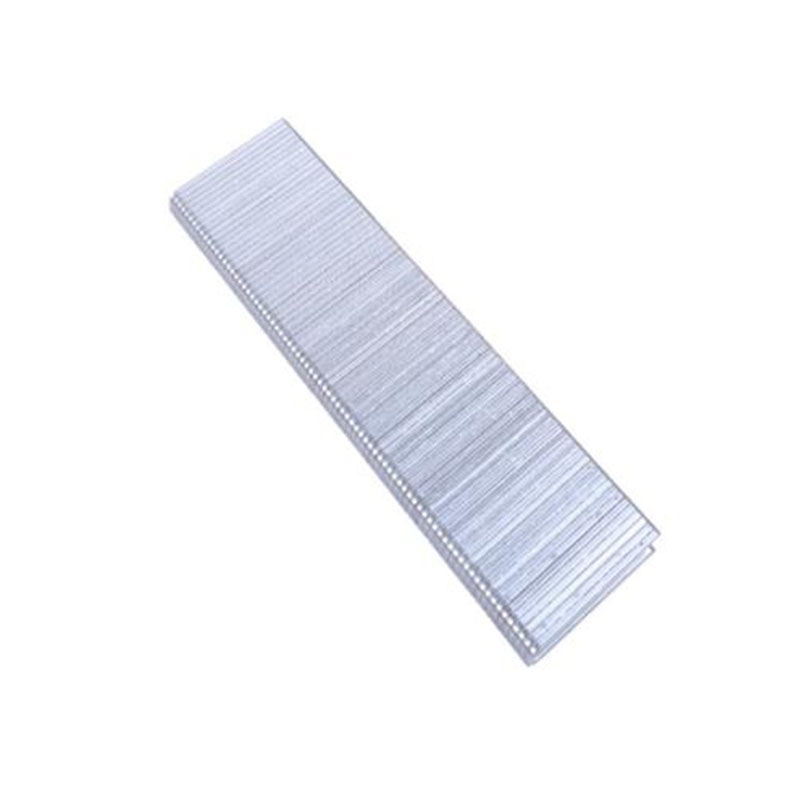
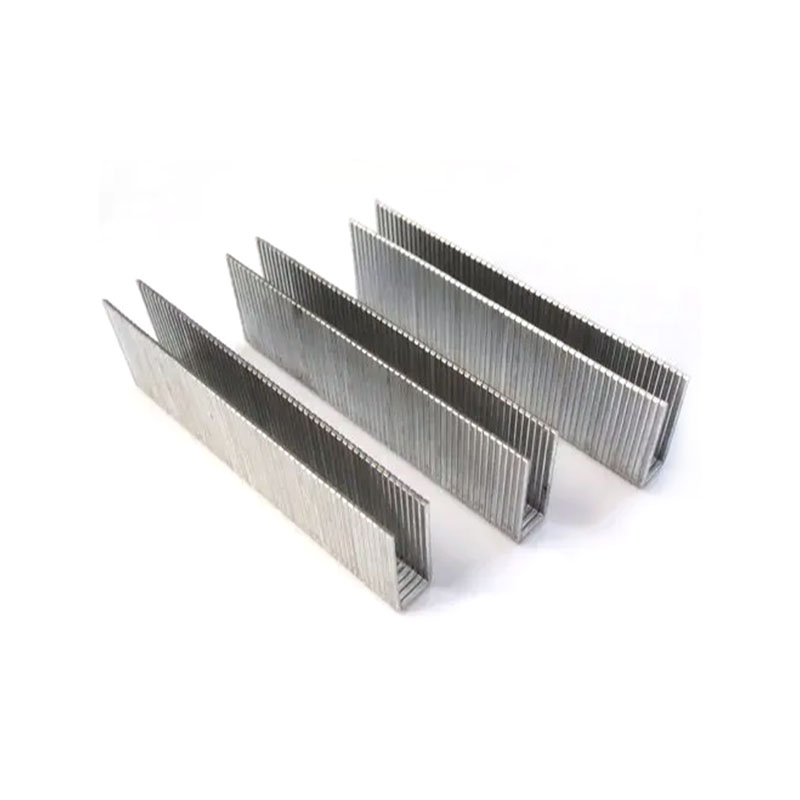
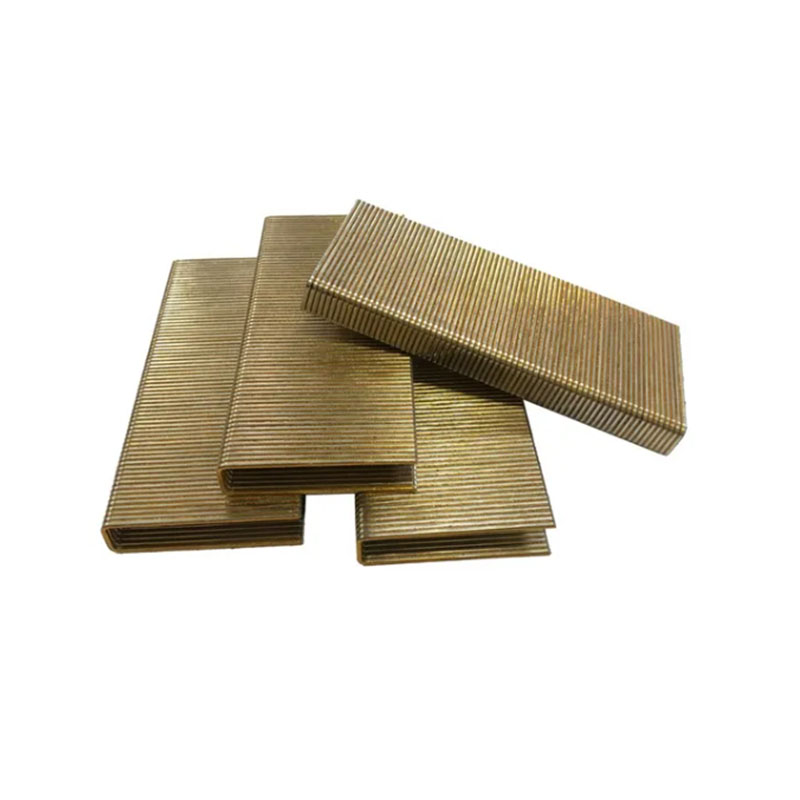
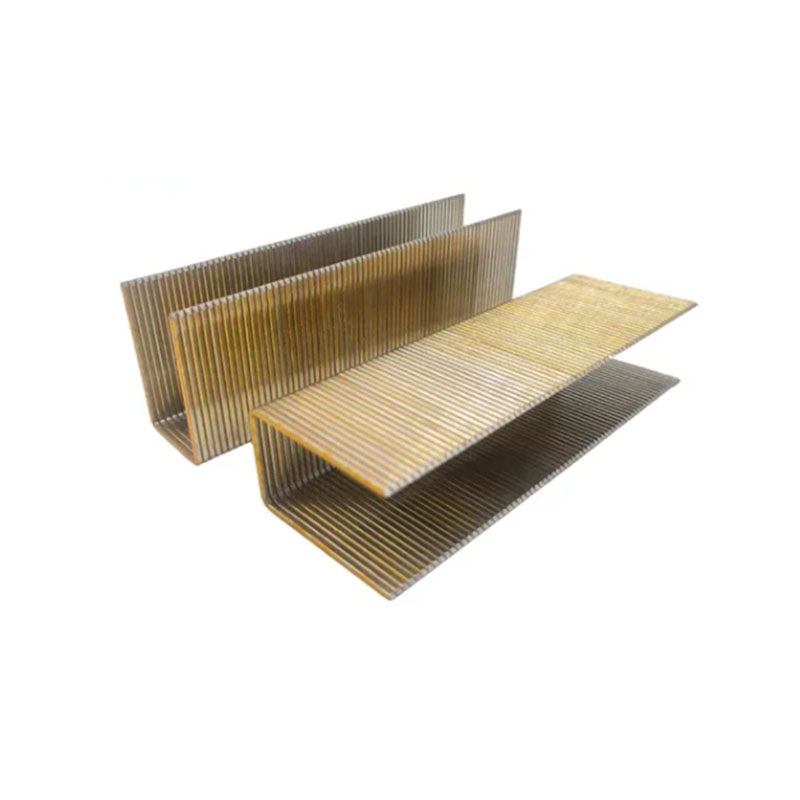
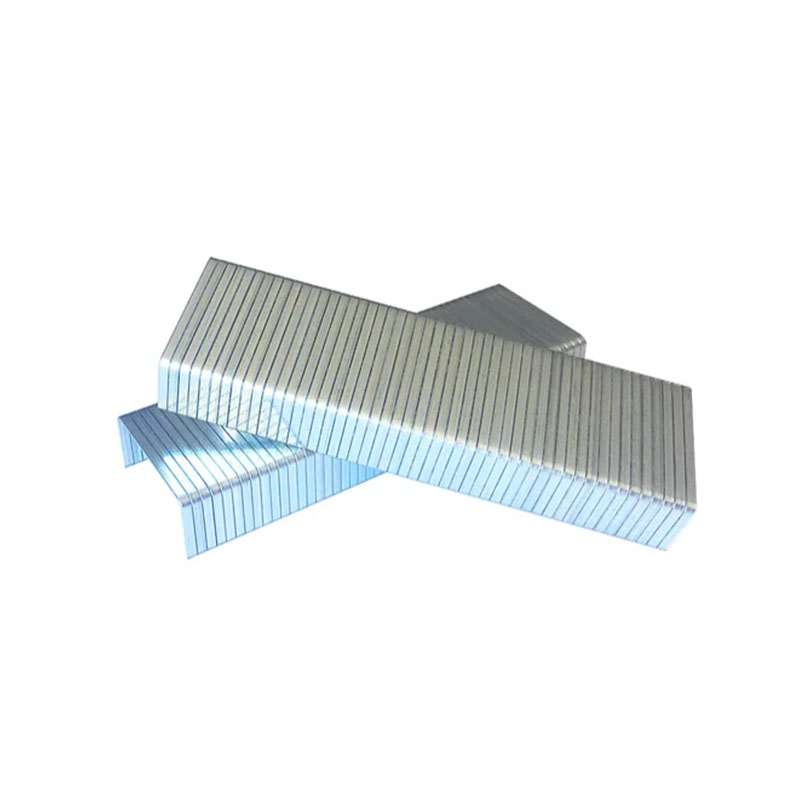
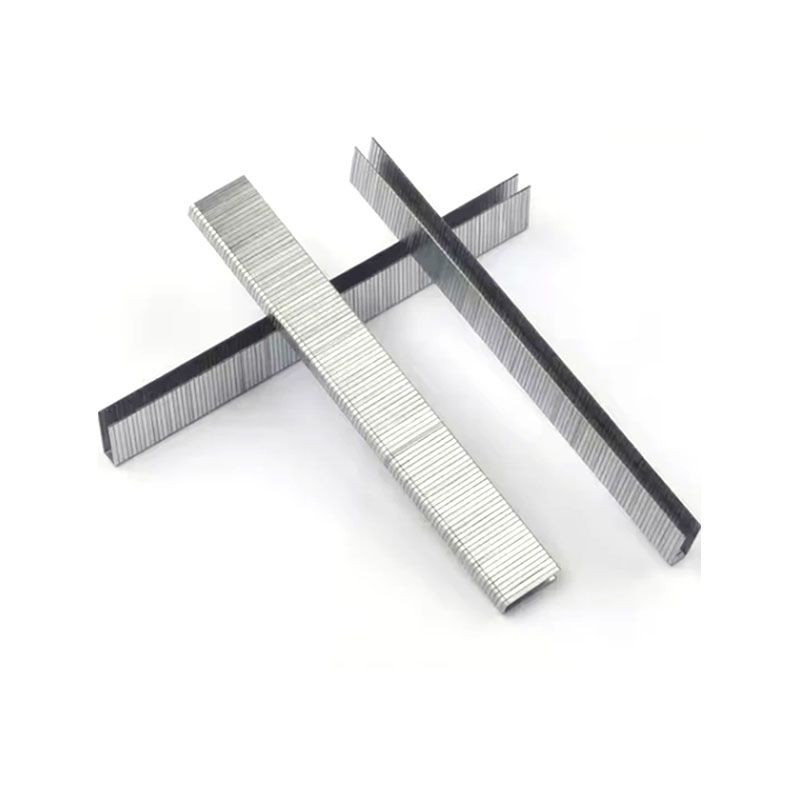
Thin line staples are a specialized category of fasteners engineered for precision, discretion, and minimal material disruption. Unlike standard office staples, they are defined by a narrower crown width and finer wire gauge, allowing them to penetrate and secure materials without causing splitting, tearing, or visible surface damage. Their reduced profile makes them the preferred choice in any application where the finish matters as much as the function.
The term "thin line" refers broadly to staples manufactured from fine-gauge wire — typically gauge 20 to 22 in the American Wire Gauge (AWG) system. As a general rule, the higher the gauge number, the thinner the wire. This fine wire construction is what sets thin line staples apart from medium wire (gauge 18–19) and heavy wire (gauge 10–16) variants, each of which serves a different class of application.
Beyond their slimmer profile, thin line staples are precisely formed to ensure consistent leg penetration and secure clinching. The result is a fastener that holds firmly while remaining nearly invisible on the surface — an unsung hero in fields ranging from document binding and light crafts to upholstery and delicate woodwork.
Key Applications Across Industries
Thin line staples are valued across a surprisingly wide range of professional and consumer settings. Their ability to fasten without bulk or damage makes them indispensable wherever material integrity and clean aesthetics are priorities.
Upholstery and Fabric Work
Fine wire thin line staples are the standard choice for upholstery tasks. They attach fabrics, vinyl, foam, and breathable membranes to wood or plastic frames with minimal intrusion, keeping the focus on the finished textile surface. Because the staple head sits flush and small, it does not create unsightly bumps or pull through delicate weaves.
Document Binding and Office Use
In office environments, thin line staples secure paper cleanly without adding unnecessary bulk to the document edge. They are especially practical for booklets, brochures, and multi-page reports where a tidy, professional appearance is expected. The slim profile also reduces the risk of paper tearing around the staple point.
Crafts and DIY Projects
For light-duty crafting — attaching cardboard, thin wood veneers, or fabric panels — thin line staples offer the control and discretion that heavier staples cannot. Their fine gauge allows them to work in tight spaces and on fragile surfaces where a standard staple would cause cracking or splintering.
Furniture Manufacturing
The 71 Series thin line wire staple is widely used in furniture production to fasten seat cushions, back panels, and decorative coverings. The narrow crown leaves minimal marks on finished wood surfaces, preserving the quality of the final product during both assembly and reupholstering.
How to Choose the Right Thin Line Staple
Selecting the correct thin line staple requires attention to four key specifications: crown width, leg length, wire gauge, and material coating. Using the wrong variant can result in jamming, insufficient hold, or surface damage — outcomes that are easily avoided with the right knowledge.
| Specification | What It Affects | Guidance |
|---|---|---|
| Crown Width | Surface visibility and hold area | Narrower crown = less visible; choose based on material delicacy |
| Leg Length | Penetration depth and holding strength | For thin materials, add 4mm to material thickness; for hardwood, double it |
| Wire Gauge | Wire thickness and strength | Gauge 20–22 for fabric, vinyl, and paper; higher gauge = finer wire |
| Coating / Material | Corrosion resistance | Galvanized for general use; stainless steel 304/316 for outdoor or coastal environments |
It is equally important to match the staple to a compatible stapler. Certain staplers are designed specifically for fine wire thin line staples and deliver the precision and consistent drive force required. Using a thin line staple in a heavy-duty stapler — or vice versa — often leads to misfires or tool damage.
Material and Finish Options
Thin line staples are available in several materials and surface finishes, each suited to different environmental conditions:
- Bright finish (uncoated): No protective coating; suitable for dry indoor applications only.
- Galvanized: Zinc-coated for moderate corrosion resistance; the most widely used option for general indoor and light outdoor use.
- Stainless steel 304: Excellent rust resistance; recommended for continuous outdoor exposure.
- Stainless steel 316: Maximum corrosion protection; the right choice for marine or coastal environments where saltwater contact is a concern.
- Resin-coated: Used in applications requiring electrical insulation, such as high-frequency or electronic component assembly.
- Aluminum: Lightweight and saw-blade-friendly; a good choice for woodworking where fasteners may be cut through later.
Choosing the correct finish is not just about longevity — it also affects compatibility with the materials being fastened. For example, using a bright-finish staple on exterior upholstery will lead to rust stains on the fabric over time, while a galvanized or stainless option would remain clean and secure for years.
Thin Line vs. Standard Staples: When the Difference Matters
For many everyday fastening tasks, a standard staple is perfectly adequate. But in situations where material preservation, aesthetics, or tight tolerances are priorities, thin line staples offer clear advantages that standard options simply cannot match:
- Reduced surface damage: The finer wire is less likely to split thin wood veneers, tear paper, or distort fabric weaves upon entry.
- Greater discretion: The smaller crown and leg profile means the staple sits closer to the material surface and is far less visible in the finished product.
- Better performance in tight spaces: The slim profile allows maneuvering in corners, narrow frames, and confined assembly areas where a bulkier staple would not fit cleanly.
- Lower resistance on insertion: Fine wire meets less material resistance during driving, reducing the risk of the staple deflecting or bending mid-penetration.
For projects where the final appearance is part of the deliverable — from custom furniture to professional print binding — the investment in the correct thin line staple pays off immediately in the quality of the finished result.