English
 русский
 Español

Content
What Are Fine Wire Staples?
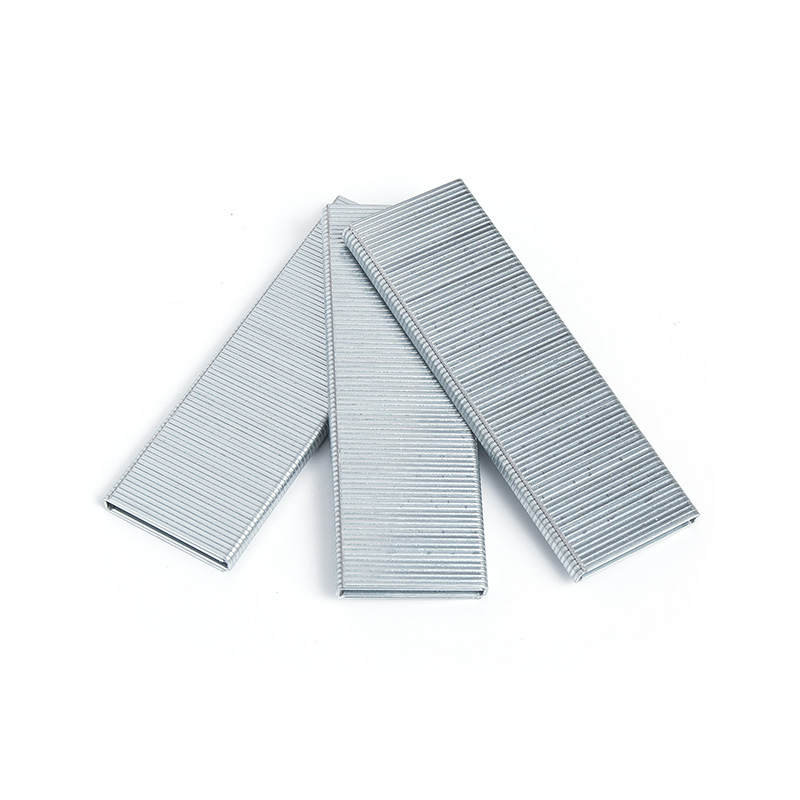
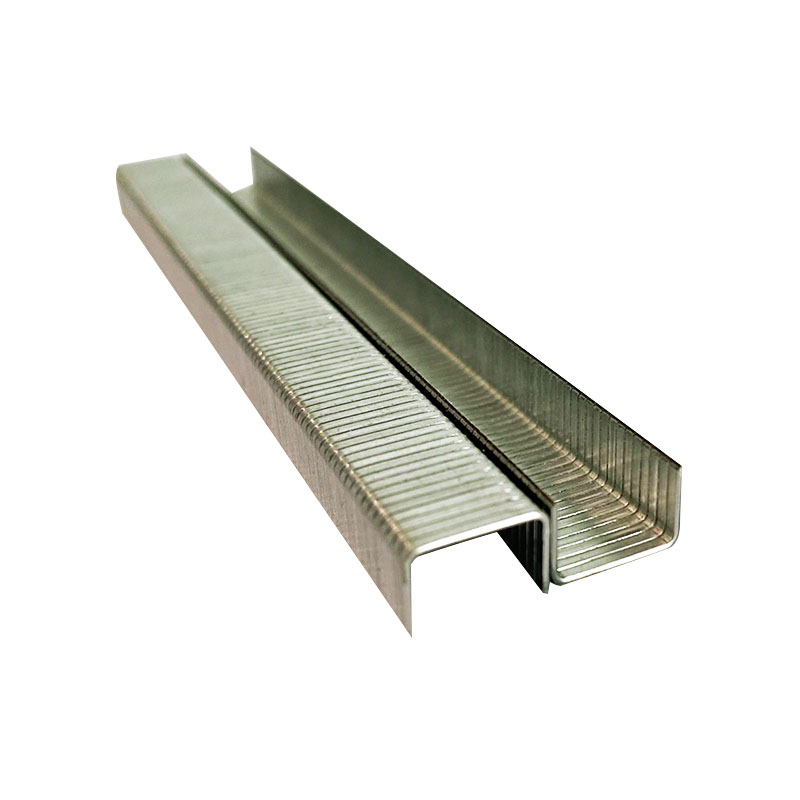
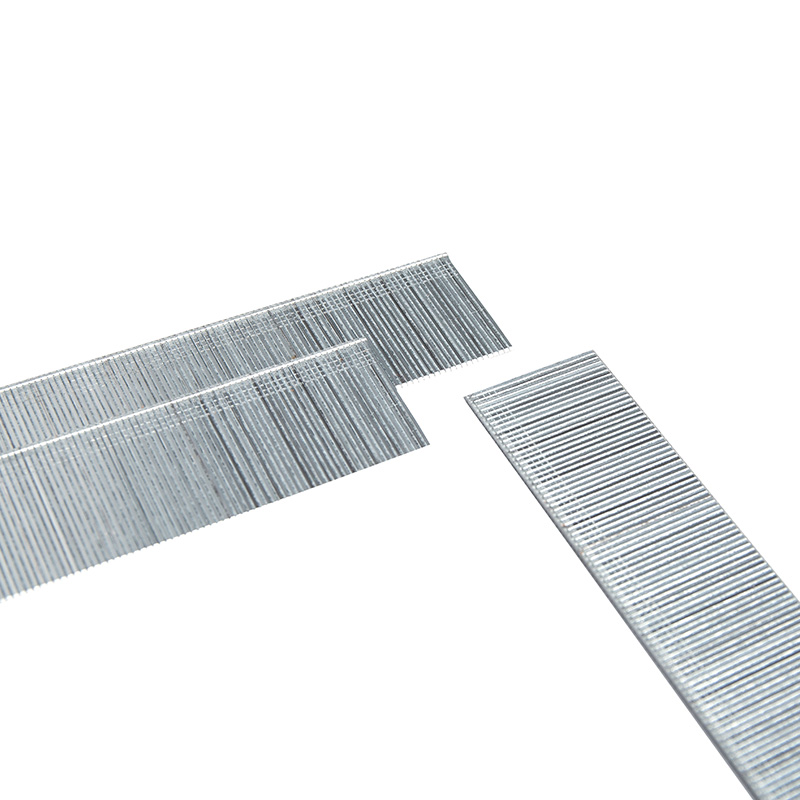
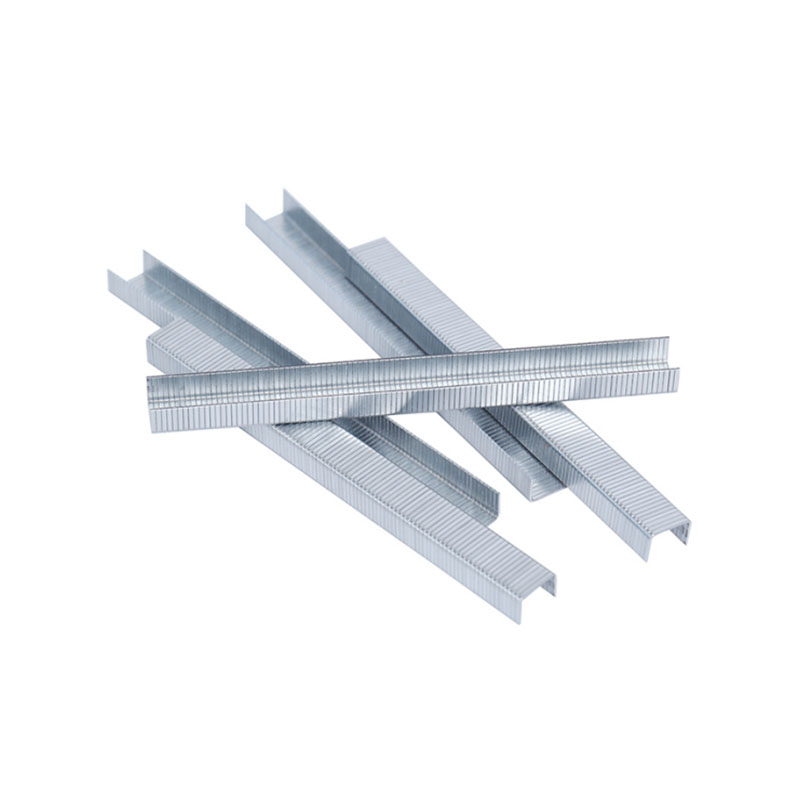
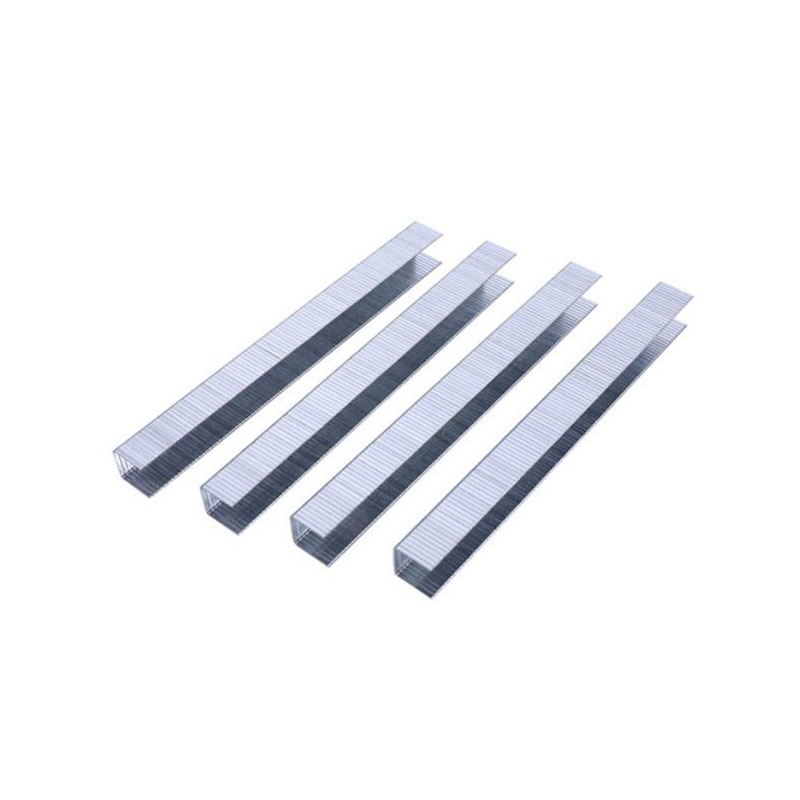
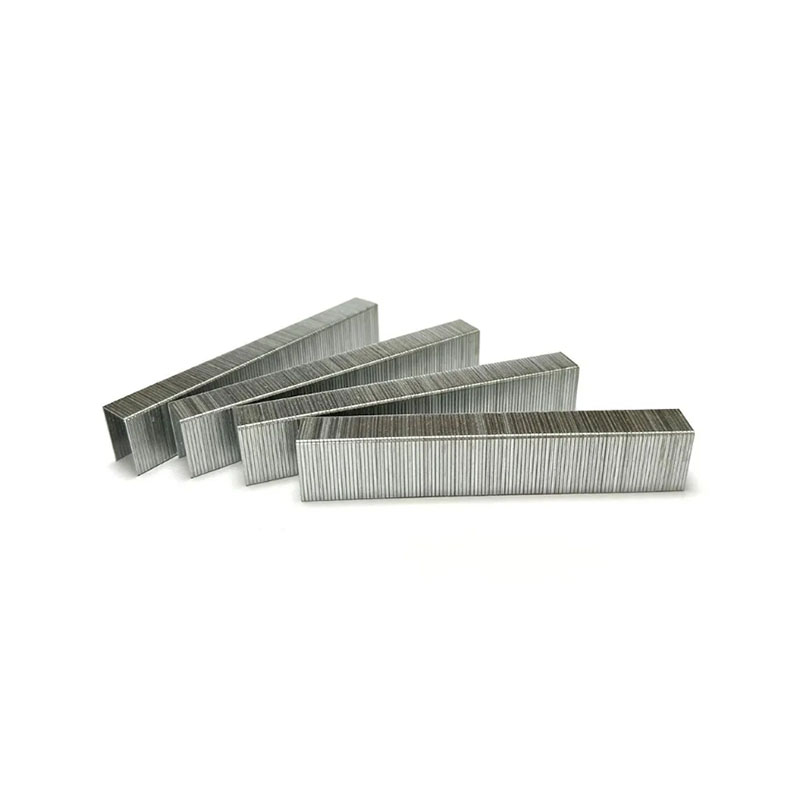
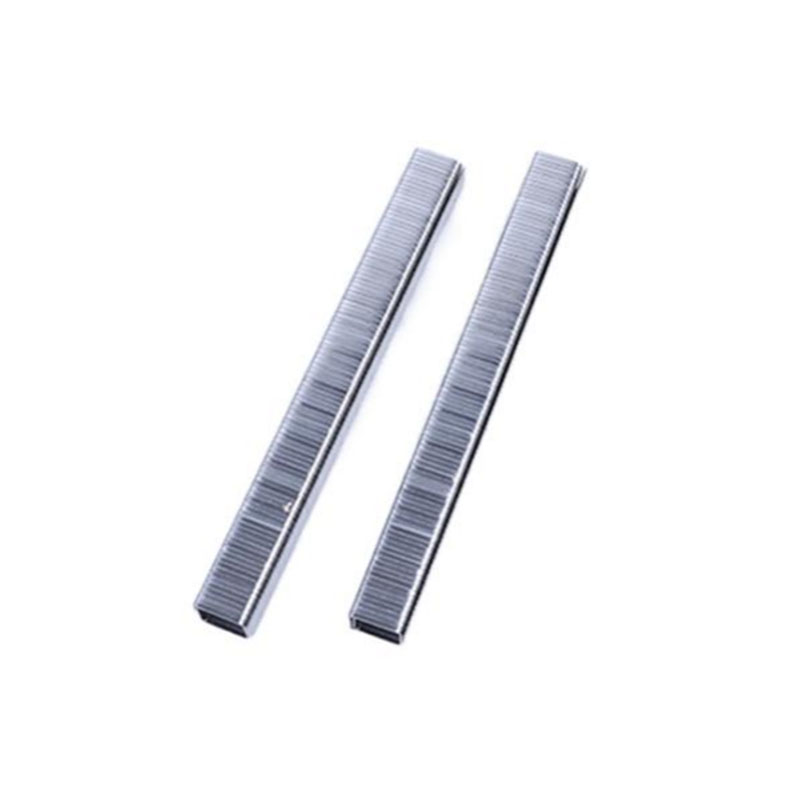
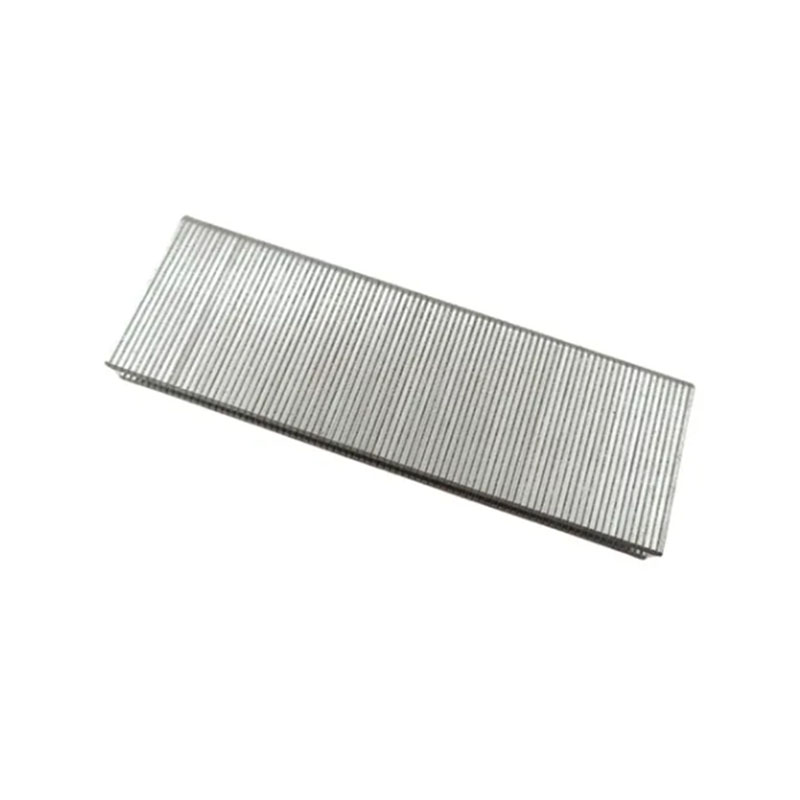
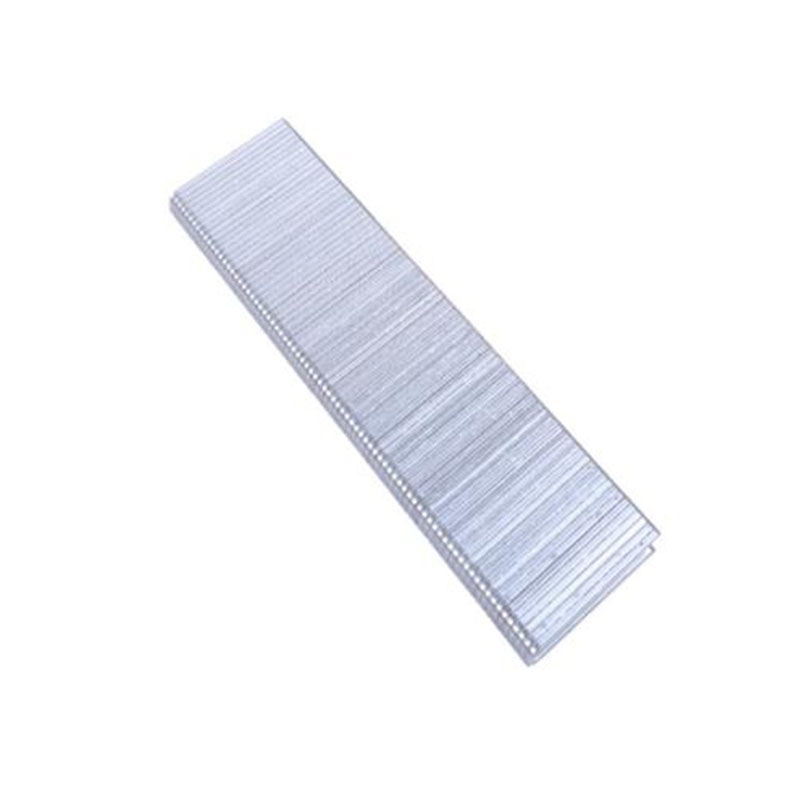
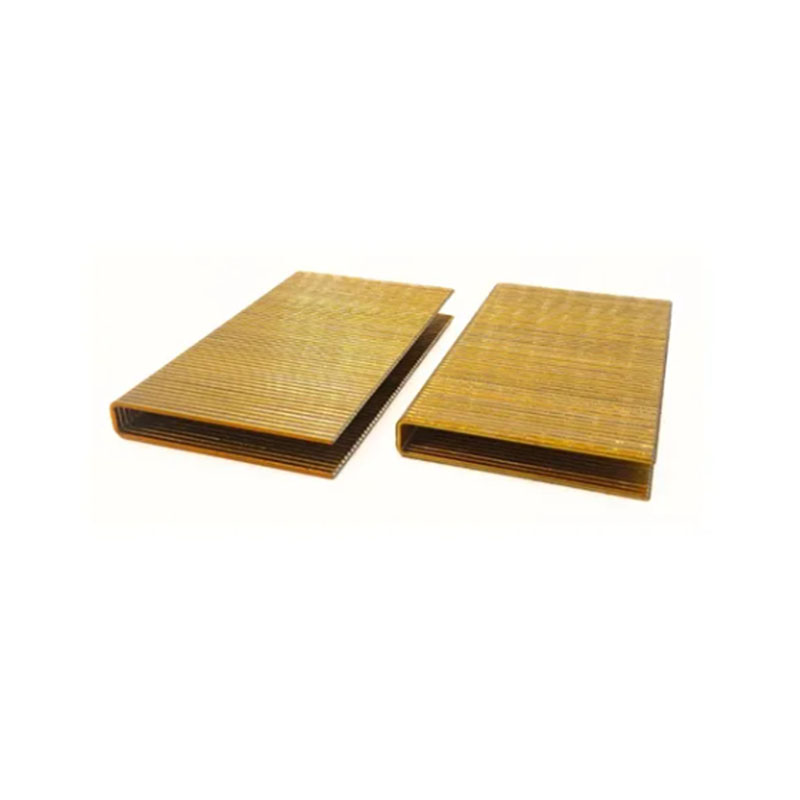
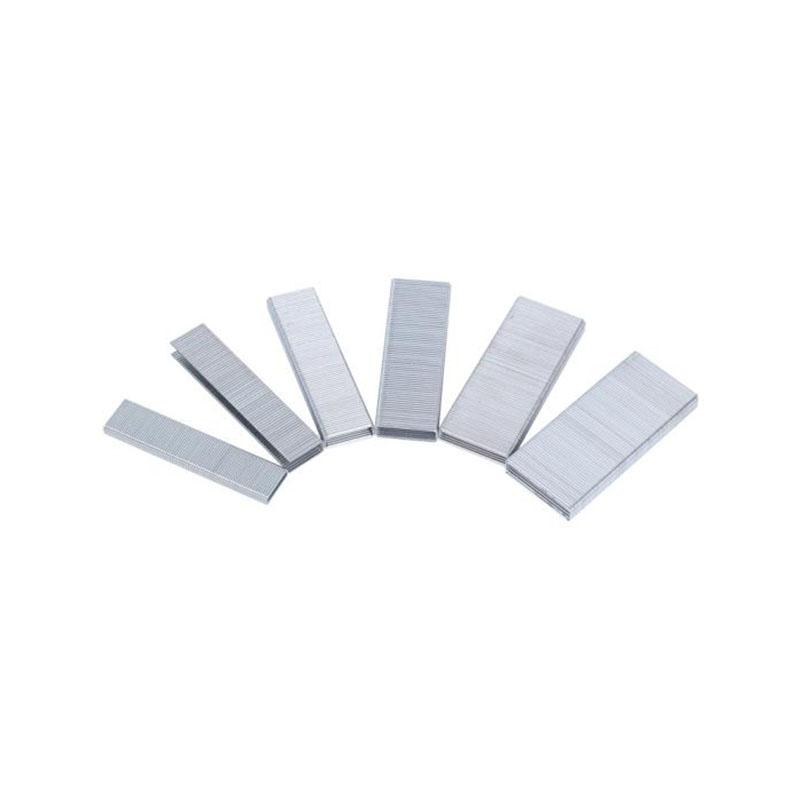
Fine wire staples are narrow-gauge fasteners with a thin wire diameter — typically 20 to 23 gauge — designed to secure materials without splitting delicate substrates or leaving large, visible puncture marks. Unlike standard construction staples or heavy-wire variants, fine wire staples drive flush with minimal surface disturbance, making them the preferred choice for finish carpentry, upholstery, lightweight packaging, floral work, and anywhere the fastener hole must be inconspicuous or the material is too fragile for a heavier gauge.
The defining characteristic is wire cross-section: fine wire staples are drawn from thinner wire stock, which reduces the crown and leg diameter while retaining a consistent U-shape geometry. This smaller profile lowers the splitting force on the entry point — a critical advantage when fastening hardwoods near edges, thin veneers, foam-backed fabrics, or corrugated board where a heavy-gauge staple would tear through rather than grip.
Fine Wire Staple Sizes and Gauges: Full Reference
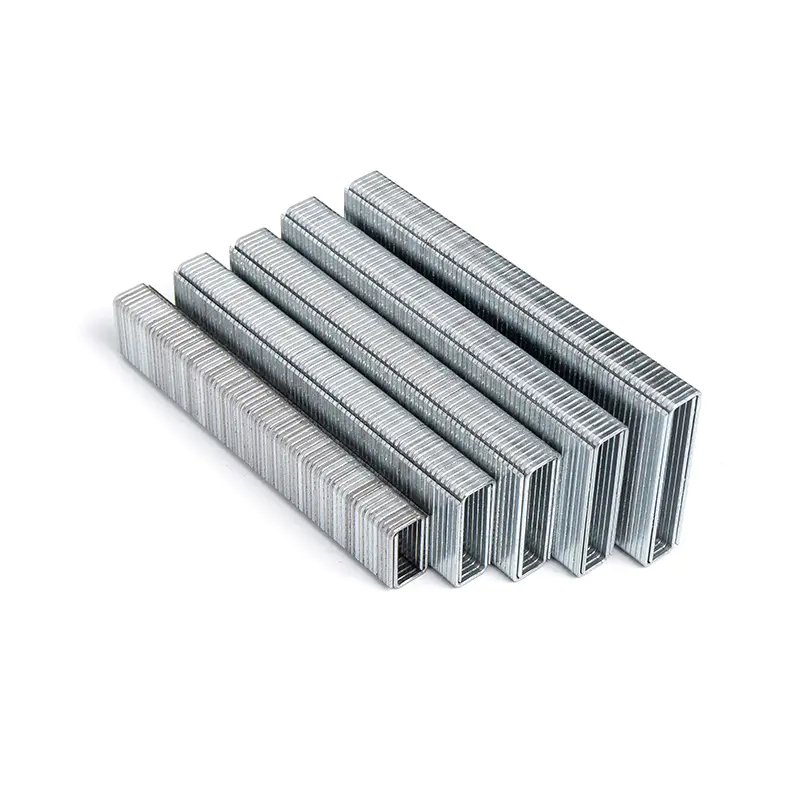
Fine wire staples are specified by three dimensions: gauge (wire diameter), crown width, and leg length. Gauge is the most important variable because it determines holding strength, penetration resistance, and the size of the hole left in the workpiece. The table below covers the most common fine wire staple series used in professional and industrial settings.
| Series / Type | Wire Gauge | Crown Width | Leg Length Range | Common Applications |
|---|---|---|---|---|
| 71 Series (Fine Crown) | 20 ga | 3/8" (9.5 mm) | 3/8" – 1-1/2" | Upholstery, cabinetry, lightweight trim |
| 80 Series (Fine Crown) | 20 ga | ½" (12.7 mm) | 3/8" – 2" | Furniture frames, fabric attachment |
| 22 Gauge Narrow Crown | 22 ga | ¼" (6.4 mm) | ¼" – 1" | Floral work, hobby crafts, thin sheet goods |
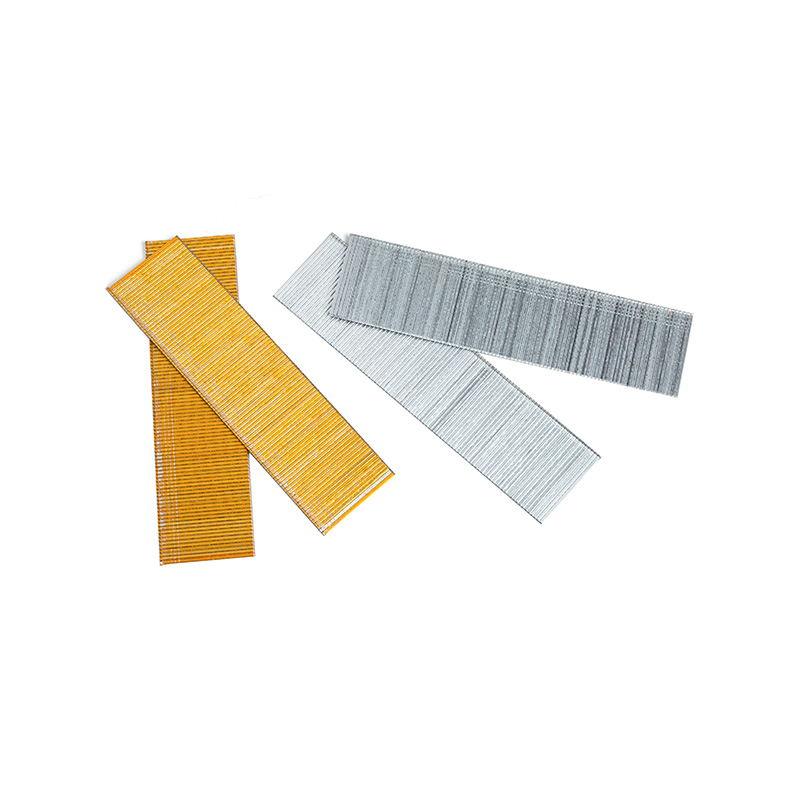
| 23 Gauge Headless Pin | 23 ga | N/A (pin style) | ½" – 2" | Fine trim, face frames, delicate mouldings |
| T50 Fine Wire | Fine / 20 ga | ½" (12.7 mm) | ¼" – 9/16" | Insulation, screen, house wrap, packaging |
Leg length selection follows a straightforward rule: the leg should penetrate at least twice its own length into the substrate beyond the material being fastened. Fastening ¼" fabric to a wood frame, for instance, calls for a minimum ¾" leg — ¼" through the fabric plus ½" into the frame. Shorter legs pull through under tension; longer legs risk blowing out the opposite face on thin stock.
Fine Wire vs. Heavy Wire Staples: When the Difference Matters
The choice between fine and heavy wire is not simply about holding strength — it is about matching the fastener's mechanical footprint to the material's tolerance for deformation. Heavy-wire staples (16–18 gauge) deliver higher shear and pull-out resistance and are appropriate for structural sheathing, roofing underlayment, and fencing. Fine-wire staples sacrifice some raw holding strength in exchange for three practical advantages:
- Reduced splitting risk — the smaller wire diameter displaces less material on entry, allowing safe fastening within ¼" of an edge where a heavy staple would crack the workpiece.
- Smaller hole footprint — fine wire punctures are easier to fill, hide under fabric, or leave exposed in finished work without marring appearance.
- Lower compression force on soft materials — upholstery foam, floral foam, and thin veneers compress or tear under the crown pressure of a heavy-gauge fastener; fine wire distributes the same clamping load over a proportionally smaller area without crushing the substrate.
In practice, the crossover point is around 18 gauge. Below that threshold, a staple is generally classified as fine wire and suited for finish and light-duty applications. Above it, holding strength becomes the priority and substrate preservation takes a back seat.
Material and Coating Options
Fine wire staples are manufactured from several base materials, each suited to different environmental and application requirements. Choosing the wrong material leads to corrosion staining on finished surfaces, galvanic incompatibility with treated lumber, or insufficient hardness for driving into dense substrates.
- Galvanized steel — the most common option for general use. Zinc coating resists light moisture exposure and is suitable for interior upholstery, packaging, and most woodworking applications. Not adequate for permanent exterior or marine exposure.
- Stainless steel (304 or 316 grade) — necessary for outdoor furniture, boat interiors, and any application involving ACQ or CA pressure-treated lumber, which rapidly corrodes standard galvanized fasteners. Grade 316 provides superior chloride resistance for coastal and marine environments.
- Monel (nickel-copper alloy) — used in specialized marine and chemical environments where even stainless is insufficient. Significantly more expensive but resistant to a broader range of corrosive media.
- Copper — preferred in roofing and flashing applications where copper sheet is involved, eliminating galvanic corrosion between dissimilar metals. Also used in fine instrument and furniture work for its appearance.
- Divergent (divergent-point) hardened steel — a leg geometry rather than a material, where the points splay outward on penetration to create a mechanical lock. Used in high-vibration applications and upholstery where pull-out resistance is critical.
Top Applications for Fine Wire Staples
Fine wire staples appear across a wider range of industries than most buyers initially expect. Their combination of minimal entry damage and reliable clamping makes them functional in fields as different as upholstery and electronics manufacturing.
Upholstery and Furniture
Fine wire staples are the primary fastener in commercial upholstery. A 20-gauge, 71-series staple in ½" or ⅝" leg length secures fabric, webbing, and dust covers to hardwood or engineered-wood frames without telegraphing through the face fabric or cracking rail edges. High-production upholstery shops use pneumatic fine-wire staplers that cycle at over 20 fasteners per second, making staple gauge and consistency critical to avoiding misfires and material damage at production rates.
Finish Carpentry and Cabinetry
In cabinet assembly, fine wire staples are used to tack back panels, attach drawer bottoms, and hold face-frame joints during glue cure. The small hole left by a 20–22 gauge staple accepts wood filler cleanly and disappears under stain or paint, unlike the oblong hole a brad nailer leaves. For painted cabinetry in particular, the near-invisible entry point of a fine wire staple reduces prep time significantly.
Packaging and Corrugated Box Manufacturing
Corrugated and solid-fibreboard packaging uses fine wire staples — often called box stitching wire — to close carton seams and attach handles or reinforcement strips. The narrow gauge prevents tearing through the fluting layer while maintaining a secure closure. High-speed carton-stitching machines use fine wire in coil or spool form, forming the staple shape in-line during the fastening cycle.
Floral and Craft Work
Florists and craft manufacturers use 22–23 gauge staples to attach ribbon, foil, moss, and decorative elements to foam, balsa, and lightweight board without crushing the substrate. The minimal crown of a narrow fine wire staple is often small enough to hide beneath overlapping material without additional concealment steps.
How to Select the Right Fine Wire Staple for Your Application
Narrowing down the correct fine wire staple requires answering four questions in order:
- What is the substrate hardness? Soft substrates (foam, balsa, floral foam, thin corrugated) require the lightest gauge available — 22 or 23 ga — to avoid compression damage. Dense hardwoods and engineered lumber accept 20 ga without issue.
- What is the required holding strength? Higher pull-out loads demand longer leg lengths and slightly heavier gauge. If a fine wire staple cannot meet the holding requirement, consider adding adhesive rather than stepping up to a heavy-wire fastener that may split the material.
- What crown width does the application require? Wide crowns distribute clamping load across a larger surface area — useful for fabric and screen attachment. Narrow crowns concentrate hold on a small footprint — useful for trim and edge-fastening where a wide crown would be visible or interfere with adjacent components.
- What is the environmental exposure? Confirm corrosion compatibility before specifying material. Standard galvanized is sufficient for dry interior use; stainless or copper is mandatory for exterior, marine, and treated-lumber applications.
Staple compatibility with your tool is also non-negotiable. Crown width, leg length range, and wire gauge must all match the tool's specification exactly. Even small dimensional mismatches — a crown 1 mm narrower than the tool's channel — cause misfires, jams, and inconsistent drive depth that ruins finished surfaces and slows production.