English
 русский
 Español

Content
- 1 Understanding the Core Technology
- 2 High-Search Long-Tail Keywords in Context
- 3 Comparative Analysis: Thin Line vs. Standard Industrial Staples
- 4 Engineering Considerations for Selection and Integration
- 5 Application-Specific Insights
- 6 Quality Assurance and Procurement Standards
- 7 Frequently Asked Questions (FAQ)
- 8 References
In industrial fastening applications, the balance between holding strength and material integrity often determines product quality. Thin Line Staples have emerged as a specialized solution for applications where standard staples cause material splitting or surface damage. This article provides a technical examination of their design, selection criteria, and application considerations for engineers, procurement specialists, and wholesale buyers.
Understanding the Core Technology
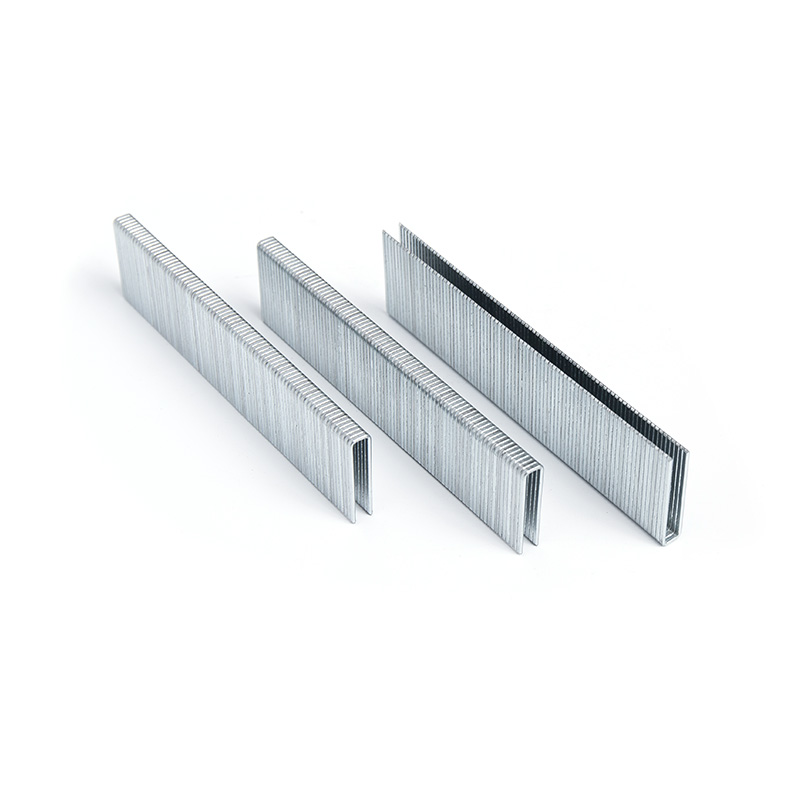
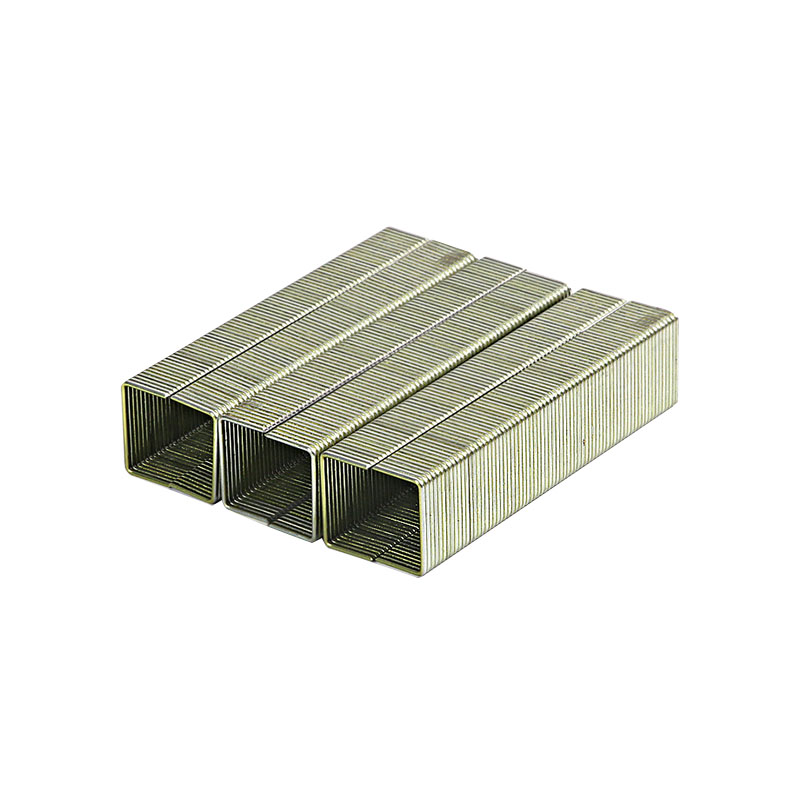
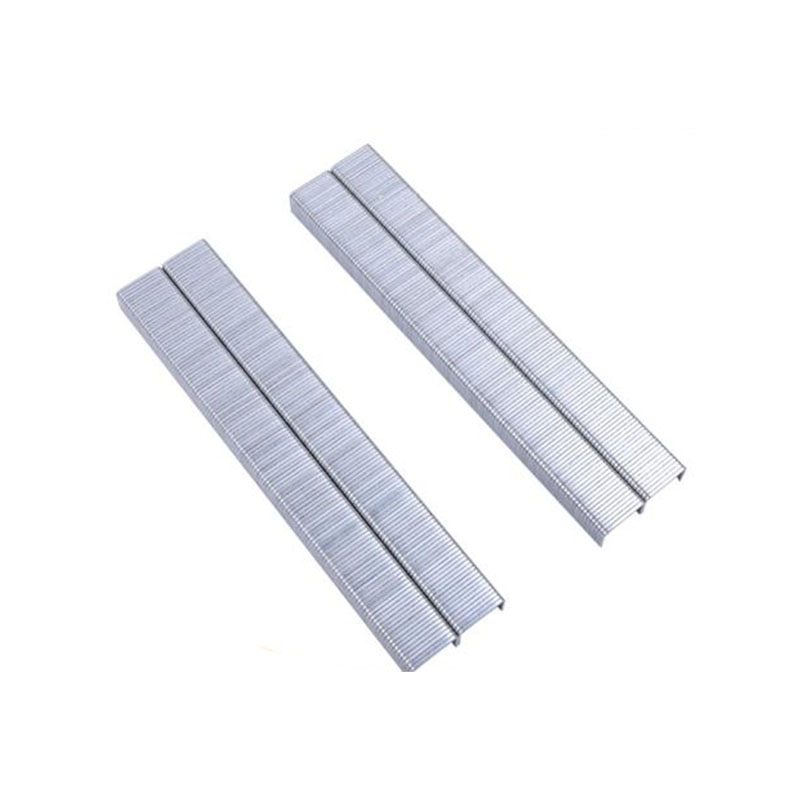
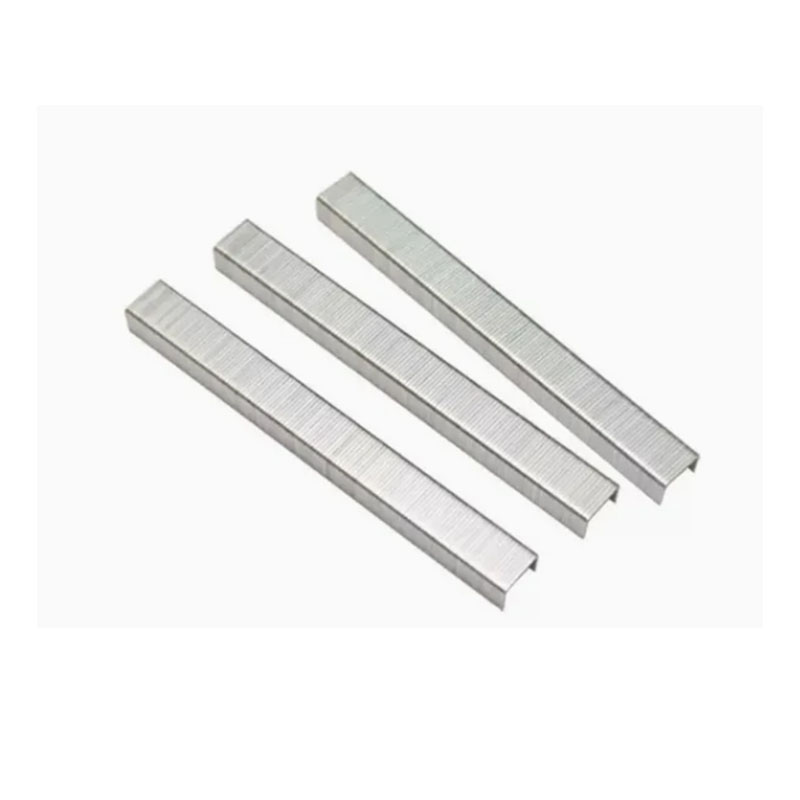
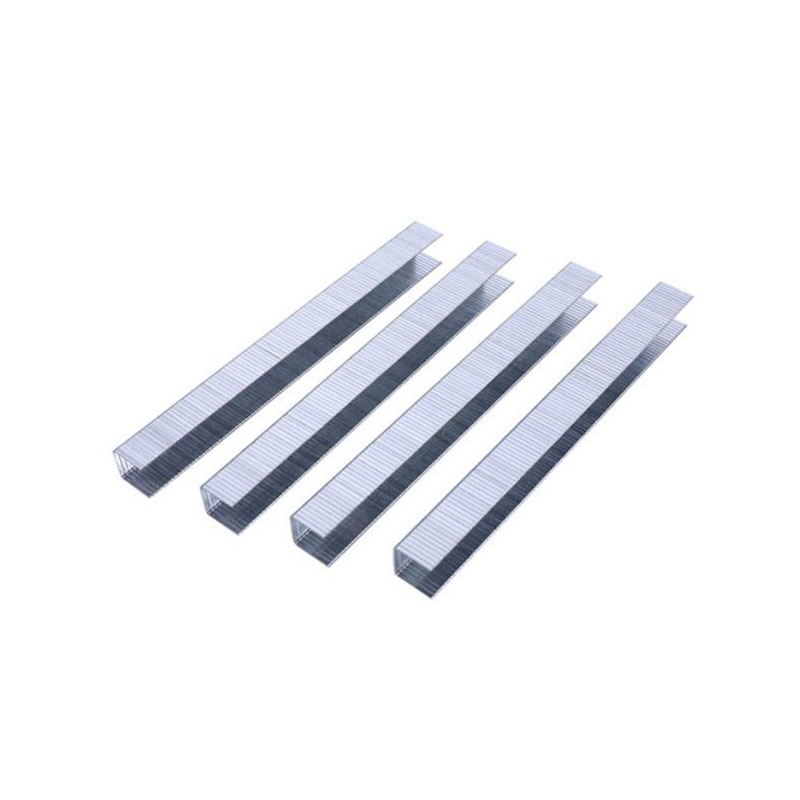
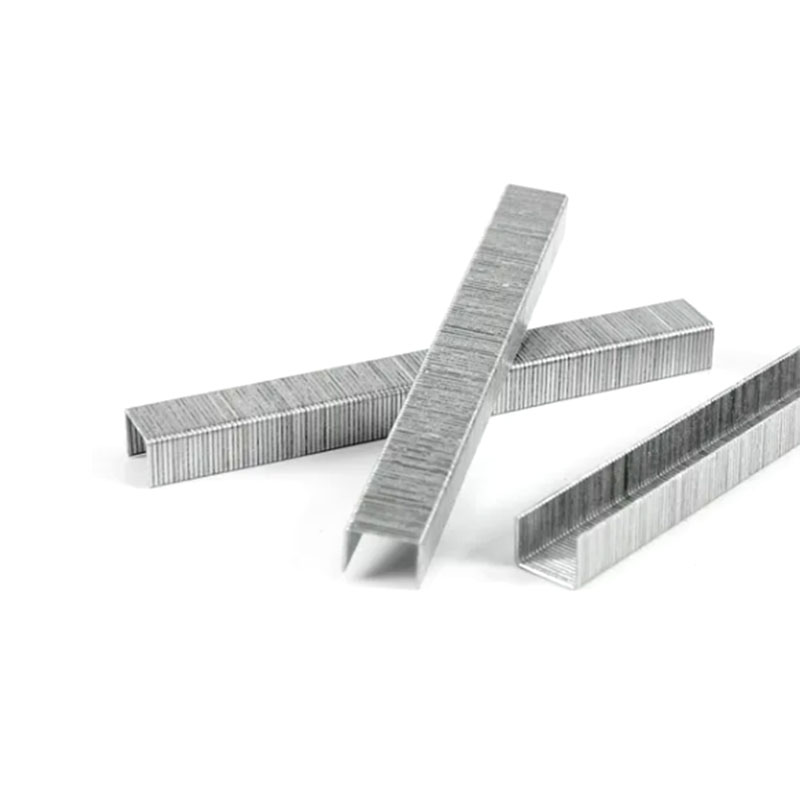
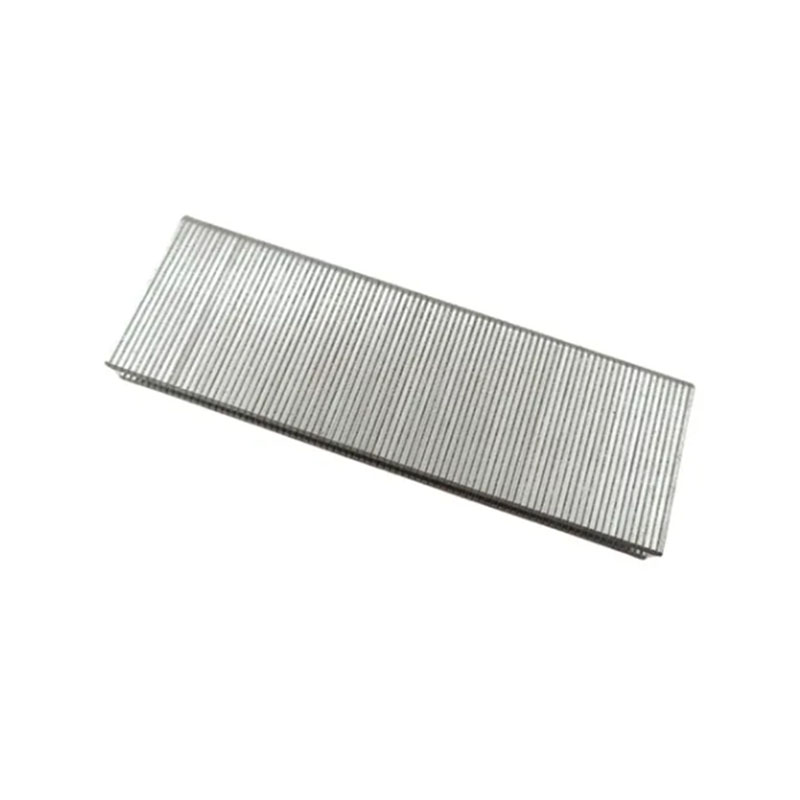
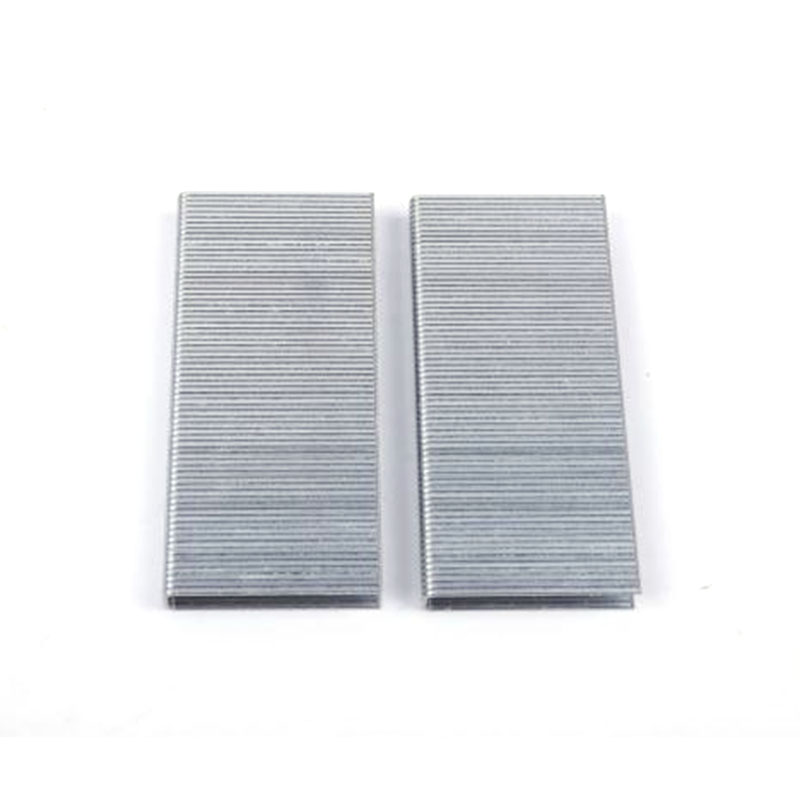
A Thin Line Staple features a reduced crown width and thinner wire diameter compared to conventional industrial staples. The crown width typically ranges from 2mm to 4mm, while the wire diameter falls between 0.5mm and 0.8mm. This design minimizes the displacement of material fibers during insertion. Engineers value this geometry for applications involving delicate materials such as thin plywood, particleboard, and engineered wood products, where surface finish is critical.
Key Technical Parameters for Engineers
When evaluating these fasteners, engineers must examine several critical parameters that determine performance and compatibility with automated equipment.
- Crown Width: The top dimension of the staple that determines surface visibility and holding area.
- Wire Gauge: Ranges from 23 gauge to 20 gauge, affecting penetration force and holding strength.
- Leg Length: Available from 4mm to 16m,m depending on material thickness requirements.
- Point Type: Chisel point for wood applications; divergent point for particleboard and composite materials.
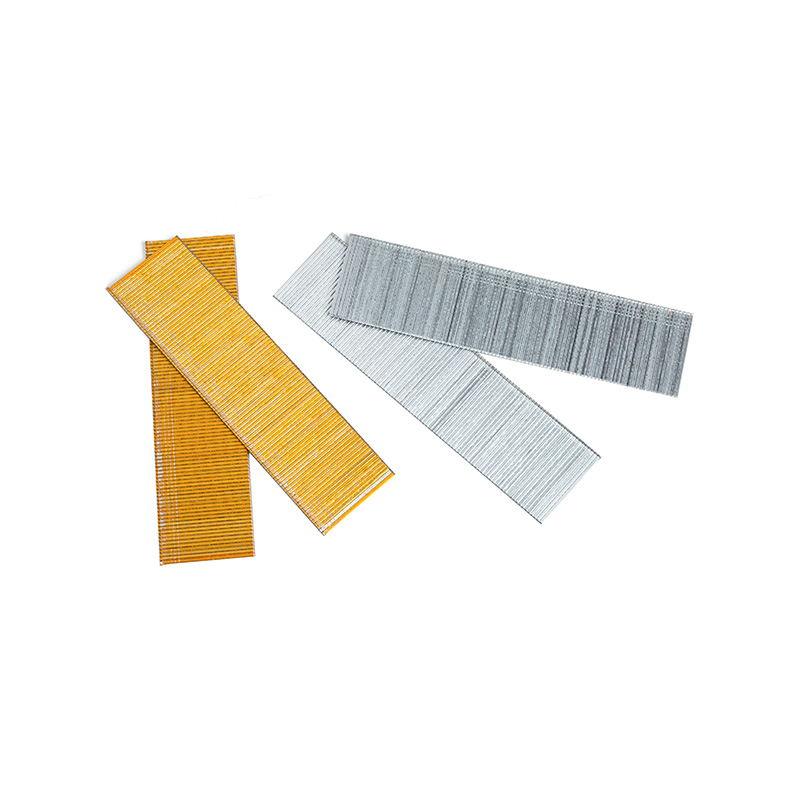
- Coating Type: Galvanized, zinc-plated, or adhesive-coated for enhanced holding power.
The selection of Thin Line Staples directly impacts production efficiency in automated assembly lines, where misfeeds and jams can cause significant downtime.
High-Search Long-Tail Keywords in Context
To address specific user intents, we focus on five high-search long-tail keywords that represent common procurement and application scenarios.
- thin line staples for upholstery: These fasteners are designed for securing fabric to wooden frames without visible surface damage or fabric tearing.
- thin crown staples for cabinetry: A variant optimized for assembling cabinet backs, drawer boxes, and trim applications where aesthetic appearance matters.
- 23-gauge thin-linen staples: The finest wire gauge available, used for delicate trim work, picture frames, and furniture detailing.
- thin line staples for pneumatic staplers: Specially manufactured to meet the feeding requirements of high-speed pneumatic and electric stapling tools.
- stainless steel thin line staples: A corrosion-resistant option for outdoor applications, marine environments, and food processing equipment.
Comparative Analysis: Thin Line vs. Standard Industrial Staples
The choice between thin line and standard staples significantly affects material integrity and production outcomes. Standard staples typically have crown widths of 10mm to 12mm and wire diameters of 1.2mm or larger. The following comparison highlights the differences relevant to precision fastening applications.
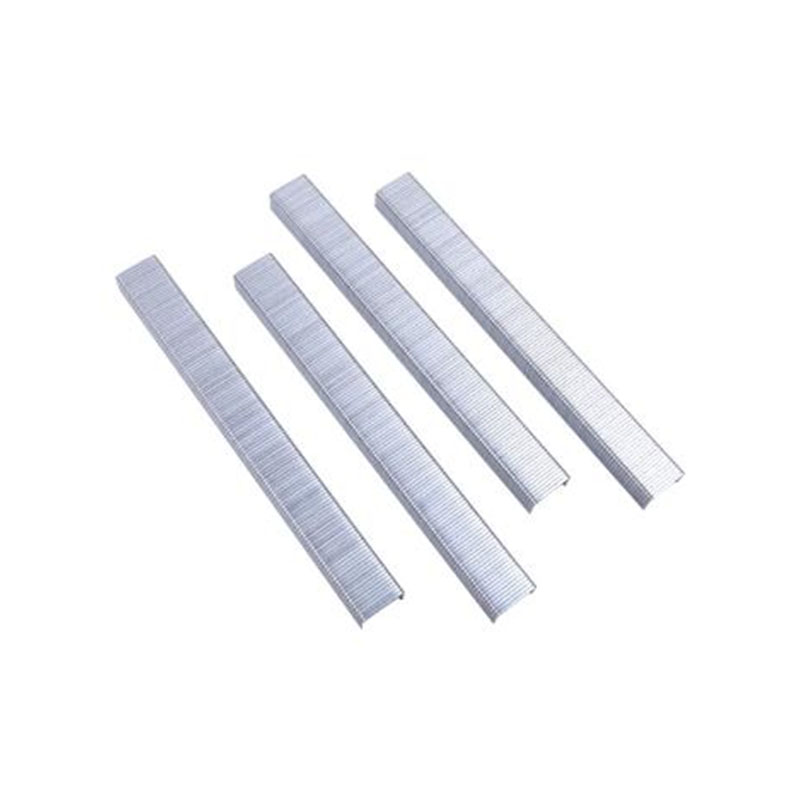
For applications requiring minimal surface disruption, Thin Line Staples provide superior performance. The table below outlines key distinctions.
| Characteristic | Thin Line Staples | Standard Industrial Staples |
|---|---|---|
| Crown Width | 2mm – 4mm | 10mm – 12mm |
| Wire Diameter | 0.5mm – 0.8mm (23-20 gauge) | 1.2mm – 1.6mm (18-16 gauge) |
| Material Displacement | Minimal, reduced risk of splitting | Significant risk of material fracture |
| Surface Visibility | Nearly invisible on finished surfaces | Clearly visible, requires filling |
| Typical Applications | Upholstery, cabinetry, trim, picture framing | Pallet assembly, heavy crating, cand onstruction |
Engineering Considerations for Selection and Integration
Selecting the right Thin Line Staples requires a balanced assessment of material compatibility, tool specifications, and production requirements. B2B buyers must ensure the fasteners meet both performance standards and operational efficiency goals.
Material Compatibility and Holding Strength
The relationship between wire gauge and material density is critical. For hardwoods such as oak or maple, 23-gauge thin-line staples provide adequate holding while minimizing splitting risk. For medium-density fiberboard (MDF) and particleboard, a 20-gauge wire offers superior pull-out resistance. Engineers should conduct pull-out tests to validate performance for specific material combinations.
Coating Technology and Corrosion Resistance
For applications in humid environments or outdoor settings, stainless steel thin-line staples represent the optimal choice. Type 304 stainless steel provides adequate corrosion resistance for most interior and covered exterior applications. Type 316 stainless steel offers enhanced resistance to chlorides and is recommended for marine environments. Galvanized coatings provide a cost-effective alternative for indoor applications where moisture exposure is minimal.
Application-Specific Insights
Different industries impose unique demands on these fasteners. In furniture manufacturing, thin-line staples for upholstery must penetrate hardwood frames without bending while providing sufficient holding force for fabric tensioning. For kitchen and bath cabinetry, thin crown staples for cabinetry are specified to avoid visible surface marks that compromise finished aesthetics. When using thin-line staples for pneumatic staplers, verifying the staple strip alignment and adhesive bonding is essential to prevent tool jams that disrupt production lines.
Quality Assurance and Procurement Standards
For wholesale and industrial procurement, verifying compliance with manufacturing standards ensures consistent performance. Reputable manufacturers typically adhere to ASTM F1667 for staple specifications or applicable ISO standards. Key procurement documents should include:
- Wire material certification with tensile strength testing results.
- Coating thickness and adhesion test reports for corrosion-resistant variants.
- Geometric inspection reports confirming crown width, leg length, and point geometry.
- Adhesive bond strength verification for glue-coated staples used in high-vibration applications.
The market for Thin Line Staples continues to evolve with increased demand for automation-compatible fasteners and environmentally sustainable coating technologies.
Frequently Asked Questions (FAQ)
1. What is the difference between thin line staples and narrow crown staples?
While the terms are often used interchangeably, thin line staples specifically refer to fasteners with crown widths of 4mm or less and wire gauges of 20 or finer. Narrow crown staples typically have crown widths between 4mm and 8mm with heavier wire gauges. For precision applications such as furniture trim and picture framing, thin-line staples provide the minimal surface visibility required for finished products. For general cabinet assembly where some visibility is acceptable, narrow crown staples offer a cost-effective alternative.
2. Can I use thin-line staples in any pneumatic stapler?
No, you must match the staple type to the specific tool model. Thin line staples for pneumatic staplers are designed to meet the magazine geometry and drive track specifications of specific tool families. Using incompatible staples causes misfeeds, tool jams, and inconsistent drive depth. Before purchasing, verify that the staple strip length, wire gauge, and crown width match your stapler manufacturer's specifications. Most manufacturers provide compatibility charts for their fastener offerings.
3. What material thickness can thin line staples penetrate effectively?
The effective penetration depth depends on the wire gauge and point configuration. 23-gauge thin-line staples with chisel points typically penetrate up to 10mm into hardwoods and up to 16mm into softwoods or composite materials. For thicker assemblies, select a longer leg length and consider a heavier gauge, such as 20 gauge. As a general guideline, the staple leg should penetrate the base material by at least two-thirds of its total length to achieve rated holding strength.
4. Are stainless steel thin-linestaples necessary for outdoor applications?
For applications exposed to weather, stainless steel thin-line staples are strongly recommended. Standard galvanized staples provide only moderate corrosion resistance and typically show rust staining within 6 to 12 months of outdoor exposure. For coastal environments with salt spray exposure, Type 316 stainless steel is recommended over Type 304. For applications such as outdoor furniture, marine upholstery, and exterior trim, the incremental cost of stainless steel is justified by the extended service life and maintained appearance.
References
- ASTM International. ASTM F1667-20: Standard Specification for Driven Fasteners: Nails, Spikes, and Staples.
- International Organization for Standardization. ISO 8756: Fasteners - Staples for Industrial Use - Dimensions and Materials.
- Forest Products Laboratory. "Wood Handbook: Wood as an Engineering Material," USDA Forest Service, 2021, pp. 12-18.
- Industrial Fasteners Institute. "Fastener Standards," 8th ed., 2020, pp. 245-267.
- Technical Report: Corrosion Performance of Coated Fasteners in Wood Applications, Forest Products Society, 2022.
- Journal of Materials Processing Technology. "Optimization of Staple Geometry for Engineered Wood Products," Vol. 305, 2023.