English
 русский
 Español

Content
- 1 What Is a Manual Stick Carton Stapler and How Does It Work?
- 2 Technical Analysis of Five Application Scenarios
- 2.1 1. Standard Crown Configurations: manual stick carton stapler 32mm crown
- 2.2 2. Durability and Capacity Requirements: heavy duty manual stick carton stapler
- 2.3 3. Corrugated Board Specifications: manual stick carton stapler for corrugated
- 2.4 4. Bottom Closure Operations: manual stick carton stapler bottom closing
- 2.5 5. Wire Gauge Specifications: manual stick carton stapler 16 gauge
- 3 Quality Standards and Manufacturing Excellence
- 4 Procurement and Supply Chain Considerations
- 5 Frequently Asked Questions
- 5.0.1 What cost differences exist between 32mm and 35mm crown staples?
- 5.0.2 How do heavy-duty and light-duty stapler service lives compare?
- 5.0.3 What minimum leg length penetrates five-layer corrugated board?
- 5.0.4 How do stick and coil loading formats compare for efficiency?
- 5.0.5 What are minimum order quantities and sample availability?
- 6 Conclusion
- 7 References
Manual stick carton staplers represent essential equipment for packaging operations requiring portable, reliable box closure without compressed air dependencies. This guide examines technical specifications, crown configurations, and procurement considerations for industrial carton sealing applications.
What Is a Manual Stick Carton Stapler and How Does It Work?
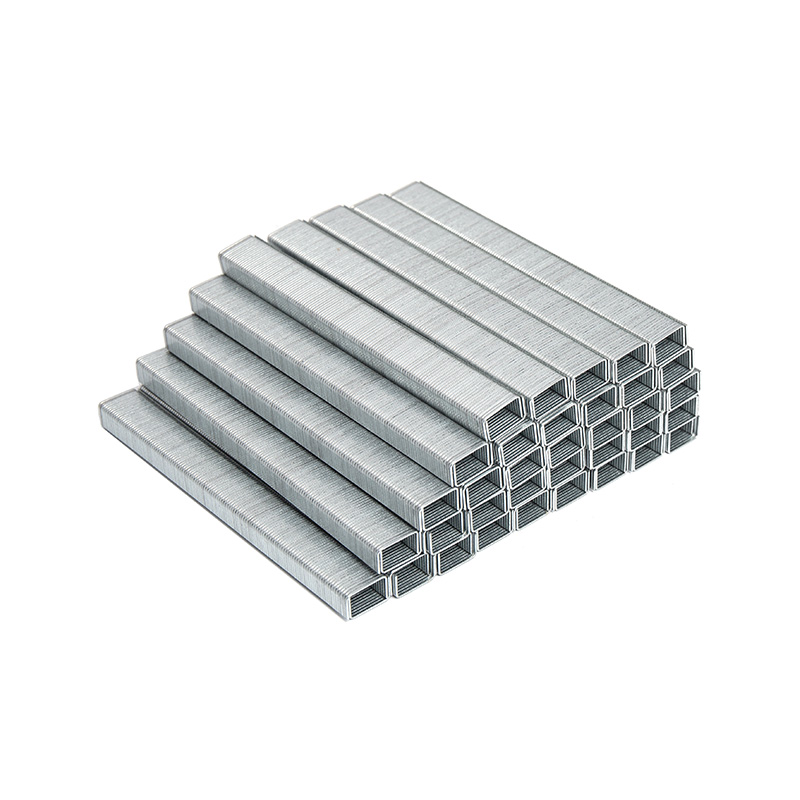
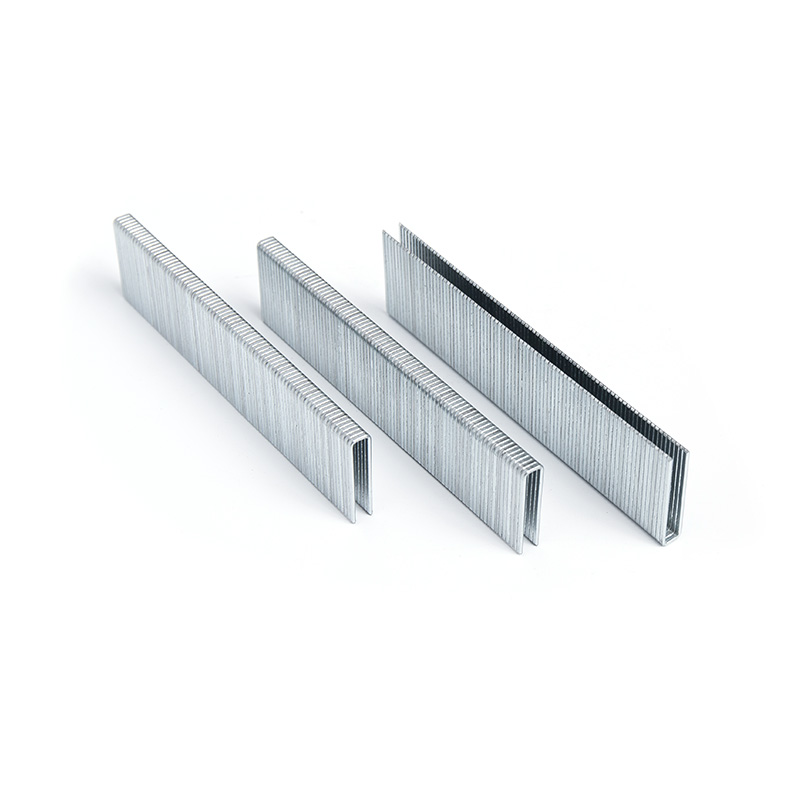
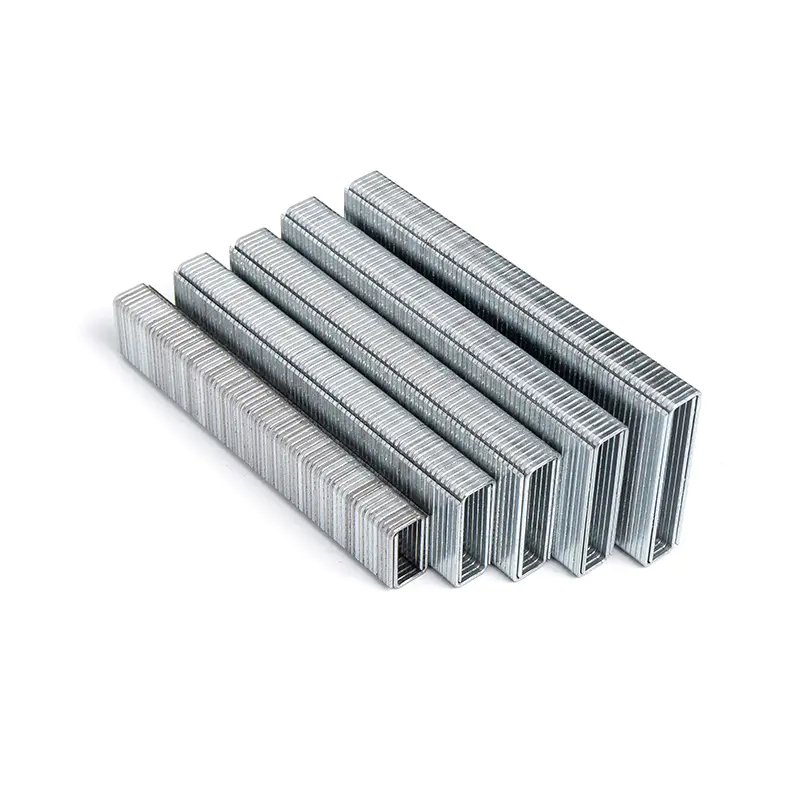
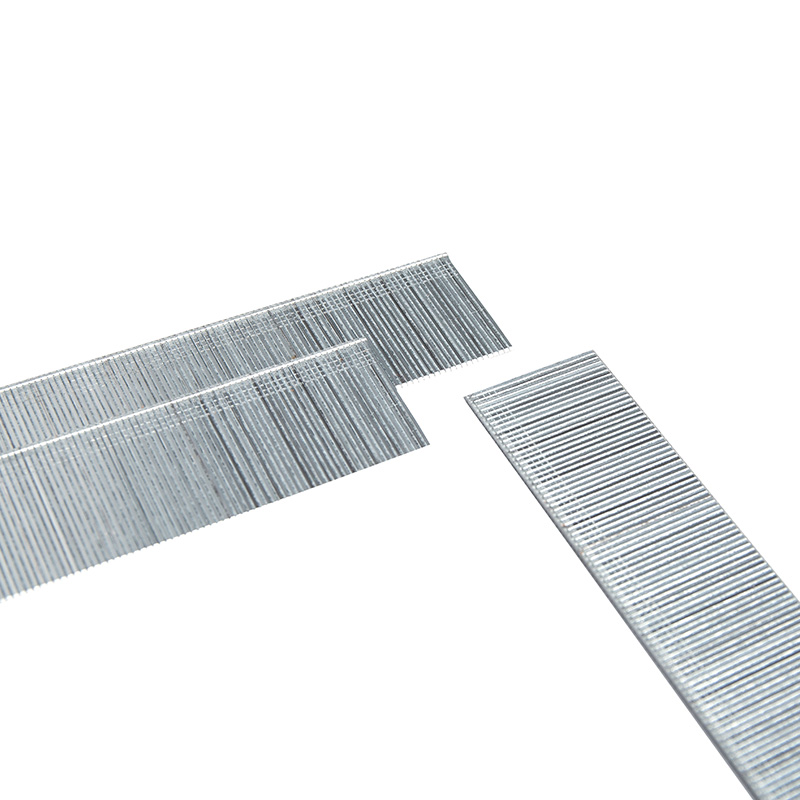
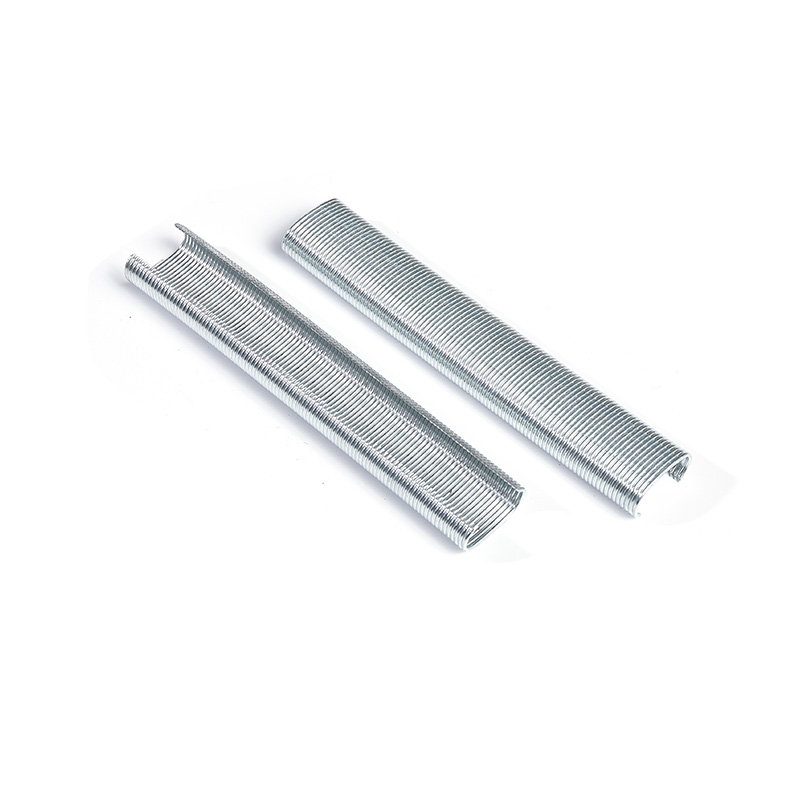
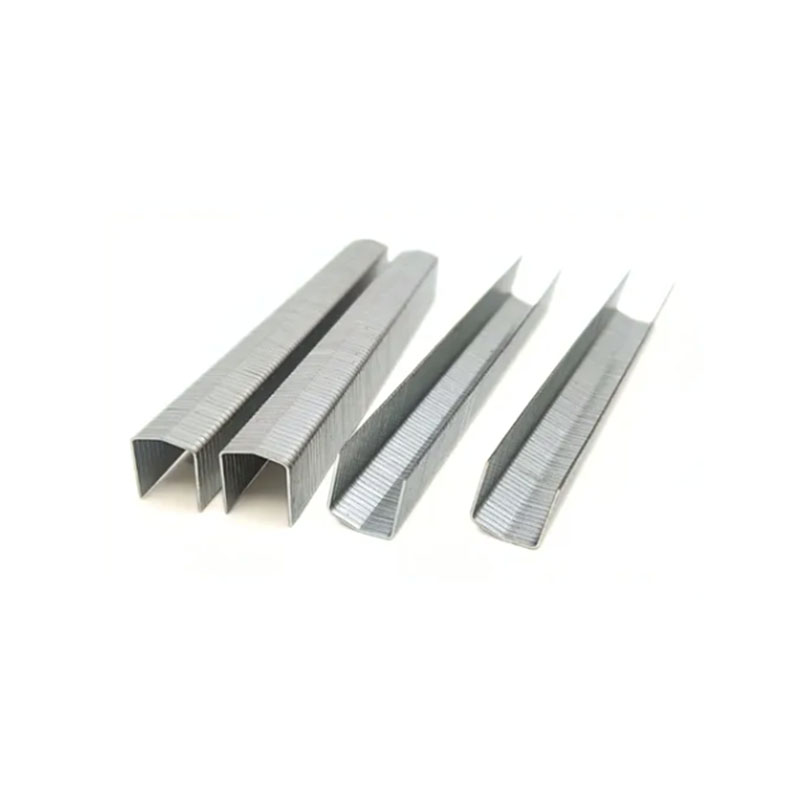
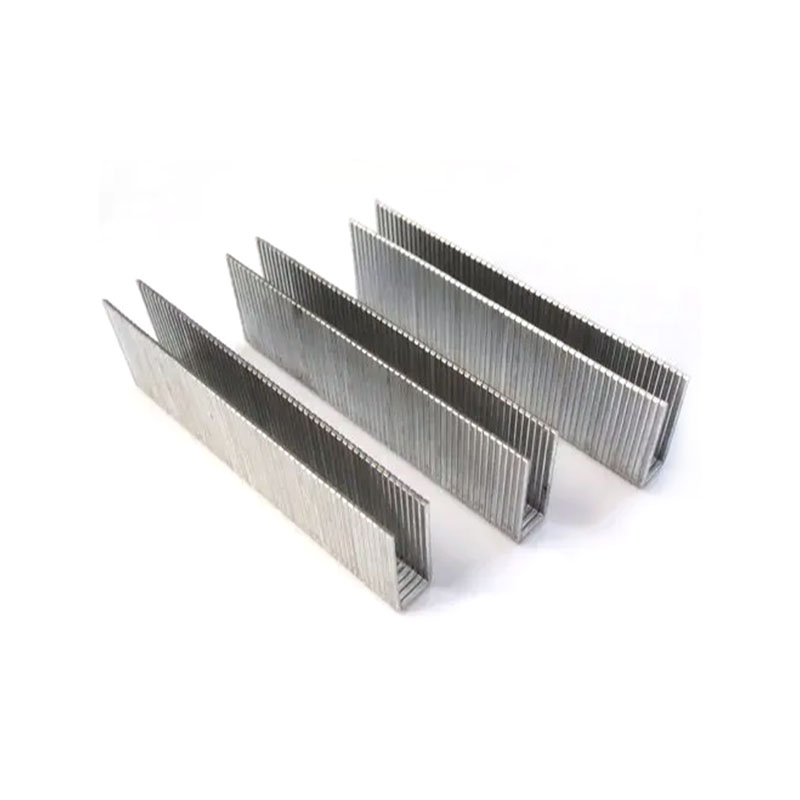
Manual stick carton staplers operate through mechanical leverage systems driving staples from linear stick magazines into corrugated fiberboard. The stick format arranges 50-100 staples in glued strips, enabling rapid reloading compared to individual staple insertion.
Key functional components include:
- Magazine assembly guiding stick advancement via spring pressure
- Driver blade transmitting handle force to staple crown
- Anvil forming staple legs into clinching patterns
- Depth adjustment controlling penetration into board layers
Zhejiang Tianying Hardware Co., Ltd. established operations in 2017, continuing the legacy of the original Hangzhou Tianying Gunners factory with 21 years of industry history. The company is located in Anji County within the Yangtze River Delta economic zone, providing convenient transportation access. The organization functions as a China wholesale medium wire staples supplier and medium wire staples manufacturer, integrating research, design, production, and sales. Product ranges encompass industrial nails, pneumatic nails, straight gun nails, bed net clip code nails, C nails, home nails, decoration wall nails, and fiberboard nails. The company maintains self-management import and export rights, adhering to the policy of "quality for survival, quality for development, quality for benefit."
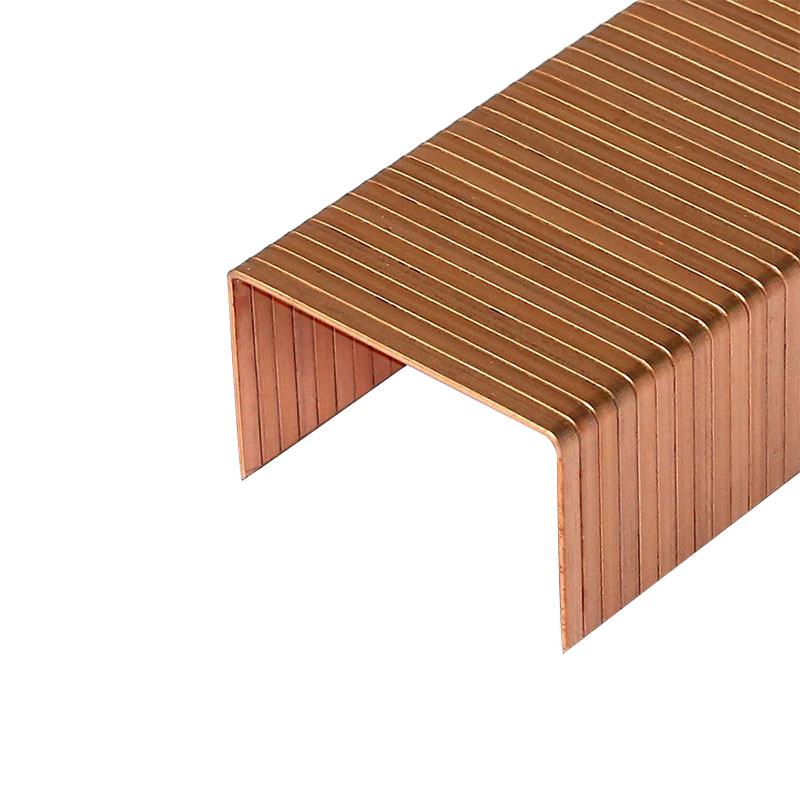
Technical Analysis of Five Application Scenarios
1. Standard Crown Configurations: manual stick carton stapler 32mm crown
Crown width determines the bearing surface distributing clamping force across the carton seam. The 32mm crown represents an intermediate specification balancing material economy with joint strength.
Engineering considerations include:
- Staple leg spacing affecting board fiber tearing resistance
- Crown width versus staple wire diameter ratios for structural integrity
- Magazine compatibility limiting crown selection by tool design
Crown width comparison for carton applications:
| Specification | 28mm Crown | 32mm Crown | 35mm Crown |
| Bearing Area | Standard | 14% increase | 25% increase |
| Material Usage | Baseline | 12% increase | 22% increase |
| Holding Force (N) | 450-550 | 520-640 | 600-750 |
| Typical Application | Light-duty retail boxes | Standard shipping cartons | Heavy export packaging |
| Cost Per 1000 Staples | Baseline | 8-10% premium | 15-18% premium |
The manual stick carton stapler 32mm crown specification dominates general-purpose packaging operations, providing adequate holding force for 20-30 kg content weight without excessive material consumption.
2. Durability and Capacity Requirements: heavy duty manual stick carton stapler
Heavy-duty classifications distinguish tools designed for continuous industrial use from light-duty intermittent applications. Structural reinforcement addresses fatigue failure modes in high-volume environments.
Design differentiation includes:
- Cast aluminum housings replacing stamped steel for dimensional stability
- Hardened driver blades maintaining edge geometry beyond 500,000 cycles
- Ergonomic handle designs reducing repetitive strain injury risk
Construction grade comparison:
| Component | Light-Duty Construction | Heavy-Duty Construction |
| Body Material | Stamped steel, 1.2mm thickness | Die-cast aluminum alloy |
| Driver Blade | Carbon steel, heat treated | Tool steel, nitrided surface |
| Magazine Capacity | 50 staples | 100-150 staples |
| Handle Mechanism | Single pivot point | Compound leverage system |
| Expected Service Life | 50,000 cycles | 500,000+ cycles |
| Unit Weight | 0.8-1.0 kg | 1.4-1.8 kg |
A heavy duty manual stick carton stapler justifies investment for facilities processing 500+ cartons daily, where tool longevity and reduced maintenance downtime offset 40-60% higher acquisition costs.
3. Corrugated Board Specifications: manual stick carton stapler for corrugated
Corrugated fiberboard construction varies in flute geometry and combined board thickness, directly affecting staple penetration requirements. Single-wall constructions combine one fluted medium between linerboards; double-wall constructions laminate two fluted layers.
Flute characteristics include:
- A-flute: 4.8mm height, 36 flutes per 300mm, excellent cushioning
- B-flute: 2.4mm height, 52 flutes per 300mm, good crush resistance
- C-flute: 3.6mm height, 42 flutes per 300mm, balanced properties
Board construction penetration analysis:
| Construction | Total Thickness | Minimum Leg Length | Recommended Staple |
| Single-wall C-flute | 3.6-4.0mm | 15mm | Crown 32mm, leg 15-18mm |
| Single-wall B-flute | 2.4-3.0mm | 12mm | Crown 32mm, leg 12-15mm |
| Double-wall BC-flute | 6.0-7.0mm | 22mm | Crown 35mm, leg 22-25mm |
| Triple-wall AAA-flute | 14.0-16.0mm | 35mm | Specialized long-leg staples |
The manual stick carton stapler for corrugated applications requires leg length selection matching combined board thickness plus 3-5mm clinching allowance. Insufficient penetration produces loose joints; excessive penetration damages opposite board faces.
4. Bottom Closure Operations: manual stick carton stapler bottom closing
Carton bottom closure presents distinct challenges versus top sealing due to gravity loading and handling stress concentration. Manual stapling of carton bottoms demands specific tool geometry for access and leverage.
Operational requirements include:
- Throat depth accommodating carton width plus operator hand clearance
- Non-slip grip surfaces maintaining control during vertical orientation
- Compact head profiles accessing narrow flap clearances
Closure position comparison:
| Factor | Top Closure | Bottom Closure |
| Tool Orientation | Horizontal, gravity-assisted | Vertical or inverted |
| Staple Pattern | Single or double row | Double row mandatory |
| Load Bearing | Minimal (contents supported by base) | Maximum (full content weight) |
| Ergonomic Risk | Low | High (wrist extension) |
| Staple Count Per Box | 2-4 staples | 4-8 staples |
Manual stick carton stapler bottom closing operations benefit from tools with 200mm+ throat depth and rotating anvil designs allowing flush contact against interior carton surfaces. The double-row staple pattern distributes load across the entire flap width, preventing tear-out during lifting and transport.
5. Wire Gauge Specifications: manual stick carton stapler 16 gauge
Wire gauge indicates staple shank diameter, directly determining shear strength and pull-out resistance. Smaller gauge numbers represent thicker wire cross-sections.
Mechanical properties vary with wire diameter:
- 16 gauge: 1.6mm diameter, high strength for heavy contents
- 18 gauge: 1.2mm diameter, standard duty for general packaging
- 20 gauge: 0.9mm diameter, light duty for temporary closure
Gauge performance comparison:
| Property | 18 Gauge Standard | 16 Gauge Heavy |
| Wire Diameter | 1.24mm | 1.65mm |
| Tensile Strength (MPa) | 350-400 | 380-450 |
| Shear Force Capacity | Baseline | 75% increase |
| Penetration Resistance | Moderate | High (requires greater force) |
| Staples Per Kilogram | Approximately 2800 | Approximately 1600 |
| Cost Per 1000 Staples | Baseline | 35-45% premium |
A manual stick carton stapler 16 gauge specification addresses export packaging, hazardous materials containment, and contents exceeding 40 kg where joint failure risks product damage or safety incidents.
Quality Standards and Manufacturing Excellence
Staple Performance Testing
Quality assurance protocols evaluate mechanical performance and corrosion resistance:
- Clinch joint strength testing per TAPPI T 813 om-2016
- Salt spray testing per ASTM B117 for galvanized coatings
- Wire tensile testing confirming minimum 350 MPa yield strength
Zhejiang Tianying Hardware Production Capabilities
The manufacturing facility maintains integrated production from wire rod through finished staple sticks:
- Medium carbon steel wire drawing with diameter tolerance ±0.02mm
- Continuous hot-dip galvanizing achieving 8-12 μm zinc coating
- High-speed stick formation with adhesive bonding verification
Procurement and Supply Chain Considerations
Magazine Capacity and Packaging Efficiency
Stick magazine capacity affects operator downtime and packaging line throughput:
- 50-stick magazines require reloading every 12-25 cartons depending on closure pattern
- 100-stick magazines support 25-50 cartons between reloads
- Stick packaging configurations of 1000, 2500, or 5000 staples optimize inventory management
Export and Logistics Capabilities
Self-management import and export rights enable direct international supply without intermediary markup. The Yangtze River Delta location provides container port access within 200km for global distribution.
Frequently Asked Questions
What cost differences exist between 32mm and 35mm crown staples?
35mm crown staples cost 15-18% more per thousand than 32mm specifications due to increased wire consumption. However, the wider crown distributes holding force over 9% greater area, reducing staple count requirements for equivalent joint strength. For heavy export cartons, total fastening costs may equalize despite individual staple premiums.
How do heavy-duty and light-duty stapler service lives compare?
Heavy-duty manual stick carton staplers achieve 500,000+ operating cycles with proper maintenance, while light-duty tools typically expire at 50,000 cycles. For facilities processing 1000 cartons daily (approximately 300,000 annually), heavy-duty investment amortizes over 18-24 months versus 2-month replacement cycles for light-duty alternatives.
What minimum leg length penetrates five-layer corrugated board?
Five-layer (double-wall) corrugated construction presents 6.0-7.0mm combined thickness requiring 22-25mm staple legs. This calculation includes 3-5mm clinching allowance for proper leg formation against the inner linerboard. Shorter legs produce incomplete clinches; longer legs risk protrusion creating puncture hazards.
How do stick and coil loading formats compare for efficiency?
Stick magazines reload in 3-5 seconds with pre-aligned staples. Coil-fed systems hold 5000+ staples but require 15-30 seconds for threading and tension adjustment. For intermittent manual operations, stick formats minimize downtime. High-volume automated lines favor coil systems despite loading complexity.
What are minimum order quantities and sample availability?
Standard staple stick configurations support orders from 50,000 staples (approximately 20-25 cartons). Custom wire diameters, crown widths, or leg lengths require 500,000 staple minimums for production line setup. Tool samples require purchase; staple samples of 1000 units support joint testing and tool compatibility verification.
Conclusion
Selecting appropriate manual stick carton staplers requires analysis of carton construction, content weight, and operational volume. Whether specifying manual stick carton stapler 32mm crown for standard applications, heavy duty manual stick carton stapler for industrial environments, manual stick carton stapler for corrugated board compatibility, manual stick carton stapler bottom closing geometry, or manual stick carton stapler 16 gauge for maximum strength, technical specifications determine packaging integrity.
Zhejiang Tianying Hardware Co., Ltd. provides integrated staple and tool supply with 21 years of manufacturing experience, supporting global packaging operations through the Yangtze River Delta logistics network.
References
- Technical Association of the Pulp and Paper Industry, TAPPI T 813 om-2016, Compression test for fiberboard shipping containers
- American Society for Testing and Materials, ASTM B117-19, Standard Practice for Operating Salt Spray (Fog) Apparatus
- International Organization for Standardization, ISO 3037:2017, Corrugated fibreboard - Determination of edgewise crush resistance (unwaxed edge method)
- Fibre Box Association, Fibre Box Handbook, Chapter 4: Closing and Reinforcing Fibreboard Boxes
- American National Standards Institute, ANSI/ASME B18.11-1961 (R2016), Miniature Screws
- European Committee for Standardization, EN 13429:2004, Packaging - Reuse