English
 русский
 Español

Content
- 1 1. Structural Strength in Heavy-Duty Applications
- 2 2. Material Selection for Environmental Durability
- 3 3. Zhejiang Tianying Hardware: A Legacy of Fastening Excellence
- 4 4. Technical Guide for Proper Staple Selection
- 5 5. Manufacturing Standards and Quality Control
- 6 6. Frequently Asked Questions (FAQ)
- 7 7. References
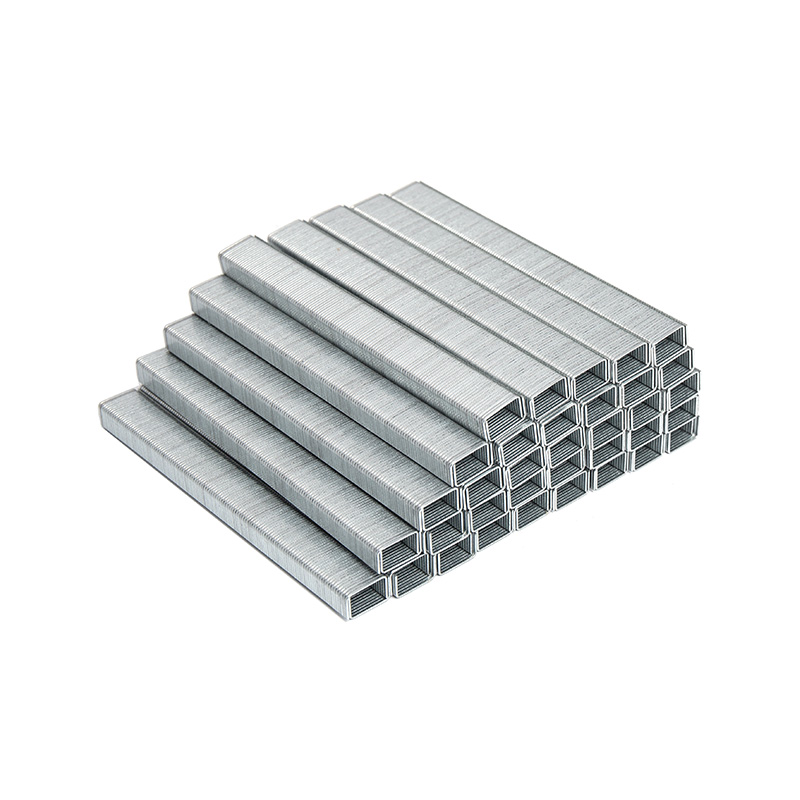
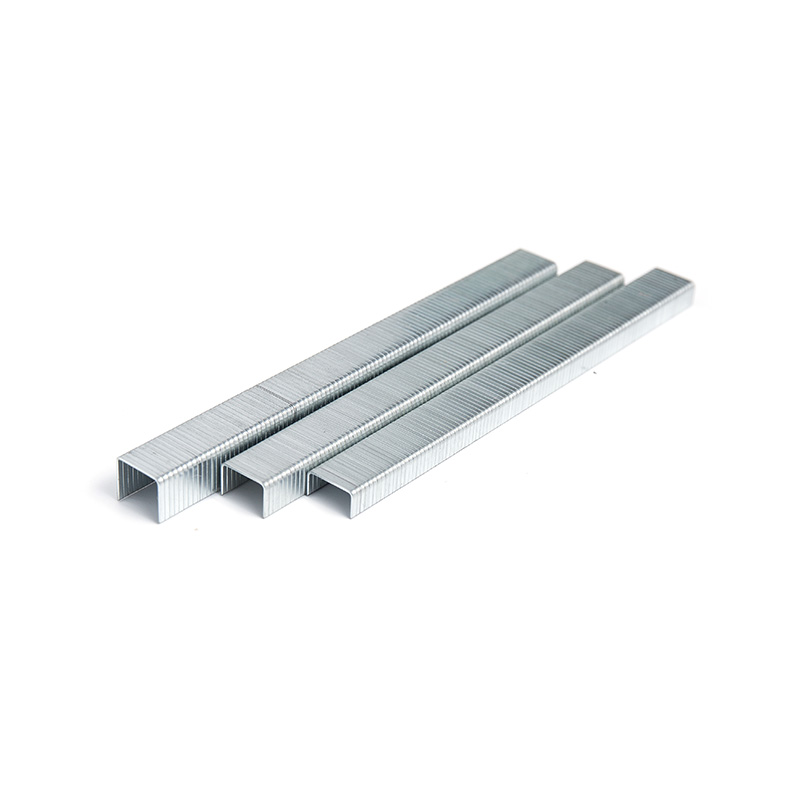
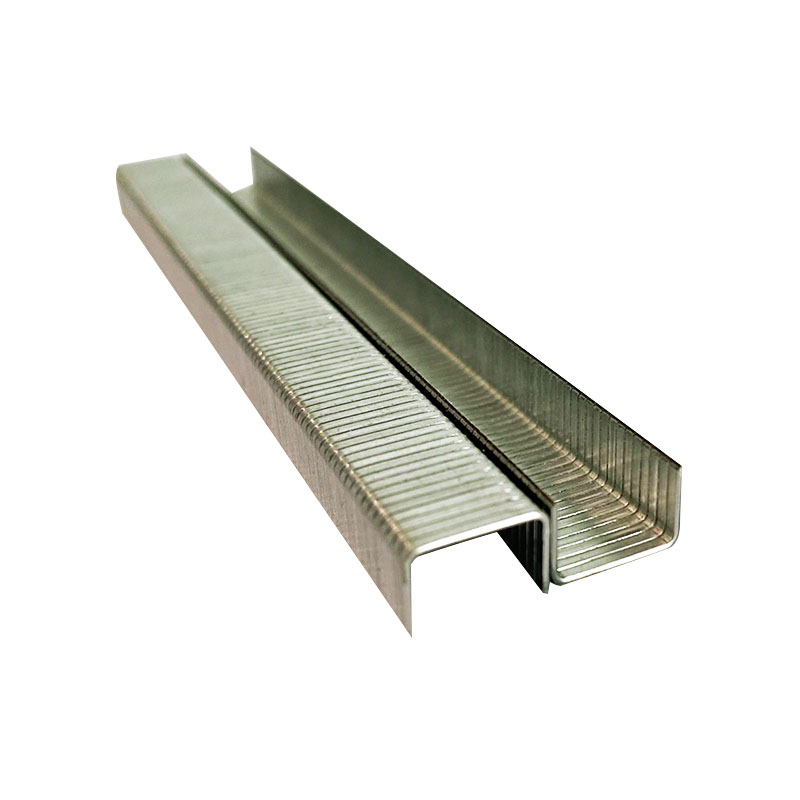
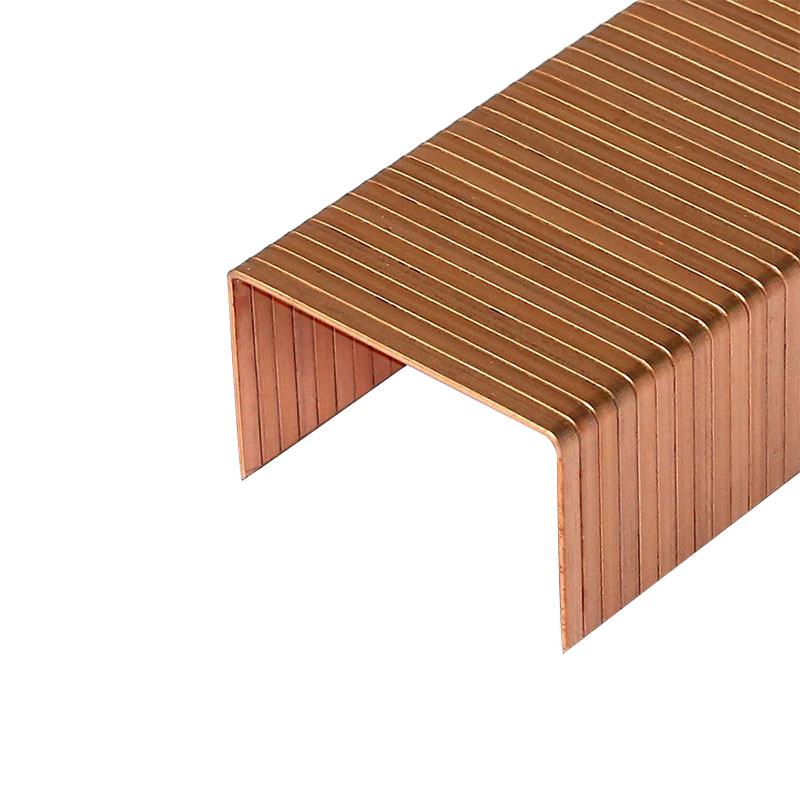
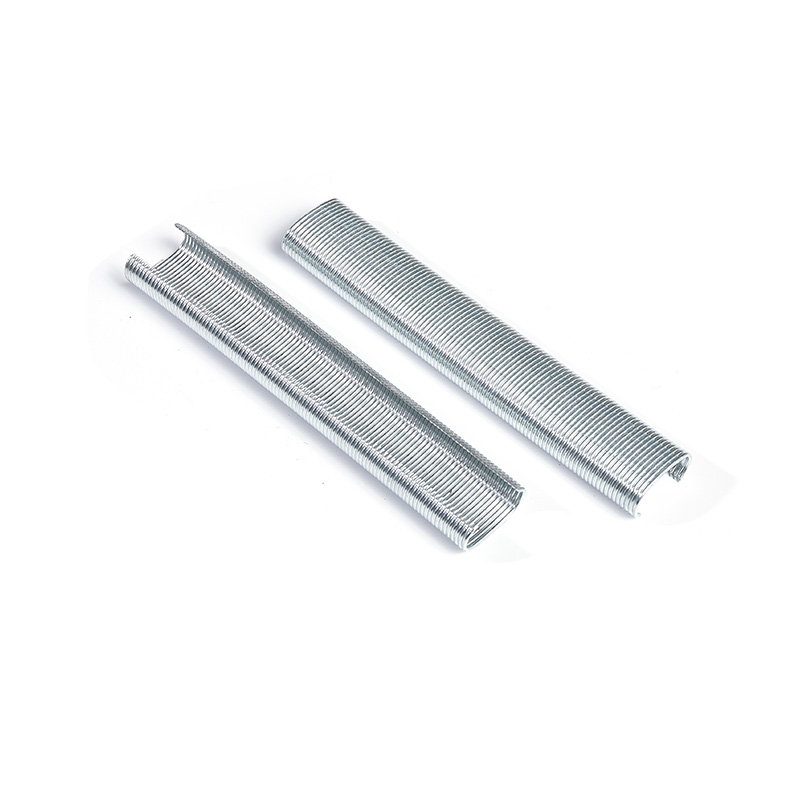
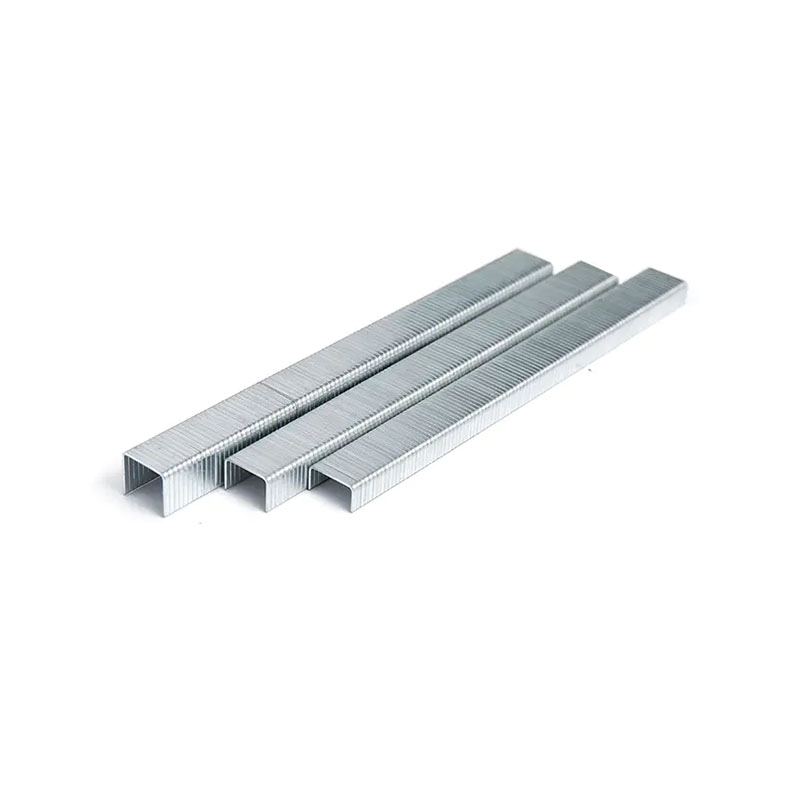
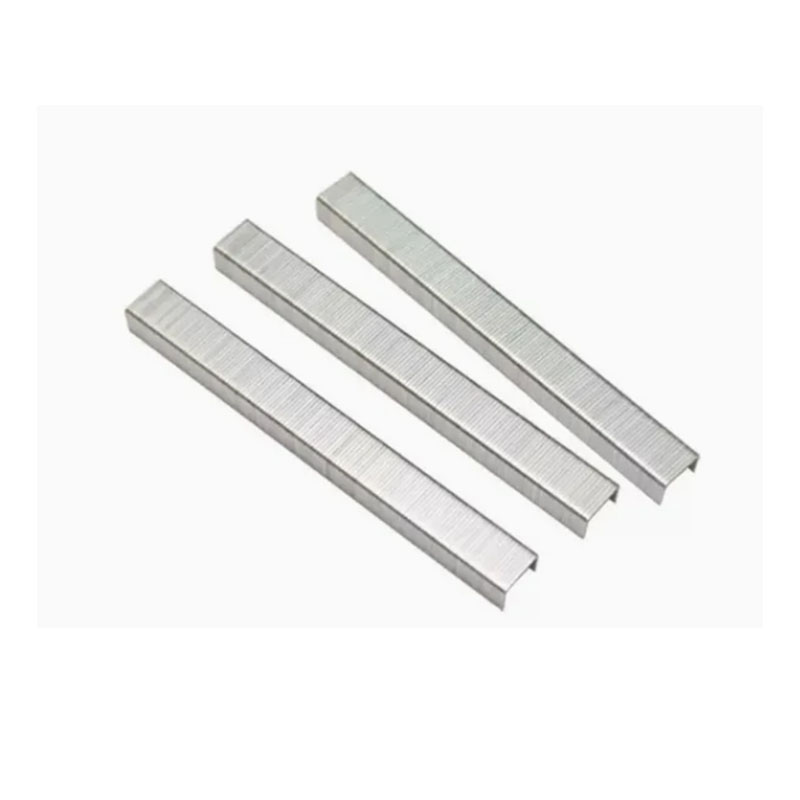
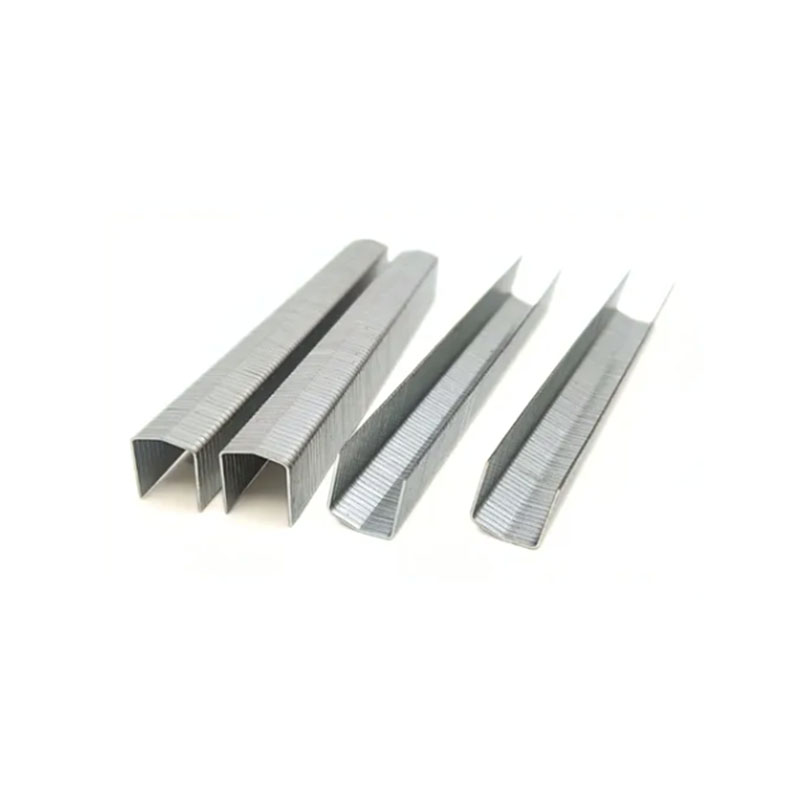
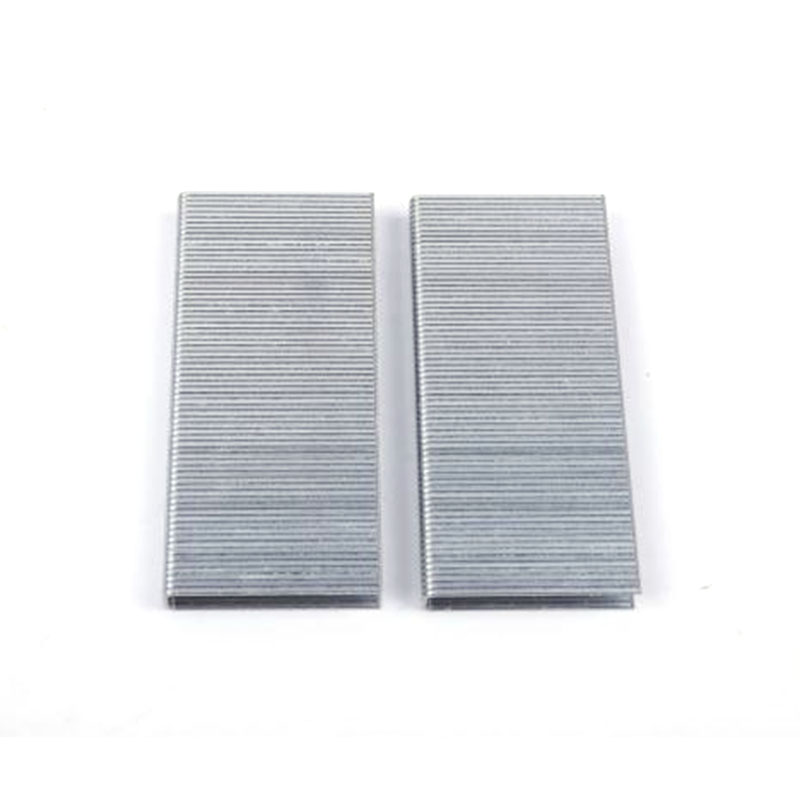
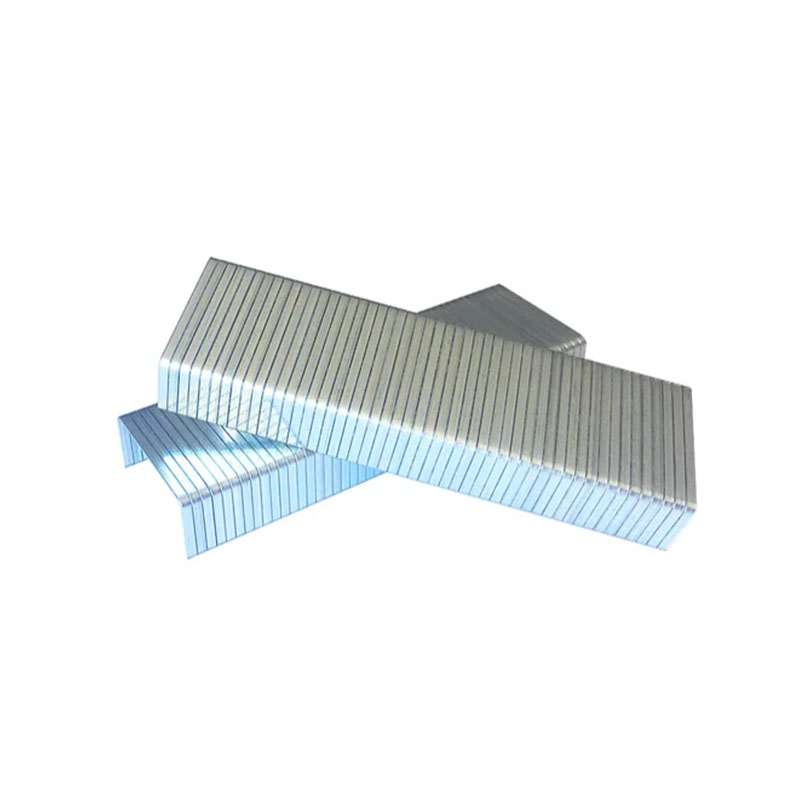
In industrial fastening, the structural integrity of a joint depends heavily on the gauge and material of the fastener. A heavy wire staples solution provides significantly more holding power than standard office or light-duty staples. These fasteners are engineered to penetrate dense materials like hardwoods, plywood, and structural timber without buckling. For engineers and B2B procurement specialists, selecting the correct staple involves evaluating shear strength, withdrawal resistance, and environmental durability to ensure long-term stability in demanding applications.
1. Structural Strength in Heavy-Duty Applications
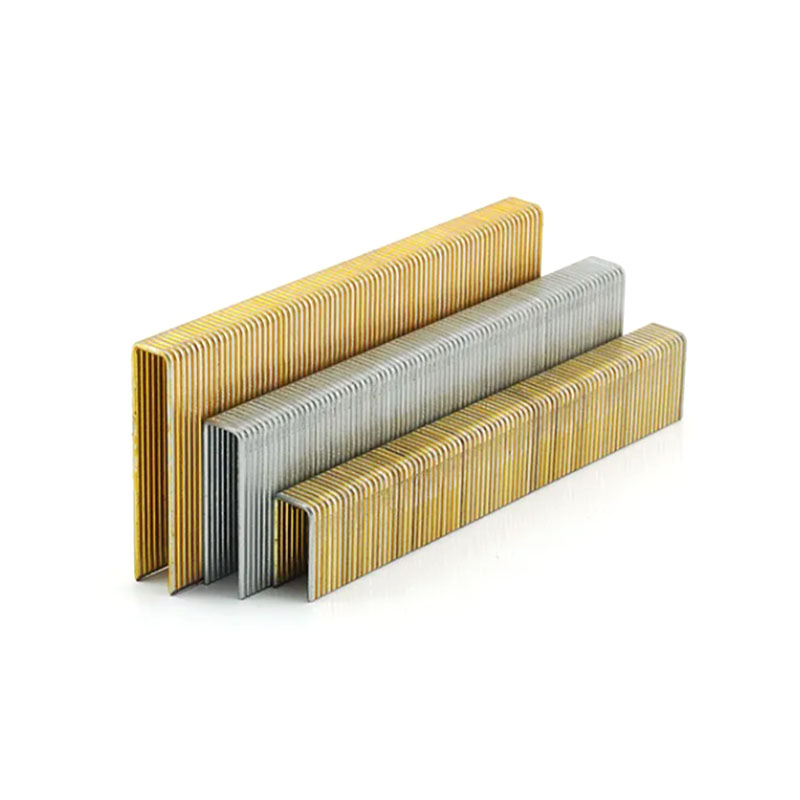
Heavy-duty construction projects require fasteners that can withstand high mechanical stress. Many contractors prioritize galvanized heavy wire staples for construction framing because the zinc coating protects the steel core from moisture. Galvanized staples provide a cost-effective balance between strength and rust resistance, making them ideal for internal wall structures. In contrast, for high-volume logistics, 16 gauge heavy wire staples wholesale for pallet manufacturing are the industry standard. The 16-gauge thickness provides the necessary rigidity to secure heavy pallet deck boards to stringers during rough handling.
Technical Comparison: 16 Gauge vs. 18 Gauge Staples
16-gauge staples offer significantly higher shear resistance than 18-gauge staples, although they require more pneumatic power to drive into dense wood.
| Specification | 16 Gauge (Heavy Wire) | 18 Gauge (Medium Wire) |
| Wire Diameter | Approximately 1.60mm | Approximately 1.25mm |
| Holding Power | High (Structural use) | Moderate (Trim/Finish use) |
| Primary Application | Pallets and Framing | Furniture and Cabinetry |
2. Material Selection for Environmental Durability
Environmental conditions dictate whether carbon steel or stainless steel is required for a project. For high-moisture areas, stainless steel heavy wire staples for outdoor fencing are essential to prevent streaking and structural failure caused by oxidation. While galvanized options work well indoors, stainless steel is mandatory for pressure-treated lumber used in outdoor environments. When comparing applications, a heavy wire staples vs light wire staples for upholstery analysis reveals that heavy wire is necessary for securing thick webbing or heavy leather to wooden frames, whereas light wire is sufficient for thin fabrics where aesthetics are more important than load-bearing capacity.
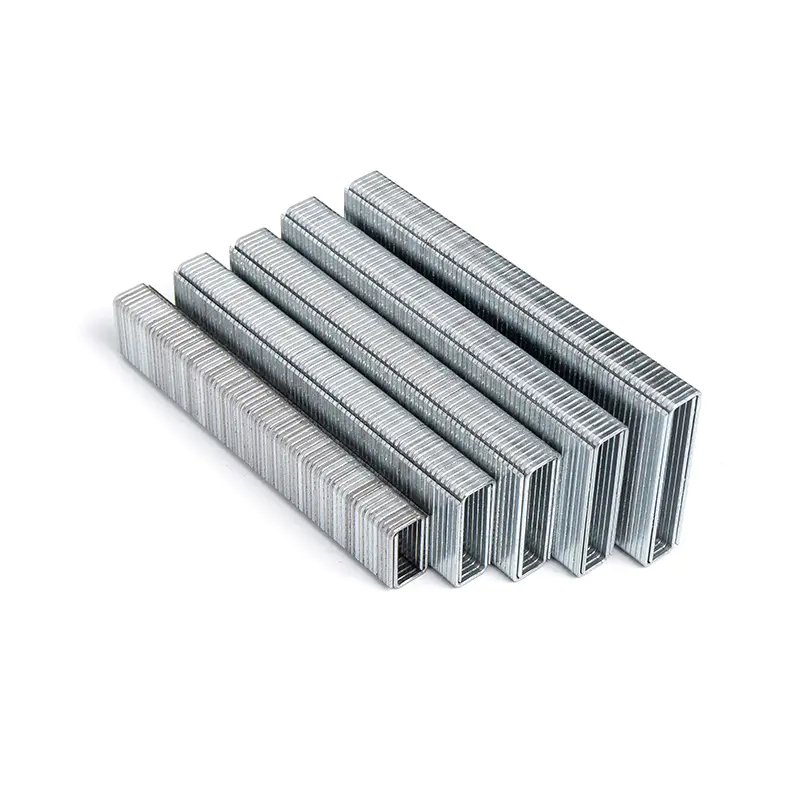
Material Comparison: Galvanized vs. Stainless Steel
Stainless steel provides superior longevity in coastal or acidic environments, while galvanized steel is preferred for indoor dry-service framing due to lower costs.
| Material Property | Galvanized Steel | Stainless Steel (304/316) |
| Corrosion Resistance | Moderate (Salt spray tested) | Excellent (Acid/Salt resistant) |
| Initial Cost | Lower | Higher |
| Outdoor Lifespan | 5-10 years (Depending on coating) | 25+ years |
3. Zhejiang Tianying Hardware: A Legacy of Fastening Excellence
Zhejiang Tianying Hardware Co., Ltd. was established in 2017, but our roots go back to the original Hangzhou Tianying factory which has a history of 21 years. We are one of the earliest production enterprises in the nail industry. As a professional China Wholesale Medium Wire Staples and Medium Wire Staples Manufacturers, we serve global markets from our facility in Anji, located within the Yangtze River Delta economic zone.
- Research and Design: Our company is a professional collective specializing in the research, design, and production of industrial fasteners.
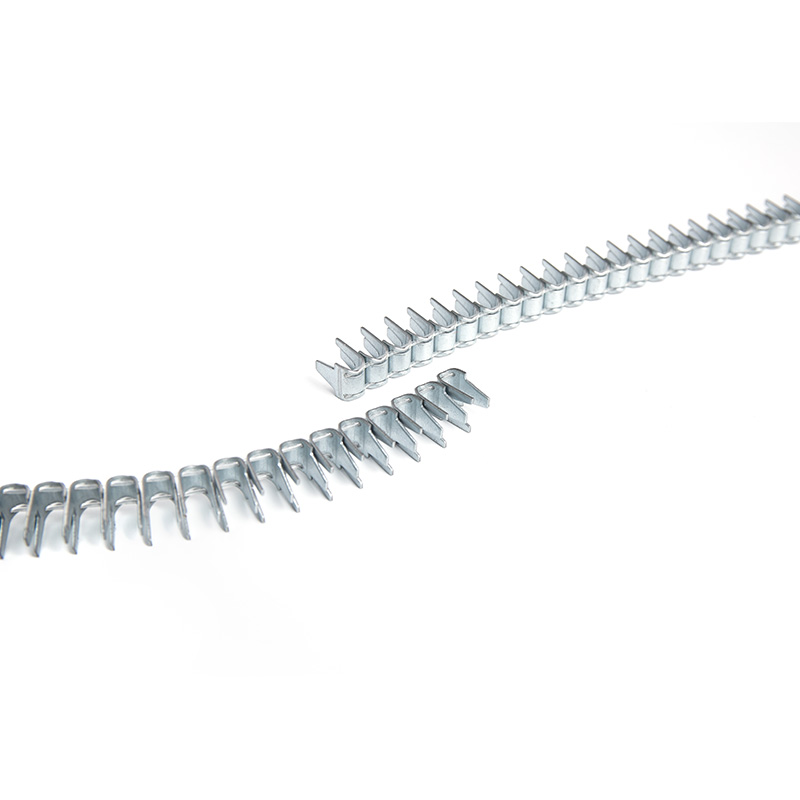
- Product Diversity: Our range includes pneumatic nails, straight gun nails, bed net clip code nails, C-nails, and decoration wall nails.
- Quality Policy: We adhere to the "Quality of Survival, Quality of Development" policy.
- Export Capability: We hold self-management import and export rights to serve international B2B clients efficiently.
4. Technical Guide for Proper Staple Selection
The performance of a staple is not solely based on the wire gauge; the leg length is equally critical for pull-out resistance. Learning how to choose the right leg length for heavy wire staples involves calculating the thickness of the material being fastened plus the required penetration depth into the base frame. A general rule of thumb for structural fastening is that the staple leg should be at least twice as long as the thickness of the material you are attaching.
5. Manufacturing Standards and Quality Control
Industrial staples must meet strict tolerances to prevent jamming in pneumatic tools. Our production lines use precision drawing and glue-collating technology to ensure every strip of staples is uniform. This focus on quality benefits our customers by reducing downtime in automated assembly lines and ensuring every fastener meets the specified withdrawal load requirements.
6. Frequently Asked Questions (FAQ)
Q1: What is the difference between a "heavy wire" and "fine wire" staple?
Heavy wire staples are made from thicker gauge steel (usually 15-16 gauge) for structural support, while fine wire (20-22 gauge) is used for delicate tasks like trim work or thin fabric attachment.
Q2: Can I use galvanized staples for cedar or redwood fencing?
No, it is better to use stainless steel. The natural acids in cedar and redwood react with galvanized coatings, causing "black streaks" and premature corrosion.
Q3: Why do my heavy wire staples keep buckling before they fully penetrate?
This usually happens if the wire gauge is too thin for the wood density or if the pneumatic pressure on your tool is set too low for the required depth.
Q4: How does crown width affect the fastening?
A wider crown provides a larger surface area to hold down materials like house wrap or shingles, while a narrow crown is better for deep penetration and a less visible finish.
Q5: Are 16-gauge staples compatible with all staple guns?
No, staple guns are designed for specific wire gauges and crown widths. Always check the tool's technical specifications before loading 16-gauge staples.
7. References
- American Society for Testing and Materials (ASTM). (2021). Standard Specification for Driven Fasteners: Nails, Spikes, and Staples (ASTM F1667).
- International Staple, Nail and Tool Association (ISANTA). (2022). Staple and Nail Guide for Construction and Industrial Applications.
- Timber Development Association. (2023). Corrosion Resistance of Fasteners in Treated Timber Environments.