English
 русский
 Español

Content
In the world of construction, woodworking, and serious DIY, the humble staple is a fundamental fastener that often goes unnoticed until the wrong type causes a problem. Among the various specialized staples, the Medium Wire Staple holds a critical place as a versatile and robust workhorse. Designed for pneumatic staple guns, it strikes a balance between the discreet hold of fine-wire staples and the brute force of heavy-duty ones. This guide delves into everything you need to know about this essential fastener. We'll clarify its defining characteristics, provide a detailed medium wire staple vs narrow crown staple comparison to help you choose correctly, and answer specific application questions like what size medium wire staple for insulation or finding the best medium wire staple gun for fencing. We'll also cover practical skills, including how to remove medium wire staple without damaging wood, and decode common specifications such as a medium wire staple 16 gauge 1/2 inch. Whether you're securing insulation, building a fence, or undertaking a carpentry project, understanding the right staple for the job is key to achieving a professional, secure, and lasting result. This article provides the depth of information required by both professionals and dedicated enthusiasts.
Defining the Standard: What is a Medium Wire Staple?
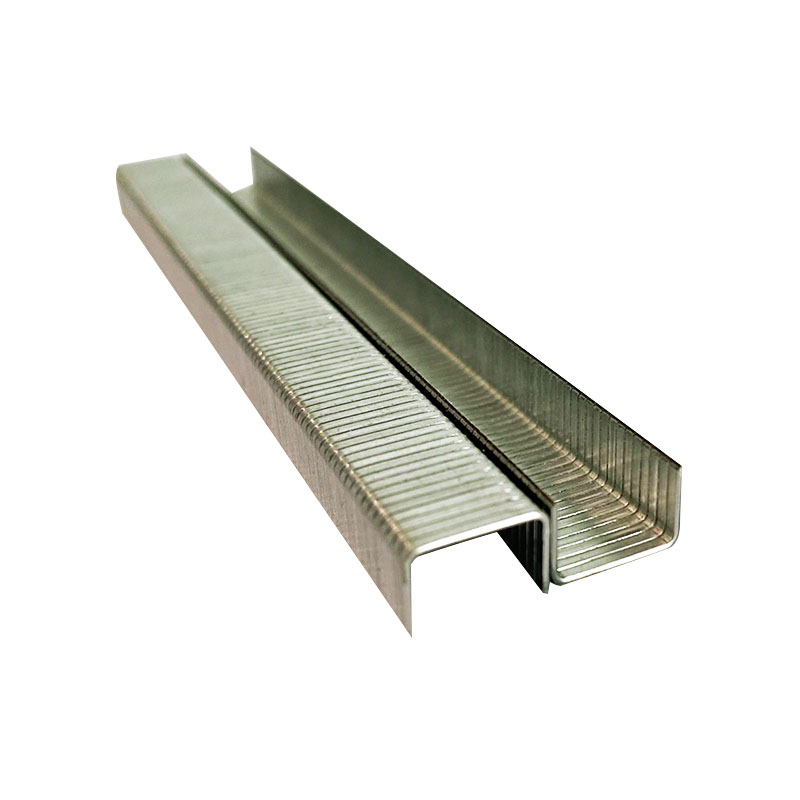
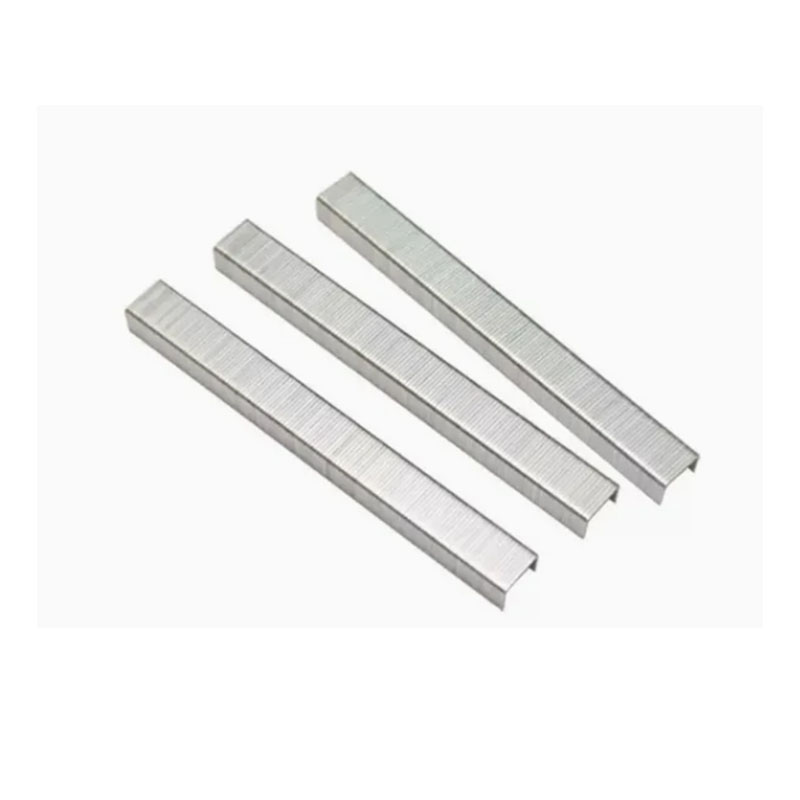
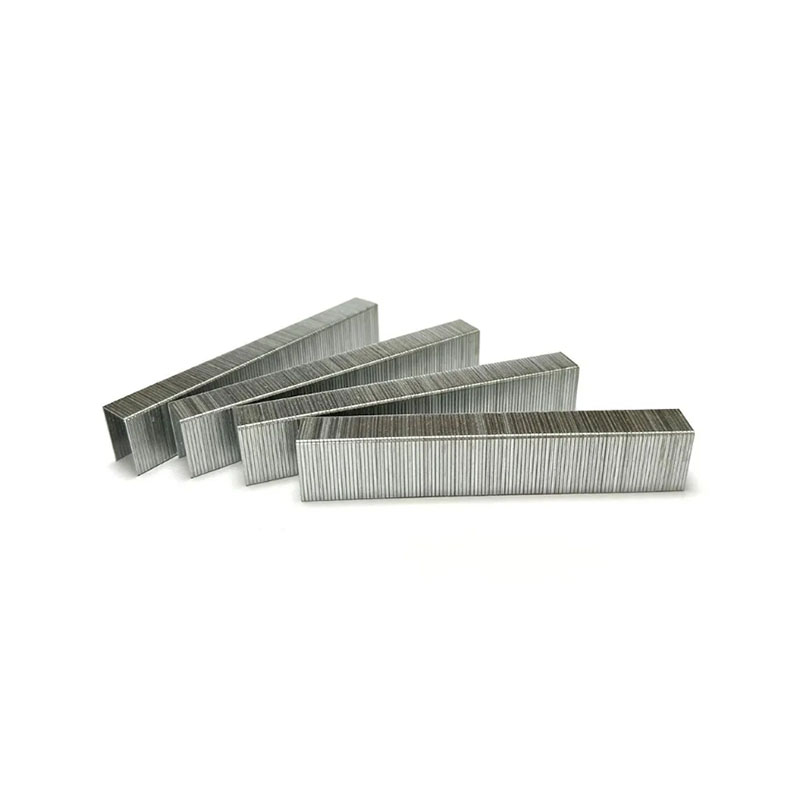
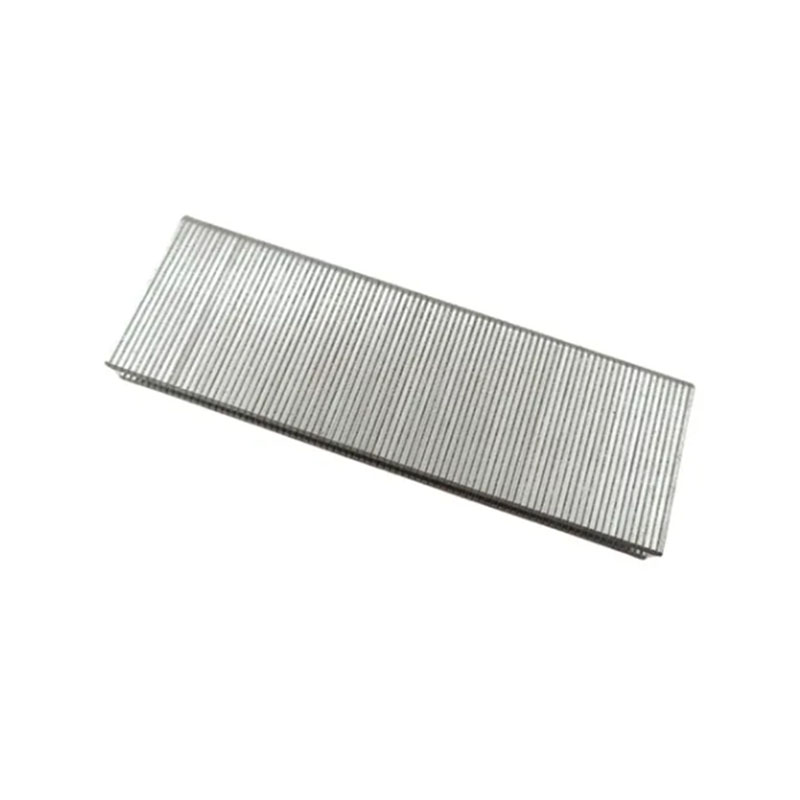
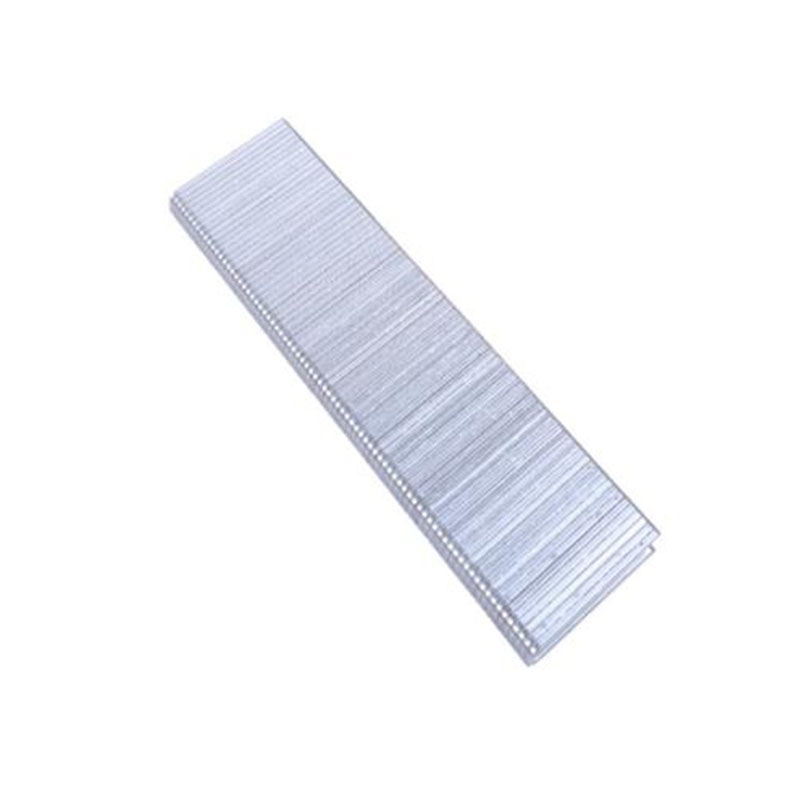
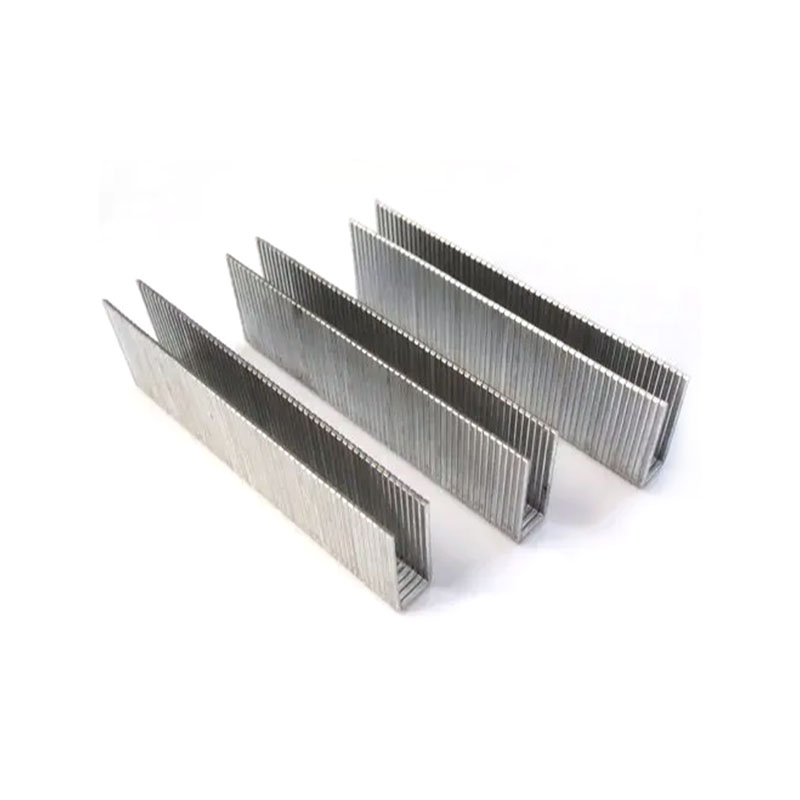
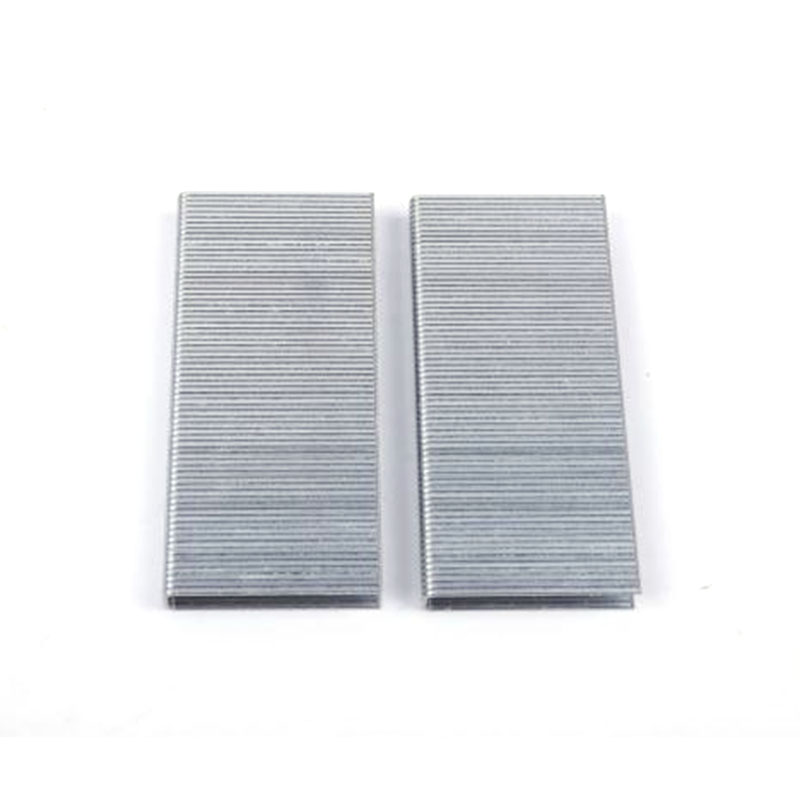
A Medium Wire Staple is a U-shaped fastener driven by a pneumatic or electric staple gun. Its "medium wire" designation primarily refers to its wire gauge, typically ranging from 16 to 18 gauge, which offers a solid compromise between strength and the ability to be driven without excessive force. The staple consists of two main parts: the crown (the top bridge) and the two legs (the pointed prongs). The crown width for medium wire staples is generally between 1/4 inch to 9/16 inch, providing a broader holding surface than narrow crown staples but not as wide as heavy-duty crown models. This specific combination of a sturdy wire thickness and a moderate crown width makes it exceptionally versatile for applications requiring reliable holding power against pull-through, such as attaching wire mesh, fencing materials, roofing felt, and insulation. They are a staple (pun intended) in the toolkit of fence builders, insulation installers, and carpenters.
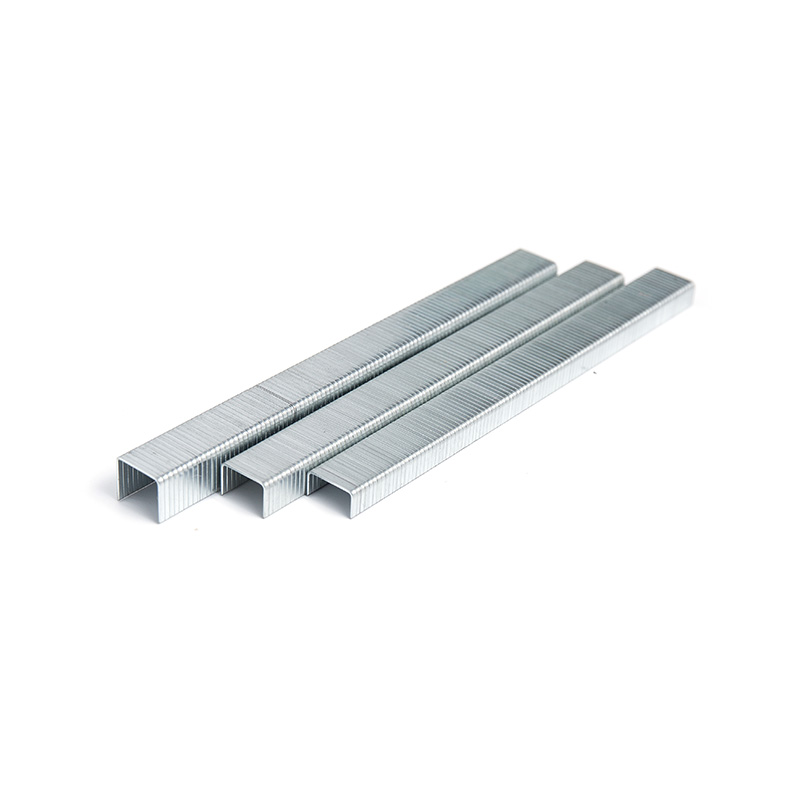
The Anatomy of a Staple: Crown, Legs, and Gauge
- Crown: The horizontal top part. A wider crown distributes force over a larger area, reducing the chance of tearing through softer materials like roofing paper or insulation batts.
- Legs: The vertical, pointed ends that penetrate the material. Leg length must be chosen to penetrate deeply enough into the base material (e.g., wood studs) for a secure hold.
- Gauge: Refers to the thickness of the wire. The lower the gauge number, the thicker and stronger the wire. A 16-gauge staple is thicker and stronger than an 18-gauge staple.
Common Material and Finish Options
Medium wire staples are commonly made from steel for strength. For corrosion resistance, they are available with different finishes: Galvanized (zinc-coated) staples offer good protection against rust for outdoor or damp interior use. Stainless steel staples provide the highest level of corrosion resistance for coastal areas or harsh environments but are more expensive. Plain steel (uncoated) staples are for interior, dry applications only.
Choosing the Right Staple: Medium Wire vs. Narrow Crown
A common point of confusion is the medium wire staple vs narrow crown staple comparison. While both are driven from similar tools, they are designed for different purposes. Narrow crown staples, as the name implies, have a very slim crown width (often 1/4 inch or less) and are typically made from finer wire (like 18 or 20 gauge). They are designed for discreet fastening in finish carpentry, cabinet assembly, and trim work where the fastener should be nearly invisible. The Medium Wire Staple, with its thicker wire and wider crown, is engineered for structural holding power and is used in rougher applications where appearance is secondary to strength. Choosing the wrong type can lead to fasteners pulling through material or failing to provide adequate support.
| Aspect | Medium Wire Staple | Narrow Crown Staple |
| Primary Use | Structural/Rough Work | Finish/Decorative Work |
| Crown Width | Wider (~3/8" to 9/16") | Narrow (~1/4" or less) |
| Wire Gauge | Thicker (16-18 Ga) | Thinner (18-20 Ga) |
| Holding Power | High (resists pull-through) | Moderate |
| Visibility | More visible | Less visible, discreet |
| Typical Application | Fencing, insulation, wire mesh, roofing underlayment | Trim, cabinet backs, thin paneling, crafts |
Application Focus: Selecting Staples for Specific Jobs
Selecting the correct staple involves matching its specifications to the materials and forces involved. Two of the most common queries are about what size medium wire staple for insulation and the best medium wire staple gun for fencing. For insulation batts or rolls, the staple must be long enough to penetrate through the insulation and securely into the wooden stud or rafter behind it, typically requiring a leg length of 1/2 inch to 1 inch. The wide crown helps hold the fluffy material without tearing. For fencing, especially attaching wire mesh or pickets to wooden rails, the staple needs substantial strength (16-gauge is standard) and length to bite deeply into the wood, resisting the constant tension and environmental stress on the fence.
Securing Insulation and Vapor Barriers
- Recommended Sizes: For standard fiberglass or rock wool batts, a medium wire staple 16 gauge 1/2 inch or 5/8 inch leg length is common. For thicker batts or when stapling over existing layers, a 3/4 inch or 1 inch leg may be necessary.
- Installation Tips: Staple through the insulation's paper or foil facing flange into the side of the stud. Do not over-compress the insulation, as this reduces its R-value. For vapor barriers, space staples approximately every 8-12 inches.
Building and Repairing Fences
- Staple Selection: Use 16-gauge medium wire staples with a leg length at least twice the thickness of the material being attached (e.g., for 1/4" wire mesh, use a 1/2" leg). Galvanized finish is essential for longevity.
- Choosing a Staple Gun: The best medium wire staple gun for fencing is a pneumatic (air-powered) model with sufficient driving power (PSI requirement) and a high-capacity magazine to minimize reloading stops. Look for a tool rated for 16-gauge staples up to the length you require.
Practical Skills: Installation and Removal Techniques
Proper technique ensures a secure hold and prevents damage. When installing, the staple gun must be held firmly perpendicular to the work surface to ensure the legs enter straight and at the correct depth. The depth adjustment on the gun should be set so the crown is flush with or slightly countersunk into the material without over-driving and weakening the hold. Sometimes, removal is necessary, requiring knowledge of how to remove medium wire staple without damaging wood. The goal is to extract the staple while minimizing tear-out or splintering of the wood fibers around the legs, which is especially important in visible or finished work.
Safe and Clean Removal Methods
- Using a Staple Puller: This is the best tool. Its forked tip slides under the crown. Leveraging against the wood with a rocking motion pulls the staple out evenly, minimizing damage.
- Using Locking Pliers (Vise-Grips): Grip the crown firmly with the pliers. Place a thin piece of wood or a putty knife under the pliers' jaw as a pivot point to roll the staple out, prying upwards gently.
- Using a Screwdriver and Pliers: For stubborn staples, first use a flat-head screwdriver to gently pry up the crown just enough to get the jaws of a regular plier underneath. Then, pull straight out, wiggling slightly if needed.
Decoding Sizes: Understanding Staple Codes
Staple sizes are typically listed in a format like "16 GA x 1/2" x 3/8". This can be confusing. Let's decode a common example: medium wire staple 16 gauge 1/2 inch. The first number (16 GA) is the wire gauge, indicating thickness. The second number (1/2") refers to the leg length (the depth the staple will penetrate). The third number (often present, e.g., 3/8") indicates the crown width. Therefore, this staple is made from 16-gauge wire, has legs half an inch long, and a crown three-eighths of an inch wide. Understanding this code is essential for purchasing the correct fastener for your project and tool compatibility.
A Quick Reference Chart of Common Sizes
| Gauge (Wire Thickness) | Common Leg Lengths | Typical Crown Width | Best For |
| 16 Ga (Medium) | 1/2", 5/8", 3/4", 1" | 3/8", 1/2", 9/16" | Fencing, Insulation, Roofing Felt |
| 18 Ga (Medium/Light) | 1/4", 5/16", 3/8", 1/2" | 1/4", 5/16" | Upholstery, Light Wire Mesh, Crafts |
FAQ
Can I use medium wire staples in a narrow crown staple gun?
No, you cannot. Staple guns are designed to fire a specific range of staple crown widths and wire gauges. A narrow crown staple gun has a driving blade and magazine channel that is too narrow to accept the wider crown of a Medium Wire Staple. Attempting to force them can jam the tool, damage the magazine, and is a safety hazard. Always use the staple type specified by the tool manufacturer.
Are medium wire staples rust-resistant?
Plain steel medium wire staples are not rust-resistant and should only be used indoors in dry conditions. For any application exposed to moisture, such as outdoor fencing, roofing, or basement insulation, you must use staples with a corrosion-resistant finish. Galvanized staples (zinc-coated) provide good protection for most outdoor uses. For maximum resistance in harsh environments (coastal salt air, chemical exposure), stainless steel staples are the best choice, though they are more expensive.
What's the difference between galvanized and stainless steel staples?
The difference is in the corrosion protection method. Galvanized staples are made of steel and coated with a layer of zinc. This zinc sacrificially corrodes to protect the underlying steel. They offer excellent protection for most situations. Stainless steel staples are made from an alloy (like 304 or 316 stainless) that is inherently resistant to rust and corrosion throughout the entire staple, not just as a coating. They are used in highly corrosive environments where even galvanized coatings might fail over time.
How many staples are in a typical strip/coil?
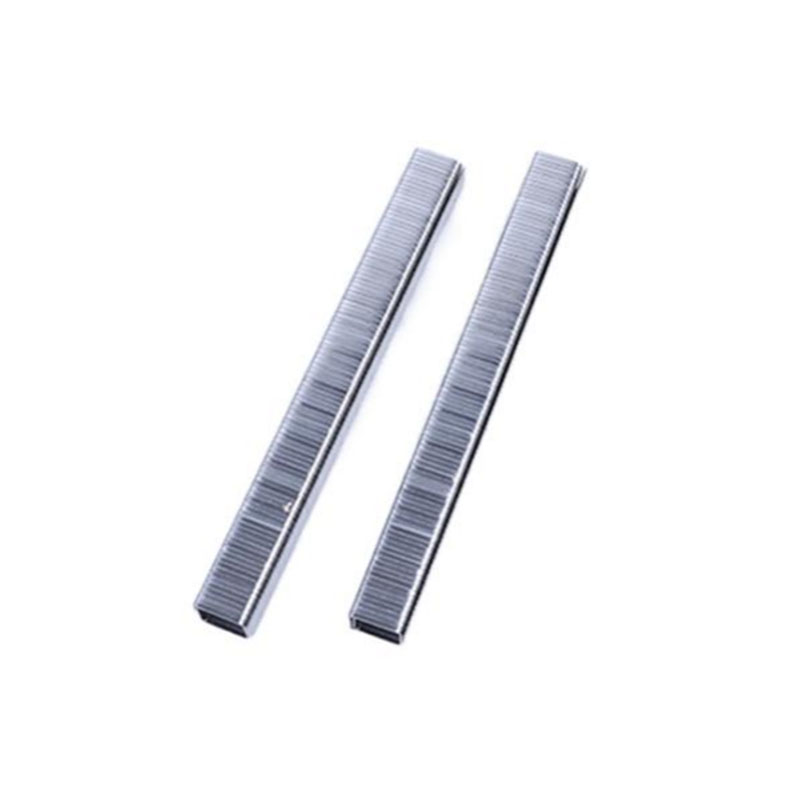
The count varies by staple size and manufacturer. For medium wire staples common in pneumatic tools, strips typically contain between 140 to 200 staples. Larger leg lengths or heavier gauges may have slightly fewer per strip due to increased wire volume. Coils for electric or heavy-duty pneumatic guns can hold significantly more, often ranging from 300 to over 1000 staples. Always check the product packaging for the exact count.
Can medium wire staples be used for outdoor furniture?
They can be used for structural parts of outdoor furniture, such as attaching webbing supports or securing frames, but only if they are made from a corrosion-resistant material. Plain steel staples will rust quickly outdoors, staining the wood and losing strength. Always use galvanized or, ideally, stainless steel medium wire staples for any outdoor furniture project to ensure longevity and maintain appearance.