English
 русский
 Español

Content
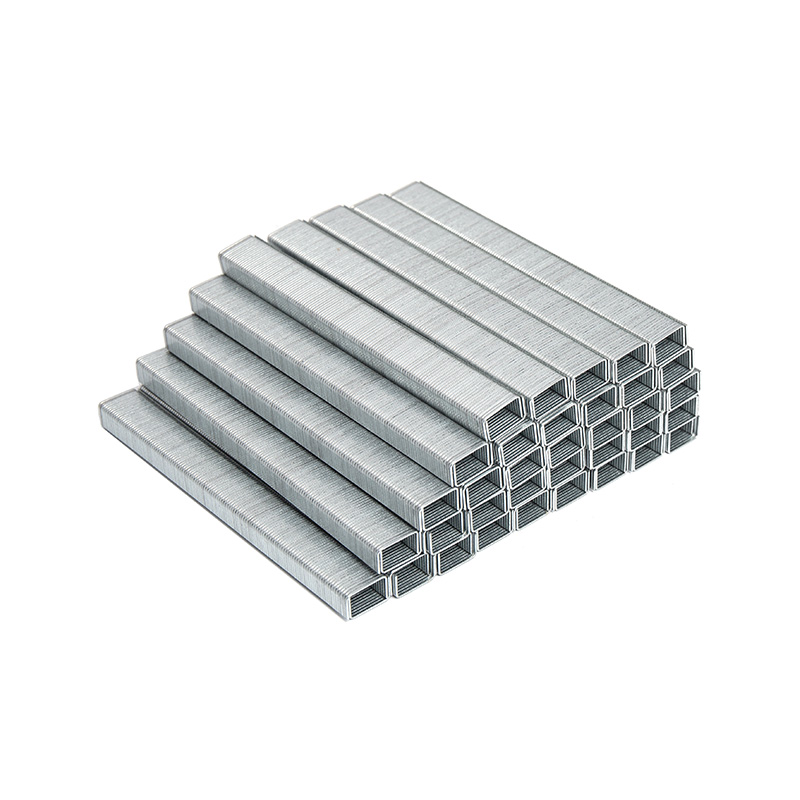
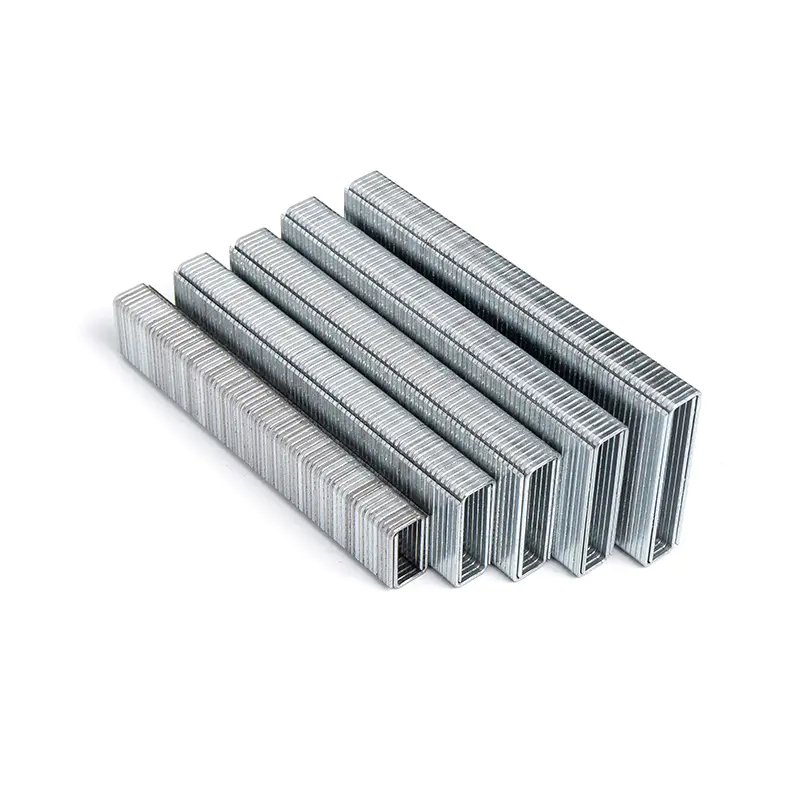
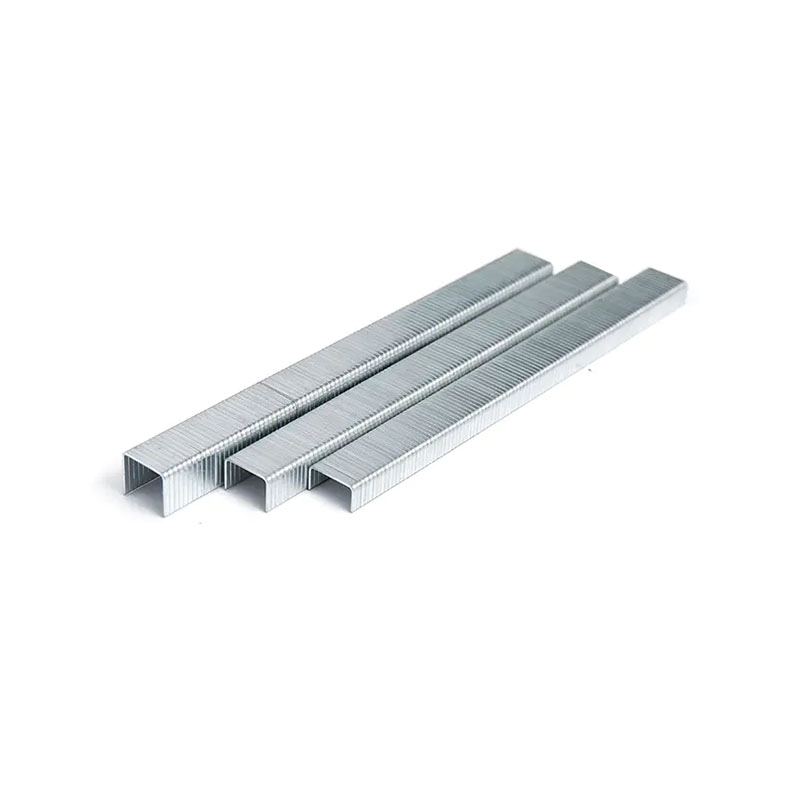
In the diverse and precise world of fastening solutions, the choice of the correct staple can mean the difference between a professional, clean finish and a damaged, unsightly workpiece. Among the myriad of options available to contractors and DIY enthusiasts, Thin Line Staples stand out as a specialized tool designed for delicate materials and high-precision applications. Unlike their heavier counterparts, these staples are manufactured with a finer wire gauge, allowing them to penetrate materials without causing splitting, warping, or large, visible holes. This makes them indispensable in industries where aesthetics are just as important as structural integrity. From the fine upholstery of antique furniture to the assembly of lightweight cabinetry, Thin Line Staples provide the holding power required while maintaining the material's original appearance. As the demand for finer, more unobtrusive fastening grows, understanding the technical specifications, gauge variations, and material compatibility of these staples becomes essential for achieving optimal results in both manufacturing and renovation projects.
Understanding Fine Wire Staples and Their Unique Advantages
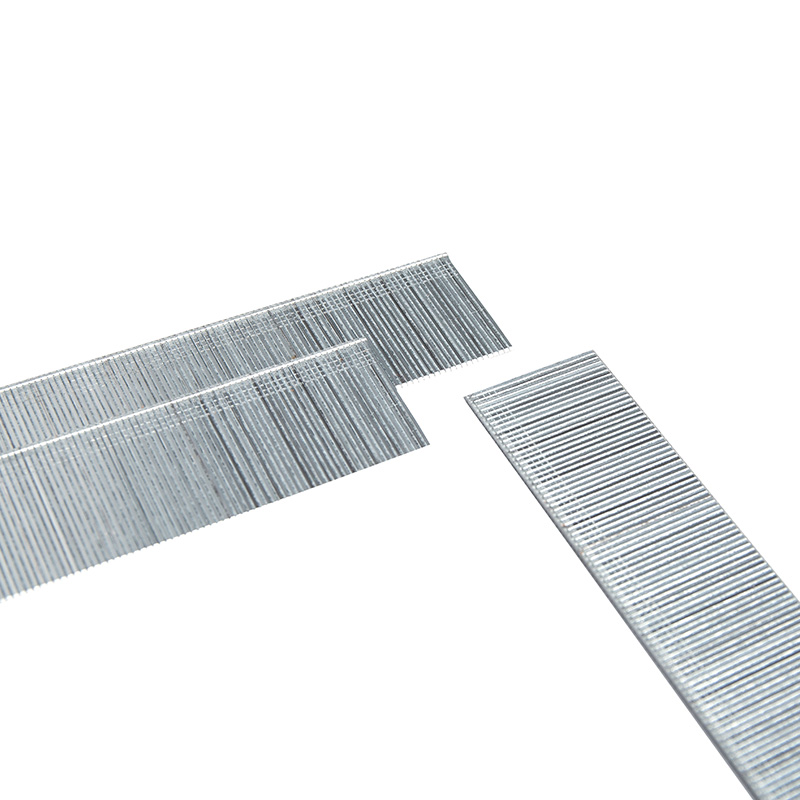
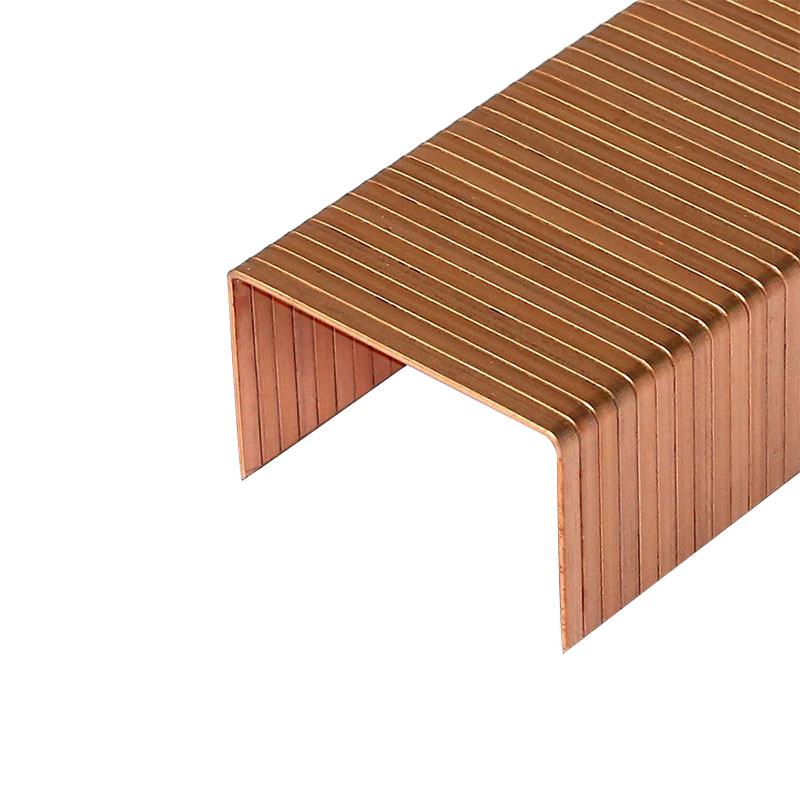
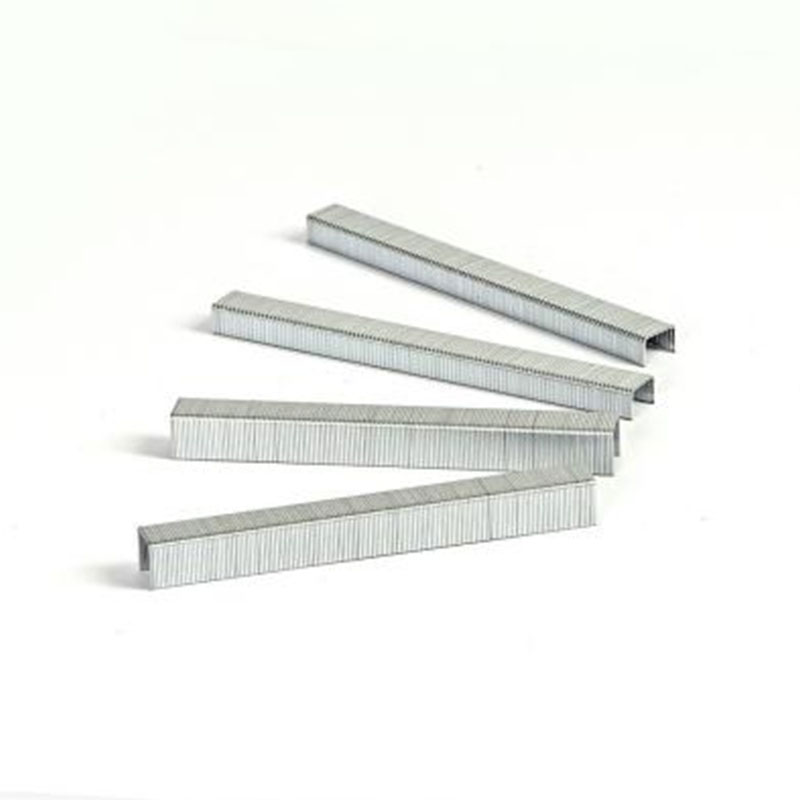
The term fine wire staples is often used interchangeably with thin line staples in the industry, referring to fasteners made from a thinner gauge of steel wire. The primary advantage of using fine wire staples lies in their reduced profile and width. Because the wire is thinner, the crown of the staple is narrower, and the legs are slimmer. This geometry is critical when working with materials that are prone to splitting, such as thin wood veneers, MDF, or delicate fabrics. The slender legs of the staple displace less material when driven, effectively reducing the internal pressure that causes wood to crack or fabric to bunch. Furthermore, the smaller entry hole left by fine wire staples is often easier to conceal with wood filler or paint, ensuring a seamless finish on visible surfaces. This combination of strength without bulk makes them the preferred choice for finish carpenters and cabinet makers who demand precision without compromise.
- Reduced Splitting: The thinner wire diameter minimizes damage to delicate substrates.
- Aesthetic Finish: Smaller crowns and legs leave less visible holes.
- High Holding Power: Despite their size, they offer excellent retention in softwoods and engineered materials.
- Corrosion Resistance: Often available in galvanized or stainless finishes for longevity.
Precision and Aesthetic Benefits for Delicate Projects
When undertaking projects that involve visible joinery or fine detailing, the fastener must be virtually invisible. Fine wire staples excel in this arena by providing a secure hold that does not dominate the visual landscape of the workpiece. In applications such as attaching back panels to cabinets, securing decorative trim, or assembling lightweight picture frames, the use of a heavy staple would be overkill and visually distracting. The refined nature of these staples allows them to hold components firmly together while remaining recessed enough to be easily covered. This precision is also vital in the manufacturing of consumer goods where the packaging or outer casing must be secure but aesthetically pleasing.
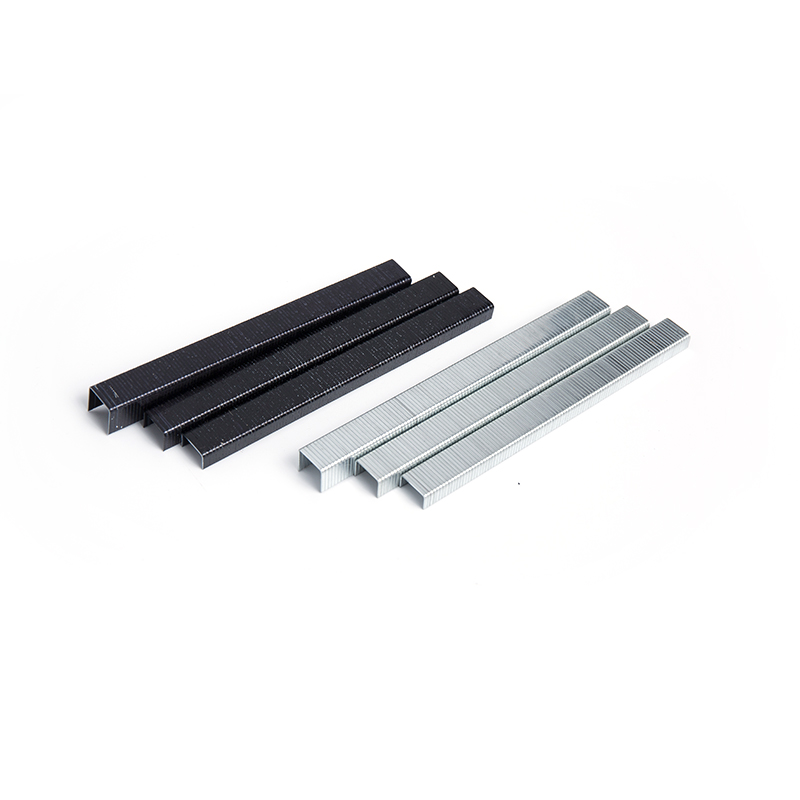
| Feature | Fine Wire Staple | Heavy Wire Staple |
| Wire Gauge | Thinner (e.g., 22-23 gauge) | Thicker (e.g., 15-16 gauge) |
| Crown Width | Narrow (approx. 3/16" - 1/4") | Wide (approx. 1/2" - 3/4") |
| Ideal Material | Veneers, fabric, thin wood | Framing lumber, roofing, fencing |
Applications in Upholstery and Fabric Work
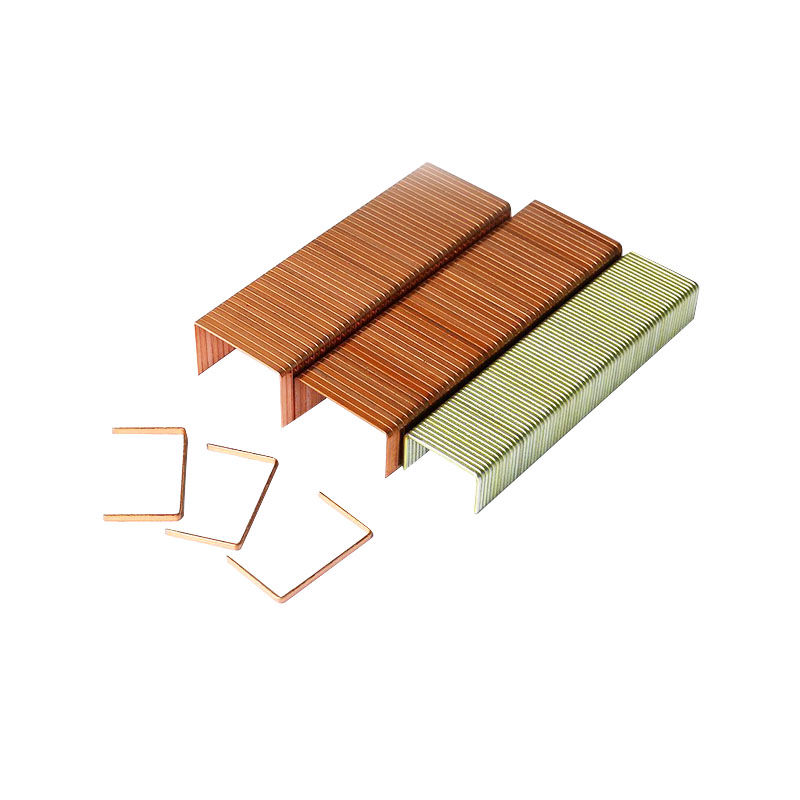
One of the most common applications for upholstery staples is in the furniture and interior design industry. Upholstering a chair or sofa requires securing fabric and padding to a wooden frame without damaging the fabric's weave or creating blemishes that are visible through the material. Upholstery staples, which are a specific subset of thin line staples, are designed to penetrate the hard wood of the frame while holding the soft fabric taut. The fine wire design ensures that the staple does not tear through delicate fabrics like silk or thin vinyl. Additionally, the compatibility of these staples with pneumatic upholstery guns allows for rapid, consistent firing, which is crucial for maintaining the even tension required across large surface areas of furniture.
- Fabric Integrity: Securely holds textiles without tearing the weave.
- Surface Concealment: Narrow crown is easily hidden under fabric folds.
- Efficiency: Designed for high-speed pneumatic application in furniture manufacturing.
Key Specifications: 18 Gauge Staples and Their Uses
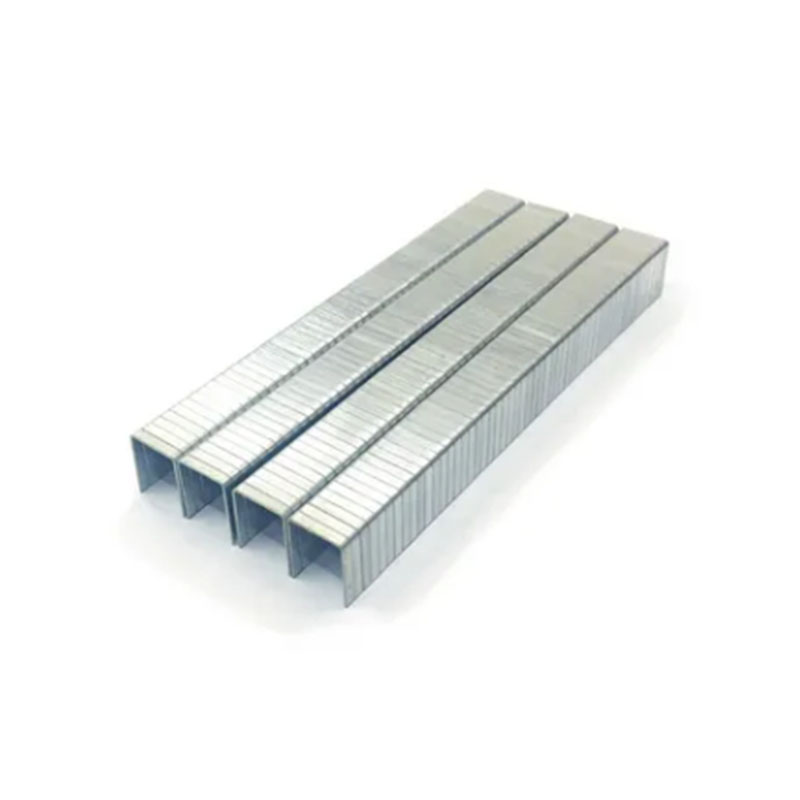
In the technical specifications of fasteners, the "gauge" refers to the thickness of the wire used to make the staple. 18 gauge staples represent a specific middle-ground category within the realm of Thin Line Staples and light-duty fasteners. They are slightly thicker and stronger than the ultra-fine 22 or 23 gauge staples but significantly thinner than the heavy-duty 16 gauge varieties. This makes 18 gauge staples incredibly versatile. They offer a perfect balance of strength and discretion, making them suitable for applications that require more holding power than fine wire can provide, but where the material is still too delicate for heavy-duty staples. Common uses include attaching molding, installing particle board underlayment, and assembling light wooden crates. The structural integrity of 18 gauge staples ensures that the connection remains secure under stress, while the profile remains relatively unobtrusive.
- Versatile Strength: Stronger than fine wire, suitable for medium-density woods.
- Reduced Visibility: Smaller than construction staples, ideal for trim work.
- Wide Compatibility: Fits a wide range of narrow-crown stapler models.
- Penetration Depth: Sufficient length available for joining materials of varying thickness.
Comparing 18 Gauge Staples to Heavier Alternatives
Understanding the mechanical differences between staple gauges is crucial for selecting the right tool for the job. While 18 gauge staples are robust, they are not a replacement for 16 gauge staples in structural applications like sheathing or roofing. The thinner shank of an 18 gauge staple means it has less shear strength. However, in applications like cabinet assembly or paneling, a 16 gauge staple might split the wood or require excessive fill to hide. 18 gauge staples provide the necessary clamping force to pull joints together securely without causing damage. This balance makes them a "sweet spot" for finish carpenters and framers who need reliability without the bulk of industrial fasteners.
| Gauge | Shear Strength | Visibility | Primary Use |
| 18 Gauge | Medium | Low | Trim, cabinetry, paneling |
| 16 Gauge | High | Medium | Upholstery framing, roofing felt |
| 14-15 Gauge | Very High | High | Construction, fencing, pallets |
Ideal Use Cases for Light Duty Staples
The term light duty staples encompasses a broad range of products, including 18 gauge staples and fine wire varieties. These fasteners are engineered for applications where the load-bearing requirements are moderate to low. Ideal use cases include insulation installation, wire mesh attachment, crafting, and light wood assembly. In these scenarios, the immense holding power of a framing staple is unnecessary and potentially detrimental. Light duty staples provide adequate retention to keep materials in place while being cost-effective and easy to drive. For example, when installing house wrap or insulation batts, the goal is to hold the material taut against the framing without tearing the barrier material. Light duty staples penetrate just enough to secure the membrane without causing damage that could lead to energy loss or moisture intrusion.
- Insulation Installation: Secures fiberglass and foam boards without tearing facing.
- Wire Management: Attaches low-voltage wiring and cables to framing.
- Crafting: Perfect for woodworking hobbies and model building.
Ensuring Quality with Zhejiang Tianying Hardware Co., Ltd.
In the fastener industry, consistency and quality control are the pillars of a reputable supplier. Zhejiang Tianying Hardware Co., Ltd. was established in 2017 (the original Hangzhou Tianying Gunners factory had a history of 21 years) and it is one of the earliest production enterprises in the nail industry. This deep-rooted history provides a foundation of technical expertise that is rare in the market. We are China Wholesale Medium Wire Staples, and Medium Wire Staples Manufacturers. Now our company is located in Anji, belongs to the Yangtze river delta economic zone, the traffic is very convenient. The strategic location in the Yangtze River Delta, a global manufacturing hub, ensures that the company has access to high-quality raw materials and efficient logistics networks to serve a global clientele. The company is a professional collective of research, design, production, and sales, ensuring that every product that leaves the factory meets rigorous international standards for durability and performance.
- Deep Expertise: Over 20 years of history in fastener production.
- Strategic Location: Based in Anji, within the Yangtze River Delta economic zone.
- Comprehensive Integration: Combines R&D, manufacturing, and sales under one roof.
- Global Reach: Capable of exporting products worldwide with convenient logistics.
A Legacy of Excellence in the Nail Industry
Experience is the best teacher in manufacturing, and the legacy of Zhejiang Tianying Hardware Co., Ltd. speaks volumes about its capability. Being one of the earliest production enterprises in the nail industry means that the company has witnessed and adapted to the evolution of fastening technology. From the original Hangzhou Tianying Gunners factory to the modern entity in Anji, the core mission has remained unchanged: to provide superior fastening solutions. This historical perspective allows the company to maintain consistency in the production of Thin Line Staples, ensuring that batch after batch, the dimensions and metallurgy remain identical. Customers can rely on this consistency for their automated assembly lines and pneumatic tools, preventing jams and ensuring smooth operations.
| History | Established 2017 (Factory history 21 years) |
| Industry Role | Earliest production enterprises in nail industry |
| Core Products | China Wholesale Medium Wire Staples |
Research, Design, and Production Capabilities
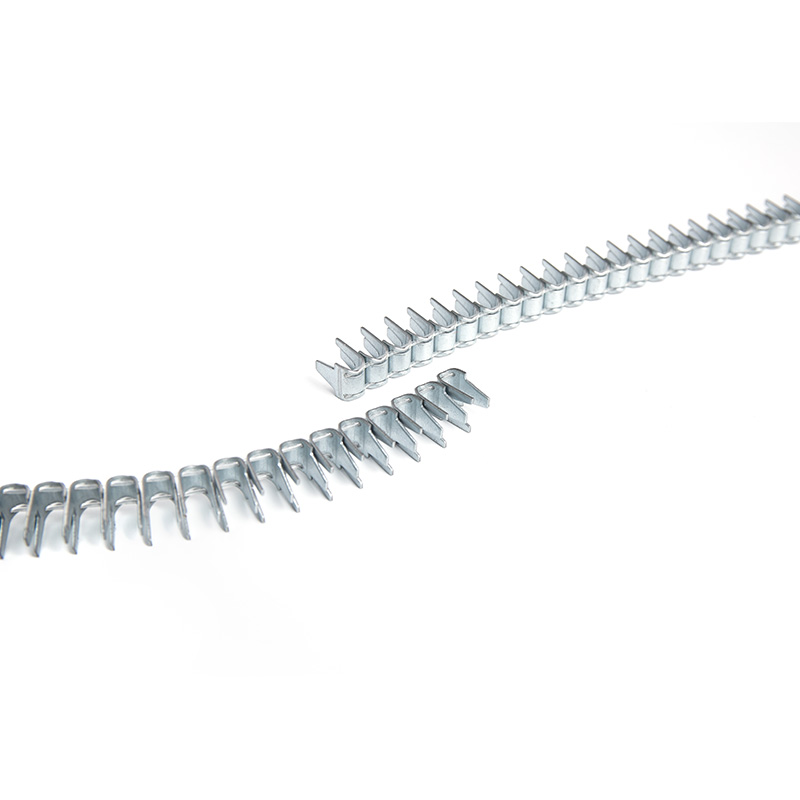
The company is a professional collective of research, design, production, and sales. This integrated approach allows for rapid innovation and customization. Whether a client needs a specific coating for corrosion resistance, a unique leg length for a specialized substrate, or a specific crown width for a new pneumatic tool, the in-house R&D team at Zhejiang Tianying Hardware Co., Ltd. can design and produce the solution. Products ranging from industrial nails, pneumatic nails, straight gun nails, nails, bed net clip code nails, C nails, home nails, decoration wall nails to fiberboard nails. This diverse portfolio demonstrates the company's versatility. The utilization of advanced manufacturing technologies ensures that even complex items like fine wire staples are produced with high precision, minimizing defects and maximizing performance for the end-user.
- Custom Solutions: Tailored designs for specific industrial applications.
- Advanced Manufacturing: High-tech production lines for consistency.
- Diverse Portfolio: From industrial nails to specialized fasteners like C nails.
Diverse Product Range Beyond Thin Line Staples
While Thin Line Staples and fine wire fasteners are a specialty, the product offering extends far beyond delicate applications. The company's catalog is extensive, catering to a wide spectrum of construction and manufacturing needs. Products ranging from industrial nails, pneumatic nails, straight gun nails, nails, bed net clip code nails, C nails, home nails, decoration wall nails to fiberboard nails. This diversity is a testament to the company's adaptability and technical prowess. By offering such a broad range, including heavy-duty industrial nails and specialized fasteners like bed net clip code nails and C nails, the company positions itself as a one-stop-shop for hardware distributors and contractors alike. This holistic approach ensures that customers can source all their fastening needs from a single reliable partner, simplifying supply chains and ensuring consistent quality across different product categories.
- Industrial Strength: Heavy-duty nails for construction and structural applications.
- Pneumatic Fasteners: Optimized for high-speed air-powered tools.
- Specialty Items: Unique fasteners like bed net clip code nails and C nails for niche markets.
- Decorative Solutions: Decoration wall nails designed for aesthetic mounting.
Industrial Nails and Pneumatic Solutions
For heavy-duty applications, the company provides robust industrial nails and pneumatic nails designed to withstand high stress and rapid firing rates. Pneumatic nails are engineered to work seamlessly with compressed air tools, featuring precise point geometries that prevent wood splitting even in dense lumber. The production of these nails involves strict quality control measures regarding hardness and ductility to ensure they do not jam in tools or bend upon impact. Whether it is for framing, sheathing, or concrete formwork, the industrial nails produced offer the reliability required for professional construction sites where safety and speed are paramount.
| Product Category | Example | Application |
| Pneumatic Nails | Coil Nails, Stick Nails | Framing, Sheathing, Decking |
| Straight Gun Nails | Finish Nails, Brad Nails | Trim, Cabinetry, Molding |
| Industrial Nails | Common Nails, Box Nails | General Construction, Crates |
Comprehensive Selection for Construction and Decoration
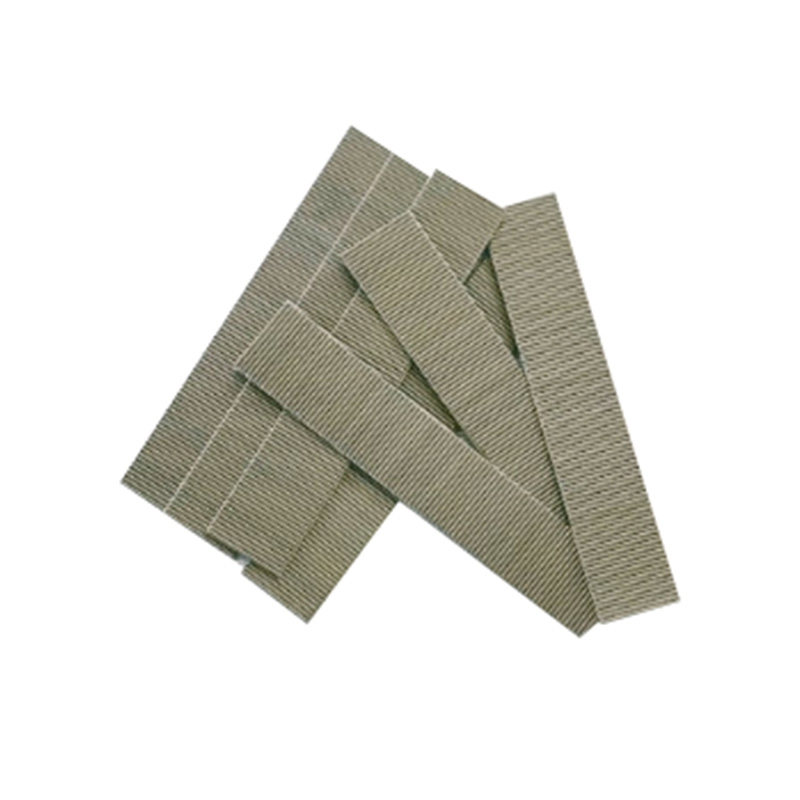
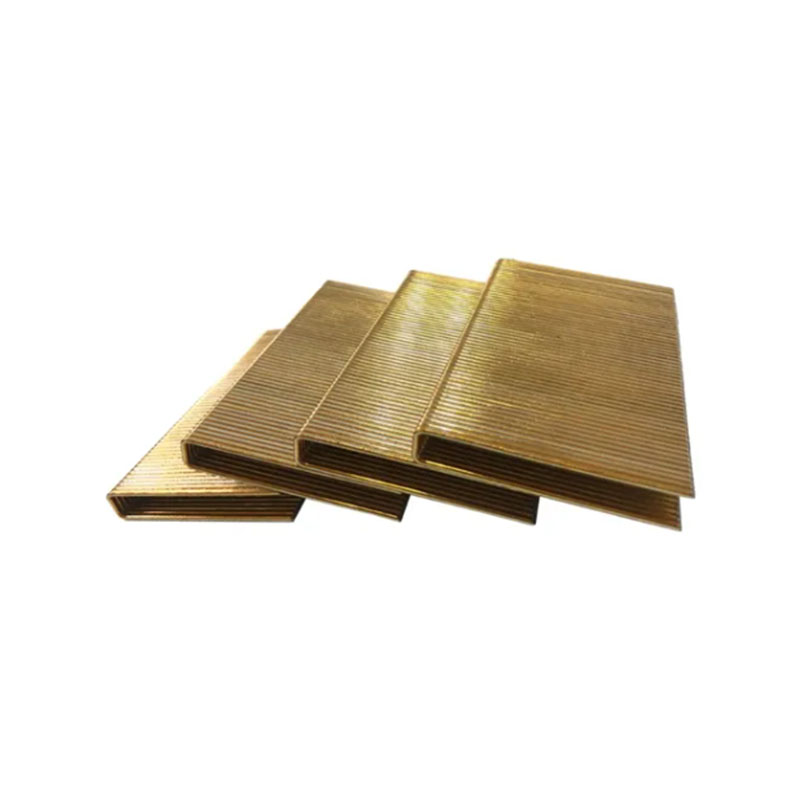
Beyond the structural elements, the company also caters to the finishing and decorative sectors of the market. Home nails and decoration wall nails are designed with aesthetics in mind, featuring smaller heads and various finishes, such as brass or black oxide, to blend with the decor. Fiberboard nails are specially designed with rings or threads to provide extra holding power in engineered wood products like MDF or particleboard, which are notorious for being difficult to fasten. By offering such a specialized variety, the company ensures that whether a contractor is building a house or an interior designer is hanging artwork, they have access to the precise fastener required for the job.
- Decorative Finishes: Polished and coated nails for visible applications.
- Engineered Wood Solutions: Threaded fiberboard nails for superior grip in MDF.
- Home Improvement: Versatile nails for DIY and repair tasks.
FAQ
Can I use Thin Line Staples for exterior applications?
While Thin Line Staples can be used for exterior projects, it is crucial to select the right material finish to prevent rust and corrosion. Standard steel staples will rust quickly when exposed to moisture. For outdoor use, look for fine wire staples or 18 gauge staples that are made from stainless steel (such as 304 grade) or have a high-quality galvanized coating (hot-dipped galvanized). These materials are designed to withstand the elements without compromising the structural integrity of the staple. Always ensure the staple material is compatible with the material being fastened to avoid galvanic corrosion.
What is the difference between a staple gun for 18 gauge staples and fine wire staples?
The primary difference lies in the size of the magazine and the driving mechanism. A tool designed for 18 gauge staples will generally have a slightly wider magazine slot than one designed for ultra-fine staples. While some "multi-purpose" tools may claim to handle both, it is generally best practice to use a tool specifically calibrated for the gauge you are using. Using a staple gun designed for light duty staples ensures that the staple is driven straight and with the correct amount of force, preventing jams and ensuring that the staple is seated flush with the work surface.
Are Fine Wire Staples strong enough for holding furniture together?
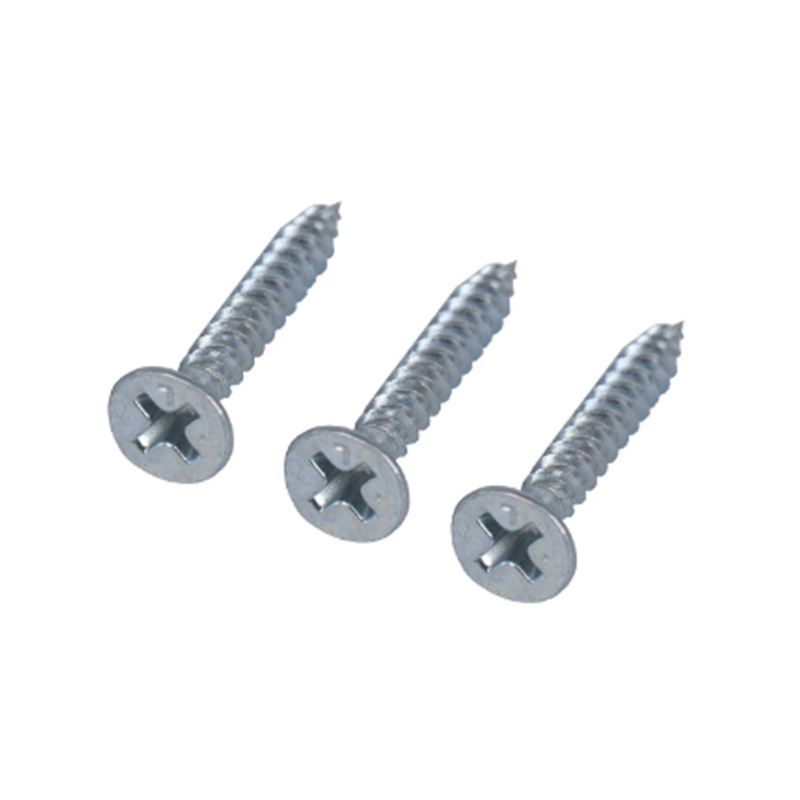
Yes, fine wire staples are specifically designed for furniture assembly and upholstery. In applications like attaching fabric to a frame or securing thin back panels, they provide more than enough strength. However, for structural joints in furniture—such as connecting the legs to the frame—wood screws or dowels are typically recommended in conjunction with glue for maximum longevity. Fine wire staples are excellent for holding components in place while glue dries or for securing non-structural elements, ensuring the furniture is durable and aesthetically pleasing.
How do I choose the right leg length for Thin Line Staples?
The general rule of thumb for choosing the leg length of Thin Line Staples is that the staple should penetrate the base material (the material you are fastening to) by approximately 1/4 inch to 3/8 inch. If you are fastening two pieces of material together, you must calculate the total thickness of the top material plus this penetration depth. For example, if you are securing a 1/4-inch piece of plywood to a frame, you would choose a staple length of roughly 5/8 inch (1/4 inch for the plywood + 3/8 inch for penetration). Using a staple that is too short will result in a weak connection, while one that is too long may poke through the other side.