English
 русский
 Español

Content
- 1 What Exactly Are Thin Line Staples and How Do They Differ?
- 2 A Practical Guide: Thin Crown Staples Sizes and Selection
- 3 Tool Compatibility and Sourcing: What You Need to Know
- 4 Conclusion: Making the Right Choice with Confidence
- 5 Frequently Asked Questions (FAQ)
- 5.1 1. Can I use Thin Line Staples in a standard staple gun?
- 5.2 2. What is the difference between 18-gauge and 20-gauge thin crown staples?
- 5.3 3. Are Thin Line Staples strong enough for furniture assembly?
- 5.4 4. How do I prevent Thin Line Staples from going all the way through my material?
- 5.5 5. What does "chisel point" mean in the context of thin wire staples?
- 6 References
Selecting the correct fastener is a critical decision that impacts both the structural integrity and the aesthetic finish of your work. For professionals in woodworking, upholstery, and light construction, the choice between fasteners often comes down to a specific category: Thin Line Staples. This guide provides an in-depth, technical analysis of these staples, helping you determine if they are the optimal solution for your manufacturing or project needs.
What Exactly Are Thin Line Staples and How Do They Differ?
Defining the “Thin Line”: More Than Just a Narrow Crown
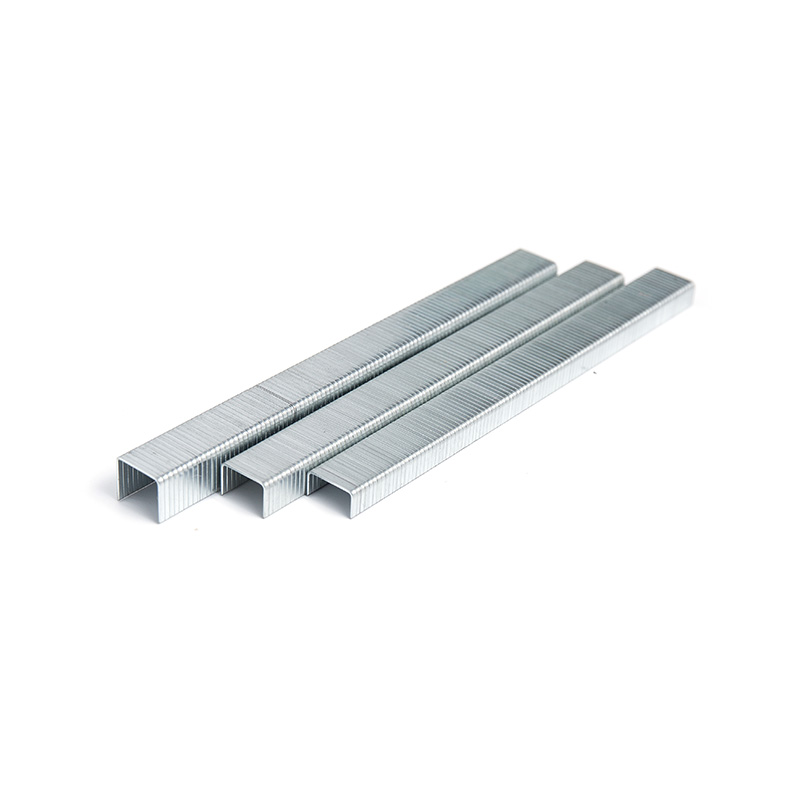
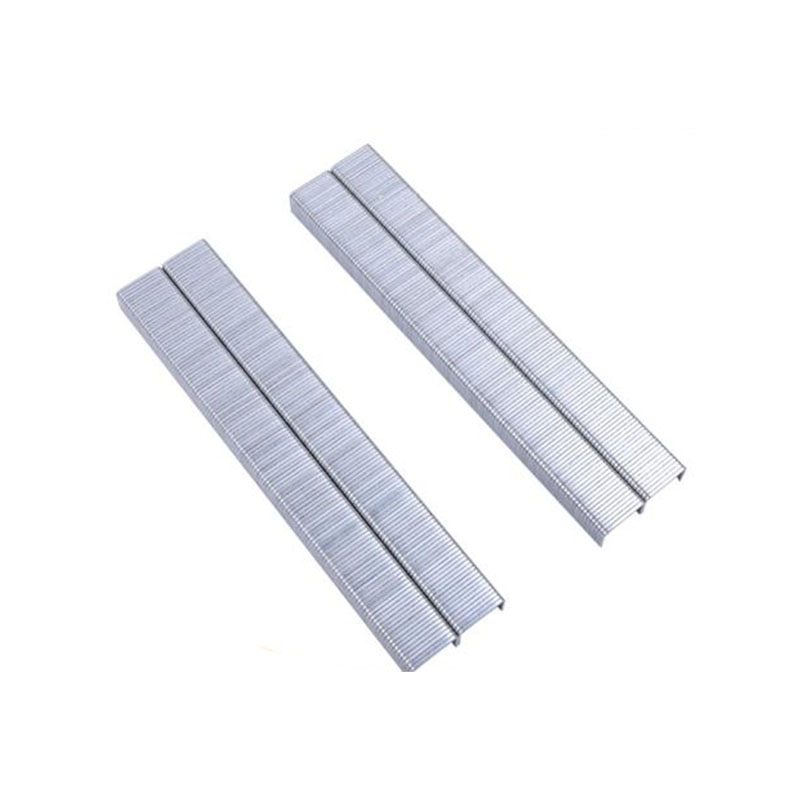
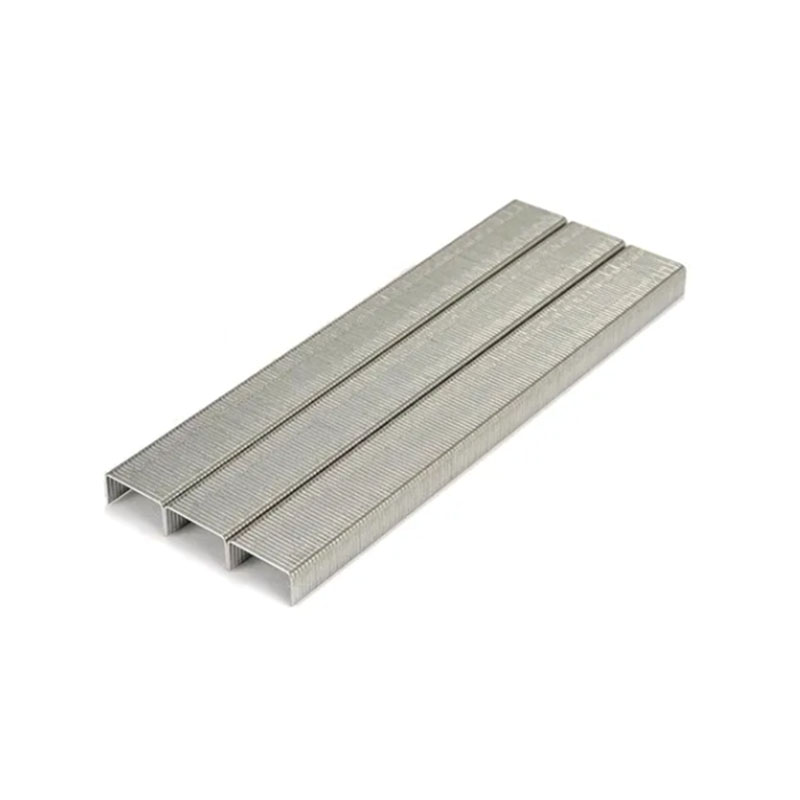
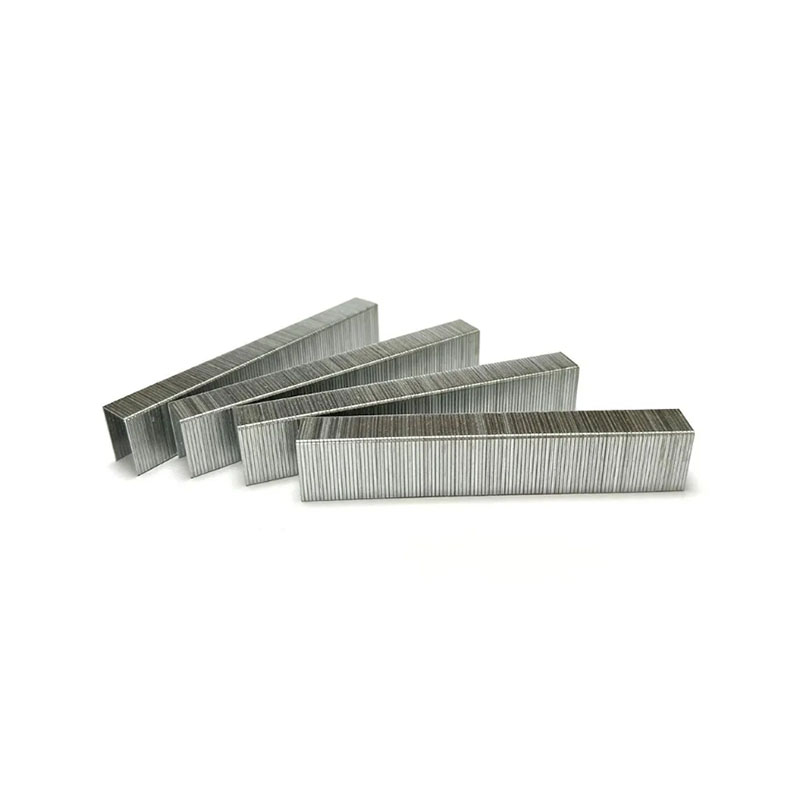
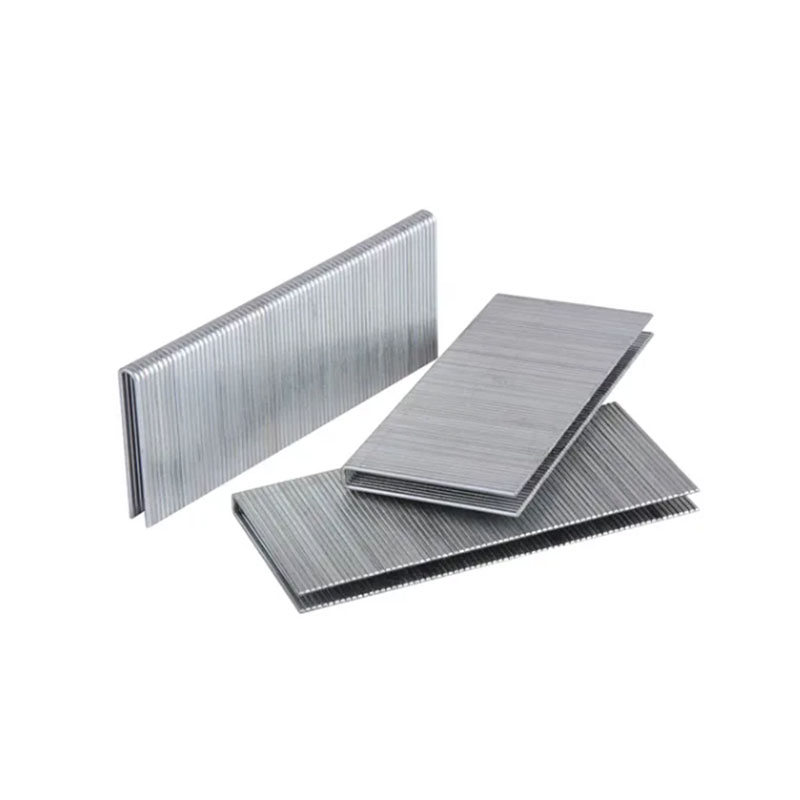
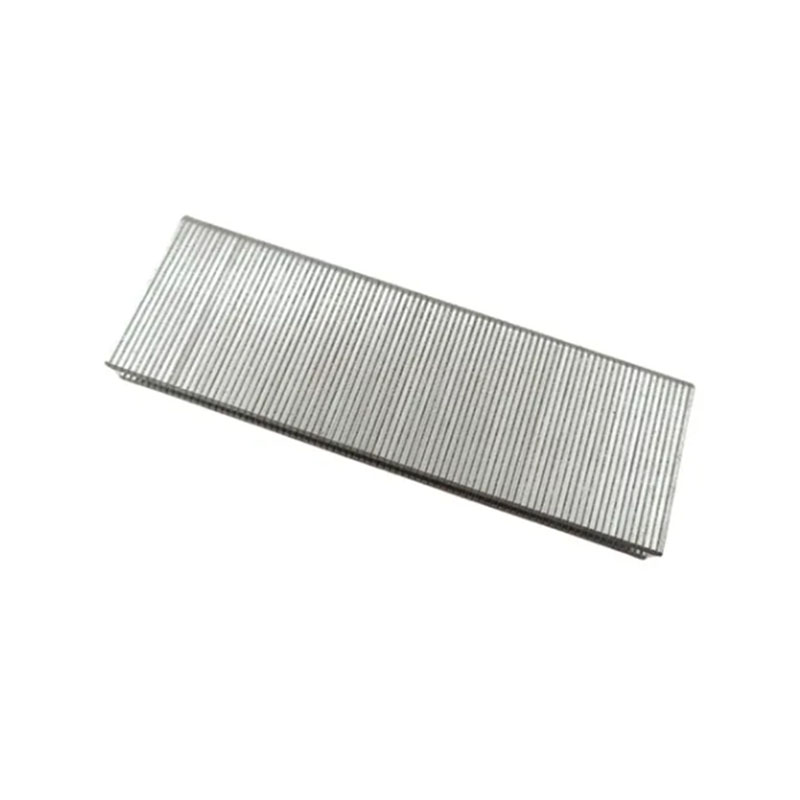
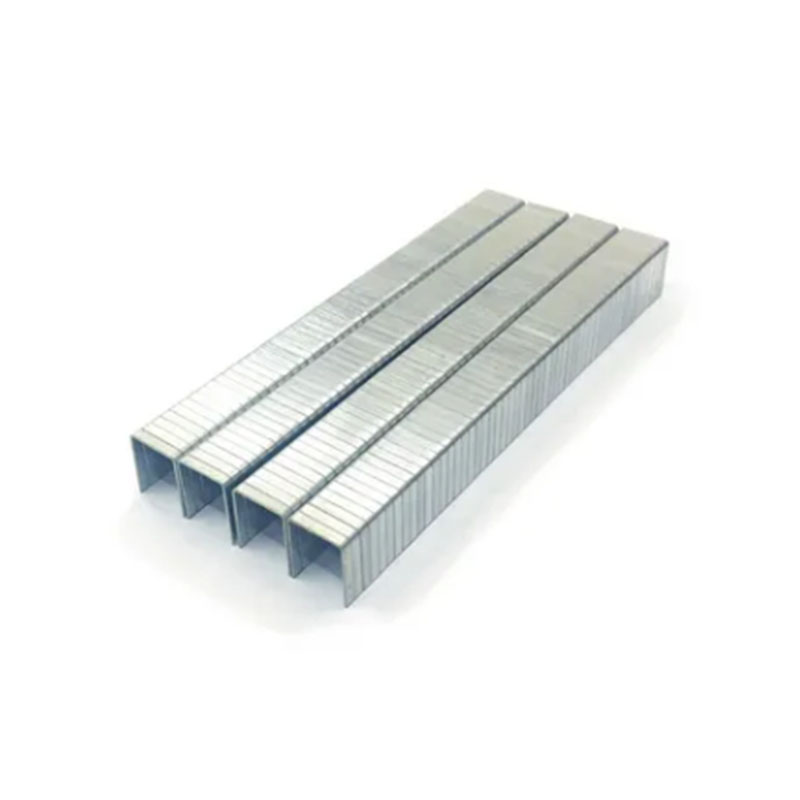
The term "thin line" refers to a specific class of staples characterized by a narrow crown and a finer wire diameter compared to standard construction staples. These fasteners are engineered for precision applications where holding power must be balanced with minimal material displacement. Typically, Thin Line Staples utilize a wire gauge between 18 and 22, allowing them to sit flush or slightly below the surface of the material.
Key Differences: Thin Line Staples vs. Standard Staples
While both tools serve to join materials, their engineering and application domains differ significantly. The primary distinction lies in the crown width and wire thickness, which directly influence the staple's purpose. A standard staple, often used in framing or construction, prioritizes maximum holding strength. In contrast, a thin line staple prioritizes finish and precision. Below is a technical breakdown of these differences.
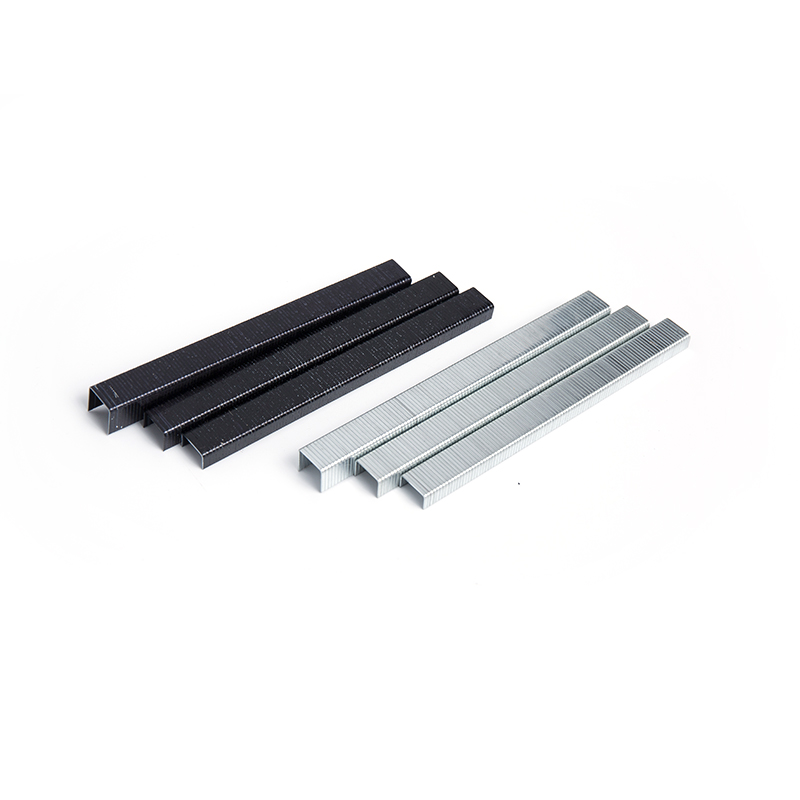
Technical Comparison: Thin Line vs. Standard Staples
| Feature | Thin Line Staples | Standard Staples |
|---|---|---|
| Crown Width | Narrow (Typically 3/16" to 1/2") | Wide (Typically 1/2" to 1") |
| Wire Diameter (Gauge) | Fine (18-gauge to 22-gauge) | Thick (16-gauge or lower) |
| Primary Application | Finish work, trim, cabinetry, thin line staples for upholstery | Heavy-duty construction, framing, decking |
| Material Impact | Minimal surface damage, reduced splitting | High holding force, can split delicate wood |
| Typical Tool | Pneumatic or electric narrow crown stapler | Framing nailer or wide crown stapler |
Why Choose Thin Line Staples? Advantages for Detailed Work
The engineering behind thin line staples offers distinct advantages in specific scenarios. Their design minimizes the visual impact of the fastener, which is essential for high-end finish work. Furthermore, the reduced displacement of material fibers significantly lowers the risk of splitting hardwoods and delicate substrates. In upholstery, for instance, the fine wire secures fabric without creating bulky lumps or tearing the textile.
- Aesthetic Precision: The narrow crown is easily concealed with wood filler, making it ideal for moldings and decorative trims.
- Material Preservation: The fine wire penetrates without cracking brittle materials like oak or MDF.
- Upholstery Application: The staple's profile holds fabric tautly to the frame without causing ripples or damage.
A Practical Guide: Thin Crown Staples Sizes and Selection
Decoding the Numbers: Your Go-To Thin Crown Staples Sizes Chart
Selecting the correct size is a matter of material science and mechanical engineering. The two critical dimensions are the wire gauge (thickness) and the leg length (penetration depth). Using a standardized thin crown staples sizes chart ensures that the fastener provides adequate clamping force without penetrating through the workpiece. The choice of material coating also dictates the staple's longevity and corrosion resistance.
Standard Size Specifications and Material Applications
| Wire Gauge | Leg Length (inches) | Typical Crown Width | Recommended Material | Application Example |
|---|---|---|---|---|
| 18-gauge | 1/4" to 1-1/2" | 3/16" or 7/32" | Softwoods, Hardwoods, Plywood | Cabinet assembly, door casings |
| 20-gauge | 3/8" to 1" | 1/8" or 3/16" | Particle board, thin plywood | Drawer construction, light trim |
| 22-gauge | 1/4" to 5/8" | Mitered or very narrow | Fabric, thin veneers, paper | Thin line staples for upholstery backing |
| Material Coating: Galvanized for moisture resistance; Stainless Steel for extreme corrosion; Uncoated wire for interior dry applications. | ||||
How to Choose the Correct Size for Your Project
Engineers and purchasing agents must consider the material's density and thickness. A fundamental rule is that the staple leg should penetrate the base material to a depth roughly three times the thickness of the top material being attached. For example, if attaching a 1/4" thick trim piece, a staple leg length of at least 3/4" is required to ensure a secure hold. For outdoor furniture or marine applications, specifying stainless steel thin line staples is non-negotiable to prevent galvanic corrosion.
Tool Compatibility and Sourcing: What You Need to Know
Finding the Perfect Match: Best Thin Wire Staples for Your Brad Nailer
A common point of confusion in workshops is the difference between a brad nailer and a narrow crown stapler. While both are used for finish work, they accept different fasteners. Best thin wire staples for brad nailer is technically a misnomer; brad nailers use headless brad nails, not staples. For thin line staples, you require a narrow crown stapler. It is imperative to consult your tool's manual for the specific gauge, crown width, and leg length it accepts. Using incorrect fasteners can cause jams, poor driving depth, and damage to the tool's drive mechanism. Manufacturers engineer tools with specific magazine angles and drive blades; therefore, always verify compatibility before bulk purchasing.
Where to Buy Quality Thin Line Staples?
Sourcing fasteners involves a decision between local retail and direct wholesale procurement. Local hardware stores offer immediate availability for small projects. However, for consistent quality and cost-effectiveness in volume, engaging directly with a manufacturer is the superior strategy. Zhejiang Tianying Hardware Co., Ltd. was established in 2017 (the original Hangzhou Tianying Gunners factory had a history of 21 years) and it is one of the earliest production enterprises in the nail industry. We are China Wholesale Medium Wire Staples, and Medium Wire Staples Manufacturers. Now our company is located in Anji, belongs to the Yangtze river delta economic zone, the traffic is very convenient. The company is a professional collective of research, design, production, and sales. Products ranging from industrial nails, pneumatic nails, straight gun nails, nails, bed net clip code nails, C nails, home nails, decoration wall nails to fiberboard nails. The company has self-management import and export rights, always adhering to the "quality of survival, quality of development, quality to benefit" policy, so that we dedicated to serving our customers. When you are evaluating where to buy thin line staples near me, consider that a direct partnership with a manufacturer like Zhejiang Tianying Hardware ensures supply chain stability and adherence to strict quality standards.
Conclusion: Making the Right Choice with Confidence
Understanding the specific engineering and application of Thin Line Staples is essential for achieving professional results. By differentiating between thin line staples vs standard staples and consulting a thin crown staples sizes chart, you can select the precise fastener for any task, from delicate thin line staples for upholstery to robust cabinet assembly. Whether you are a craftsman searching for the best thin wire staples for brad nailer compatibility or a procurement manager looking for where to buy thin line staples near me at wholesale prices, prioritizing quality and correct specification will define the success of your project.
Frequently Asked Questions (FAQ)
1. Can I use Thin Line Staples in a standard staple gun?
No, you cannot. Standard staple guns are designed for wider crown staples with thicker wire. Thin Line Staples require a specific narrow crown stapler that has a magazine and drive blade engineered to handle the finer wire gauge and precise crown dimensions. Using them in the wrong tool will cause jams and potential damage.
2. What is the difference between 18-gauge and 20-gauge thin crown staples?
The primary difference is the thickness of the wire. An 18-gauge staple is thicker and offers greater holding power, making it suitable for attaching heavier trim and moldings. A 20-gauge staple is finer and is often used for lighter applications like cabinet backing or upholstery where minimizing material damage is critical. Your project's structural requirements will dictate the necessary gauge.
3. Are Thin Line Staples strong enough for furniture assembly?
Yes, for many types of furniture assembly, they are not only strong enough but are the preferred fastener. For case goods, drawers, and decorative elements, the holding power of an 18-gauge Thin Line Staple is sufficient, especially when combined with wood glue. However, for structural joints in load-bearing frames, mechanical fasteners like dowels, screws, or mortise-and-tenon joints are typically required.
4. How do I prevent Thin Line Staples from going all the way through my material?
This issue is usually solved by adjusting the air pressure on your pneumatic tool or the driving depth setting on an electric model. Additionally, you must correctly match the leg length to the material thickness. As a rule, the leg should penetrate the base material but not exit it. Test your settings on scrap pieces of the exact same materials before starting your project.
5. What does "chisel point" mean in the context of thin wire staples?
"Chisel point" or "divergent point" refers to the shape of the staple legs' tips. Many Thin Line Staples for wood applications feature a chisel point that is ground on the inside of the leg. This design allows the legs to cut through wood fibers more efficiently and then diverge slightly, "clinching" the materials together for a stronger hold than a standard point would provide.
References
- American National Standards Institute. (2020). ANSI/ISANTA 1.5-2020, for Power-Actuated Fasteners for Safety Purposes. Washington, DC: ANSI.
- Forest Products Laboratory. (2021). Wood Handbook: Wood as an Engineering Material. Madison, WI: U.S. Department of Agriculture, Forest Service.
- International Staple, Nail and Tool Association (ISANTA). (2022). Technical Data Sheets: Fastener Selection Guide for Pneumatic Tools. Oak Brook, IL: ISANTA.
- ASTM International. (2019). ASTM F1667-19: Standard Specification for Driven Fasteners: Nails, Spikes, and Staples. West Conshohocken, PA: ASTM International.