English
 русский
 Español

Content
- 1 What a Fine Wire Staple Actually Is
- 2 Gauge, Crown and Leg Length: The Three Numbers That Matter
- 3 Wire, Coating and How Long the Fastening Has to Last
- 4 Where Fine Wire Staples Do Their Best Work
- 5 Fine Wire, Medium Wire and Heavy Wire: Which Tier Do You Need?
- 6 A Short Selection Routine You Can Follow at the Bench
- 7 Practical Tips From the Production Floor
- 8 Sourcing Fine Wire Staples With Confidence
If you have ever stapled fabric to a chair frame, or tacked a thin plywood back onto a cabinet, there is a good chance you have already used a fine wire staple without giving it much thought. It is the smallest member of the staple family, and it is also the one people ask about most often, usually in a single sentence: what is a fine wire staple, and how is it different from the box of staples already sitting in the drawer?
This guide answers that question in plain language. We will look at what the name actually describes, the three measurements that define a fine wire staple, the coatings that decide how long it lasts, and the jobs where it is genuinely the right choice. Along the way we will share a few habits our production team has picked up from years of making these fasteners.
What a Fine Wire Staple Actually Is
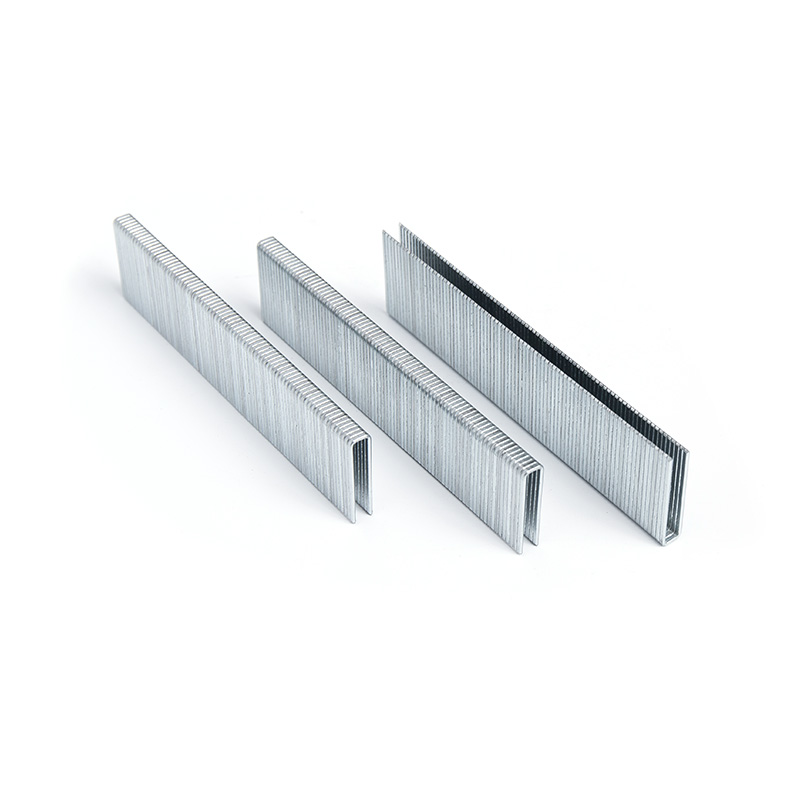
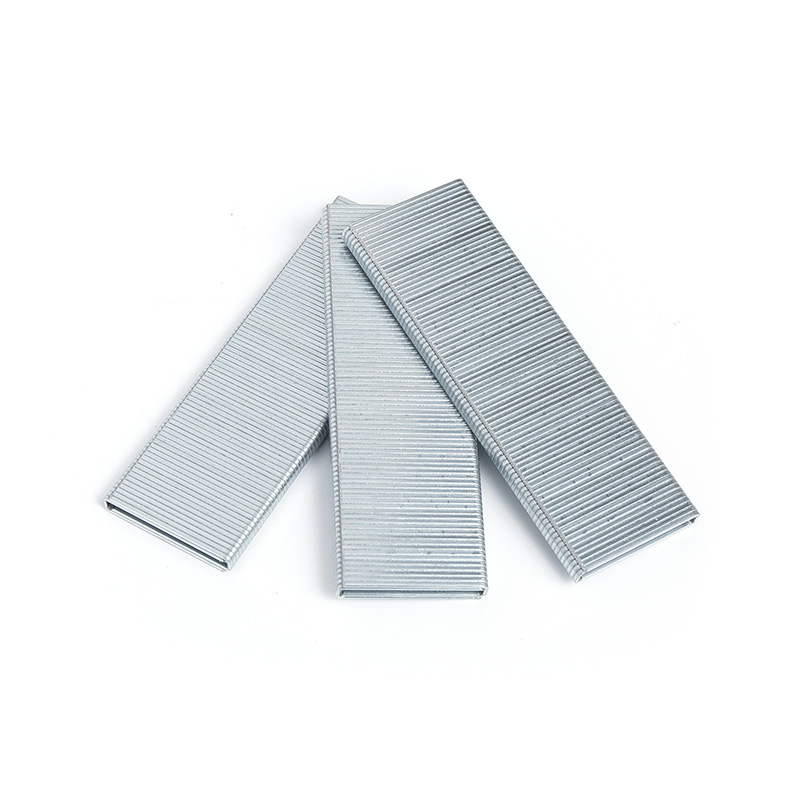
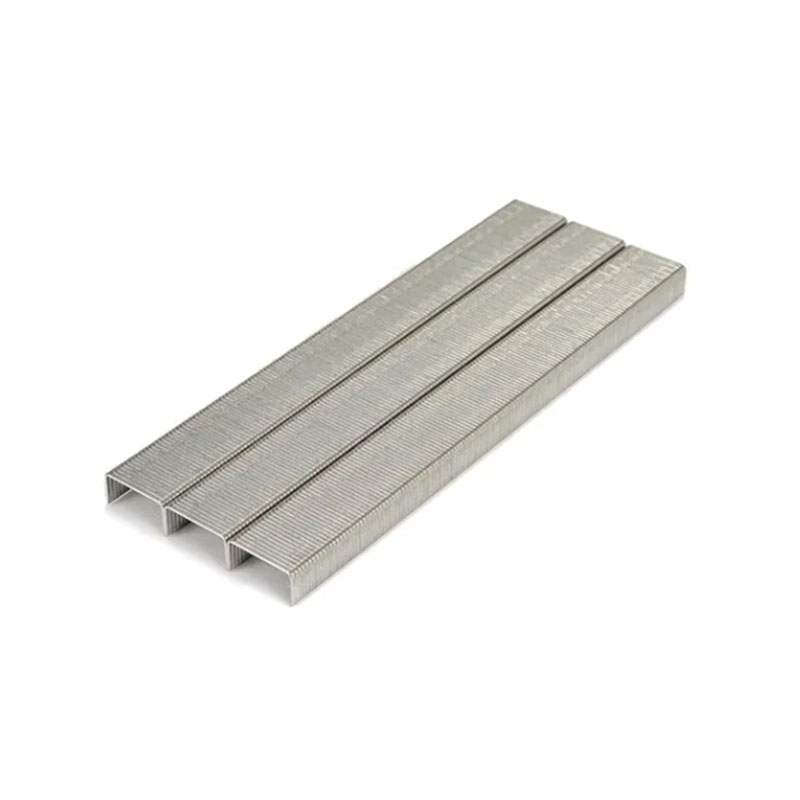
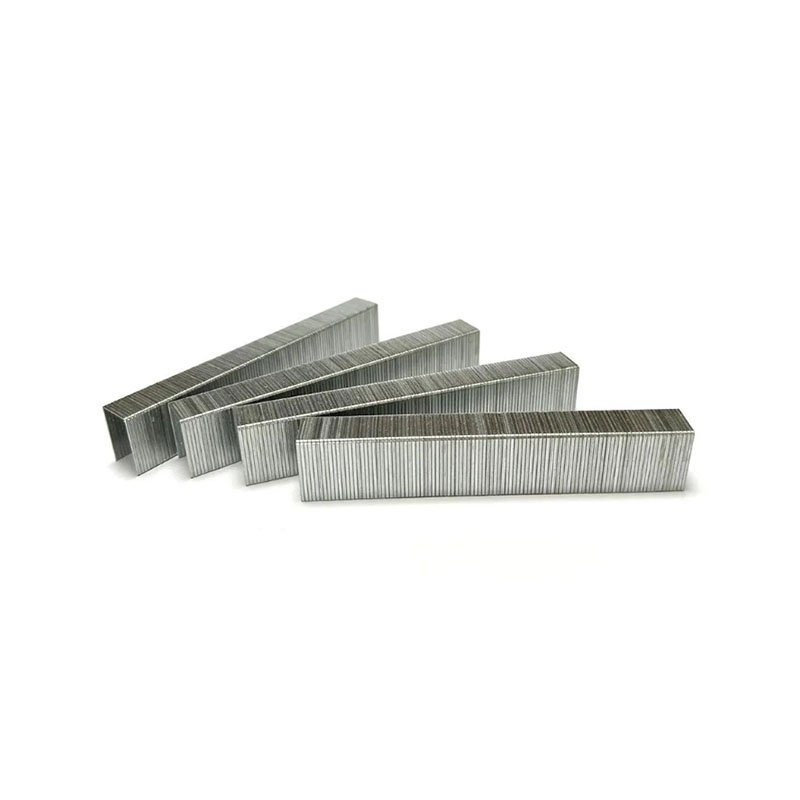
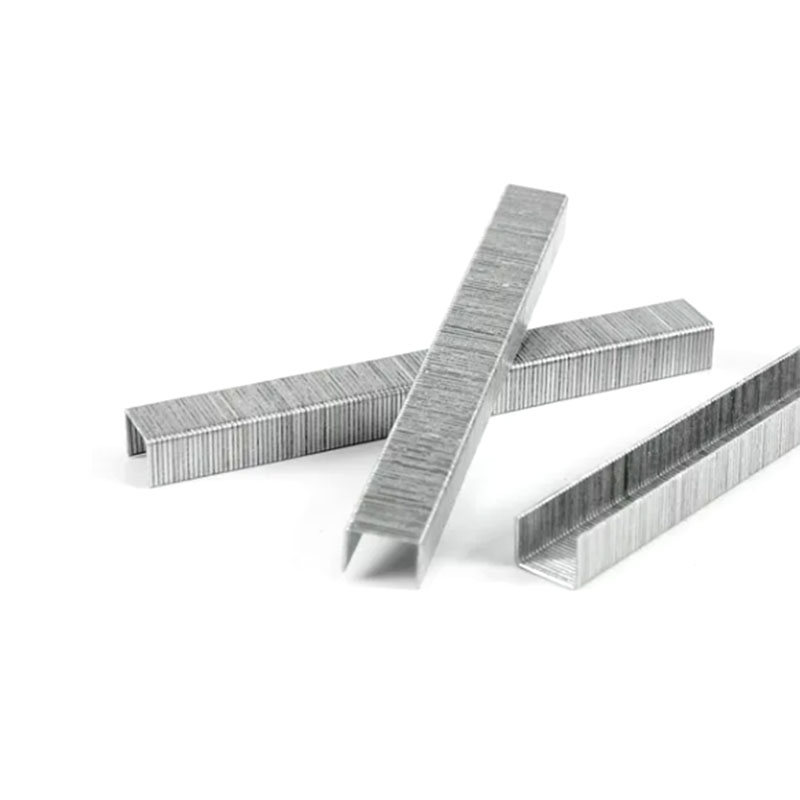
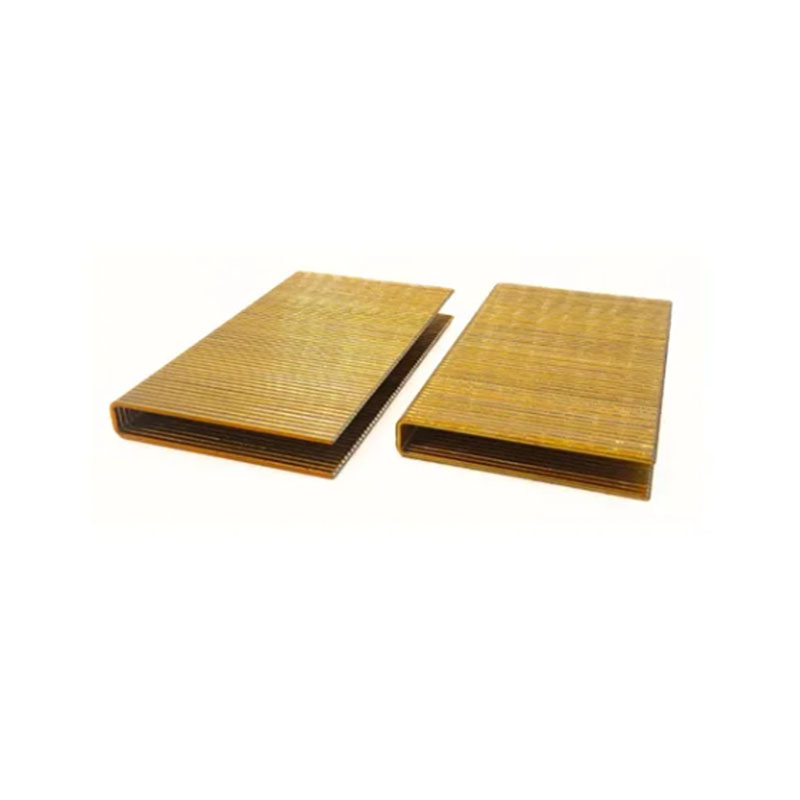
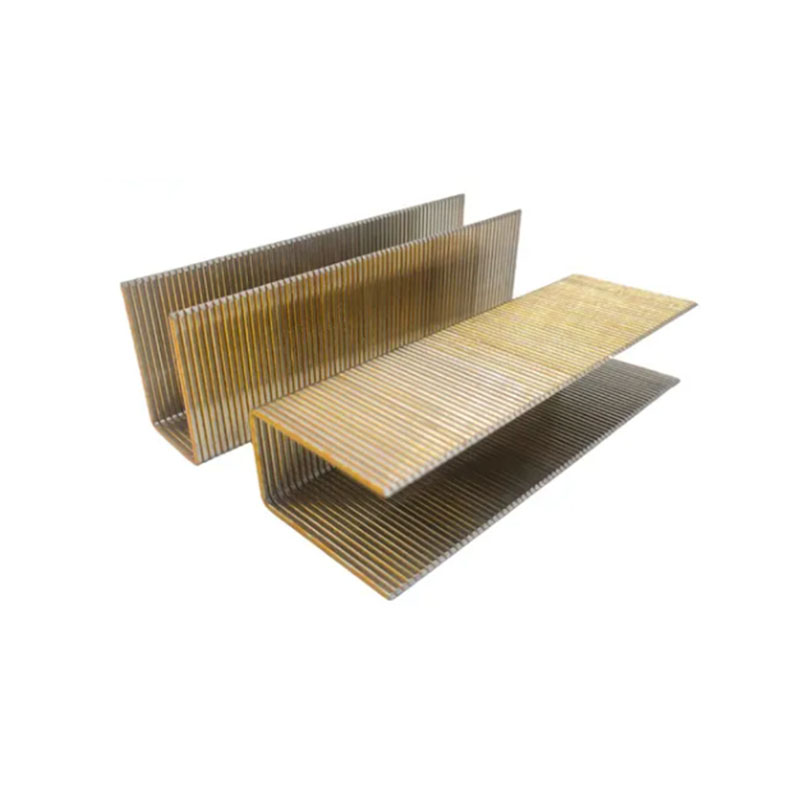
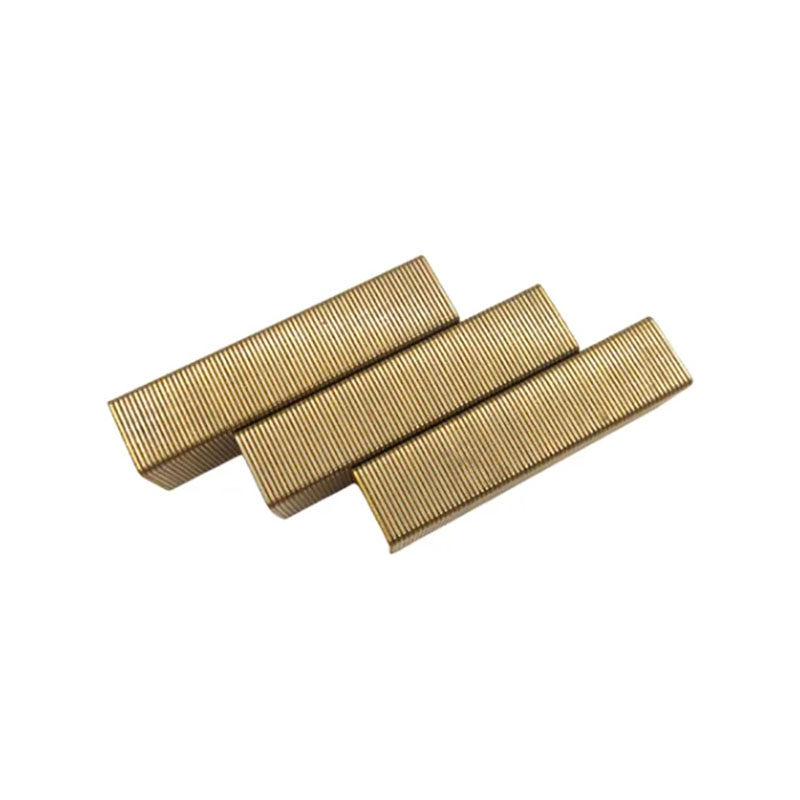
A fine wire staple is a U-shaped fastener made from thin wire, normally somewhere between 20 and 22 gauge. The word "fine" refers to the diameter of the wire itself, not to the width of the crown or the length of the legs. Because the wire is thin, the staple is light, the crown flexes slightly as it is driven, and the finished fastening leaves a very small footprint.
The same product also travels under other names. Some catalogues call it a thin line staple, others a fine crown staple, and in workshop talk you will hear it described simply as a small or narrow staple. Almost always these terms mean the same thing: a 20 to 22 gauge staple with a narrow crown, driven by a pneumatic or electric stapler built for that gauge.
Two consequences follow from the thin wire. First, the entry hole is small, so the staple grips delicate surfaces without tearing them apart. Second, the holding power is limited by the wire itself, which is exactly why fine wire staples belong to light and medium duty work rather than to structural assembly.
Gauge, Crown and Leg Length: The Three Numbers That Matter
Almost every question about fine wire staples comes down to three measurements, plus the point and the coating that finish the job. Once you can read them, choosing stops being guesswork and becomes simple arithmetic.
| Dimension | What it controls | Common fine wire values | What to check before ordering |
|---|---|---|---|
| Wire gauge | Thickness of the wire and therefore the holding strength | 20GA (about 0.8 mm), 21GA (about 0.7 mm), 22GA (about 0.65 mm) | The gauge rating printed on your tool |
| Crown width | The span of the top bridge that ties two legs together | Narrow, roughly 6 to 12 mm depending on the series | Fits the nose of the gun and will not pull through thin stock |
| Leg length | How deep the staple penetrates the workpiece | Usually around 6 to 16 mm | Legs should pass through the top layer and still bite the layer below |
| Point type | How the legs enter the material and whether it splits | Chisel or cut point is most common | Orientation against the grain of thin wood |
| Coating | Corrosion resistance, grip and appearance | Galvanized, copper coated, stainless steel | Indoor humidity and the expected service life |
A quick word on the leg length rule, because it causes more rework than any other mistake: the staple should pass through the material being fixed and still bury a couple of millimetres into the material underneath. Too short and the staple works its way out under vibration. Too long and it breaks through the visible face of the workpiece.
Wire, Coating and How Long the Fastening Has to Last
Fine wire staples are usually formed from carbon steel wire and then finished to suit the environment they will live in. The choice of finish matters more than most buyers expect, because a staple that rusts inside a sofa frame is expensive to fix later.
- Galvanized: the everyday standard. A zinc layer gives reasonable protection for indoor furniture, cabinets and general assembly work.
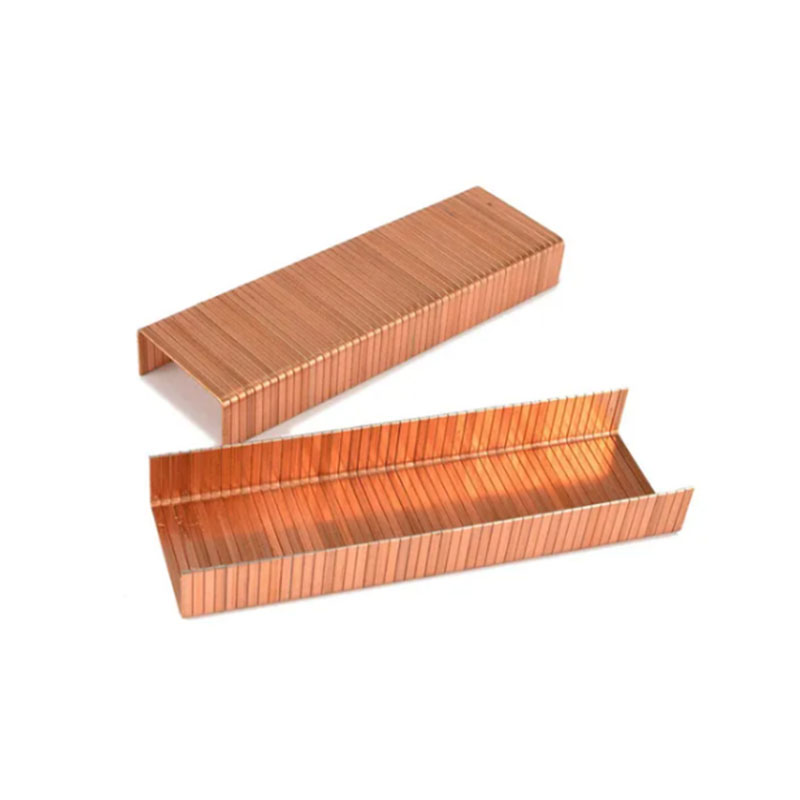
- Copper coated: chosen for appearance as much as protection, and often used where a warm tone or a little extra lubricity in the gun is welcome.
- Stainless steel (304 or 201): the answer for damp rooms, coastal climates, marine fittings and anything that may be cleaned frequently.
- Bare carbon steel: still used where the staple will be hidden, sealed or painted immediately after assembly.
As a rule of thumb, if the finished product will stay indoors in a dry room, galvanized is enough. If it will sit near a bathroom, a kitchen or a coastline, move up to stainless.
Where Fine Wire Staples Do Their Best Work
The common thread across every application is thin material that cannot tolerate a large hole or a heavy wire. Fine wire staples hold well without bruising the surface they cross.
- Upholstery fabric, webbing and padding fixed to furniture frames
- Cabinet backs, drawer bottoms and thin hardboard or MDF panels
- Picture frames, moulding, mirror backs and decorative trim
- Light cartons, trays and display packaging where a soft, small fastening is preferred
- Wall panels, acoustic boards and thin decorative cladding
Furniture production is where we see these staples used most, and the 10F series galvanized staple is the version we make most often for that trade:
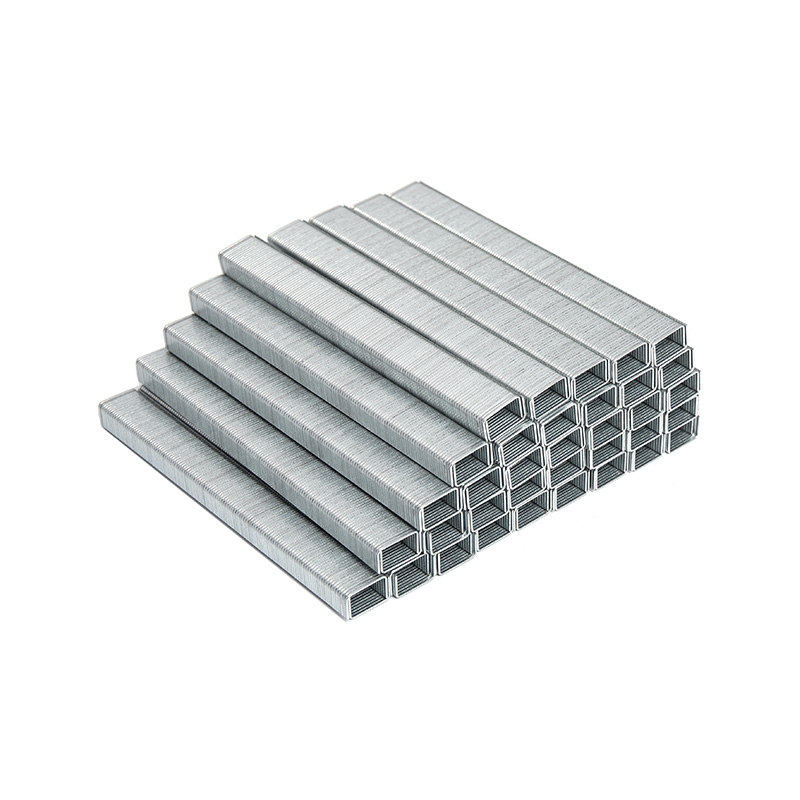 10F Series Galvanized Fine Wire Staples for FurnitureGalvanized fine-wire staples in 5–16 mm lengths for furniture upholstery, offering a discreet hold and a natural starting point before comparing fastener types.View Product →
If you want to see how fine wire staples compare with other fastener types in more depth, including where they stop being the sensible option, we have put together a side-by-side comparison of fine wire staples and their alternatives that walks through the trade-offs.
Fine Wire, Medium Wire and Heavy Wire: Which Tier Do You Need?
The staple family is usually organised by wire gauge, and thinking of it as a ladder makes the decision much easier.
- Fine wire (20 to 22 gauge): thin wire, narrow crown, light and medium duty. The smallest visible mark and the least risk of splitting thin stock.
- Medium wire (around 18 gauge): the workhorse tier for furniture frames, panel assembly and general joinery where more strength is needed.
- Heavy wire (15 to 17 gauge): structural and industrial work such as pallets, crating and framing, where holding power outranks appearance.
If your job sits between the first two tiers, our medium wire staples range covers the 18 gauge sizes that most furniture frames and panel assemblies are built with. A simple field test also helps: if you can flex the crown of a staple between your fingers with light pressure, you are almost certainly holding fine wire.
A Short Selection Routine You Can Follow at the Bench
- Measure the thickness of the material being fastened, then add two to three millimetres to find your minimum leg length.
- Confirm the gauge and crown width your tool is rated for. A 20 gauge staple will not run reliably in an 18 gauge gun, and forcing it damages the magazine.
- Choose the coating based on where the finished product will live, not on what happens to be on the shelf.
- Check that the crown is wide enough to bridge the material without pulling through, especially on soft or fibrous stock.
- Run a test strip on an offcut before committing to a full production run, and inspect the clinch on the reverse side.
For fine decorative work, small trim and home decor pieces, a 22 gauge staple often gives the cleanest result because the entry marks almost disappear:
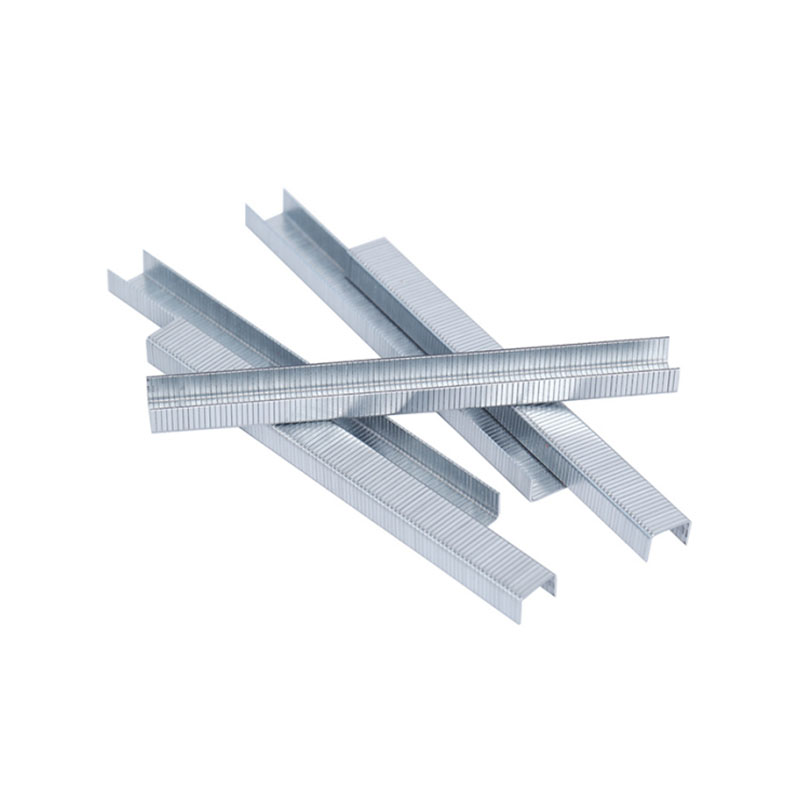 22GA 71 Series Fine-Wire Staples for Furniture and Interior DecorationFine-wire 22-gauge staples with 9.0 mm crowns and seven leg lengths, suited to furniture upholstery and decorative trim where puncture marks should stay minimal.View Product →
Practical Tips From the Production Floor
- Keep air pressure within the tool maker's range. Over-driving thin wire staples buries the crown and tears the surface.
- Orient chisel points across the grain of thin wood to reduce splitting.
- Store staples in a dry place and keep boxes sealed; galvanized wire still reacts to damp storage over time.
- Clean the gun nose regularly. Adhesive from upholstery fabric builds up quickly and causes misfeeds.
- Check clinch quality on the reverse side of the workpiece, not just the entry side; a poor clinch is where pull-out starts.
Sourcing Fine Wire Staples With Confidence
Once the specification is clear, the remaining question is consistency. Gauge tolerance, crown squareness, leg length accuracy and coating adhesion are what separate a smooth production run from a week of jammed tools and callbacks. Ask any supplier how they control those four points, and ask for samples from more than one batch.
Zhejiang Tianying Hardware Co., Ltd. is based in Anji, Zhejiang, and grew out of the earlier Hangzhou Tianying gun nail factory, so staple making is genuinely what the team has done for years. The company handles research, design, production and sales in house and holds its own import and export rights, which keeps communication short when a specification needs adjusting. The range runs across fine, medium and heavy wire staples, brad staples, carton closing staples, C circle staples and headless nails, so most of a workshop's fastening list can come from one conversation rather than five. Visitors are welcome to see the production floor, and the factory, certificate and video pages on the website give a first impression before that.
Light packaging and tray work is another area where a fine staple earns its place, and a 21 gauge thin line staple usually gives the right balance of grip and a discreet finish:
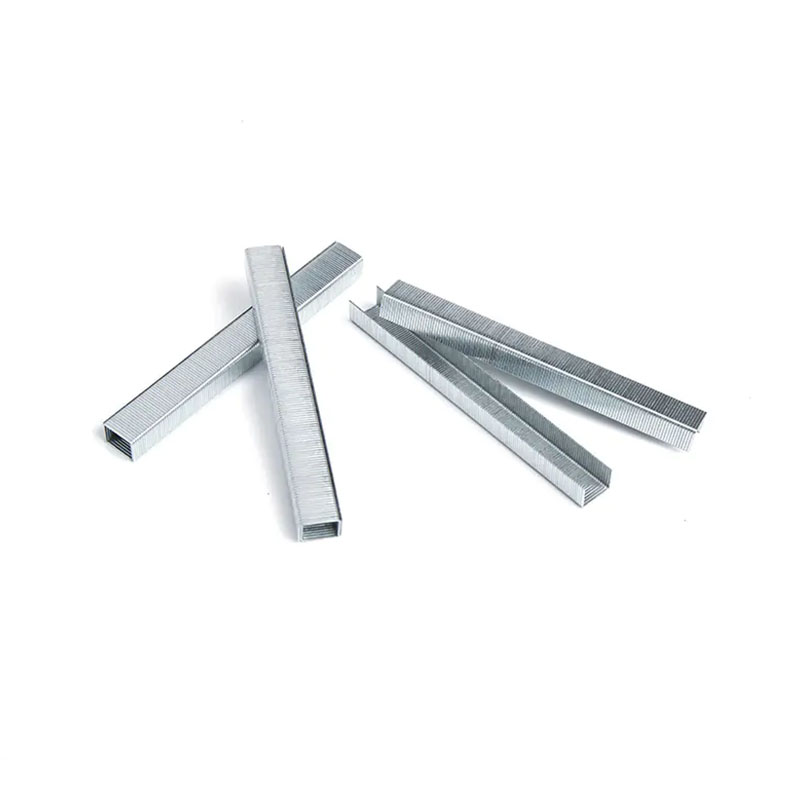 21GA 84 Series Fine-Wire Staples for Light Packaging and Assembly21-gauge fine-wire staples with 12.3 mm crown and 6–16 mm legs, suited to light packaging, tray work, cable fixation and furniture assembly.View Product →
So what is a fine wire staple? It is a small, thin-wire fastener in the 20 to 22 gauge range, built for work where the material is thin and the surface matters. It will not replace a heavy wire staple on a pallet, and it is not meant to. Used in the right place, with the right leg length and coating, it does a quiet, reliable job that heavier fasteners would only make worse.
If you are unsure which series fits your material, send us the thickness, the tool model and the environment the finished product will face. Matching a staple to a job is usually a two-minute conversation, and it is far cheaper than a rejected batch.