English
 русский
 Español

Content
If you have ever watched a carton line stop because one staple buckled, you already know that carton closing staples are small parts with a large effect on packaging output. The difference between a clean, consistent closure and a stream of jammed tools, torn board, or loose flaps usually comes down to a few practical details: the staple series, the tool setup, the board grade, and the quality of the wire.
We have spent years making collated fasteners for furniture, bedding, packaging, and general industrial use. This guide is written from that shop-floor perspective. It is not a catalogue of claims. It is a practical walk-through of what carton closing staples do, how to choose them, and how to keep them working well in daily production.
What Are Carton Closing Staples?
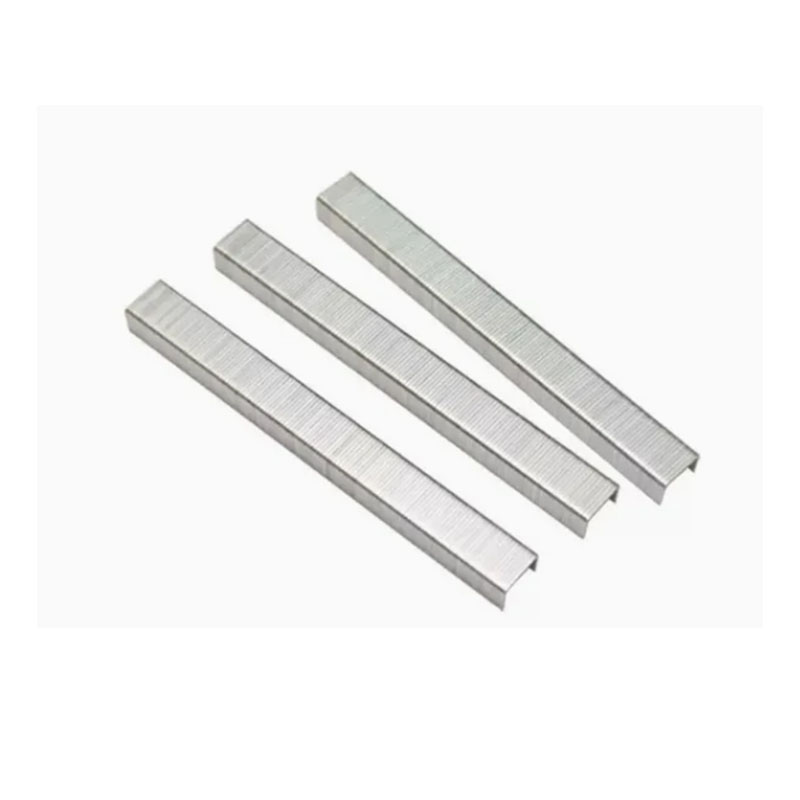
Carton closing staples are heavy-duty fasteners designed to join the flaps of corrugated boxes. They are usually fed through a manual, pneumatic, or semi-automatic carton stapler. The staple crown bridges the seam between two flaps, while the legs pass through the board and are bent by the tool’s anvil to lock the closure in place.
A carton staple is not simply a larger version of an office staple. The wire is thicker, the crown is wider, and the staple must work with a specific stapler, anvil, and board thickness. In packaging lines, the staple is part of a system. If one part of that system is out of balance, the closure suffers.
- Crown: the flat bridge across the top of the board.
- Legs: the two driven points that pass through the corrugated layers.
- Wire: the gauge and coating affect stiffness, penetration, and corrosion resistance.
- Feed format: strip-fed staples for many standard tools, or roll-fed staples for high-volume lines.
How the Closure Actually Works
The sequence is simple to describe and harder to perfect. The driver pushes the staple down. The legs pierce the board. The anvil bends the leg tips inward or outward, depending on the tool design. A good closure holds the flaps tightly without crushing the flutes or cutting through the outer liner.
Board compression matters more than many operators expect. If the corrugated board is soft, recycled, or unusually thick, the staple needs enough leg length to pass through and form a reliable clinch. If the board is dense and thin, too long a leg can curl back into the liner or create a loose fold. The right staple is the one that matches the board, not just the box size.
This is why we encourage buyers to test a staple on the actual board, with the actual tool, before scaling up a purchase. A staple that performs well on a sample carton may behave differently on a production line running at full speed with a different board supplier.
Common Carton Staple Formats and Where They Fit
Carton closing staples are often grouped by series, wire size, and feed format. The series name usually points to a family of crown widths and leg lengths that work with a particular class of stapler. The table below gives a practical starting point, but the tool manual and a physical sample should always have the final word.
| Staple family | Wire size | Feed format | Typical role |
|---|---|---|---|
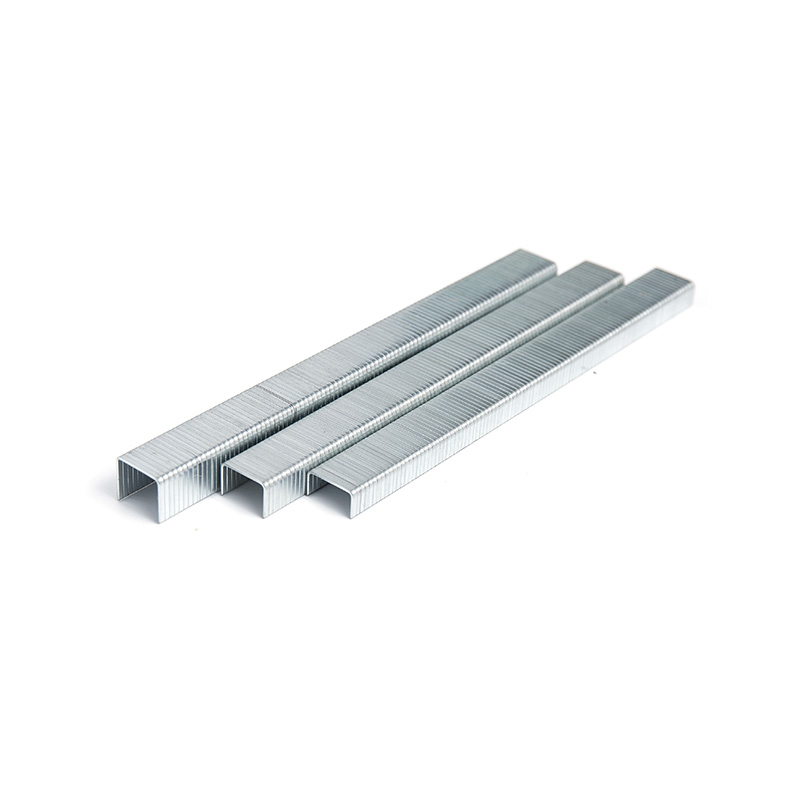
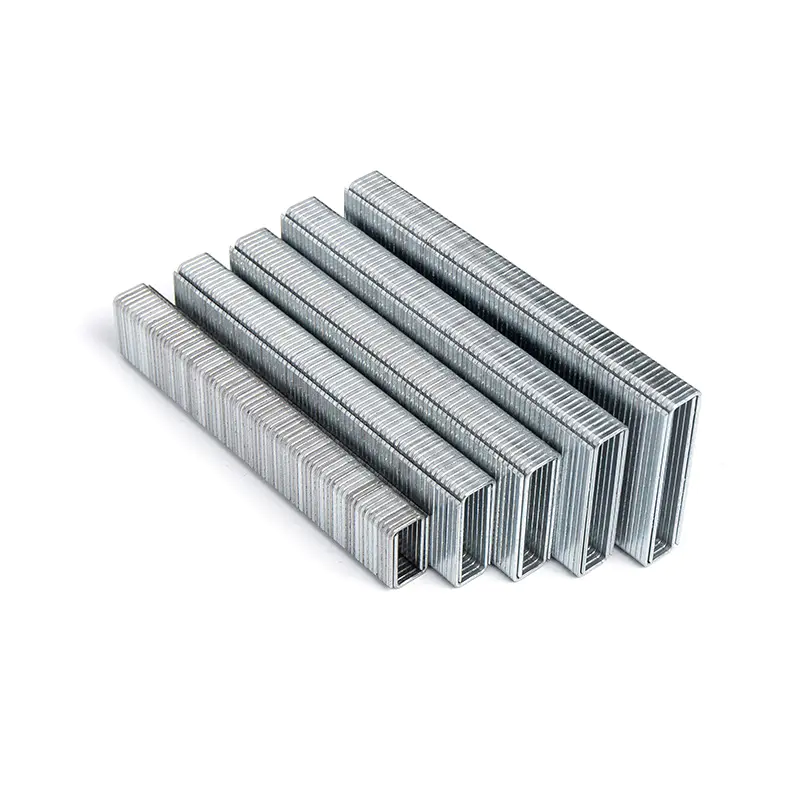
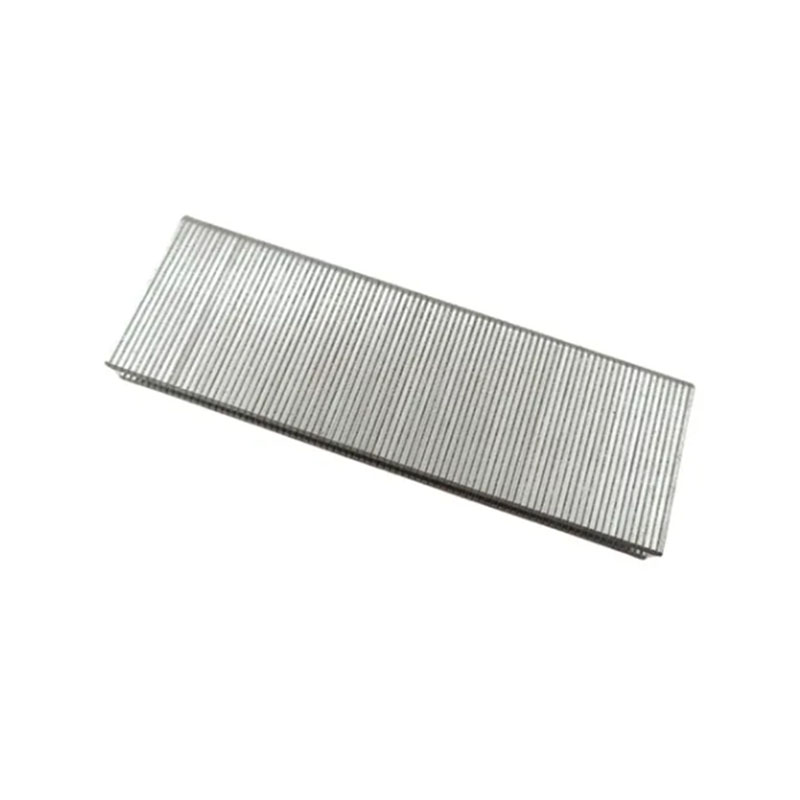
| 15GA 35 series | 15 gauge | Strip | Heavy-duty closure on thicker or double-wall corrugated boxes. |
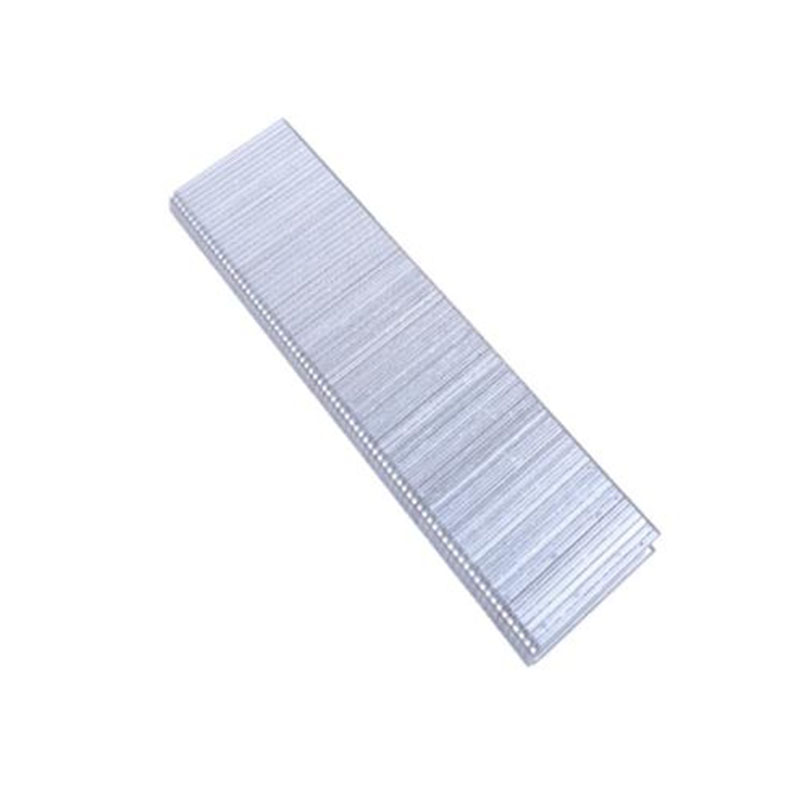
| 17GA 32 series | 17 gauge | Strip | General carton closing where a lighter wire and faster feed are preferred. |
| 17GA SB103020 | 17 gauge | Strip | Packaging lines that require a specific crown and leg pattern. |
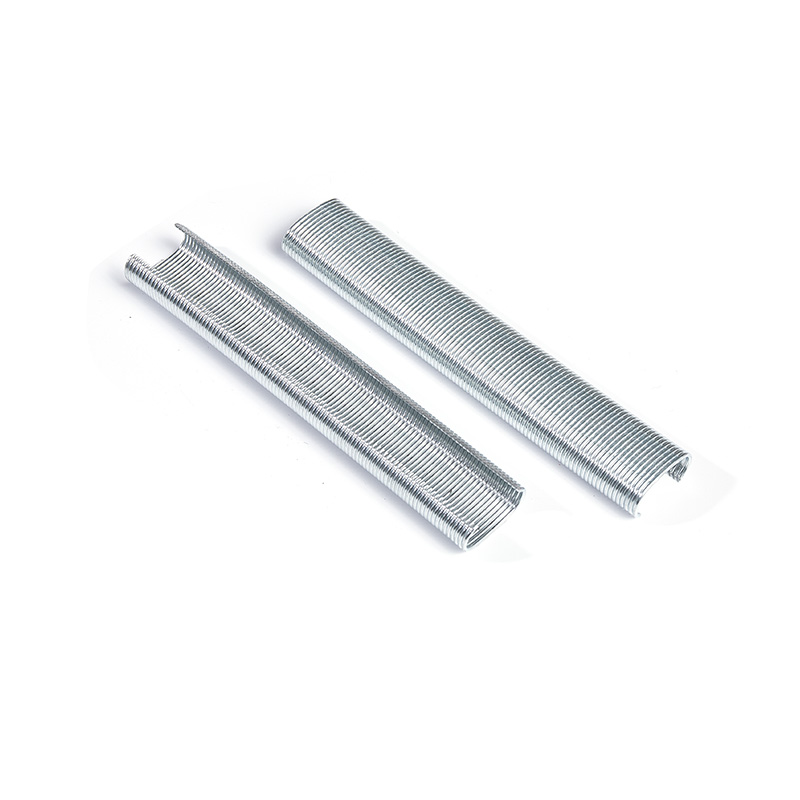
| 555134 and similar roll staples | Roll-family | Roll | High-volume, roll-fed carton closing with fewer reload interruptions. |
For heavier corrugated or export cartons that need a firm, repeatable stitch, our
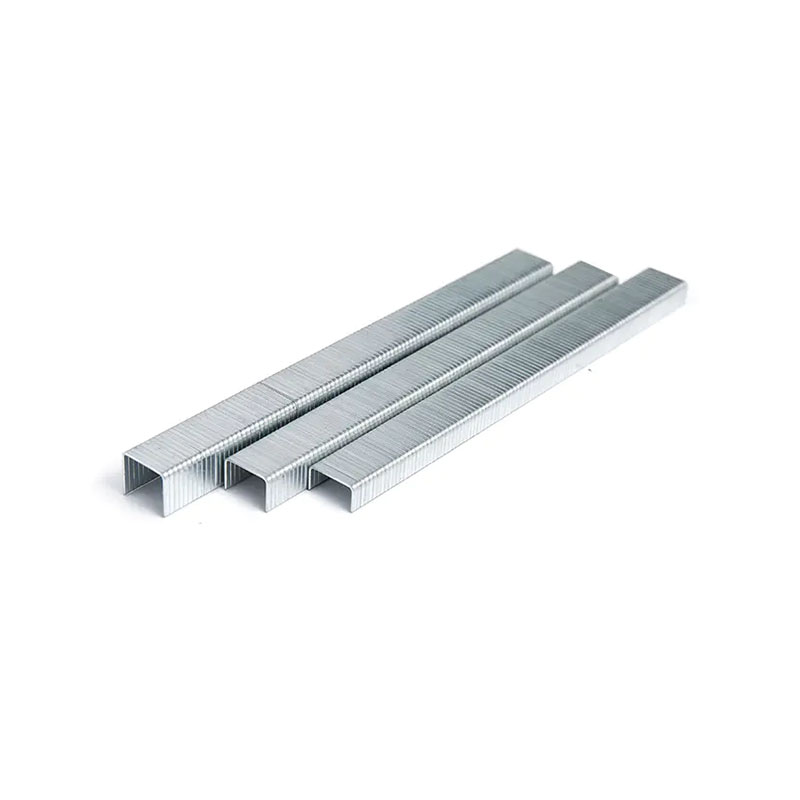
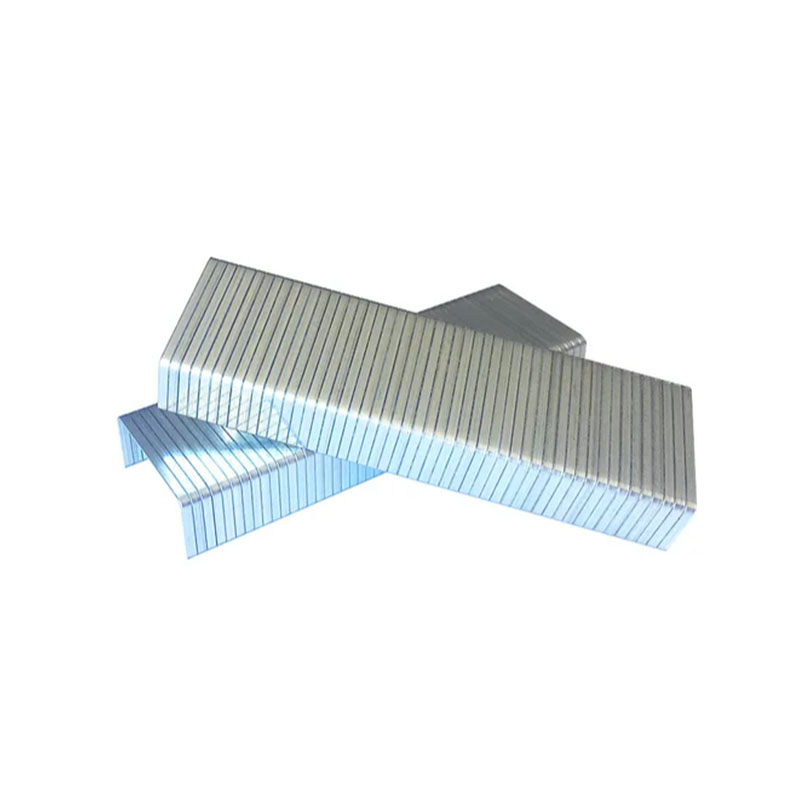 15GA 35 Series Wide Crown StaplesFor heavier corrugated and export cartons needing a firm stitch, these 15GA wide-crown staples come in 15, 18, and 22 mm legs.View Product →
is a sensible place to start. For medium-duty lines running a 17-gauge tool, the
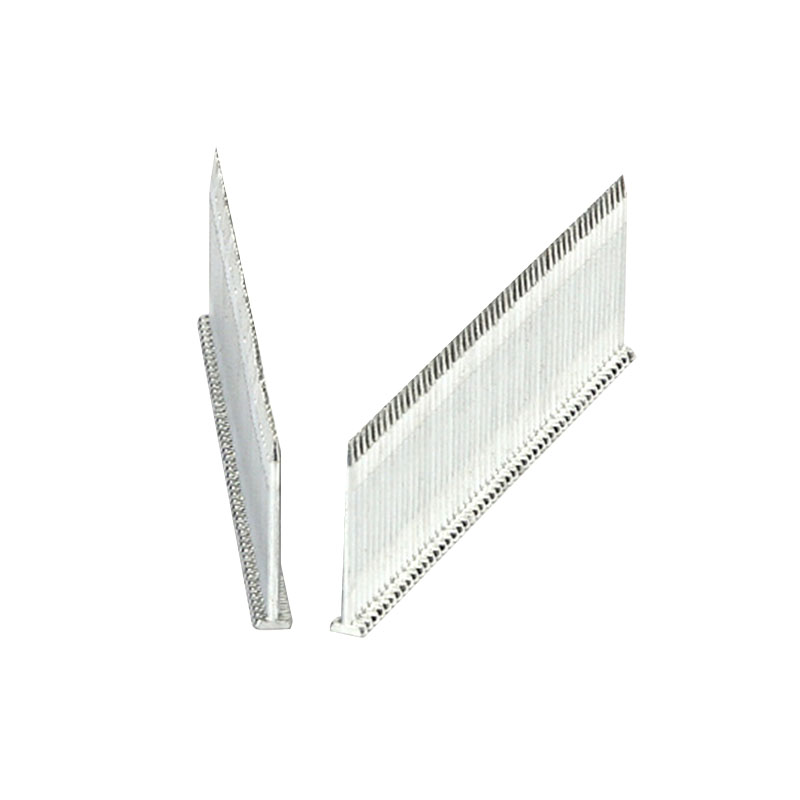
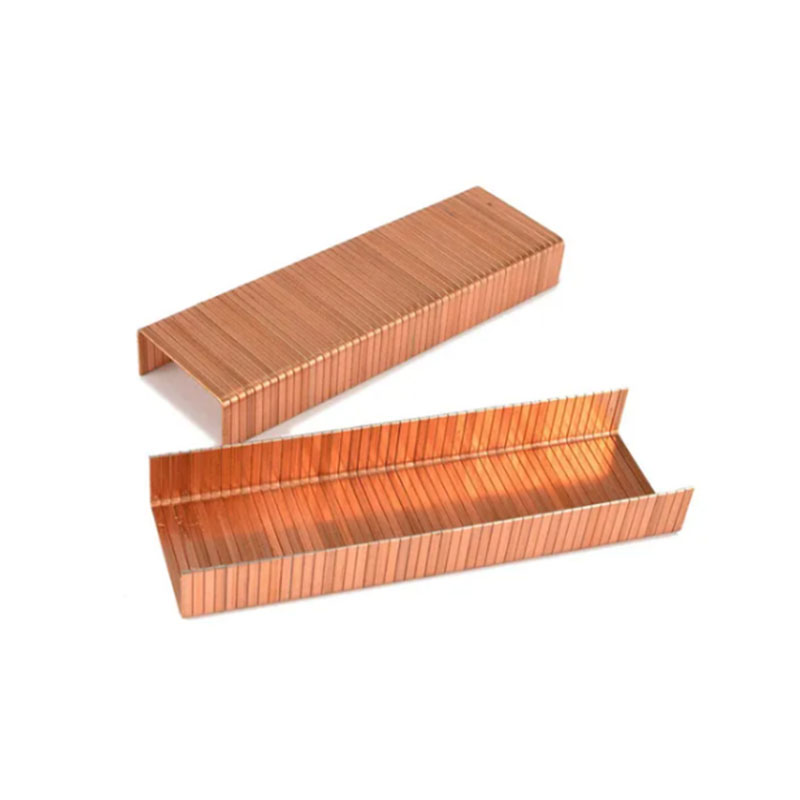 17GA 32 Series Wide Crown StaplesFor medium-duty 17-gauge lines, these wide-crown staples provide a lighter wire option for insulation, carpet, and waterproof membrane fastening.View Product →
gives operators a lighter wire option without changing the basic closure method.
Roll-fed tools are a different rhythm altogether. They suit lines where reload time is a real cost, and where the stapler is set up for a continuous coil. If your line runs roll-fed equipment, the
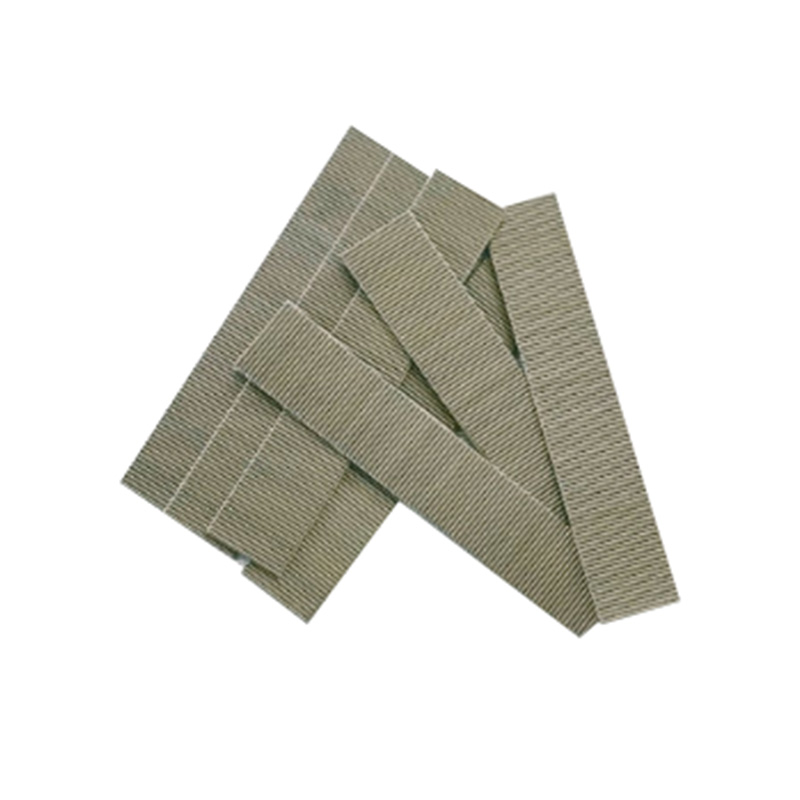
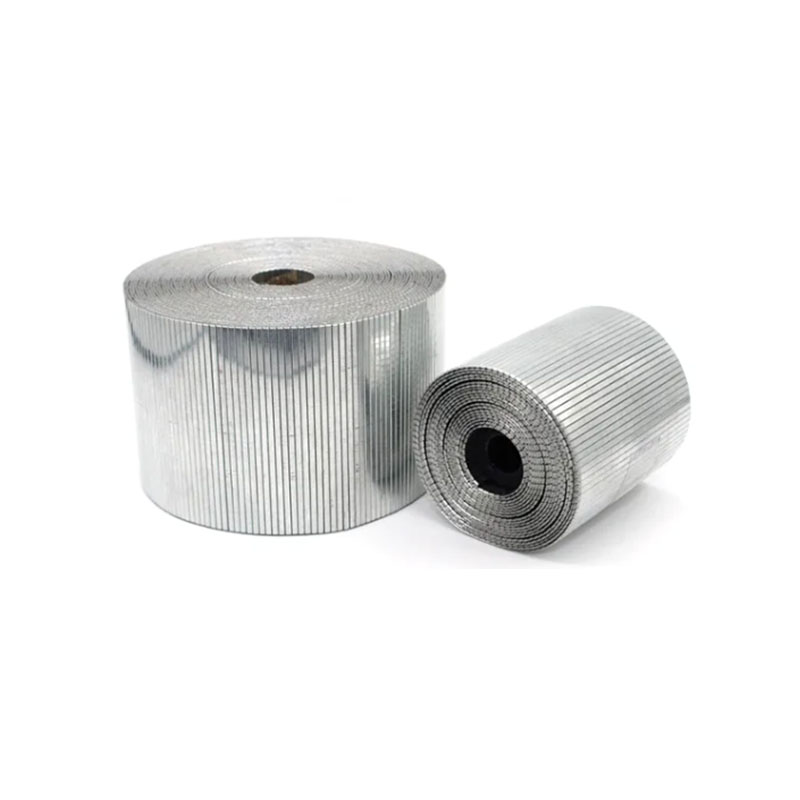 555-134 Roll Carton Close StaplesFor roll-fed carton sealing lines where reload time matters, these coil staples suit 555-134 tools and automatic sealers across carton thicknesses.View Product →
is worth reviewing alongside your machine specifications.
Choosing the Right Staple for the Board and the Line
Start with the board
Look at the flute type, liner weight, and board thickness. A single-wall board with a thin liner will not behave like a double-wall export carton. Recycled board can also vary from lot to lot. If the board is soft, a longer leg or a slightly heavier wire may help. If the board is dense, a shorter leg can prevent the staple from curling back into the liner.
Match the tool, not just the label
Two staples with similar dimensions may not fit the same magazine or anvil. The series must match the stapler. Before ordering a large quantity, run a small sample through the exact tool model you use, at the air pressure and speed you normally run. This simple step catches most compatibility problems before they reach the line.
Consider coating and finish
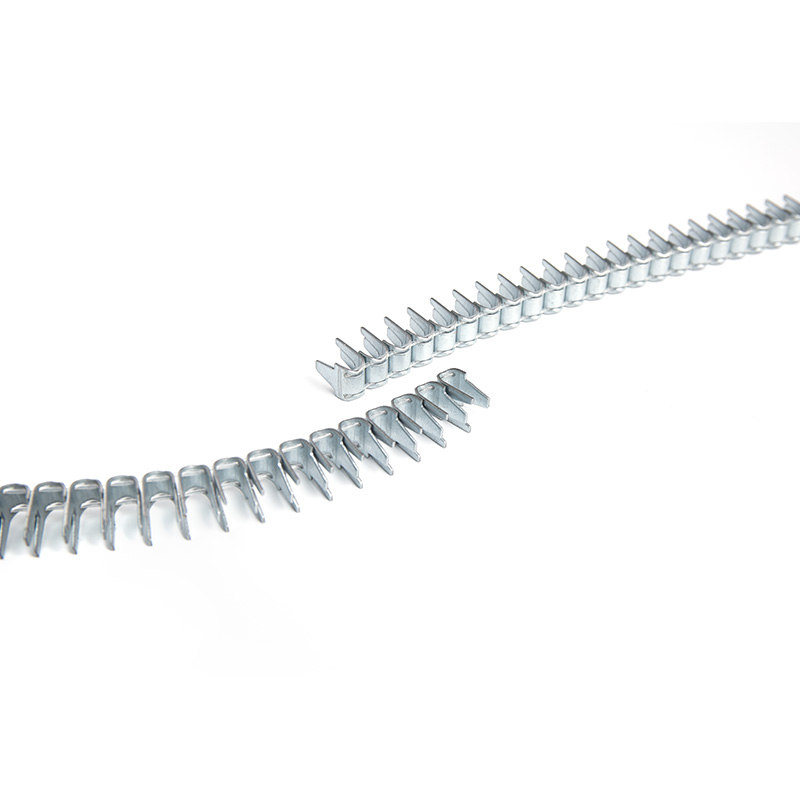
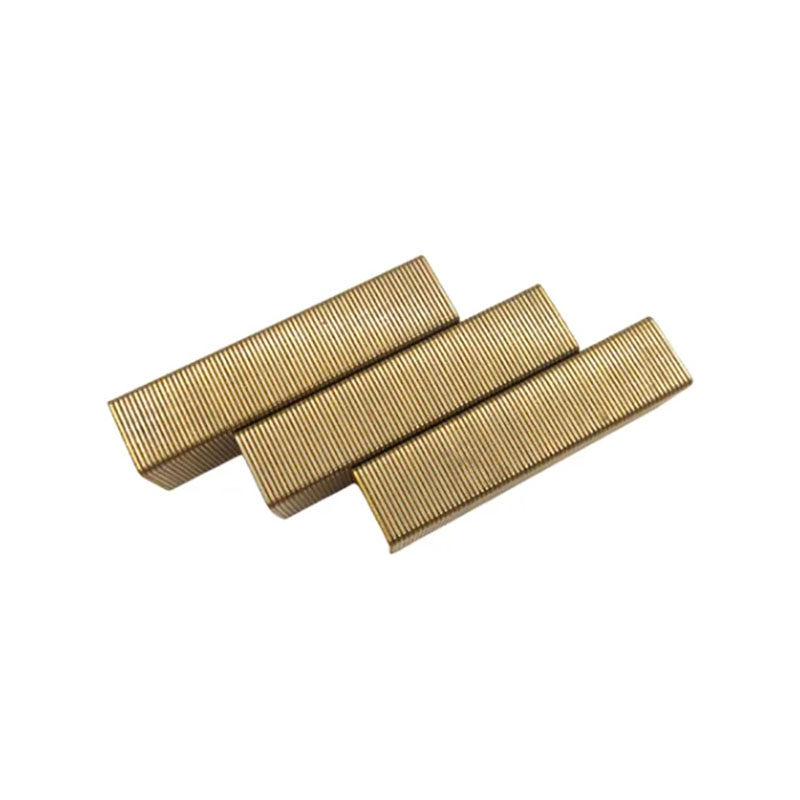
Most carton closing staples are galvanized for everyday packaging work. A zinc coating helps resist moisture during storage and transport. Copper-finished 35 series staples are also available where a copper finish is specified for appearance or a particular application. The finish should follow the job, not the other way around.
Leg length, wire gauge, and coating should be chosen together. A heavier wire gives more holding strength, but it also asks more from the tool and the board. A lighter wire can be faster and cleaner on thin corrugated, but it may not be the right choice for a heavy box that will be stacked or handled roughly.
Setup and Daily Operation
Most carton staple problems start before the first box is closed. A few minutes of setup checks can save hours of rework. We recommend a simple routine:
- Confirm the staple series matches the stapler model and magazine.
- Set air pressure to the tool maker’s recommendation, then test on the actual board.
- Check the anvil for wear, movement, or packing debris.
- Run three to five test closures and inspect the clinch on both sides of the board.
- Keep the magazine clean and avoid mixing staples from different lots or series.
A clean clinch should sit firmly against the board without cutting the liner. The crown should be flat, and the legs should fold in a consistent direction. If the crown is crushed or the legs are only partly formed, stop and check the tool before running more cartons.
On high-volume roll-fed lines, the payoff tension and roll path also matter. A roll that drags or twists can cause misfeeds even when the staple itself is within specification. Keep the roll path clean, set the brake or tension as recommended, and replace rolls before the tail end becomes difficult to feed.
Quality Checks That Prevent Downtime
Carton closing staples are a consumable, but they should not be treated as an afterthought. A few checks on incoming lots can prevent small variations from becoming line stoppages. Look for consistent wire diameter, clean legs, uniform crowns, and a coating that does not flake or clog the magazine.
- Loose clinch: often low air pressure, a worn anvil, or a leg that is too short for the board.
- Torn liner: often excessive pressure, a dull point, or a leg that is too long.
- Frequent jams: often mixed staple series, a dirty magazine, or a damaged roll path.
- Cracked crown: often brittle wire, a misaligned driver, or a staple that is too heavy for the tool.
Keep a small reference board near the line. When a new lot arrives, staple a sample and compare the clinch with the reference. This is a simple habit, but it gives operators a quick way to catch changes in board or staple quality before a full run begins.
Sourcing Carton Closing Staples with Fewer Surprises
Consistency is the quiet advantage in packaging consumables. A staple that works well in one shipment but varies in the next can disrupt a line that has already been tuned. Ask for stable wire diameter, consistent coating, and clear series identification on the packaging. If the boxes are stored in a humid warehouse, pay attention to how the staples are packed and protected.
We also like to understand the closure pattern, the board grade, and the tool model before recommending a series. Those three details usually tell us more than a box dimension alone. If you are comparing strip-fed and roll-fed options, our article on carton closed staples in e-commerce packaging looks at how packaging speed and safety interact on modern lines.
For a new project, start with samples and a short trial. Run them on your own tool, with your own board, and at your normal line speed. Then check the clinch, the board surface, and the reload time. A supplier who understands those details is easier to work with than one who only quotes a price per box.
Carton closing staples are simple parts, but they sit at the point where board, machine, and operator meet. When the series, leg length, coating, and tool setup are aligned, the closure becomes boring in the best way: consistent, quick, and easy to repeat shift after shift.