English
 русский
 Español

Content
- 1 What Are Upholstery Staples
- 2 Staple Wire and Materials: Fine Wire and Stainless Steel
- 3 Upholstery Staple Types and Series Explained
- 4 71 Series vs. 80 Series vs. T50 Staples
- 5 Upholstery Staple Sizes: Choosing the Right Leg Length
- 6 Heavy Duty Upholstery Staples
- 7 Pneumatic Guns and Staple Gun Compatibility
- 8 Applications: Furniture Repair, Leather, and Fabric
- 9 How to Choose Upholstery Staples
What Are Upholstery Staples
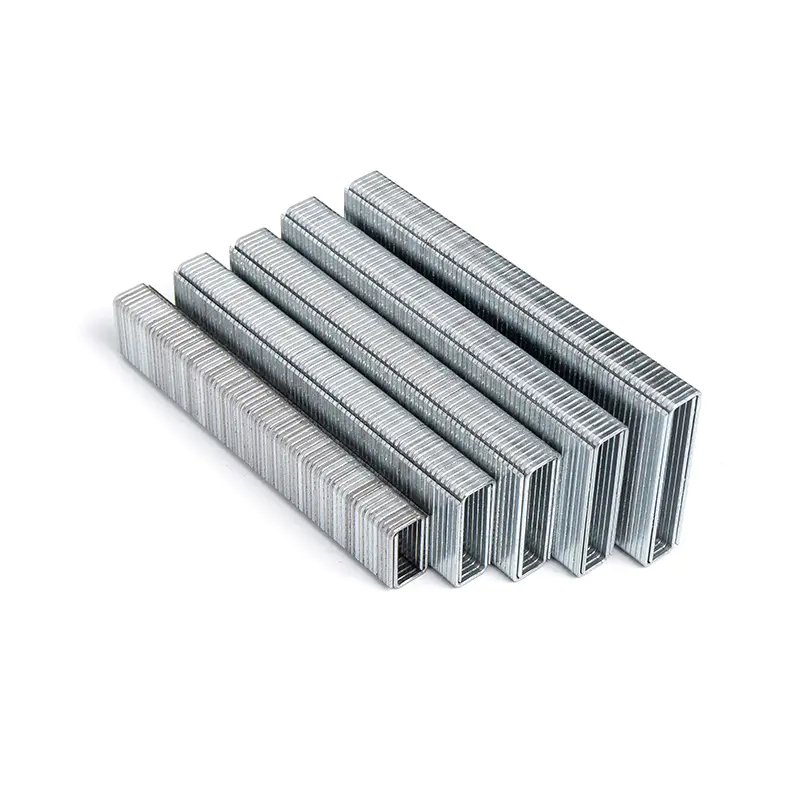
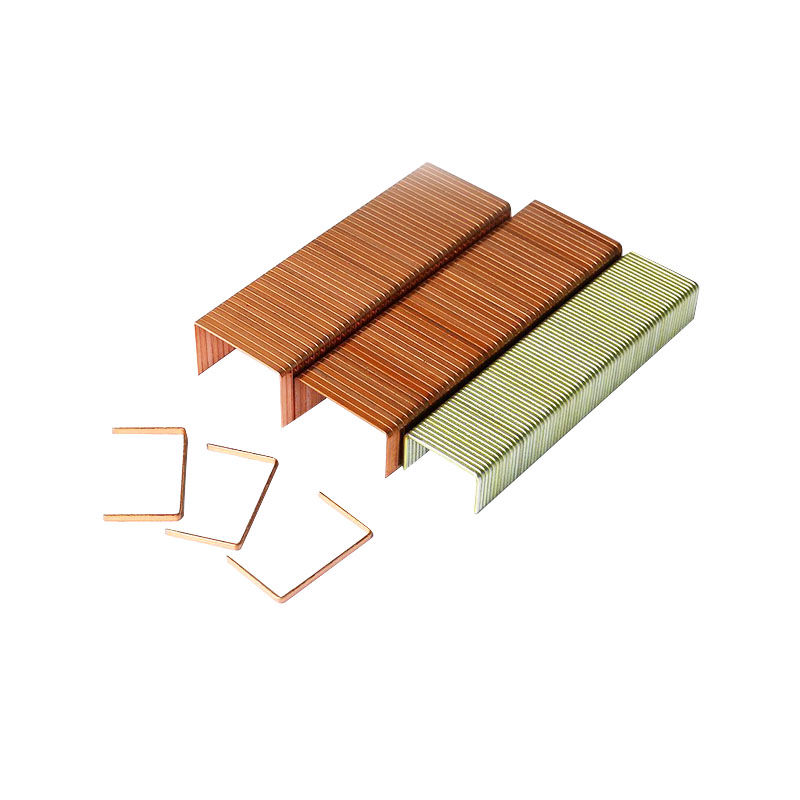
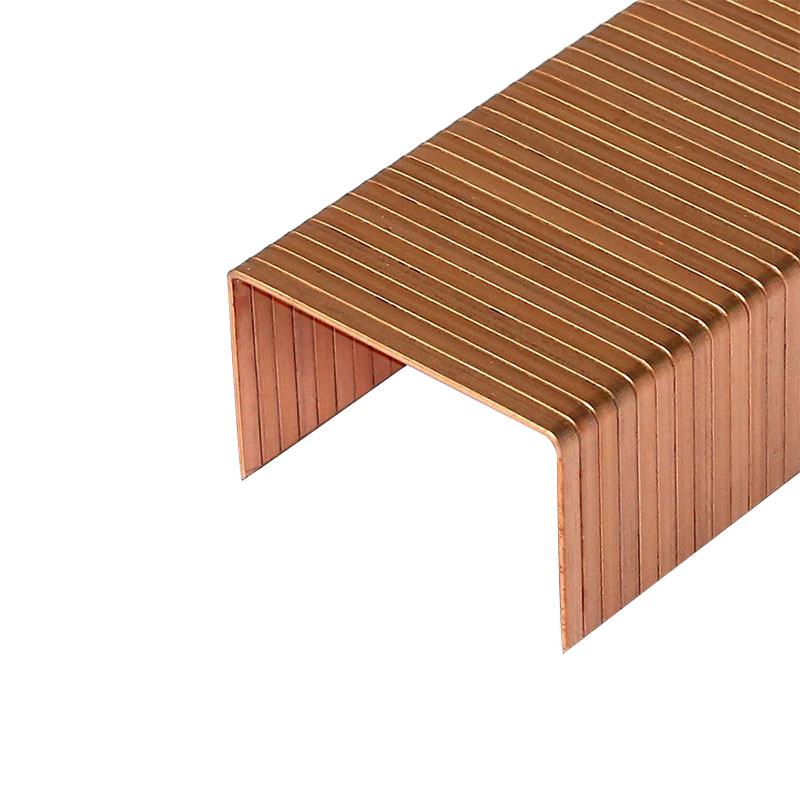
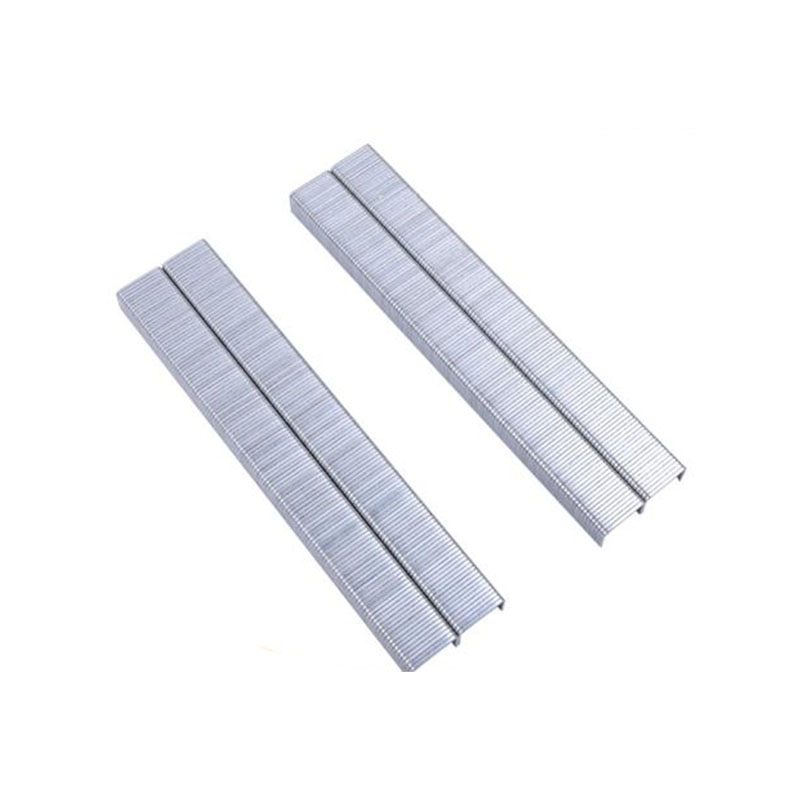
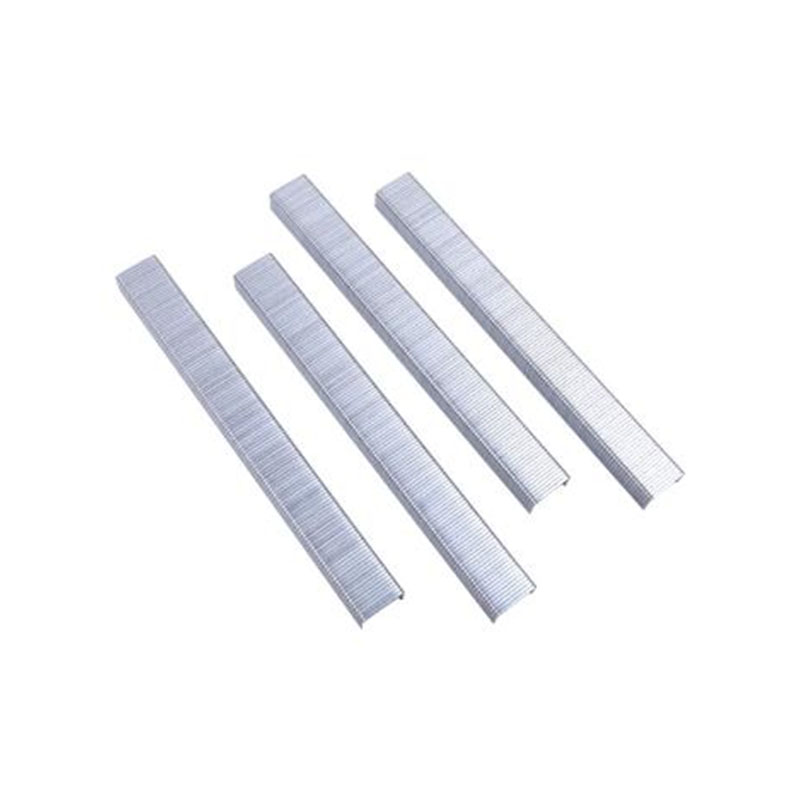
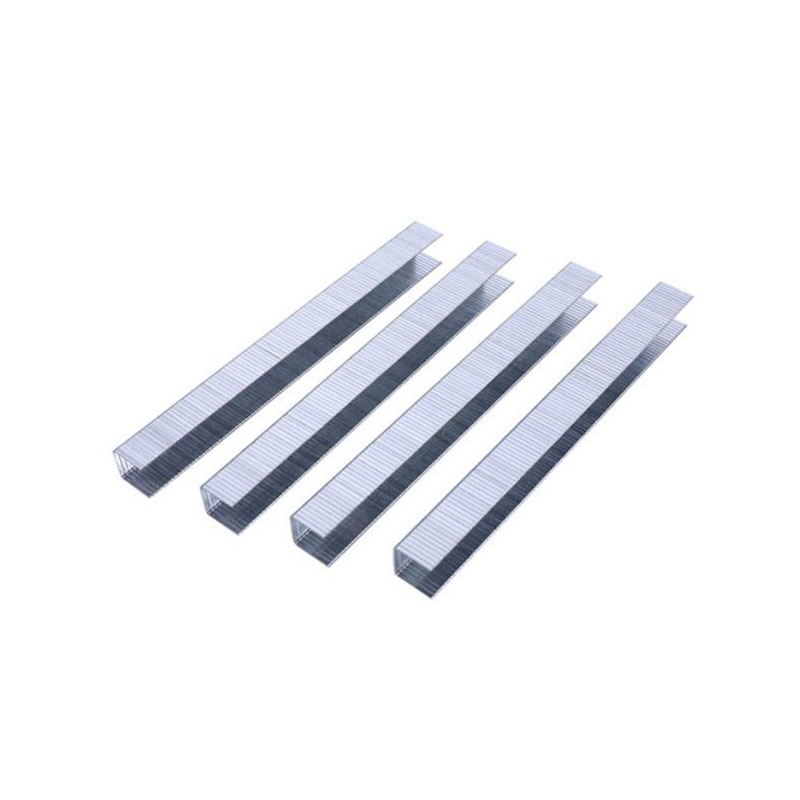
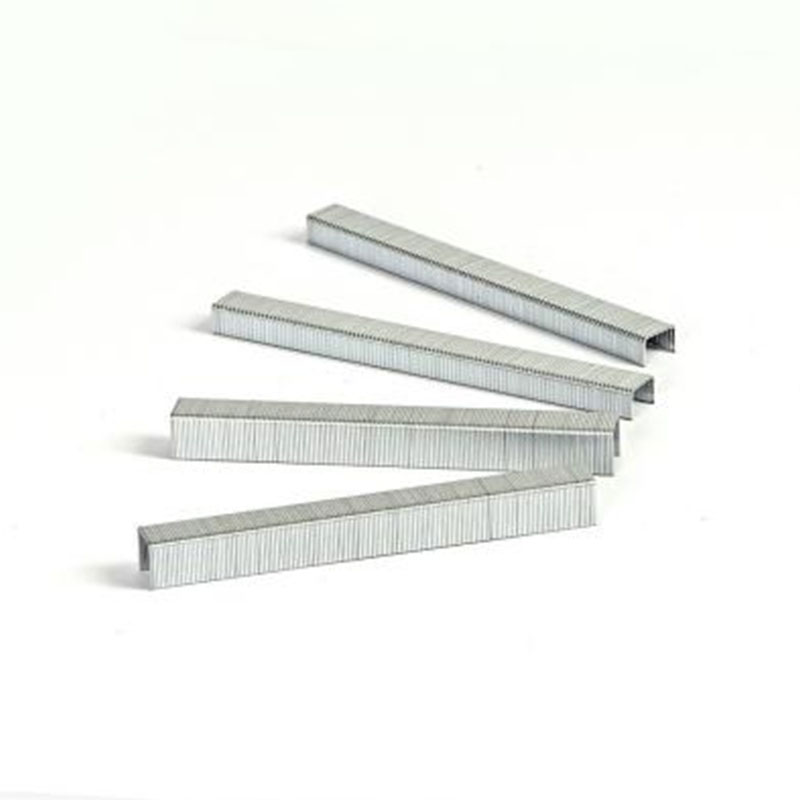
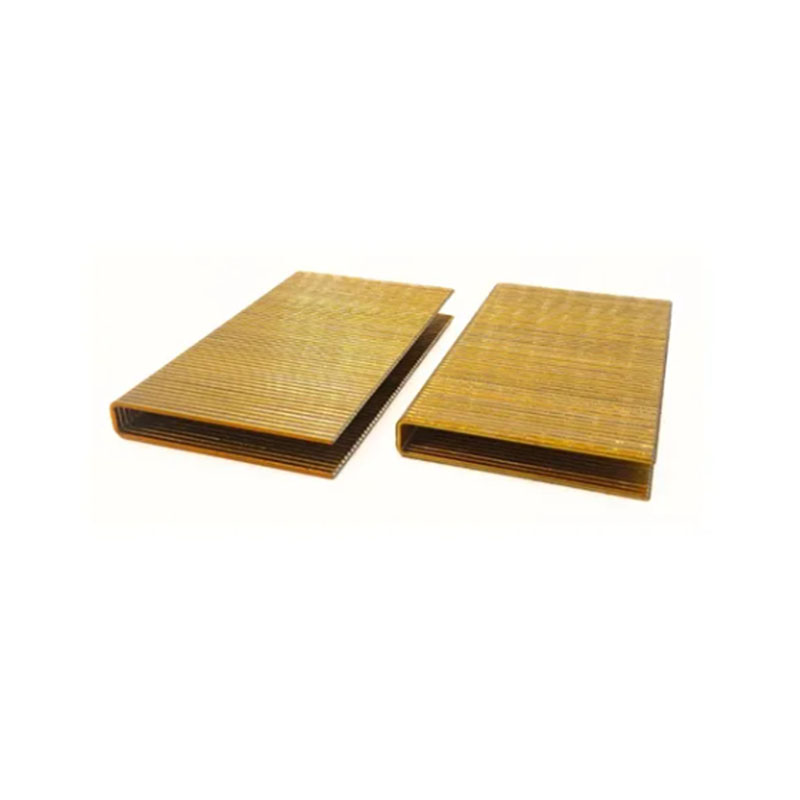
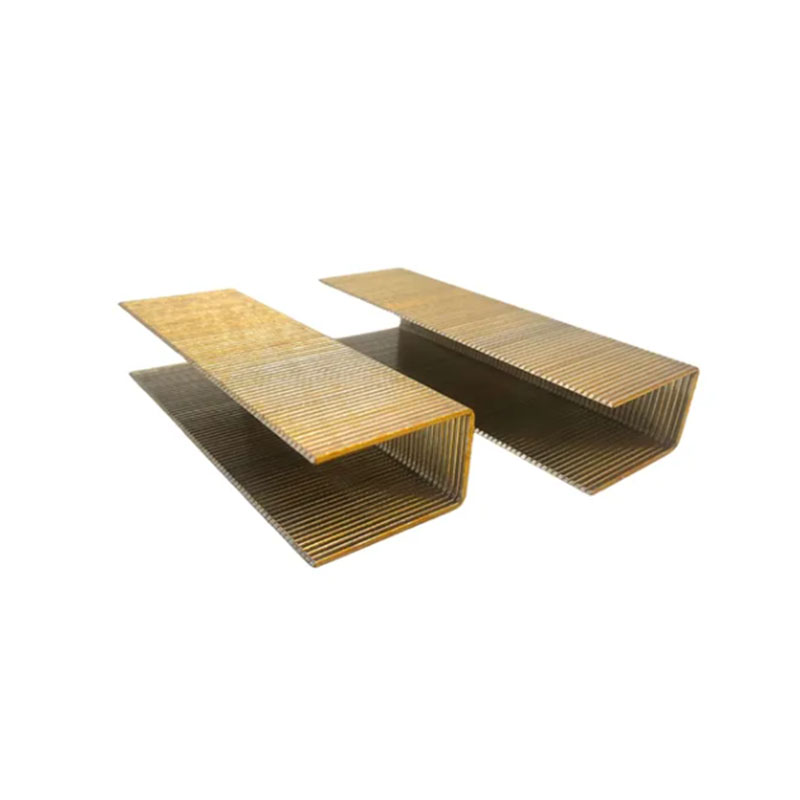
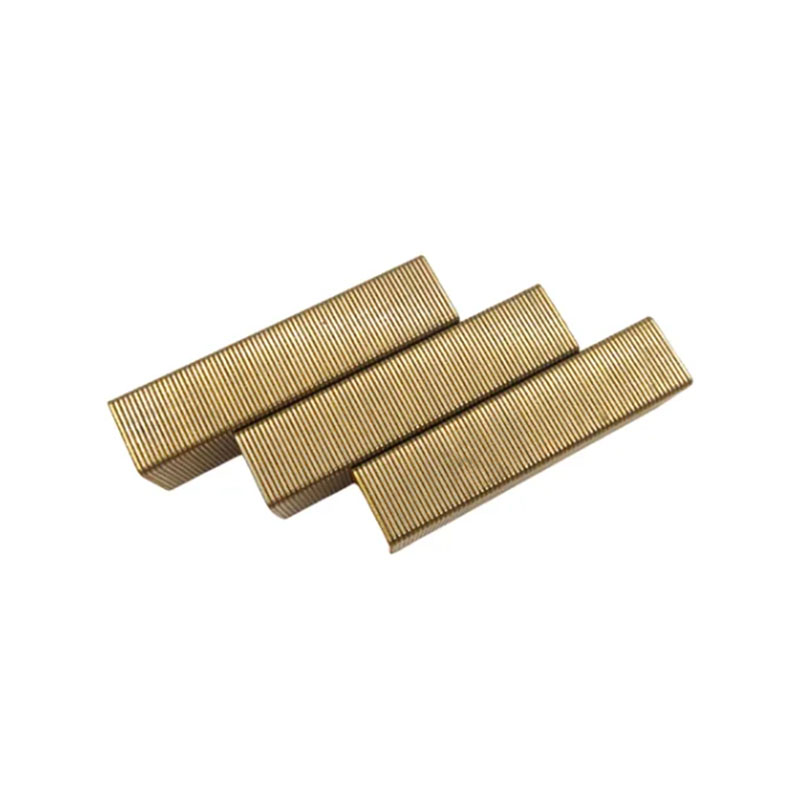
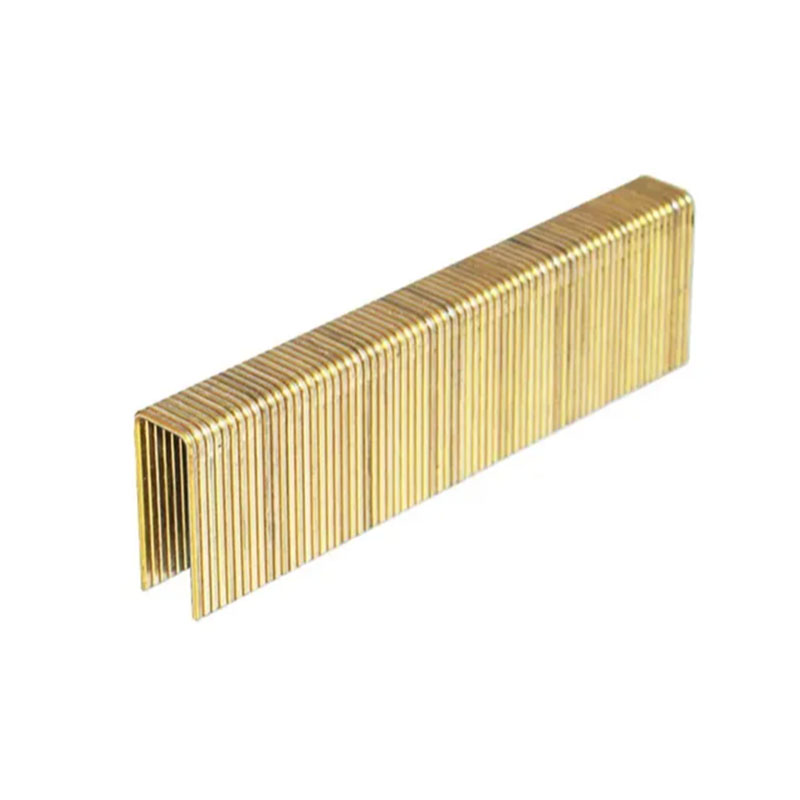
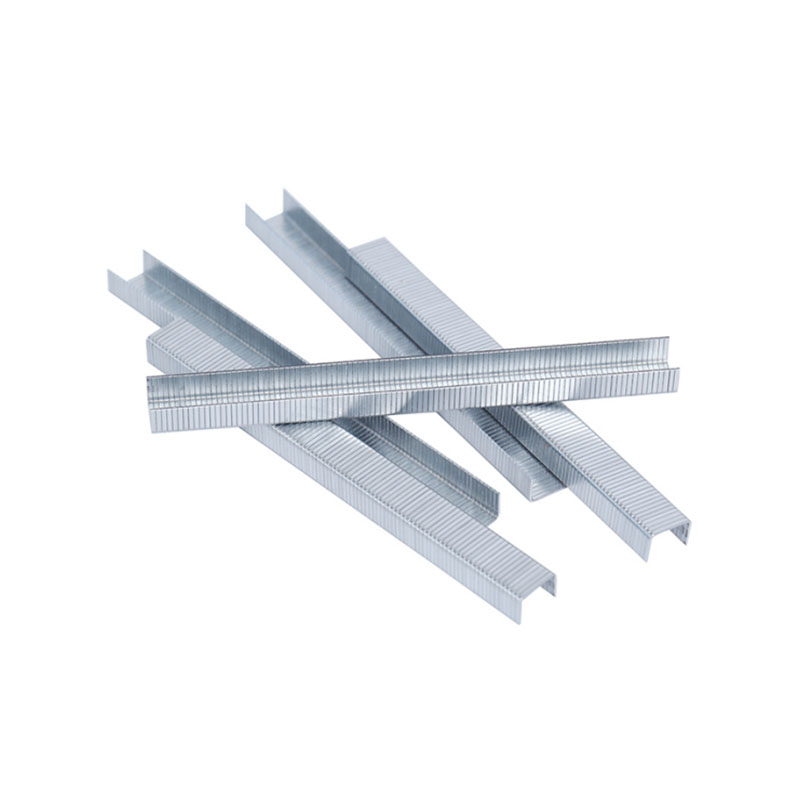
Upholstery staples are narrow-crown, fine-wire fasteners designed to secure fabric, leather, webbing, and padding to wood furniture frames without splitting the wood or leaving a bulky, visible fastener head. Unlike general construction staples, which prioritize holding power in structural framing, upholstery staples for furniture are engineered around a different set of priorities: thin enough to drive cleanly through fabric without tearing it excessively, narrow enough in crown width to sit discreetly under trim or finished edges, and sharp enough to penetrate hardwood frame material commonly used in furniture construction.
This specialization is why upholstery work relies on a distinct staple category rather than general-purpose staples — a standard construction staple is typically too thick and too widely crowned for fine fabric work, risking visible puckering or tearing at the fastening point, while an upholstery staple's finer gauge and narrower profile are specifically suited to holding fabric taut against a frame cleanly.
Staple Wire and Materials: Fine Wire and Stainless Steel
Fine wire upholstery staples refer to the wire gauge used in the staple's construction — a thinner wire diameter than standard construction staples, which reduces the size of the puncture left in fabric and minimizes the risk of visible thread damage or puckering around each staple point. Wire gauge is a real specification worth checking rather than assuming all upholstery staples share a similar thickness, since finer gauges suit delicate fabrics while slightly heavier gauges hold up better on thicker, more structural upholstery jobs.
Material selection follows a similar logic to other fastener categories: galvanized steel is the standard, cost-effective choice for general upholstery work in dry indoor conditions, while stainless steel upholstery staples are worth the added cost for outdoor furniture, marine upholstery, or any application where moisture exposure could cause a standard galvanized staple to eventually rust and stain the surrounding fabric. Rust bleeding through fabric from a corroding staple underneath is a real and visible failure mode in outdoor upholstery projects, which is why stainless is generally treated as a requirement rather than an optional upgrade for exterior-use furniture.
Upholstery Staple Types and Series Explained
Understanding upholstery staple types mostly comes down to learning the series/crown-width naming system, since this is how the industry standardizes compatibility between staples and staple guns. Each series designation refers to a specific crown width (the width of the top bridge connecting the two legs) paired with a defined range of available leg lengths, and staple guns are generally built to accept one or a small handful of compatible series rather than any staple regardless of dimensions.
Getting the series right isn't optional — a staple with the wrong crown width for a given gun either won't feed correctly, won't seat to the proper depth, or in some cases won't fit the gun's magazine at all. This is why upholstery staple packaging and staple gun manuals consistently reference the series designation directly, rather than leaving compatibility to guesswork based on general size alone.
71 Series vs. 80 Series vs. T50 Staples
These three designations account for the large majority of upholstery staples used in furniture work, and each has a distinct crown width and typical use profile:
| Series | Crown Width | Typical Use |
|---|---|---|
| 71 series upholstery staples | Narrow crown, approx. 3/8 in | Fine fabric work, delicate upholstery, professional pneumatic guns |
| 80 series upholstery staples | Wider crown, approx. 1/2 in | General upholstery, webbing, slightly heavier hold requirements |
| T50 staples | Wide crown, approx. 3/8–9/16 in depending on leg length | General-purpose stapling; common in widely available consumer staple guns |
The comparison of upholstery staples vs T50 staples specifically comes up often because T50-compatible staple guns are widely available as general-purpose consumer tools, while 71 and 80 series are more strongly associated with dedicated upholstery pneumatic guns used by professional upholsterers. T50 staples work adequately for casual DIY upholstery projects, but professional upholstery work more often favors 71 or 80 series specifically because dedicated upholstery guns using these series tend to offer finer control over drive depth and are purpose-built around fabric work rather than general-purpose fastening.
Upholstery Staple Sizes: Choosing the Right Leg Length
Beyond series/crown width, upholstery staple sizes also vary by leg length, typically ranging from around 1/4 inch up to 5/8 inch or longer within a given series. Leg length needs to be matched to the combined thickness of the material being fastened plus enough additional penetration into the frame to hold securely — too short, and the staple doesn't bite deeply enough into the wood frame to hold under tension; too long, and the staple can punch through thin frame material or protrude on the opposite side.
As a general guideline, thinner fabrics over standard frame material call for shorter leg lengths, while thicker padding, multiple fabric layers, or webbing applications generally need longer legs to achieve adequate frame penetration through the additional material thickness. Testing on a scrap piece of the same frame material before committing to a full project is a practical way to confirm the right leg length holds securely without over-penetrating.
Heavy Duty Upholstery Staples
Heavy duty upholstery staples use a thicker wire gauge and, often, a wider crown than standard fine-wire staples, trading some of the discreet, low-profile fastening finesse of fine wire staples for significantly higher holding strength. These are generally specified for structural upholstery elements — securing webbing under significant tension, attaching heavier-gauge fabric or vinyl, or fastening in denser hardwood frame material that resists staple penetration more than softer woods.
The trade-off with heavy duty staples is that their thicker wire and wider crown leave a more noticeable puncture and surface footprint in the fabric, which is why they're generally reserved for structural or hidden fastening points (under padding, beneath a finished panel, or on webbing that won't be visible in the finished piece) rather than the final, visible fabric layer where a finer staple's smaller profile matters more for appearance.
Pneumatic Guns and Staple Gun Compatibility
Pneumatic upholstery staples are driven by air-powered staple guns, which deliver more consistent driving force and faster repeat-fire speed than manual staple guns — a meaningful advantage for professional upholsterers working through large volumes of staples across a full furniture piece, where manual gun fatigue and inconsistent drive depth become real productivity and quality issues over an extended job.
Matching upholstery staple gun staples to the specific gun being used is essential — pneumatic guns, electric guns, and manual squeeze guns each have their own compatible series and sometimes proprietary staple formats, and using an incompatible staple can cause jamming, inconsistent drive depth, or in some cases damage to the gun's drive mechanism. Checking the gun manufacturer's specified compatible staple series before purchasing staples in bulk avoids this mismatch, particularly since many staples across different brands look similar despite being incompatible with a given gun's magazine and drive mechanism.
Applications: Furniture Repair, Leather, and Fabric
Staples for furniture repair represent one of the most common use cases outside of full upholstery projects — reattaching a loosened fabric panel, replacing failed original staples, or securing dust covers and webbing that has come loose over years of use. Repair work often benefits from matching the original staple's series and leg length where possible, since a significantly different staple size can create new puncture points in fabric that's already showing wear near the original fastening line.
Upholstery staples for leather require particular attention to leg length and drive depth control, since leather is less forgiving of over-penetration or excessive stapling force than woven fabric — a staple driven too aggressively can visibly deform or tear leather in a way that's much harder to disguise than a similar issue on fabric. Slower, more controlled driving force (often meaning a lower air pressure setting on a pneumatic gun) is generally recommended specifically for leather work.
Upholstery staples for fabric have more tolerance for standard drive settings, though fabric weight still matters — lightweight fabrics benefit from finer wire gauge and shorter legs to minimize visible puncture marks, while heavier fabrics like canvas or denim-weight upholstery textiles can accommodate standard or slightly heavier staples without the same risk of visible damage.
How to Choose Upholstery Staples
Working through how to choose upholstery staples comes down to a short sequence of checks rather than picking based on price or general size labeling alone:
- Confirm the compatible series — check the staple gun's specified series (71, 80, T50, or another format) before purchasing, since crown width incompatibility is the most common source of jamming and feed problems.
- Choose leg length for material thickness — match leg length to the combined thickness of fabric, padding, and frame penetration needed for a secure hold without over-penetrating.
- Select material for the environment — stainless steel for outdoor, marine, or humid-climate furniture; galvanized steel is generally sufficient for indoor projects.
- Match wire gauge to the fabric — fine wire for delicate or visible fabric layers, heavier gauge for structural or hidden fastening points like webbing.
- Adjust for material type — leather generally calls for more conservative drive settings and careful leg length selection compared to standard woven fabric.
Series compatibility is worth double-checking before buying in bulk specifically — it's a common and entirely avoidable mistake to purchase a large box of staples only to find they don't feed correctly in a specific gun, and returning or reselling an opened box of fasteners is rarely practical once the mismatch is discovered mid-project.