English
 русский
 Español

Content
- 1 What Are Heavy Wire Staples?
- 2 Choosing the Right Gauge for Your Application
- 3 Crown Width and Leg Length Considerations
- 4 Coatings and Material Selection
- 5 Where Heavy Wire Staples Are Used
- 6 What to Look For in a Heavy Wire Staples Manufacturer
- 7 Quality Control and Production Experience
- 8 Final Selection Checklist
Heavy wire staples are among the most dependable fasteners in industrial manufacturing, yet their real-world performance depends heavily on wire quality, forming consistency, and the expertise of the manufacturer behind them. When production lines run at speed and downtime is expensive, the staple loaded into a pneumatic tool has to do its job without surprises. Choosing a heavy wire staples manufacturer who understands both material science and everyday application demands makes all the difference. A great staple starts with a great supplier, and knowing what separates a reliable producer from a simple trader can save your operation months of frustration.
What Are Heavy Wire Staples?
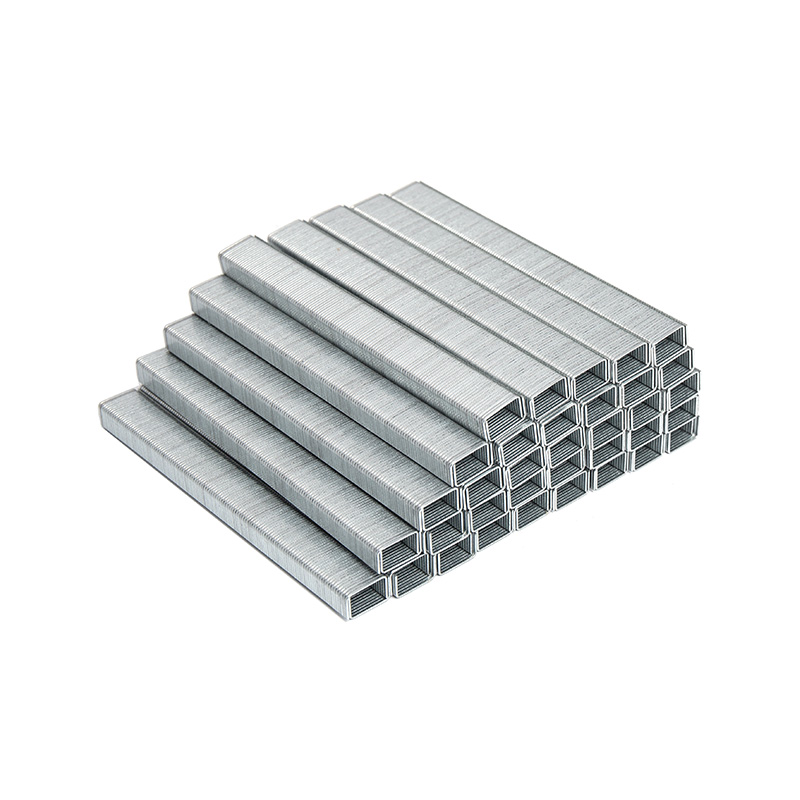
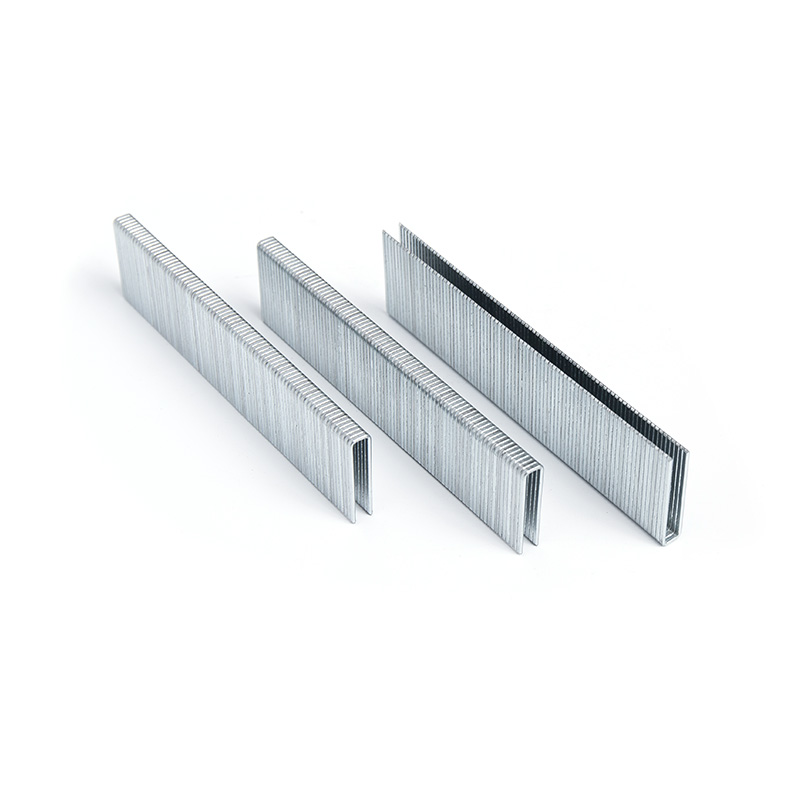
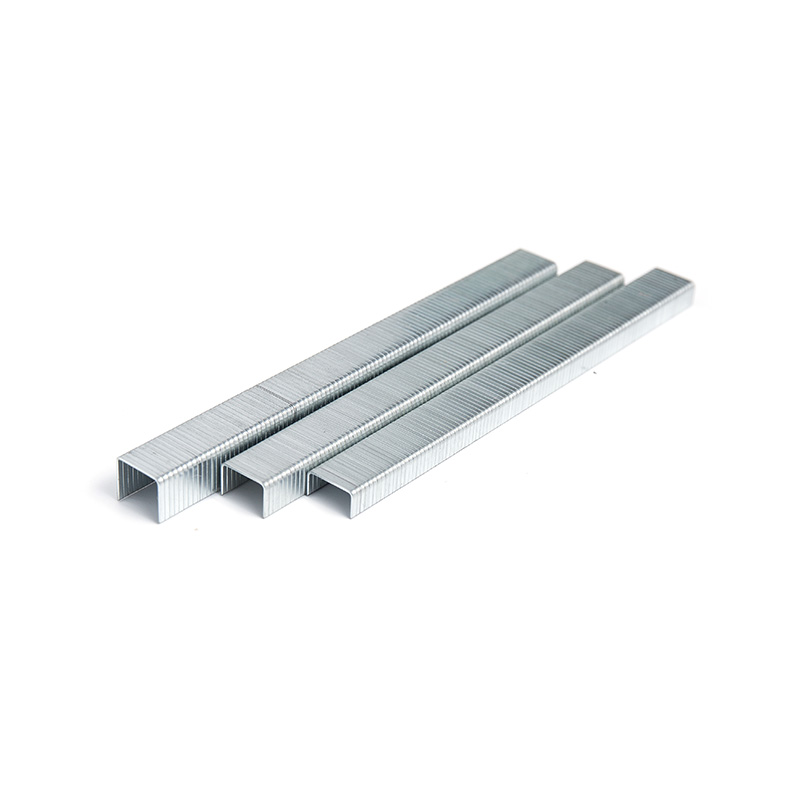
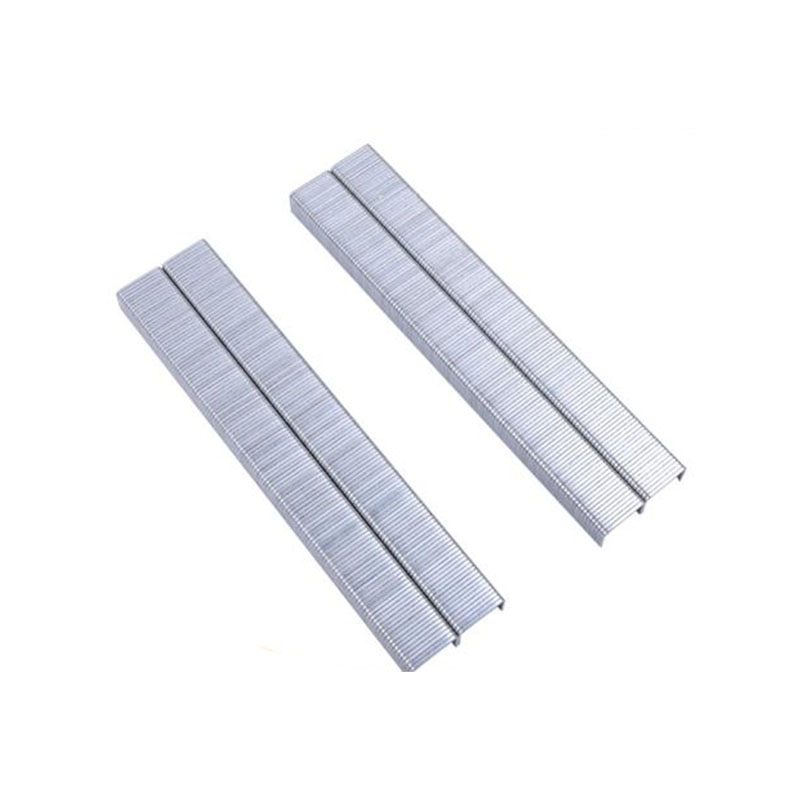
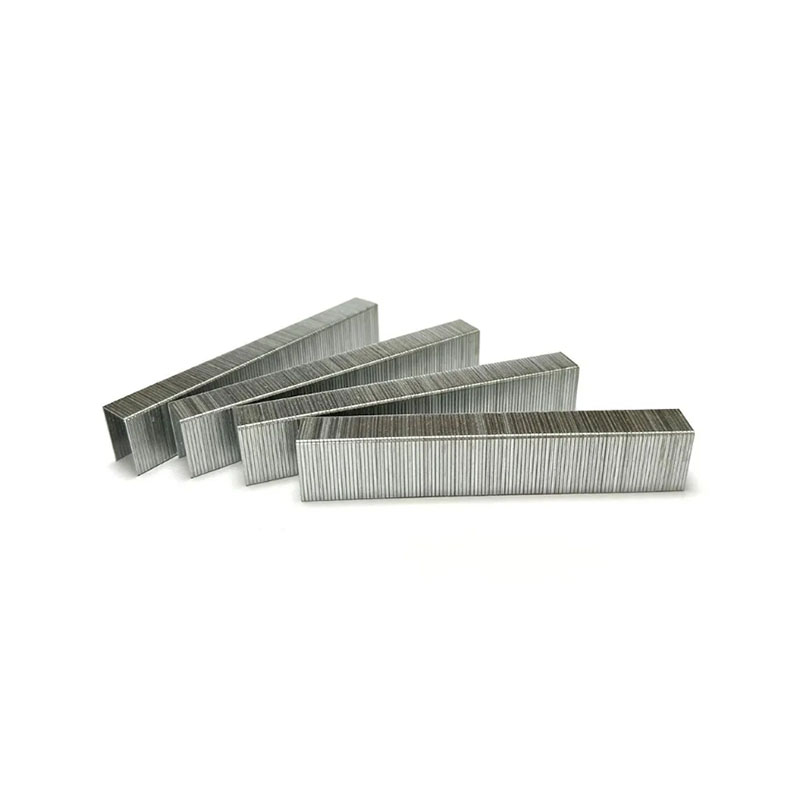
Heavy wire staples are built for demanding structural fastening tasks. Unlike fine wire staples used for light trim or medium wire staples used for general upholstery, heavy wire staples typically fall within the 14 to 17 gauge range, with wire diameters that deliver substantial holding power in wood, engineered panels, and even soft metals. In our production ranges, heavy wire staples are represented by series such as BCS15, Q, B7, BCS2, BCS4, GS16, GSW16, N, P, and 14 Series, all engineered for consistent collation and clean driving. Because these staples serve in structural joints, their wire hardness, point shape, and strip alignment must be controlled far more tightly than is necessary for light-duty fasteners.
Choosing the Right Gauge for Your Application
Gauge is the first specification most buyers check, and for good reason. It determines the stiffness of the staple, its holding power, and how easily it penetrates dense materials without bending. The gauge numbering system can be counterintuitive for newcomers: the higher the gauge number, the thinner the wire. A 15-gauge staple is noticeably stiffer and pushes through hardwoods with confidence, while a 17-gauge staple offers a practical balance between strength and a reduced tendency to split lighter lumber.
| Gauge | Approx. Wire Diameter | Typical Applications |
|---|---|---|
| 15 GA | 1.83 mm | Pallet assembly, furniture frames, roofing underlayment |
| 16 GA | 1.65 mm | Upholstery frames, crate building, general industrial fastening |
| 17 GA | 1.47 mm | Lighter wood manufacturing, heavy fabrics, trim work |
For a deeper look at how gauge, crown, and leg length interact in practical selection, our heavy wire staples gauge, coating, and sizing guide covers the full picture. The right gauge is not simply the thickest wire available; it is the one that matches the density of the base material and the strength required at the joint, while remaining compatible with the stapler you already use.
Crown Width and Leg Length Considerations
The crown is the top bar of the staple, the part that bridges the joint and distributes clamping force across the surface. Heavy wire staples are commonly produced with narrow crowns where appearance and a tight footprint matter, and with wider crowns where load spreading is more important. Leg length, in turn, must be matched to the total thickness of the materials being fastened. A practical rule of thumb is that the legs should penetrate through the bottom material by roughly three times the wire diameter to achieve a secure clinch. When working with thin material, a shorter leg with a well-formed point prevents blow-through; when working with hard material, a chisel point staple is the smarter choice because it cuts through dense grain rather than crushing it, which reduces driving force and minimizes splitting. These details are easy to overlook on a spec sheet, but they determine whether a staple drives consistently through an entire production shift.
Coatings and Material Selection
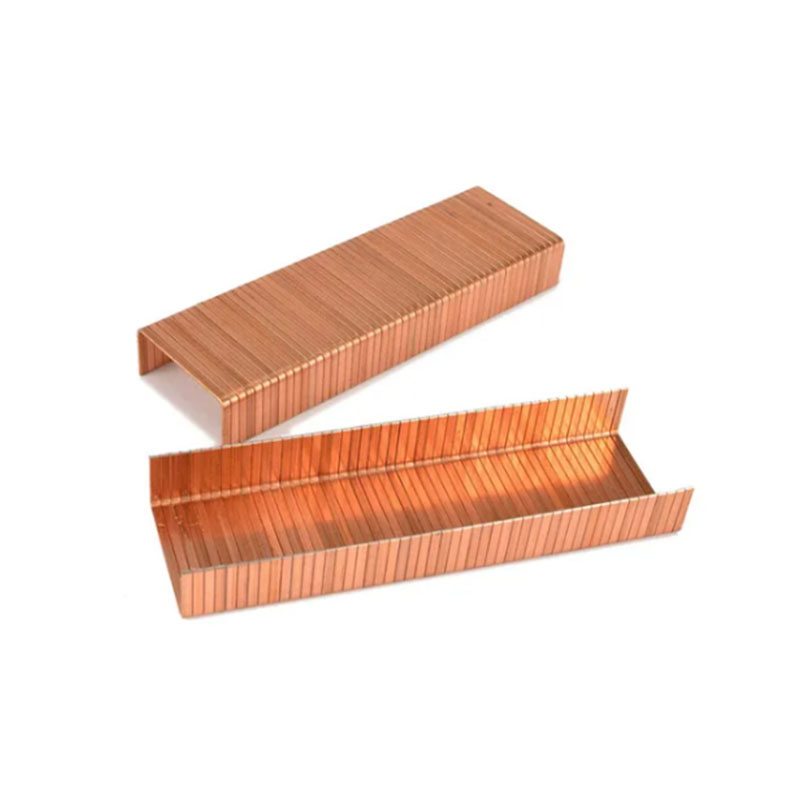
Surface finish plays a major role in the lifespan and performance of heavy wire staples. Galvanized staples offer strong corrosion resistance for outdoor or humid environments, which is why they are a preferred choice for roofing and exterior framing work. Stainless steel staples provide an even higher level of rust protection and are frequently specified for coastal construction, food processing facilities, and other high-moisture settings. Bright wire staples, without coating, are better suited to interior applications where corrosion is not a concern. Coating quality is as important as coating type. An uneven zinc layer can flake off inside the tool magazine or clog the driver bore, so a reliable manufacturer controls bath composition and drying conditions carefully. This is one area where production experience visibly shows.
Where Heavy Wire Staples Are Used
Heavy wire staples are a workhorse across several industries, and each sector places different demands on the fastener.
Furniture and upholstery manufacturing
In furniture production, heavy wire staples attach frames, secure spring suspensions, and anchor structural joints in sofas, chairs, and mattress bases. Because furniture joints endure repeated loading, manufacturers need staples that hold firmly while remaining consistent enough for automated assembly lines.
Packaging, pallets, and crates
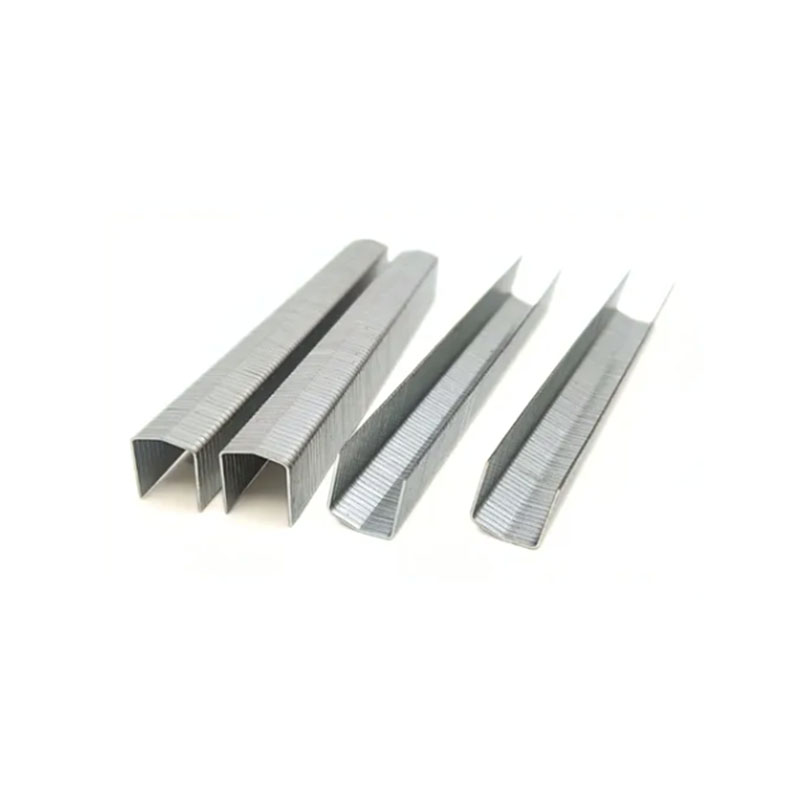
Pallet and crate builders often prefer the 15GA BCS15 series for its stiff wire and clean driving behavior in dense and recycled woods, where staple legs must pass through knots and grain variation without deviation.
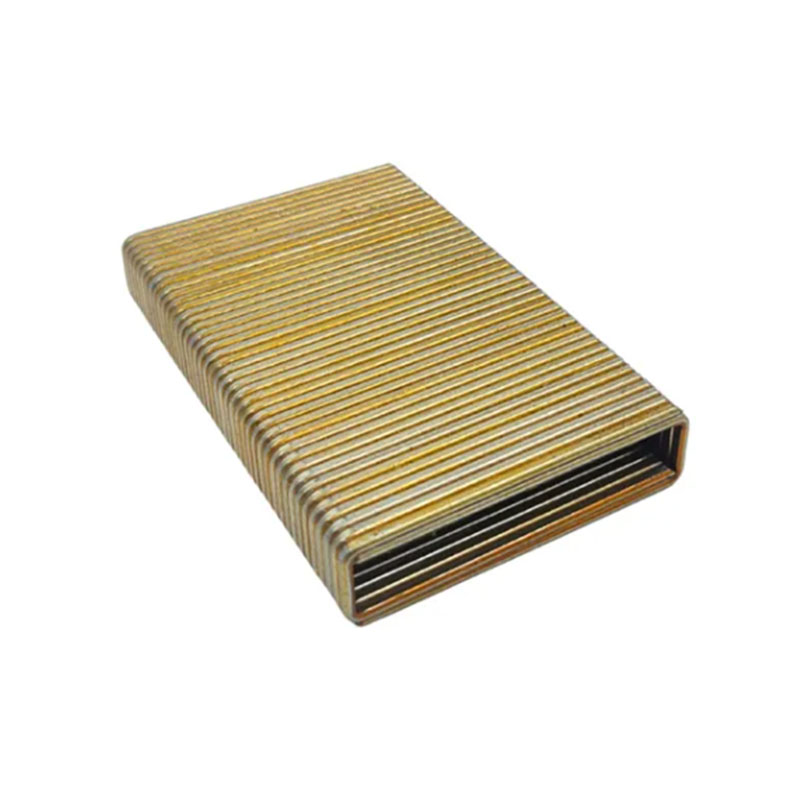 15GA BCS15 Series Heavy-Duty Staples for Pallet and Crate BuildingThese high-strength U-shaped staples feature stiff wire and precise crown dimensions, making them suitable for dense and recycled woods where staple legs must drive cleanly through knots without deviation.View Product →
Construction and roofing
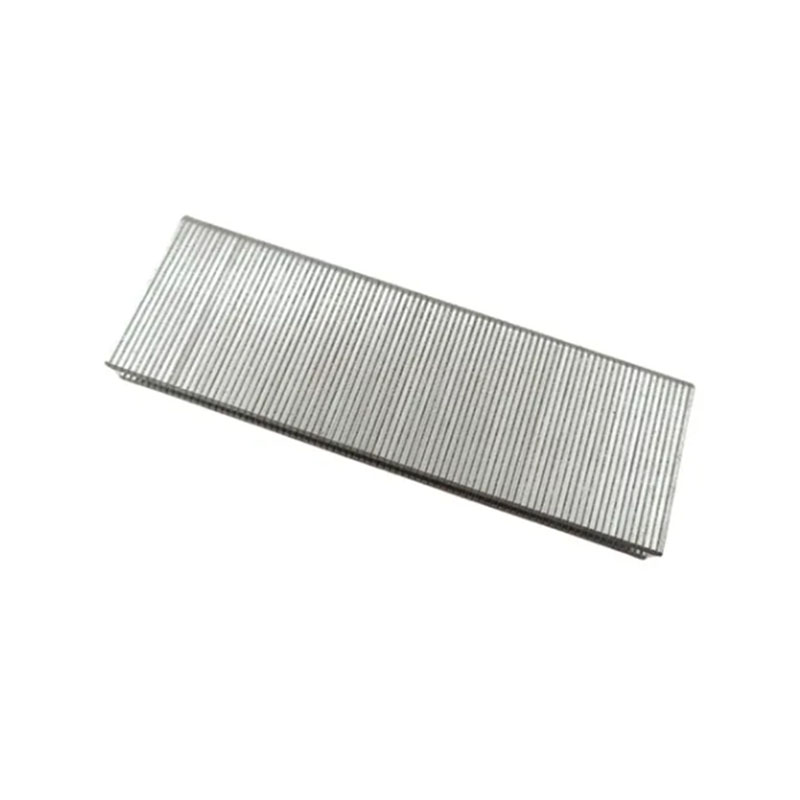
On construction sites, heavy wire staples fasten roofing underlayment, house wrap, and insulation board. The P25 series galvanized heavy wire staples were developed specifically for roofing and furniture work, balancing strong holding power with a corrosion-resistant finish that stands up to weather exposure.
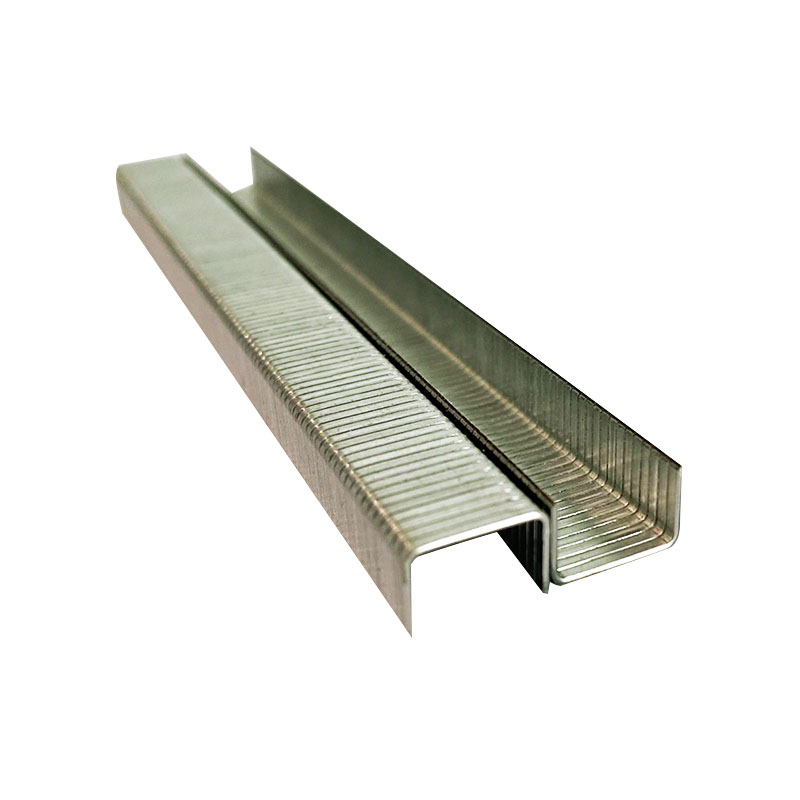 P25 Series Galvanized Heavy Wire Staples for Roofing and FurnitureDeveloped for roofing underlayment, house wrap, and insulation board, these galvanized staples offer corrosion resistance and strong holding power for outdoor and furniture applications.View Product →
General industrial fastening
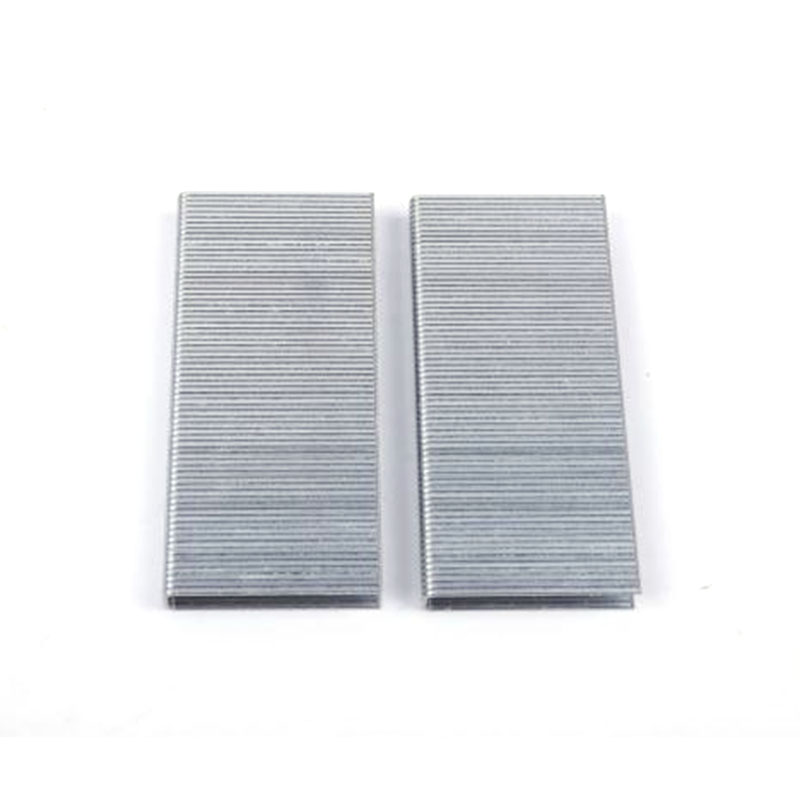
For high-volume production environments, the P26 series is engineered for consistent performance shift after shift, making it a dependable choice for manufacturers who cannot afford interruptions in their fastening lines.
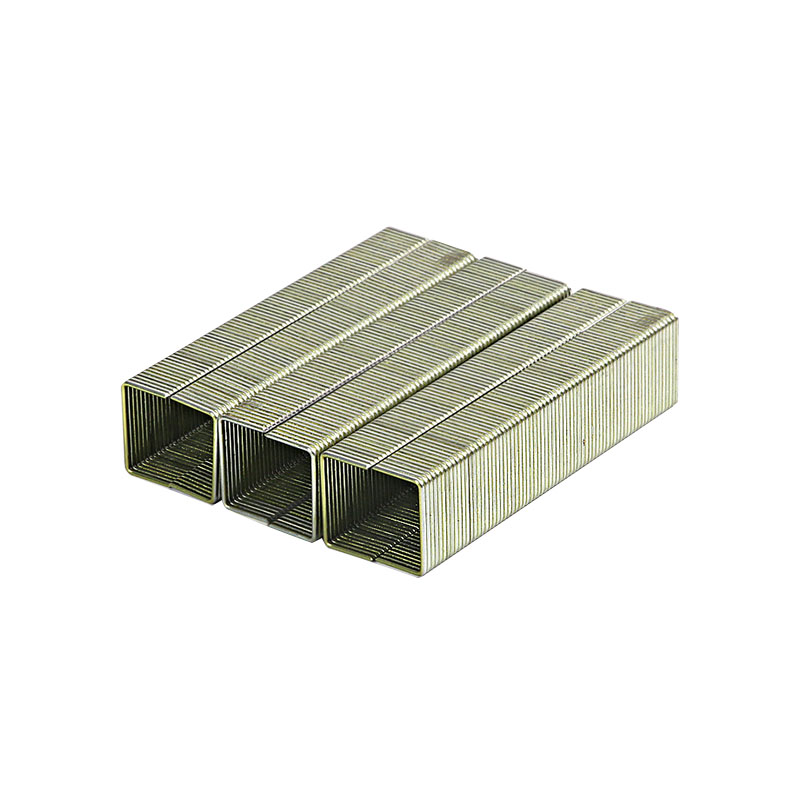 P26 Series Heavy-Duty Industry Staples for High-Volume ProductionEngineered for consistent performance in demanding manufacturing environments, these staples provide secure fastening and durability, reducing downtime in high-volume fastening lines.View Product →
What to Look For in a Heavy Wire Staples Manufacturer
Selecting a manufacturer is about more than comparing unit prices. A dependable supplier should control the entire production chain, from wire drawing through forming, heat treatment, and collation. Consistent wire hardness prevents staples from deforming in the magazine or jamming in the tool. Clear specification data helps you match staple geometry to your application without guesswork. Ask potential suppliers about their wire sourcing, tolerance control, and how they handle coating consistency across batches. When you receive samples, test them in the exact tool you use in production, on the same materials, and under the same conditions you face every day.
At Zhejiang Tianying Hardware, we have spent more than two decades developing pneumatic fasteners and staples. Our experience spans fine, medium, and heavy wire staples, along with specialized products for mattresses, upholstery, carton sealing, and car seats. We know from working directly with furniture plants, packaging lines, and construction teams that reliable fastening starts with understanding how users actually load, drive, and depend on our products.
Quality Control and Production Experience
Quality comes down to the details. Wire diameter tolerances, point sharpness, chisel geometry, collation alignment, and the consistency of the galvanized finish all influence how a staple performs under high-volume use. A manufacturer who tests staples in the same pneumatic tools and against similar materials as their customers is far more likely to deliver a product that runs smoothly from the first magazine to the last. We also welcome customers to explore our complete heavy wire staples range and review the technical specifications behind each series. A good supplier should be transparent about dimensions, wire material, and packaging, because that information directly affects your production planning. Look for a partner who can answer detailed questions about heat treatment, hardness testing, and packaging density without hesitation.
Final Selection Checklist
Before you place your next order, run through this quick checklist:
- Confirm the exact gauge and wire diameter your stapler and materials require.
- Verify that the crown width fits your tool's magazine and driver.
- Choose the coating based on the environment where the staple will serve.
- Run a clinch test on your actual materials before committing to volume.
- Ask about collation type, strip alignment, and tolerance control.
- Confirm the manufacturer can scale with your production and lead-time needs.
Heavy wire staples are small parts with a large responsibility. When you partner with an experienced manufacturer who understands gauges, coatings, and real production conditions, you protect your uptime, your product quality, and ultimately your customers' trust.