English
 русский
 Español

Content
Carton closing staples are U-shaped wire fasteners made to close corrugated cartons quickly, securely, and economically. They are the industrial cousins of the office staple, but they work on a much larger scale. Whether you are sealing a light retail box or a heavy export carton, a correctly chosen staple helps your package arrive intact.
Breaking Down the Carton Closing Staple
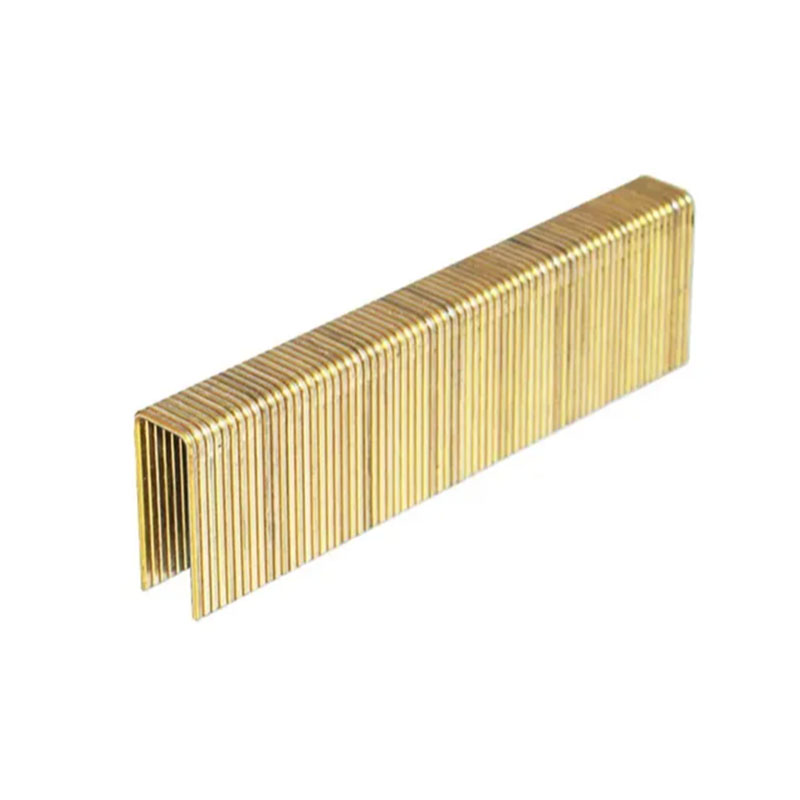
At its most basic level, a carton closing staple is a formed steel wire with a crown at the top and two legs. The legs are pointed, usually with a chisel tip, so they can pierce multi-wall corrugated board without tearing the paper surface. The crown spans the seam between two carton flaps and gives the staple its holding area.
Carton closing staples are not office staples. The wire is thicker, the crown is longer, and the point geometry is designed for board, not paper. They are manufactured in collated strips or rolls, allowing the staple to feed through manual, pneumatic, battery-powered, or fully automatic carton sealers.
Structural terms worth knowing
- Crown: the horizontal top section that bridges the box seam and distributes holding pressure.
- Leg: the two vertical wire sections that penetrate the corrugated flaps.
- Point: the sharpened tip that helps the staple pierce cleanly without crushing the board.
- Coating: a protective finish such as galvanized or copper that helps the staple resist moisture and corrosion.
Wire gauge is another important term. Lower gauge numbers mean thicker wire. For example, 15-gauge wire is thicker than 17-gauge, so it offers more strength but requires a tool with the right driving force. A 15-gauge staple is usually chosen for heavy cartons and multi-wall corrugated board, while a 17-gauge staple provides a practical balance for medium-duty packaging. Leg length also has to match board thickness because the staple must penetrate the flaps and still have enough length to clinch properly.
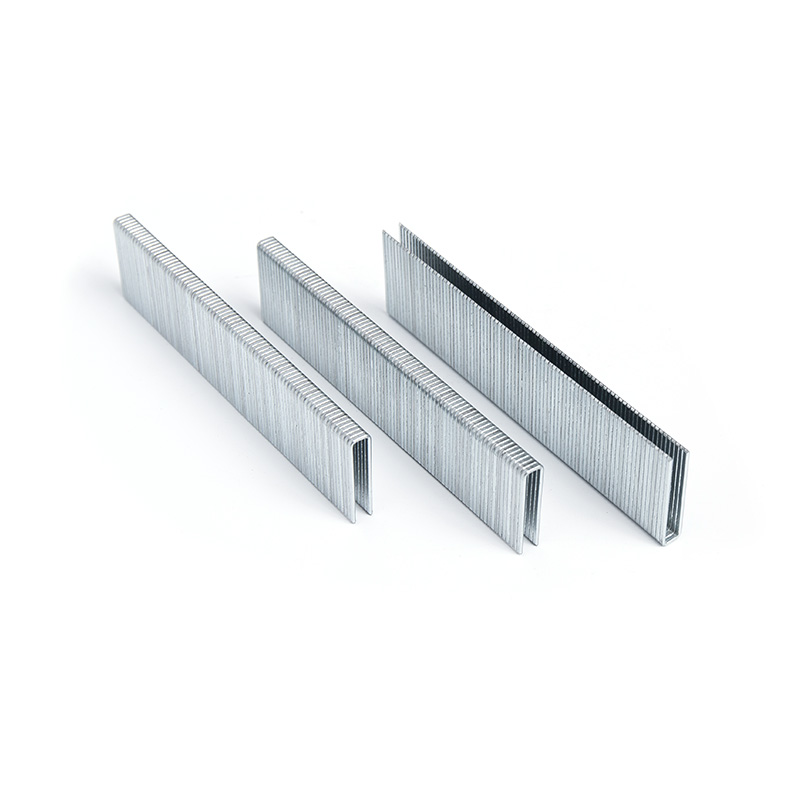
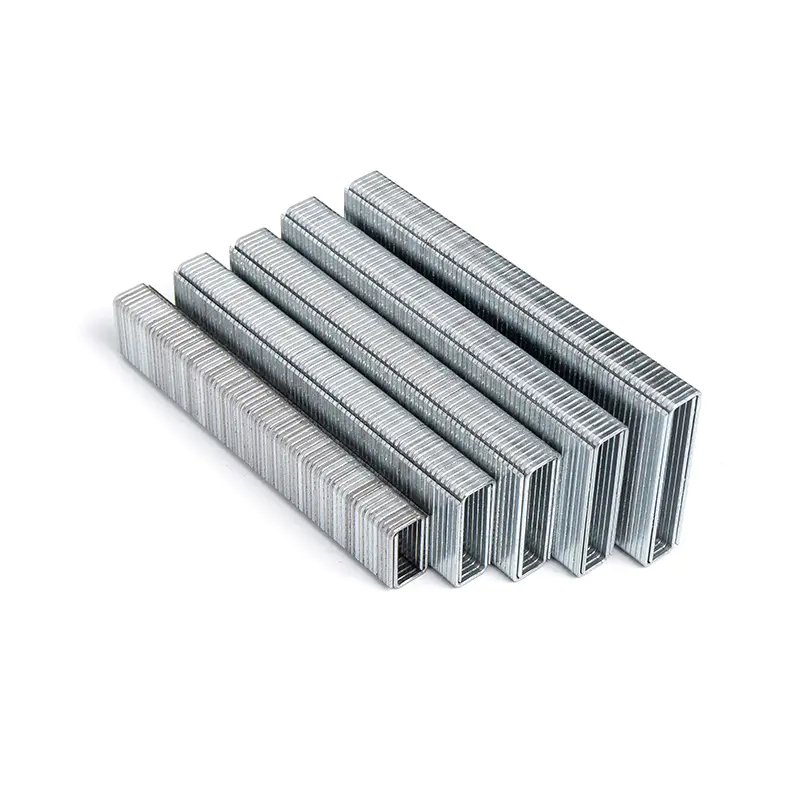
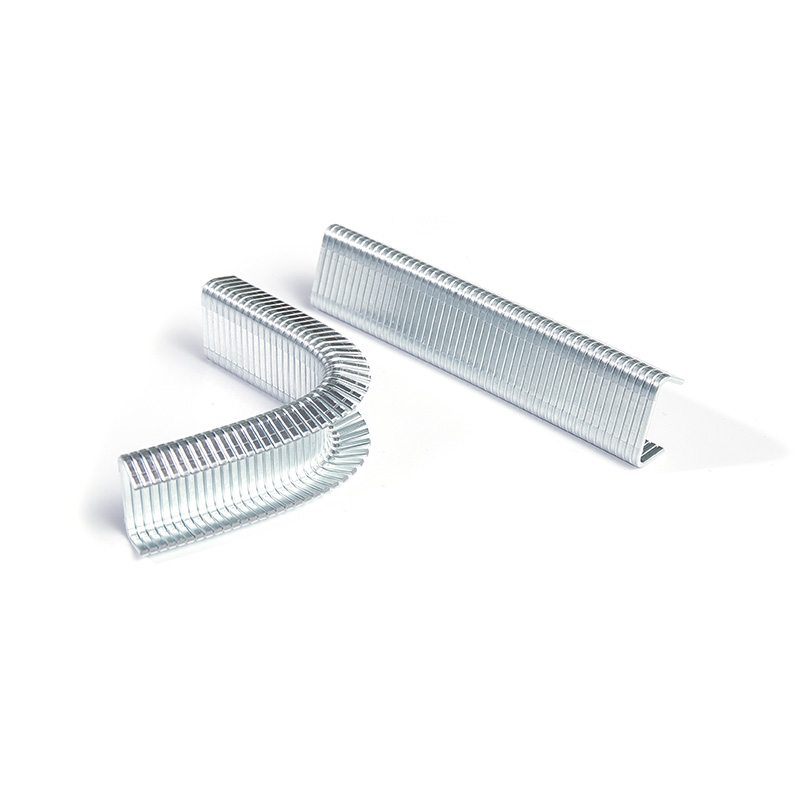
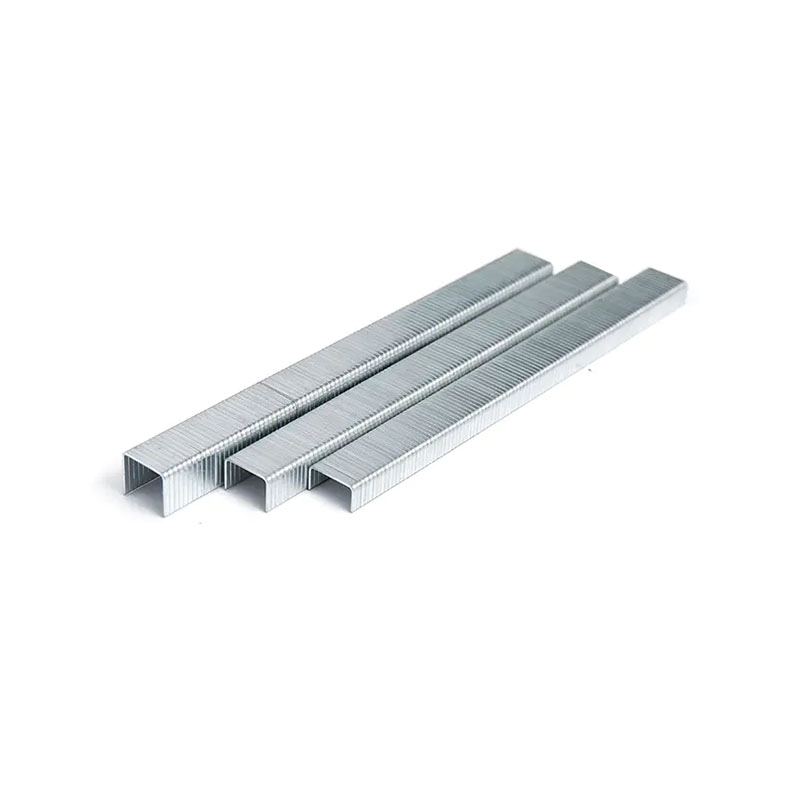
One of the most popular stick-style formats in our carton closed staples range is the 15GA 35-series staple, which is designed for heavy-duty cartons that need extra penetration and holding power.
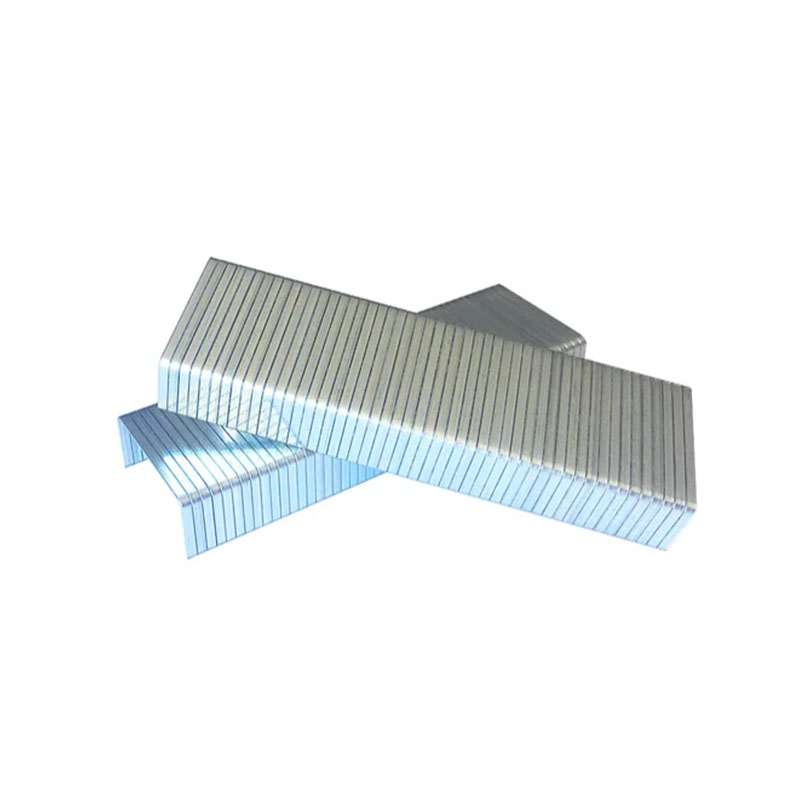 15GA 35 Series Wide Crown Staples for Heavy-Duty FasteningThese heavy-duty staples feature a 35mm crown and 2.3mm wire, designed for timber framing, pallets, and concrete formwork. Their thick legs provide strong penetration and holding power, ideal for demanding construction tasks.View Product →
How Do Carton Closing Staples Work?
The working principle is simple. The stapler presses down over the joint between the carton flaps and drives the staple legs through the upper flap and into the lower flap. As the legs emerge, they meet the anvil or clinch mechanism in the stapler, which bends them sideways. That clinch locks the flaps together tightly.
Because the staple creates a mechanical connection rather than a chemical bond, it is particularly reliable on the seams of corrugated containers. Tape can peel, and adhesive can fail in cold or humid conditions, but a clenched staple holds the board fibers together. This is why carton closing staples are widely used in produce packaging, e-commerce fulfillment, and industrial shipping.
The clinch action also gives a clear visual indicator that the box has been sealed correctly. Once the staple legs are bent, the closure is difficult to open without leaving visible marks, making the package less vulnerable to tampering during transit.
Carton Closing Staple Formats
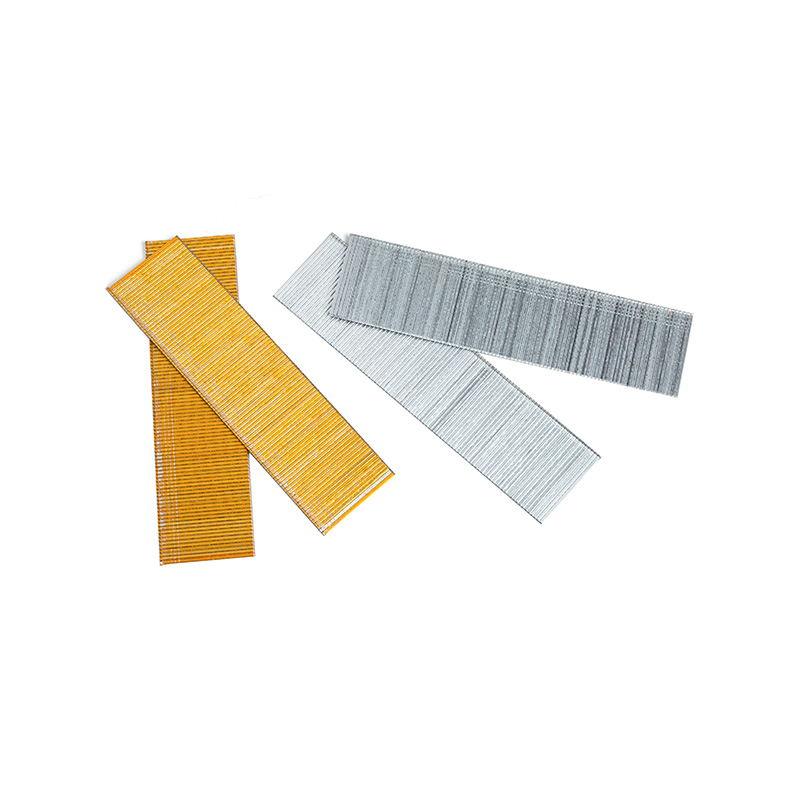
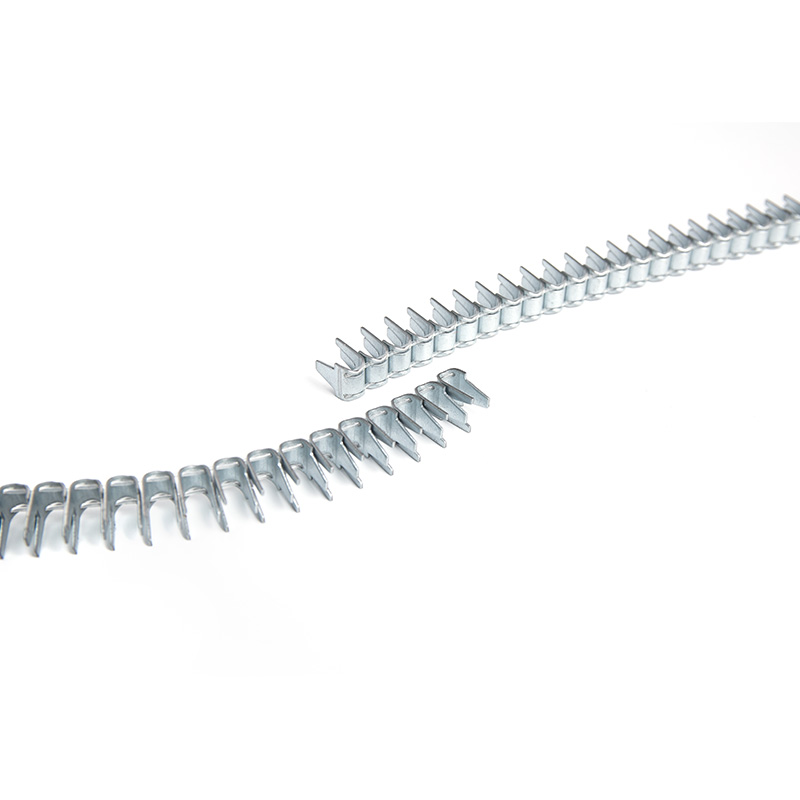
Carton closing staples are supplied in two main feed formats: collated sticks and rolls. Collated stick staples are glued into a straight row and fit into standard hand-held carton staplers. Roll staples are formed into a continuous coil for semi-automatic and automatic case sealers, where the machine feeds staple after staple without reloading.
Choosing between stick and roll is usually decided by the stapler you already own and the volume you need to seal. Stick formats are practical for lower-volume operations and manual stations. Roll formats are better for high-speed packing lines where reloading time directly affects throughput.
| Format | Example | Typical Application |
|---|---|---|
| Collated stick | 15GA 35-series | Heavy duty and export cartons |
| Collated stick | 17GA 32-series | General purpose box sealing |
| Roll | 555134 / 888-JK555 | Automated, high-volume packing lines |
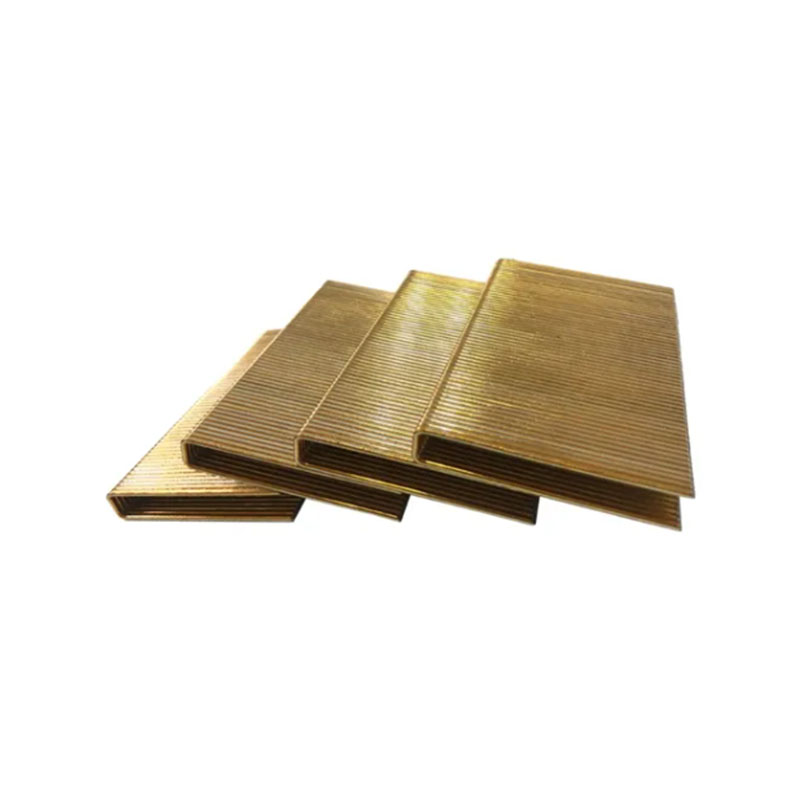
Roll-fed carton closing staples help teams seal hundreds or thousands of boxes in one shift. One typical roll product in this category is the 555134 roll carton close staple, designed for continuous sealing on automatic equipment.
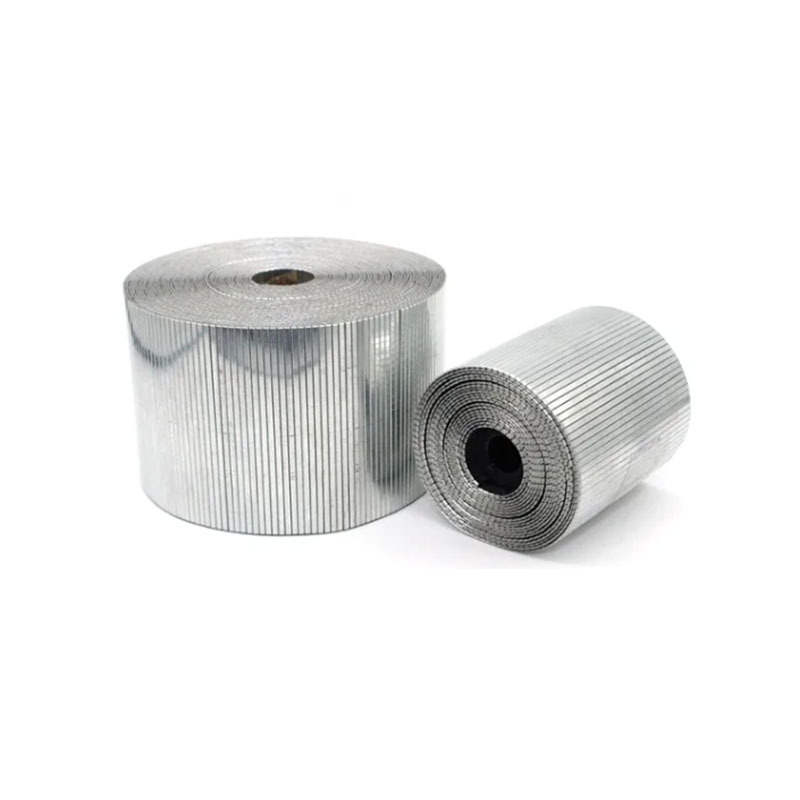 555-134 Coil Carton Staples for Automatic Sealing LinesThese coil-fed staples come in galvanized steel or copper, with leg lengths from 15mm to 18mm. Designed for automatic carton sealers, they reduce reloading frequency and keep high-volume packaging lines running efficiently.View Product →
Choosing the Right Carton Closing Staple
Choosing the right staple is not difficult if you answer four practical questions.
- What is the board strength and box weight? Heavy export cartons demand heavier wire and longer legs, while light retail cartons do not need maximum penetration.
- How is the staple being driven? Stick formats suit manual and pneumatic staplers, while roll formats suit automatic case sealers.
- What conditions will the package face? Humid shipping routes and moisture-sensitive products may require galvanized or copper-coated staples.
- How fast does the line need to run? Low-volume operations can use stick-fed staplers, while high-volume lines benefit from roll formats.
A common mistake is to choose a staple solely by price. A cheap staple that jams the tool or fails during shipping is far more expensive than the few cents saved on the staple itself. Matching the staple to the board thickness and the driving tool is the most reliable way to keep packaging costs predictable.
Material and coating
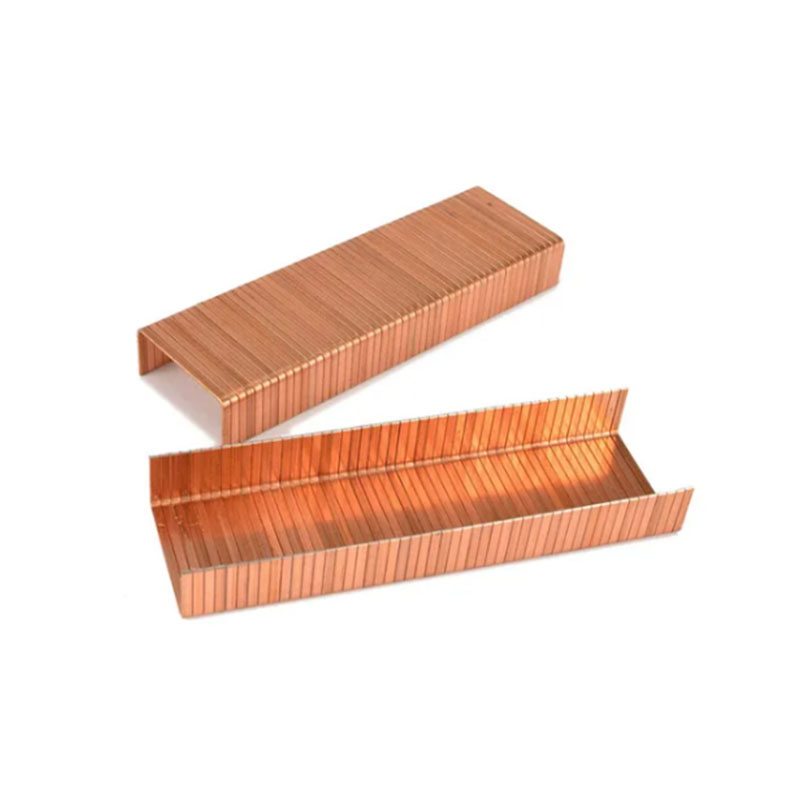
Galvanized steel is the standard choice because it resists rust and keeps costs low. Copper staples are less common but useful in humid environments or for products that require a non-ferrous fastening option. Both materials are available in the 35-series format, so the final decision depends on your shipping environment and budget.
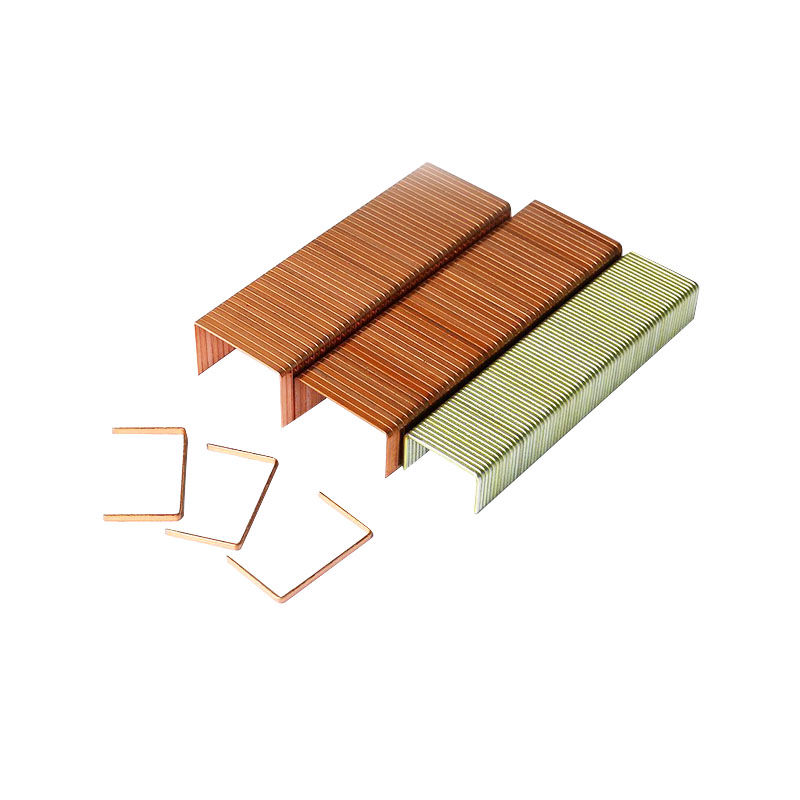 35 Series Copper-Coated Carton Closing StaplesMade with a corrosion-resistant copper finish, these 35-series staples suit humid environments or non-ferrous fastening needs. They securely seal cartons and wooden boxes, offering reliable performance for shipping and storage applications.View Product →
Quality Is What Keeps Packaging Lines Running
Carton closing staples may be small, but their quality determines whether a packing line runs smoothly. In high-speed equipment, a malformed crown, weak leg, or inconsistent collating adhesive can cause jams and costly downtime. In the field, poor point sharpness can crush corrugated board instead of piercing it cleanly.
For manual operators, strip collating glue must hold the stick together while still releasing cleanly in the tool. Too much glue causes misfeeds, and too little causes the stick to fall apart. At Zhejiang Tianying Hardware, we have spent years producing carton closed staples and other industrial fasteners, and we know that consistent wire diameter, controlled heat treatment, and careful point forming are what make a staple predictable from one box to the next.
Businesses see the same benefits every day in modern fulfillment. As carton closed staples become a benchmark for packaging efficiency and safety, manufacturers are under pressure to deliver reliable products to the market. A stable supply of quality staples helps keep packing lines moving and boxes arriving in good condition.
Working with a Carton Closing Staples Manufacturer
Wholesale buyers, packaging companies, and carton makers often need more than a catalog price. They need stable quality, correct tool compatibility, and responsive supply. That is why working with a direct manufacturer is useful. A manufacturer can adjust wire gauge, leg length, coating, collating angle, and packaging to match a specific box design or sealing machine.
Tianying Hardware offers a full carton closed staples range, from standard galvanized stick staples to roll-fed options and copper staples. If you are reviewing supply partners, talk with a carton closing staples manufacturer that understands how these products behave in real factories.
Final Thoughts
Carton closing staples are an engineered fastening solution, not just a simple piece of wire. They help protect goods, speed up packaging operations, and reduce the risk of lost or damaged packages. Understanding what they are, how they are made, and how to choose the right format allows your team to make a more informed purchasing decision.
So, what are carton closing staples? They are the practical answer to one of the oldest problems in packaging: how to close a box quickly and keep it closed until it reaches the customer.