English
 русский
 Español

Content
Every buyer remembers the shipment that went wrong: a pallet of screws that split a particleboard panel, or a drywall job where the heads stripped before the last sheet went up. Those problems almost never start on the assembly line — they start with a specification that nobody questioned. We have spent years on the manufacturing side of that conversation, and this guide is our attempt to make the next one easier.
Below you will find how screws are actually made, which details decide whether a fastener holds, and how to match a screw type to the job in front of you.
What a Screw Manufacturer Really Does
A screw begins as wire rod, not as a finished part. The rod is drawn down to the exact gauge, fed into a cold-heading machine that upsets the head in a fraction of a second, then moved to thread rolling, where the shank is squeezed between dies rather than cut. Rolling keeps the grain flow of the steel continuous, which is why a rolled thread resists stripping better than a machined one.
After forming, most construction and furniture screws go through heat treatment. Case hardening gives the surface enough hardness to bite into dense board while leaving the core tough enough to bend instead of snapping. Coating comes next, then sorting, counting and packing — steps that sound clerical but decide whether a collated strip feeds smoothly through a pneumatic tool at 3,000 pieces an hour.
That full chain is what separates a manufacturer from a trading company. We sit in Anji, Zhejiang, in the Yangtze River Delta, and our team grew out of a gun-nail factory in Hangzhou, so wire forming is familiar ground. Our screw lines run alongside staples and nails, which means we can talk about a whole fastening programme rather than a single SKU.
The Screw Families We Produce
Most enquiries land in one of four groups. The table below shows typical configurations; the exact drawing or approved sample always governs the final production run.
| Screw Family | Typical Diameter and Length | Material and Finish | Where It Is Used |
|---|---|---|---|
| Drywall screws | 3.5–4.8 mm, 25–100 mm | Carbon steel, black or gray phosphate | Gypsum board to timber or metal studs |
| Carbon steel fiber screws | 3.5–5.0 mm, 30–70 mm | Case-hardened carbon steel, zinc plated | MDF, particleboard, furniture assembly |
| Anti-loosening floor screws | 3.5–4.2 mm, 35–50 mm | Zinc-plated carbon steel | Timber flooring over joists and battens |
| Slotted flat head machine screws | M3–M8 | Zinc-plated carbon steel | Metal-to-metal assembly, equipment housings |
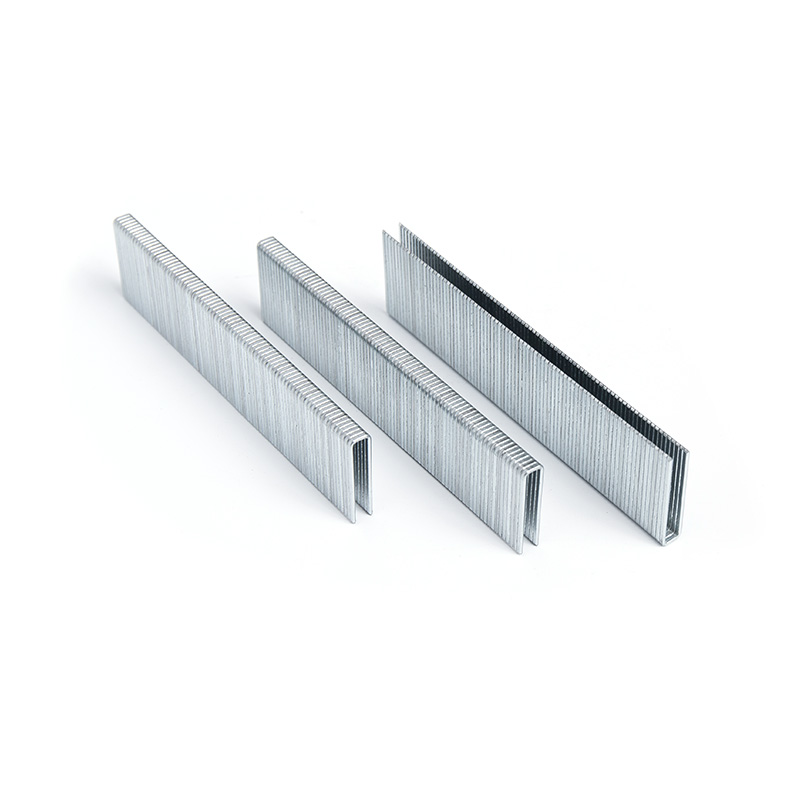
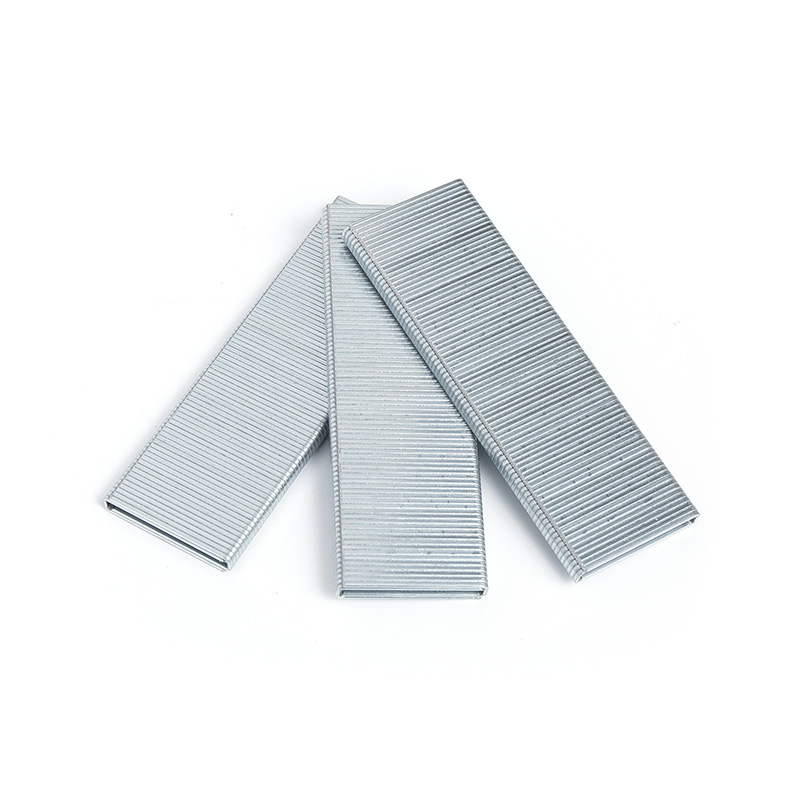
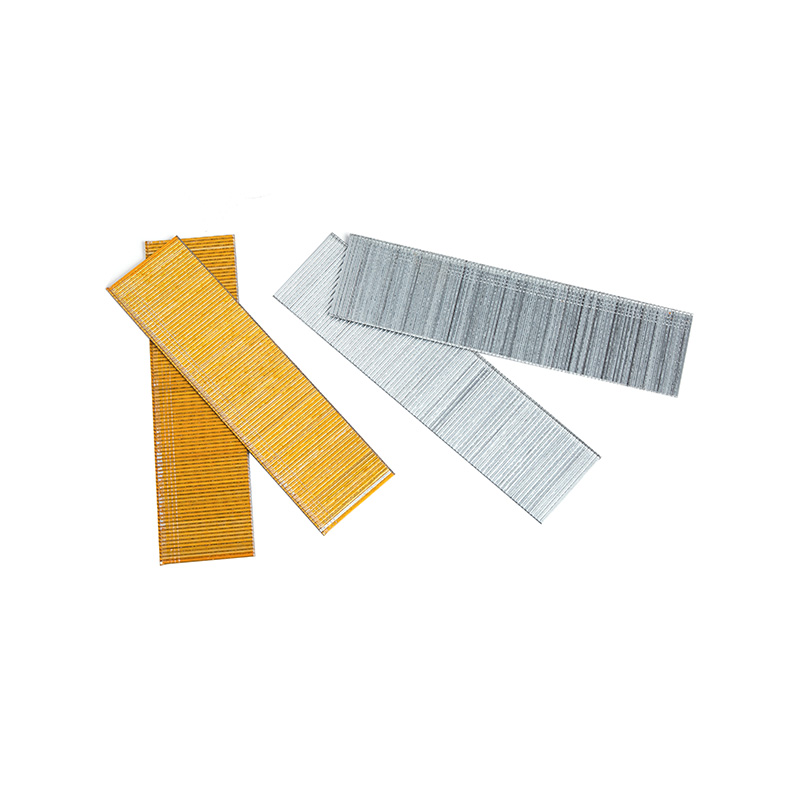
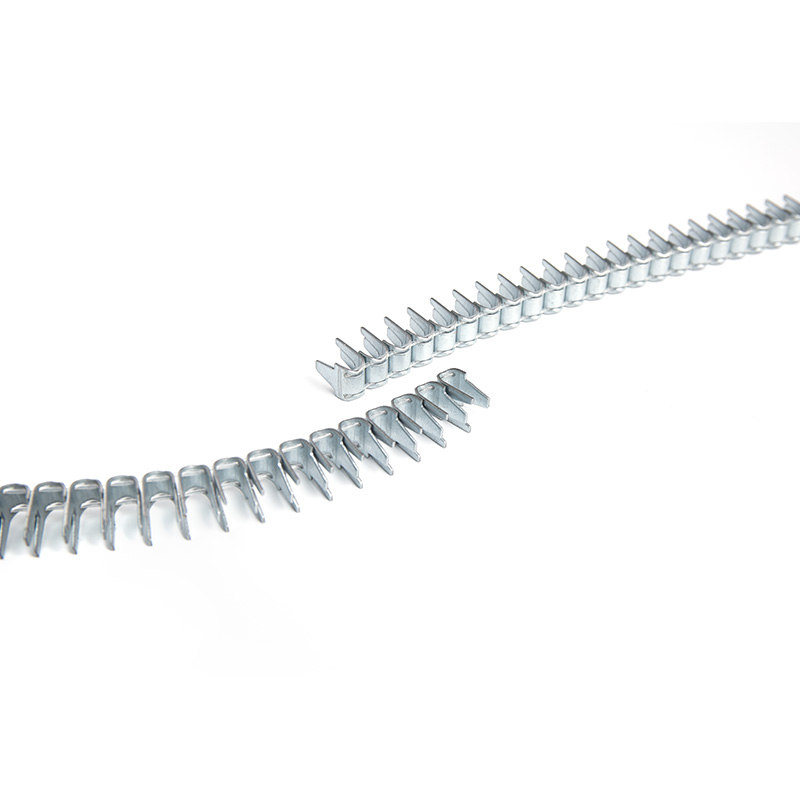
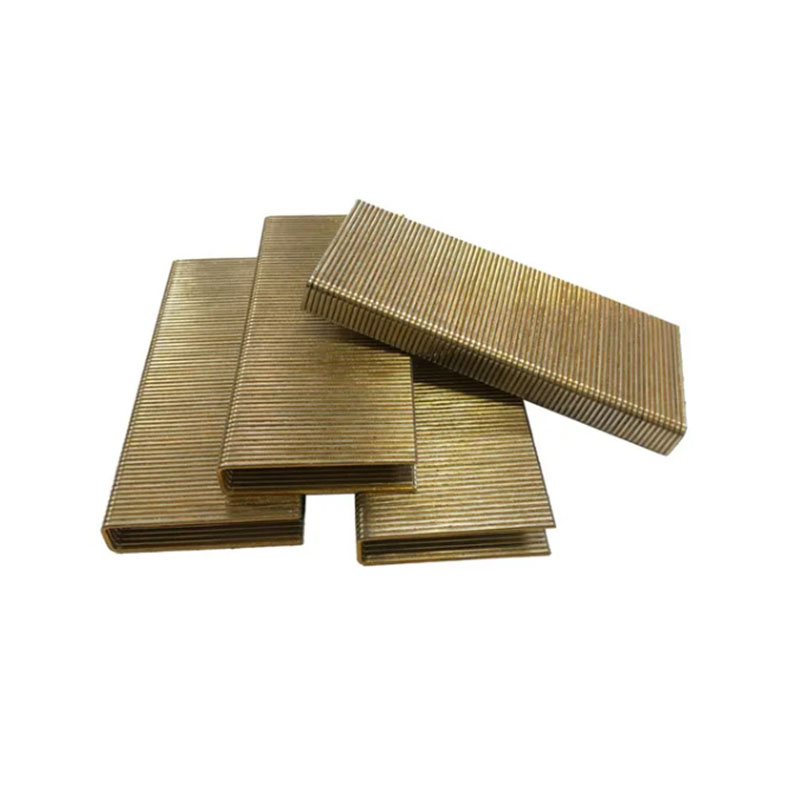
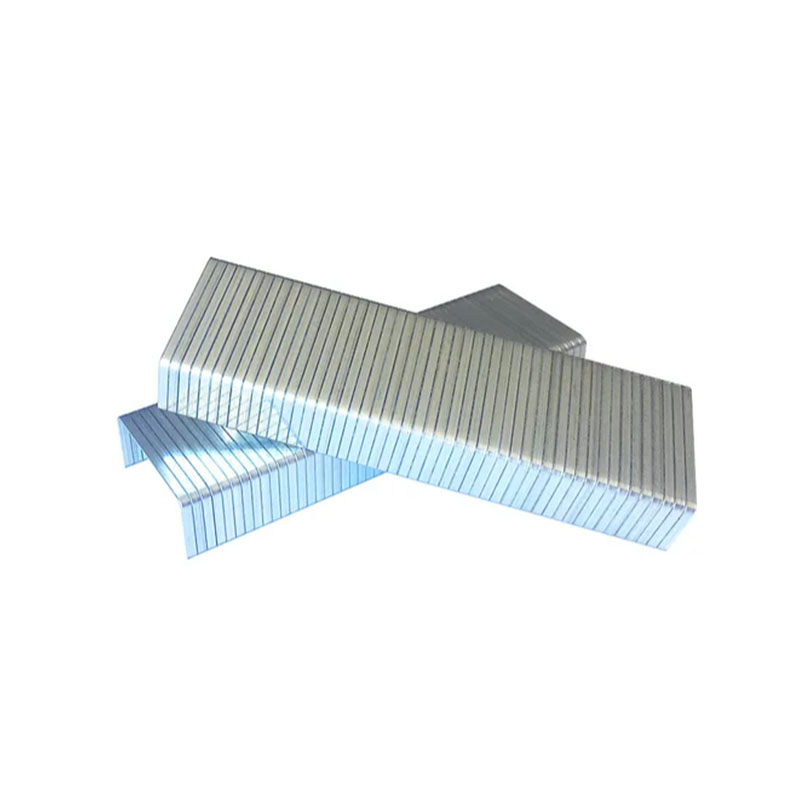
Beyond these, we produce staples, brad nails and C-ring fasteners, so a customer fitting out a furniture plant can source the screw, the staple and the nail from one place. You can browse the wider range on our fastener product pages to see how the categories fit together.
Reading a Screw Specification Like a Buyer
Four numbers and letters carry almost all of the risk in a screw order. Getting them right takes ten minutes; getting them wrong takes a production line down.
Diameter and length
Diameter is measured on the shank, not across the threads, and length runs from the bearing surface of the head to the point for flat heads — but from the underside of the head for countersunk screws it is measured differently again. Ask your supplier which convention they use, because a 4 mm difference matters on a 16 mm panel.
Head, drive and point
A countersunk head sits flush in timber; a flat head with a washer face spreads load on soft board; a pan or bugle head is standard for drywall. The drive matters just as much: Phillips cams out under torque, Pozi and square drives tolerate higher settings, and Torx-style drives suit automated lines where cam-out causes expensive rework.
Thread pitch and geometry
Coarse threads pull faster into softwood, fine threads hold better in metal and dense composite. A reduced shank or a ribbed shoulder under the head reams the hole as the screw enters, which is why a well-designed fiber screw can be driven close to an edge without splitting the board.
Coatings and Materials That Decide Service Life
Carbon steel remains the workhorse for construction and furniture screws because it offers the best balance of hardness, cost and machinability. What changes performance is what happens after forming.
- Zinc plating gives economical corrosion protection for indoor and sheltered use, and is the standard finish on flooring and machine screws.
- Phosphate coatings, often black, hold a small amount of lubricant and are the traditional choice for drywall screws where a smooth drive and low friction matter.
- Case hardening raises surface hardness so the thread bites into particleboard without deformation, while the core stays ductile.
- Mechanical properties, not coating colour, decide whether a screw snaps: ask for hardness and case-depth figures rather than a photo of the finish.
For humid or outdoor exposure, tell us the environment at the quotation stage. We would rather discuss a different material or a heavier coating than ship a screw that rusts on the first wet season.
Quality Checks Behind Every Carton
Nobody wants a certificate more than a buyer who has already had one bad lot. Here is the sequence we work through on screw production:
- Incoming wire inspection for diameter, surface condition and material grade.
- First-off approval after heading and thread rolling, checked against the drawing.
- Hardness and case-depth testing after heat treatment, on samples from the batch.
- Coating thickness and adhesion checks, including a salt-spray reference where the specification calls for it.
- Dimensional audit and thread gauging on finished parts, with records kept per lot.
- Count, collation and packing verification, plus a carton drop check before the pallet is released.
If a customer needs third-party inspection or a pre-shipment visit, that is arranged before packing rather than after, when corrections are still cheap.
Matching Screws to Real Applications
Furniture and cabinet assembly
Panel products punish a weak screw. Fiber screws with a sharp point, a coarse thread and a reaming shoulder drive cleanly into MDF and particleboard, and case hardening is what stops the head from rounding off on the last turn.
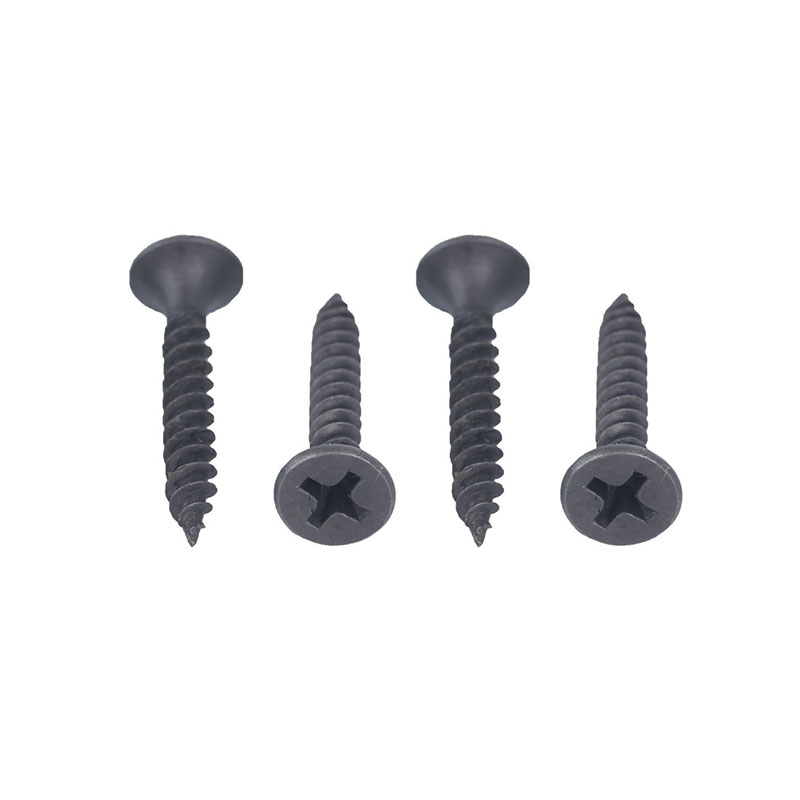 Carbon Steel Fiber Screws for WoodworkingCarbon steel fiber screws with fine or coarse threads and 16–50 mm lengths, suited to high-strength fastening in woodworking and furniture assembly.View Product →
Drywall and interior fit-out
Speed and consistency win here. A bugle head that seats without tearing the paper face, a phosphate finish that keeps friction low, and a consistent point length for metal studs are the three things installers notice first.
Wholesale Self-Drilling Drywall Screws with Bugle HeadsSelf-drilling drywall screws with bugle heads for flush countersinking, offered in fine or coarse threads and 16–50 mm lengths.View Product →
Timber flooring
Floor squeaks usually trace back to a screw that backed out or sheared at the shank. Anti-loosening thread designs hold their grip through seasonal movement, and correct length relative to board thickness prevents joist damage. We covered this in more detail in our note on why screw quality decides whether a floor stays quiet.
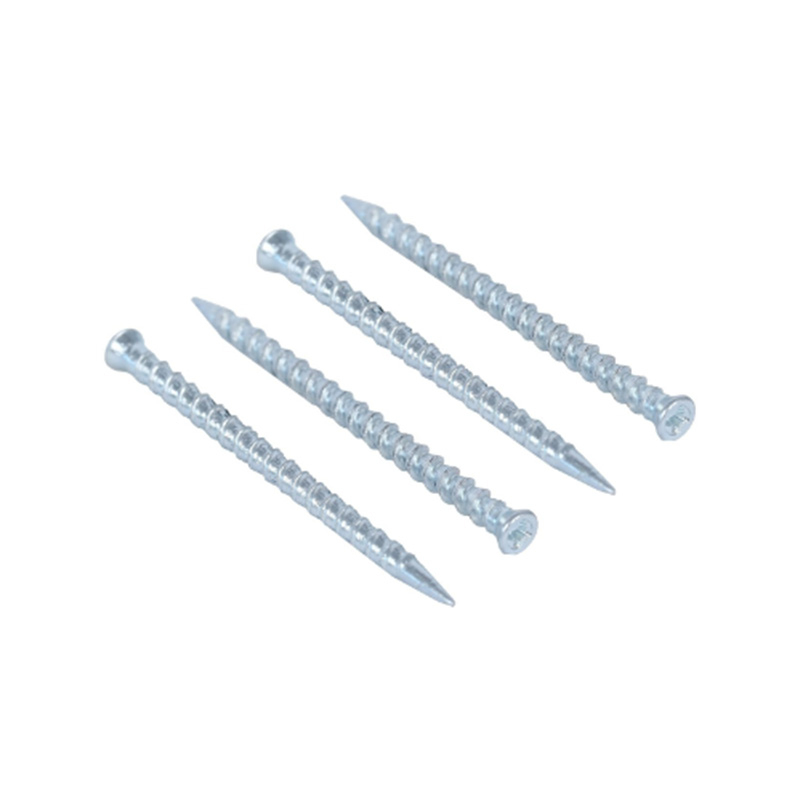 Anti-Loose Floor Screws for Stable InstallationSteel floor screws with a bugle head and corrosion-resistant finish, available in 38–58 mm lengths for stable, long-lasting floor installation.View Product →
Metal fabrication and equipment
Machine screws are judged on thread fit and head geometry rather than driving speed. Slotted flat head machine screws suit assemblies that must sit flush and be adjusted by hand, and plating quality shows up quickly in workshops with humid air.
Samples, Order Quantities and Lead Time
The fastest way to start is a sample in your hand. Send us the screw you are currently using, or a drawing with diameter, length, head style, drive, thread, material, coating and packing format, and we will confirm what we can match.
- Bring a physical sample where possible — photographs hide thread pitch and point geometry.
- State the application and the tool or driver setting, not just the dimensions.
- Tell us the packing format early: bulk cartons, small boxes and collated strips follow different production planning.
- Confirm the inspection standard and any labelling requirements before the first run.
We hold an independent import and export licence and ship from the Yangtze River Delta, close to the main eastern ports. Visitors are welcome at the factory in Anji; seeing the heading and thread-rolling lines explains more than a brochure can.
A screw is a small, inexpensive object that carries a disproportionate share of the risk in any project. Choose a manufacturer who will ask about your board, your tool and your climate before quoting a price, and the specification conversation stops being a chore. Send us your drawing or sample, and we will tell you honestly what will work.