English
 русский
 Español

Content
- 1 What Custom Really Means in Fastener Hardware Nails
- 2 The Fastener Families We Build to Order
- 3 Gauge, Material and Collation: Three Decisions That Shape a Custom Run
- 4 How a Custom Order Comes Together
- 5 Where Custom Fastener Hardware Nails End Up
- 6 Checks That Happen Before Your Nails Leave the Factory
- 7 What to Send With a Custom Fastener Enquiry
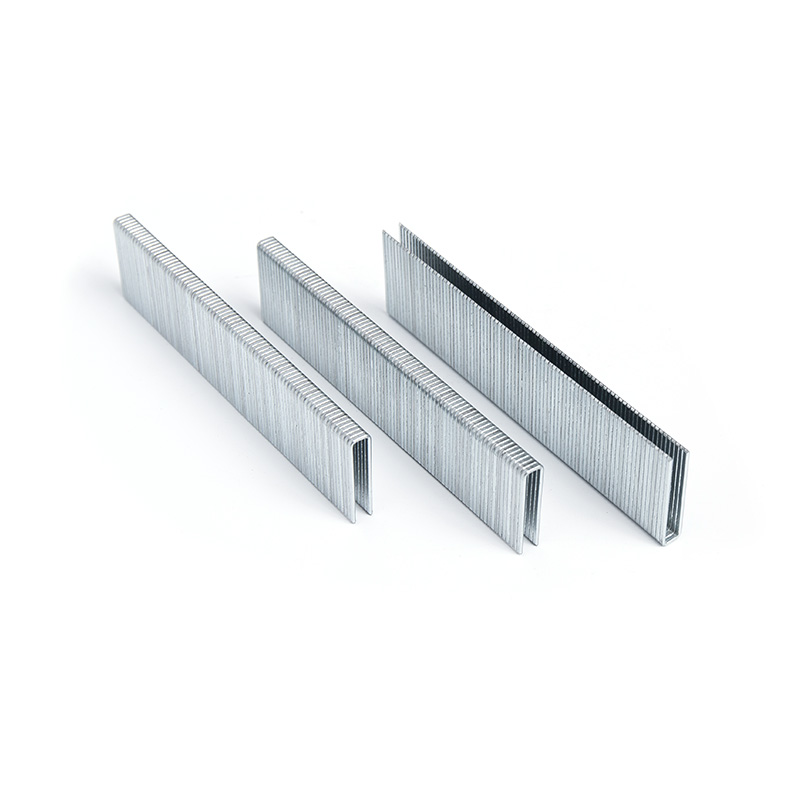
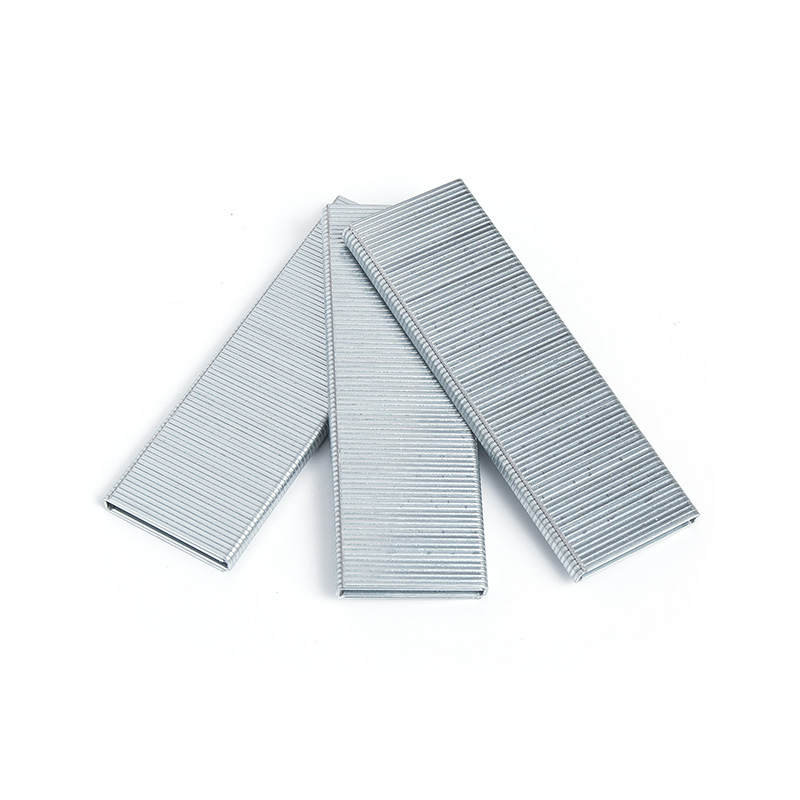
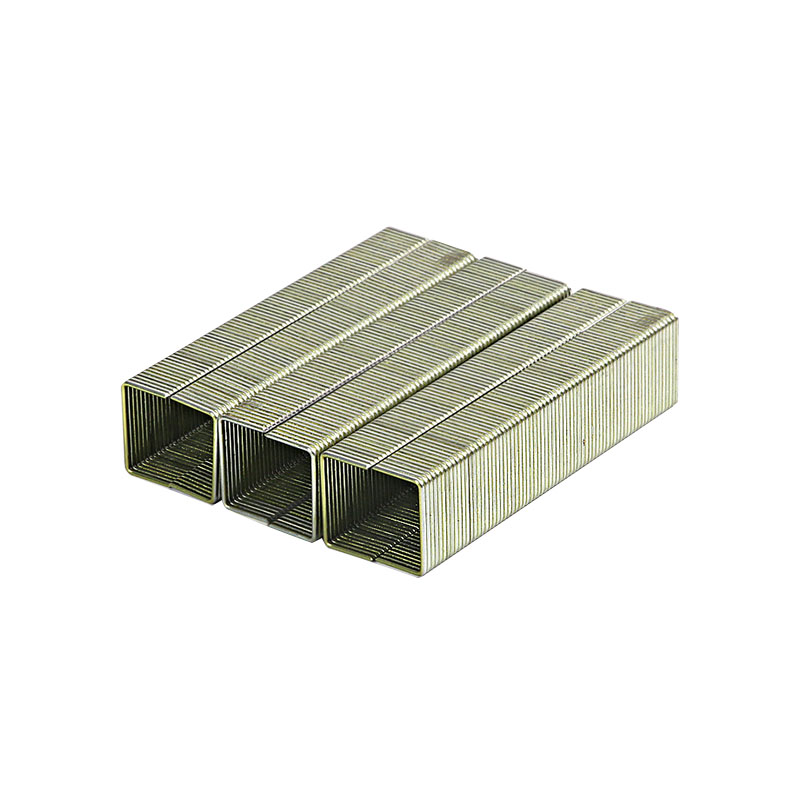
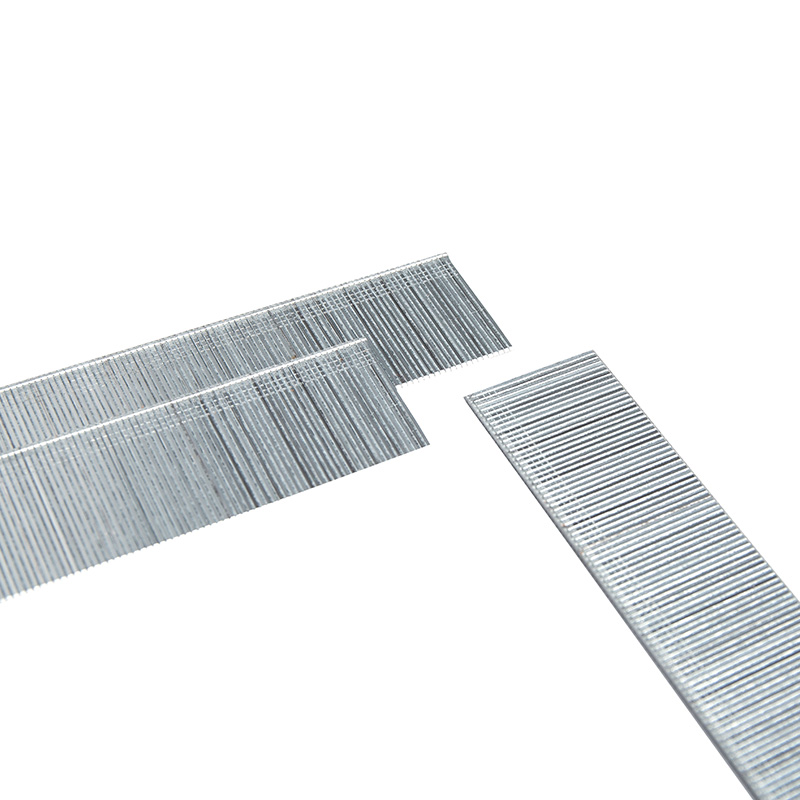
Custom fastener hardware nails sit in a practical middle ground between a stock catalogue number and a brand-new invention. Most projects do not need something nobody has ever made. They need a proven profile adjusted so it fits your tooling, your material and the expectations of the customer at the end of the line. That adjustment work is what we do every day at Zhejiang Tianying Hardware, where our roots in the nail and staple business go back more than two decades.
This article explains how custom orders really work, which details matter most, and how to brief a manufacturer so the first sample arrives close to right.
What Custom Really Means in Fastener Hardware Nails
When buyers ask for custom fasteners, the request usually falls into one of three buckets. Knowing which bucket you are in saves weeks of back and forth.
- Packaging and brand customization. The nail profile stays standard, but carton counts, labels, roll lengths or collation change to suit your shelf or your production line.
- Dimensional customization. Leg length, crown width, wire diameter, shoulder width, point style or shank geometry are adjusted inside a proven family.
- Material and finish customization. The same profile can be produced in carbon steel, galvanized wire, copper or stainless steel such as 304 and 201, depending on the environment it will live in.
In practice, most custom jobs are a combination of all three. A furniture maker may want a 10F-style fine wire staple with a slightly longer leg, a copper finish and their own carton artwork. Each change is small on its own. Together they define a fastener that behaves exactly where it is meant to work.
The Fastener Families We Build to Order
Our range was organised around the way fasteners are actually bought: by wire gauge, by shape and by application. The table below maps the families that generate most custom enquiries.
| Family | Common gauges | Typical applications | Often customized |
|---|---|---|---|
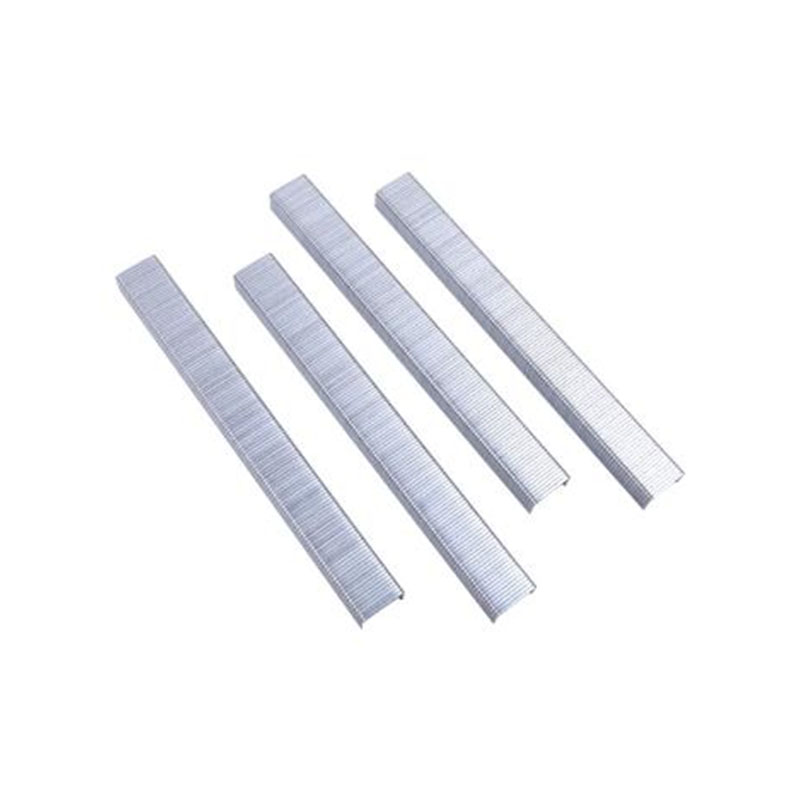
| Fine wire staples | 20GA, 21GA, 22GA | Furniture frames, upholstery, thin panels | Leg length, crown, coating |
| Medium wire staples | 18GA | Furniture assembly, binding, general fixing | Crown width, leg length, zinc coating |
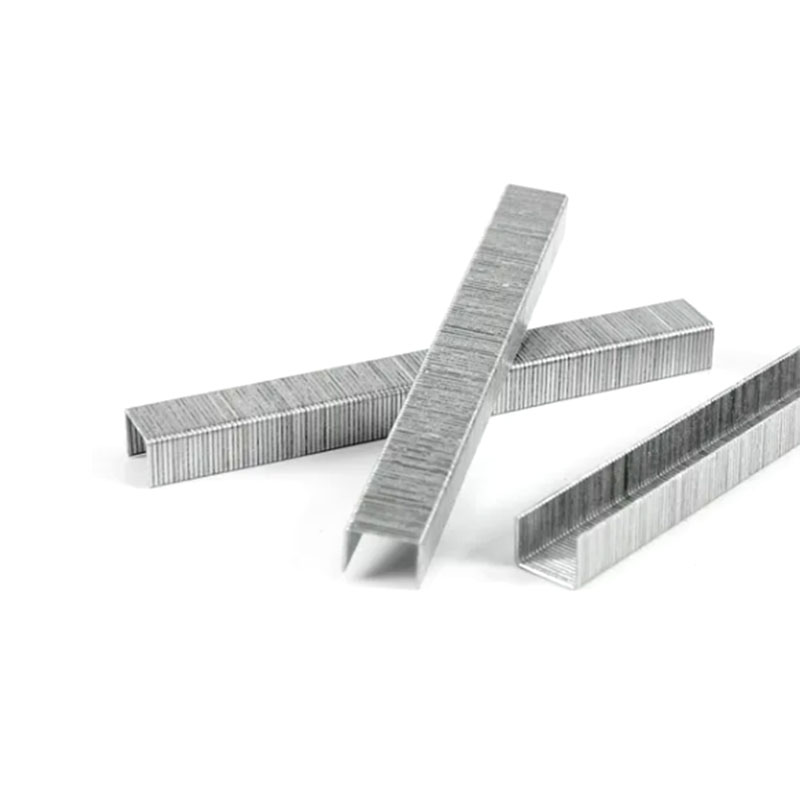
| Heavy wire staples | 15GA, 16GA, 17GA | Roofing, fencing, crating, pallets | Wire diameter, shoulder width |
| Brad and finish nails | 16GA, 18GA | Trim, door frames, decorative panels | Head style, point, coating |
| Headless pins | 21GA to 23GA | Invisible fixing of delicate trim | Stainless grade, length |
| C-ring staples | C17, C24, M46, M66 | Mattress springs, sofa frames, car seats | Ring diameter, base material |
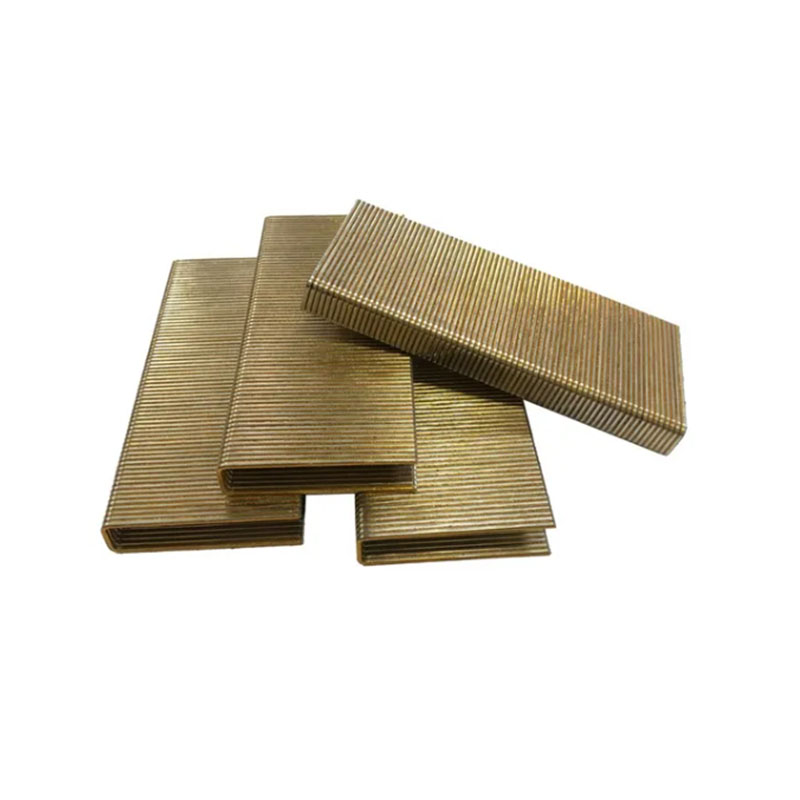
| Carton closing staples | 15GA, 17GA | Corrugated carton sealing | Roll length, crown, copper or zinc |
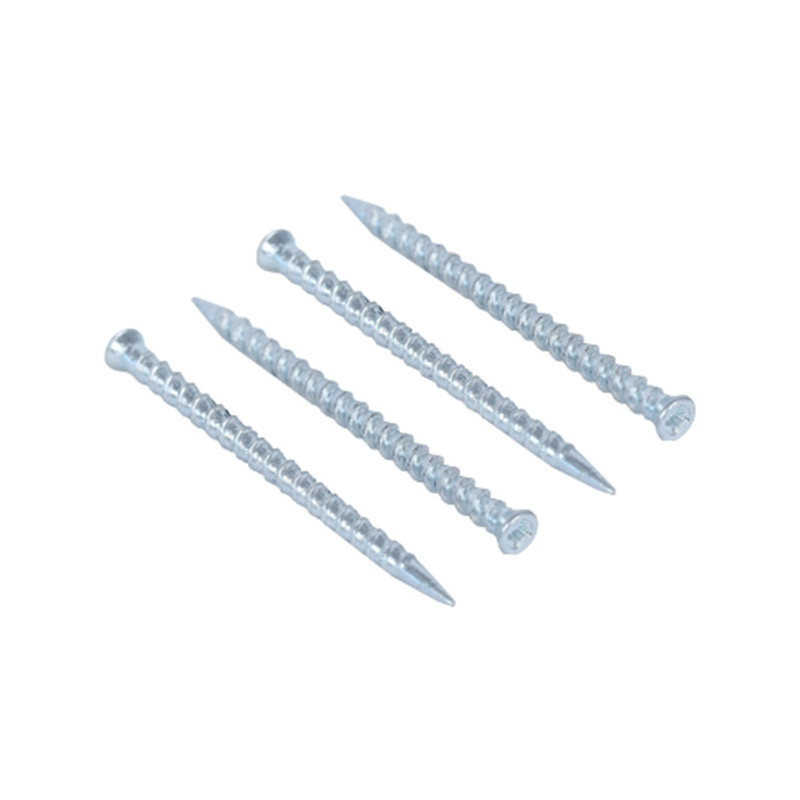
| Screws and row nails | ST series and fibre types | Construction, flooring, woodwork | Thread, head, coating |
Gauge, Material and Collation: Three Decisions That Shape a Custom Run
Gauge and wire diameter
Gauge sets the character of the fastener. A 22GA staple closes a thin veneer panel without crushing it, while a 15GA staple holds a roof batten in place. On custom runs we usually hold the gauge family and adjust leg length or crown width instead, because that keeps the tool, the magazine and the operator habits unchanged. If you are unsure where your job sits, it helps to look at the full range of fine wire staples first and work outward from there.
Material and surface finish
Material choice is really a question about moisture. Galvanized wire covers most indoor furniture and packaging work. Copper is chosen when the finished product will be visible and the customer wants a warm tone that will not darken with age. Stainless steel 304 or 201 appears in coastal, medical and high-humidity applications. Choosing a heavier finish than the job needs adds cost; choosing a lighter one shortens service life.
Collation and tool compatibility
A fastener only performs if it feeds. Strip angle, glue type, number of fasteners per strip and roll winding all have to match the tool in your workshop. This is the single most common reason a custom sample fails on the first trial, and it is easy to avoid by telling us the make and model of the gun before production begins.
How a Custom Order Comes Together
The process is deliberately short, because most of the risk sits in the first two steps.
- Share the specification or a physical sample. A drawing with leg length, crown width, wire gauge and material is ideal. If you only have a sample from a previous supplier, send it and we will measure it.
- Confirm tool compatibility. Tell us the pneumatic tool the fasteners must feed, including the magazine type and strip configuration.
- Agree on material and finish. Service environment, expected life and appearance requirements decide this together.
- Approve a sample run. We produce samples so you can test them on your own line before a production order is scheduled.
- Lock packaging and labelling. Carton counts, inner boxes, roll winding, private labels and shipping marks are confirmed at this stage.
- Production, inspection and shipment. We are based in Anji, Zhejiang, within the Yangtze River Delta, and hold our own import and export licence, so export arrangements can be handled directly.
Where Custom Fastener Hardware Nails End Up
Furniture and upholstery
This is where most of our custom work starts. A frame line might run a fine wire staple for webbing and thin panels, while a separate station uses 18GA staples on structural joints. Requests usually centre on leg length, so one fastener covers several panel thicknesses, and on coating, because galvanized wire keeps its finish through humid workshops.
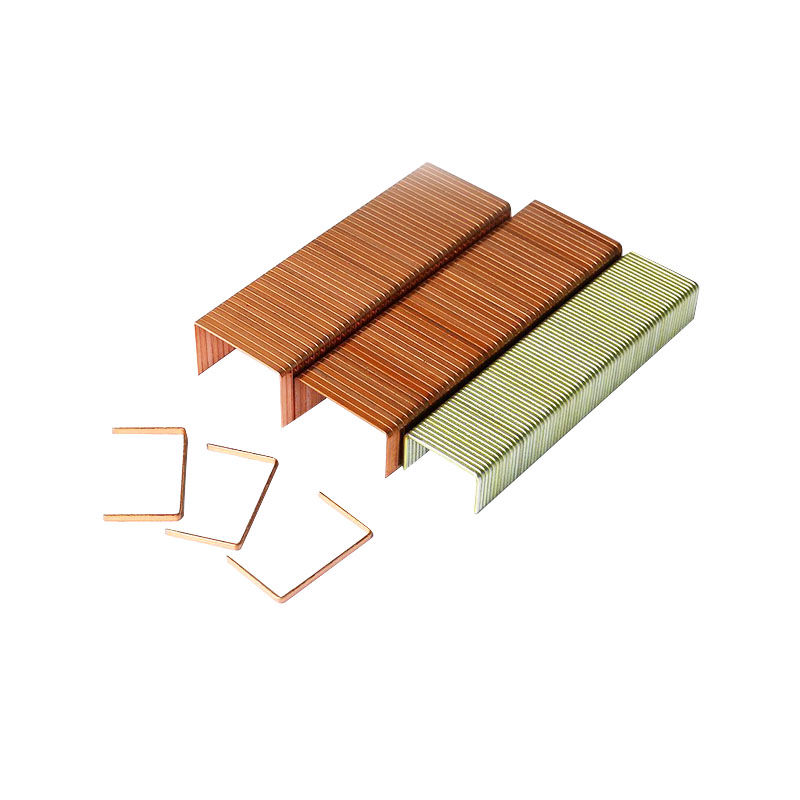
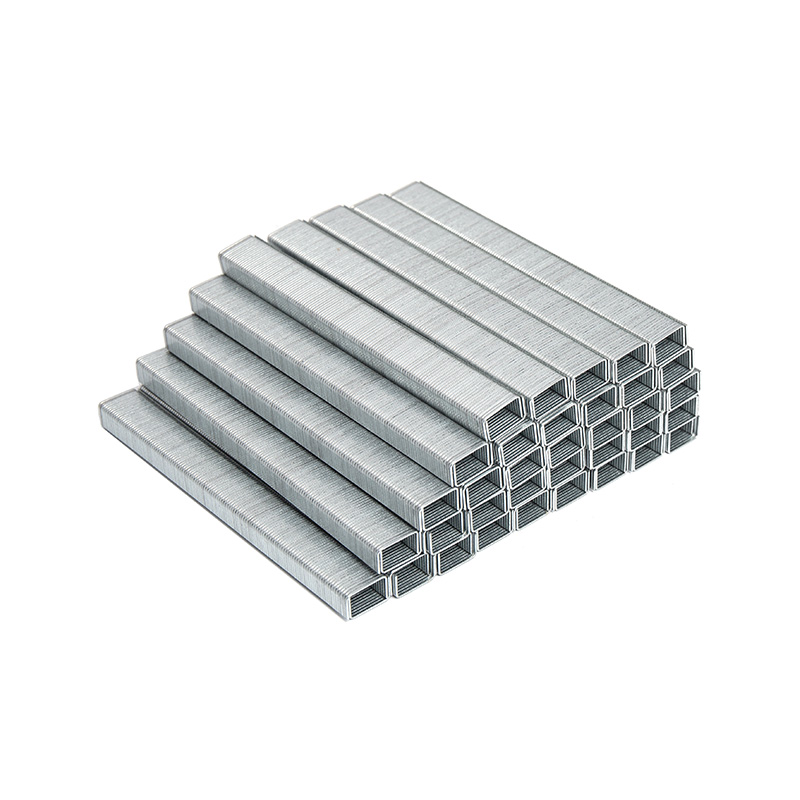 10F Galvanized Fine Thin Line Furniture Wire StaplesGalvanized fine-wire furniture staples in multiple leg lengths, offering a thin-line hold for upholstery and related furniture fastening tasks.View Product →
Mattress and sofa frames
Seating and bedding frames put fasteners under constant flex, so ring holding power matters more than tool speed. C-ring staples are specified by ring diameter and wire thickness, and custom runs often involve matching an existing clip so a replacement spring set fits the frame jig without modification.
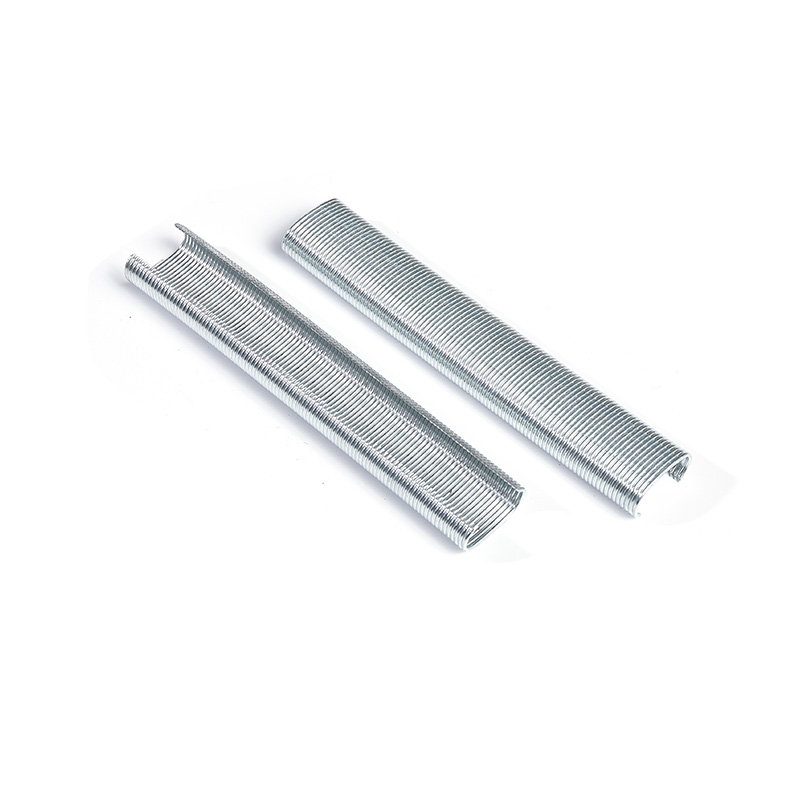
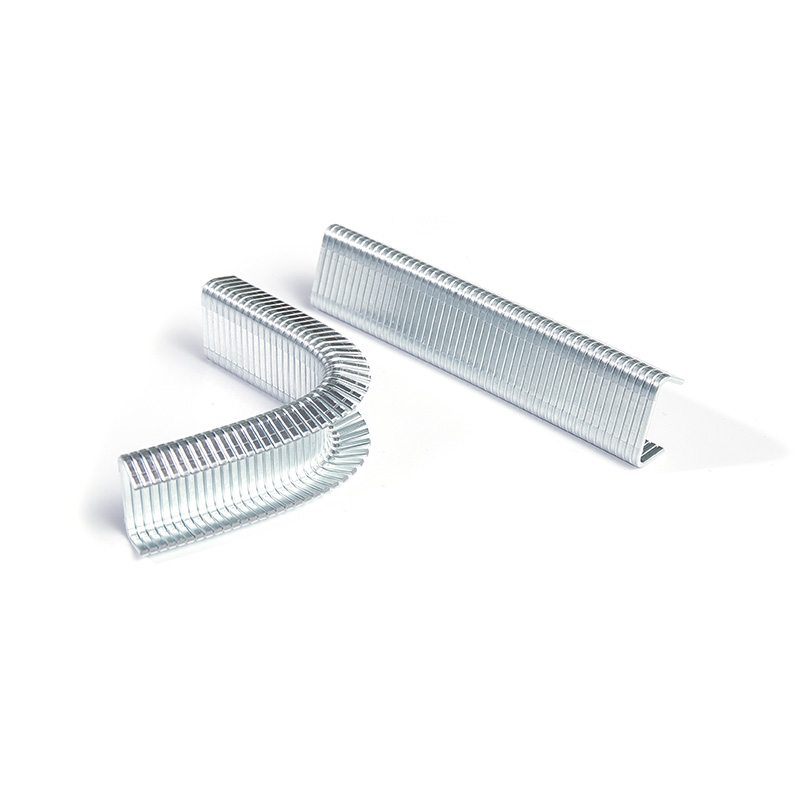
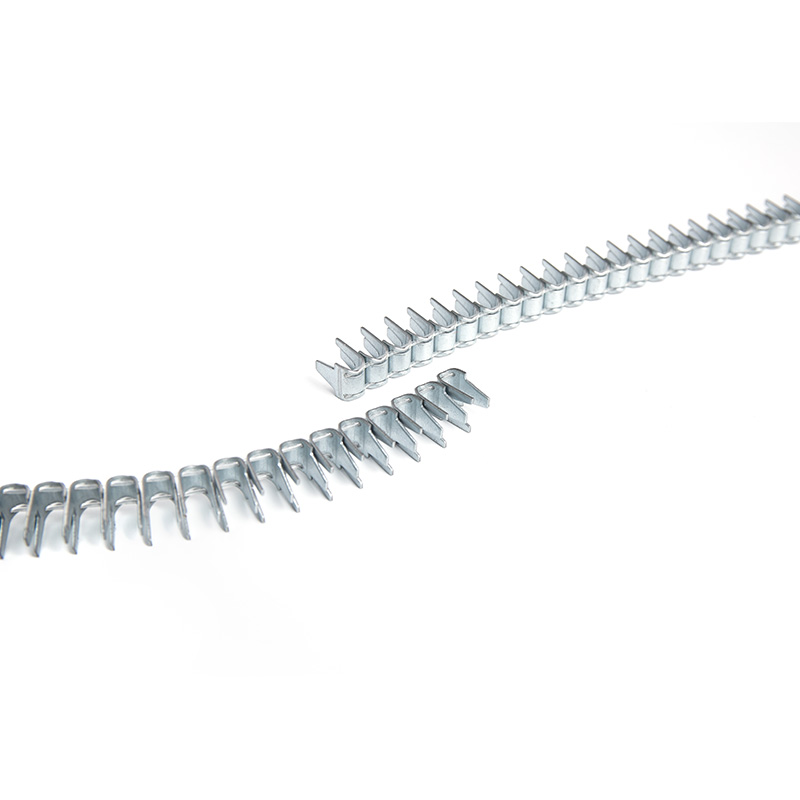 M66 Mattress Clips for Upholstery and C-Ring FasteningC-ring mattress clips for securing upholstery cloth to bedding, presented as a durable wholesale or ODM option for ring-based fastening.View Product →
Packaging and carton sealing
Carton closing staples are bought by the kilometre, and small changes in crown width or roll winding have a large effect on line uptime. Most custom requests here concern roll length, wire thickness, and whether copper or galvanized finish suits the brand image on the finished box.
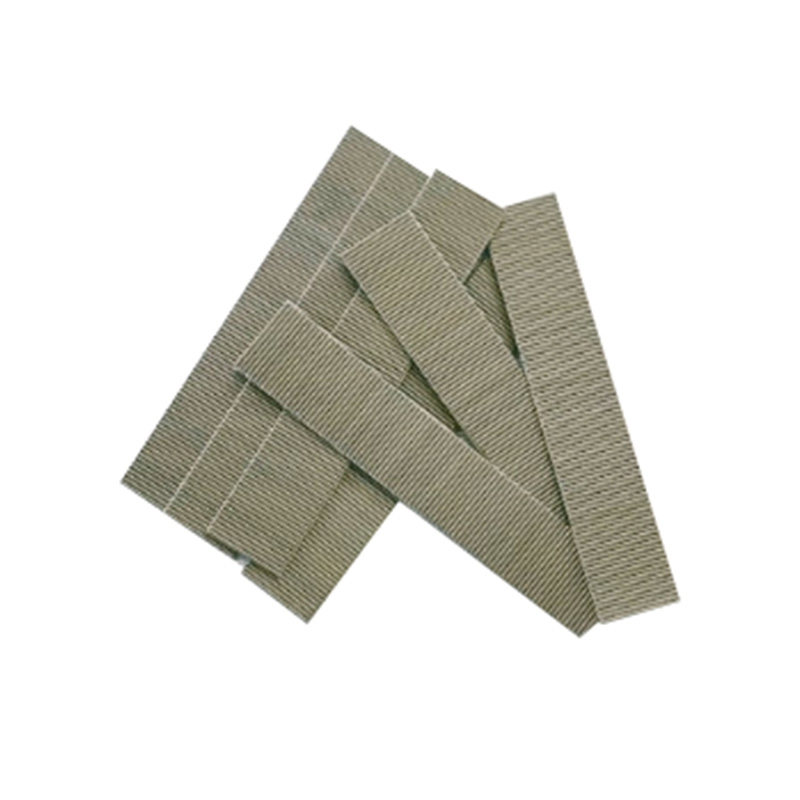
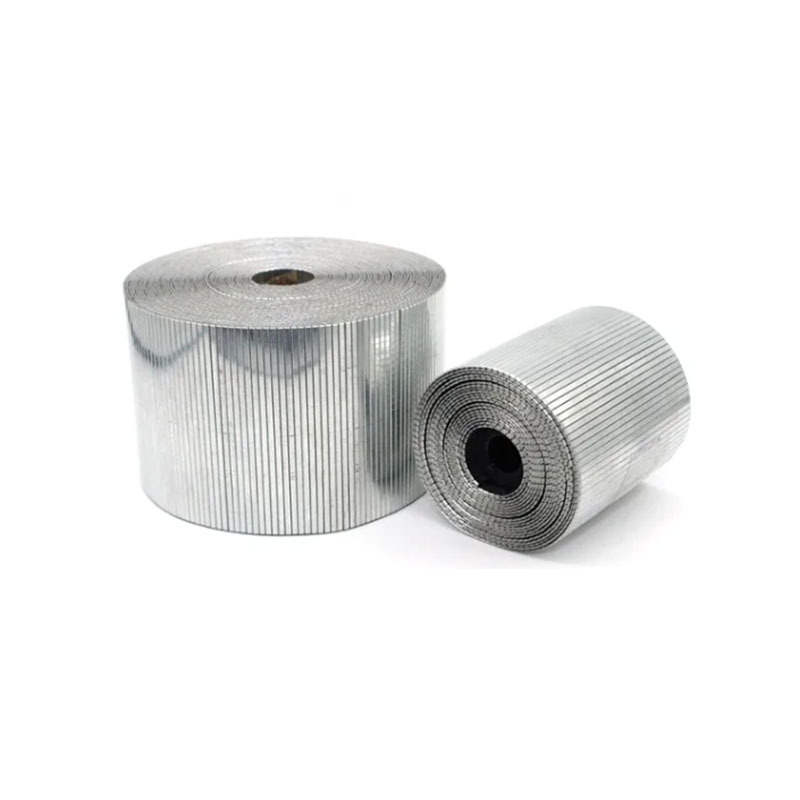 555-134 Coil Carton Closing Staples for Automatic Packaging LinesCoil-fed carton staples in galvanized or copper finish, compatible with 555-134 sealers for single- and double-wall corrugated packaging.View Product →
Construction, roofing and fencing
Outdoor fastening is a corrosion question first and a strength question second. Heavy wire staples for roofing, fencing and crating are normally galvanized, and we frequently adjust shoulder width or leg length so the staple passes through the substrate without splitting it.
Checks That Happen Before Your Nails Leave the Factory
- Wire diameter verified against the approved sample on every batch
- Leg length and crown width measured across the run, not only at the start
- Coating thickness and adhesion checked on galvanized and copper finishes
- Collation angle and strip integrity tested for magazine fit
- A retained reference sample kept from each production lot
What to Send With a Custom Fastener Enquiry
A complete first message usually replaces two or three rounds of questions. These are the items that matter most:
- The gauge you need, or the sample you are matching
- Leg length, crown width or ring diameter, with any tolerance you require
- Material and finish, including corrosion expectations
- The tool model and magazine type the fasteners will feed
- Monthly or annual volume, plus packaging preference
- Destination port and any private label requirement
Custom fastener hardware nails are rarely about reinvention. They are about matching a fastener to a machine, a material and a market, and doing it consistently enough that nobody on your line has to think about it again. If you would like to go deeper into selection logic before you write a specification, our comprehensive guide to fastener hardware nails for industrial applications covers the same ground from a buyer's angle. When you are ready, send us a drawing, a sample or even a photograph with a few measurements, and we will tell you honestly whether it is a straightforward run or something that needs a closer look.