English
 русский
 Español

Content
Few things stop a production line faster than running out of collated fasteners. If you build furniture frames, mattress spring units, sofas, crates or car seat assemblies, the nails and staples that feed your pneumatic tools are the smallest item on your purchase list and the one that brings everything to a halt when they are wrong. We have spent years making these small parts, and one thing has become clear: most buyers are not hunting for the cheapest box on the shelf. They are looking for a supplier who understands why a fraction of a millimetre in wire diameter changes everything downstream.
This article is written for purchasing managers, production engineers and importers comparing air gun nails manufacturers. It covers the main fastener families, the details that separate a dependable batch from a frustrating one, and the questions worth asking before you commit to a trial order.
What "Air Gun Nails" Actually Covers
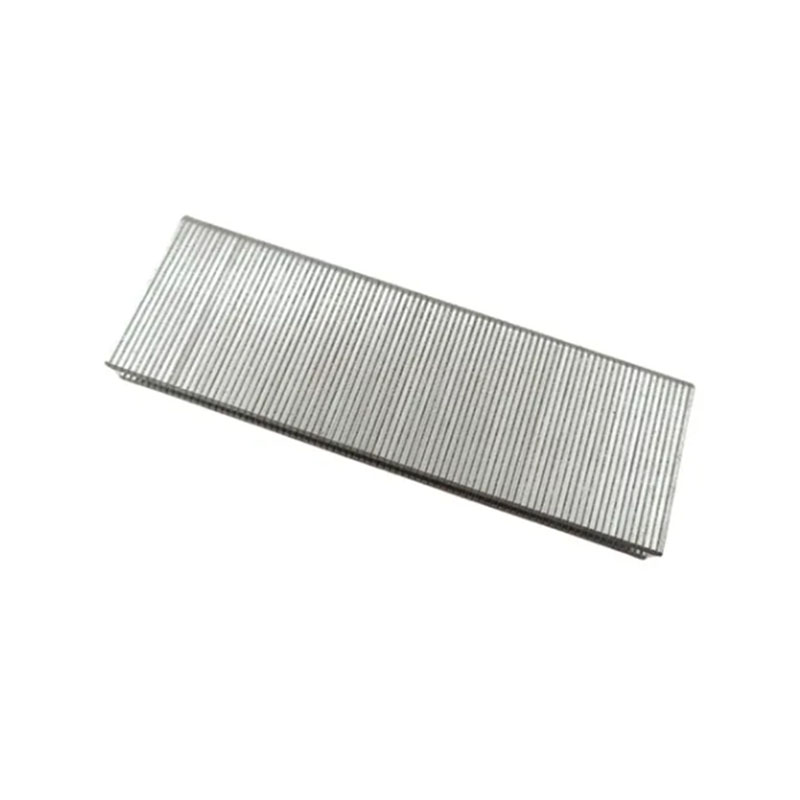
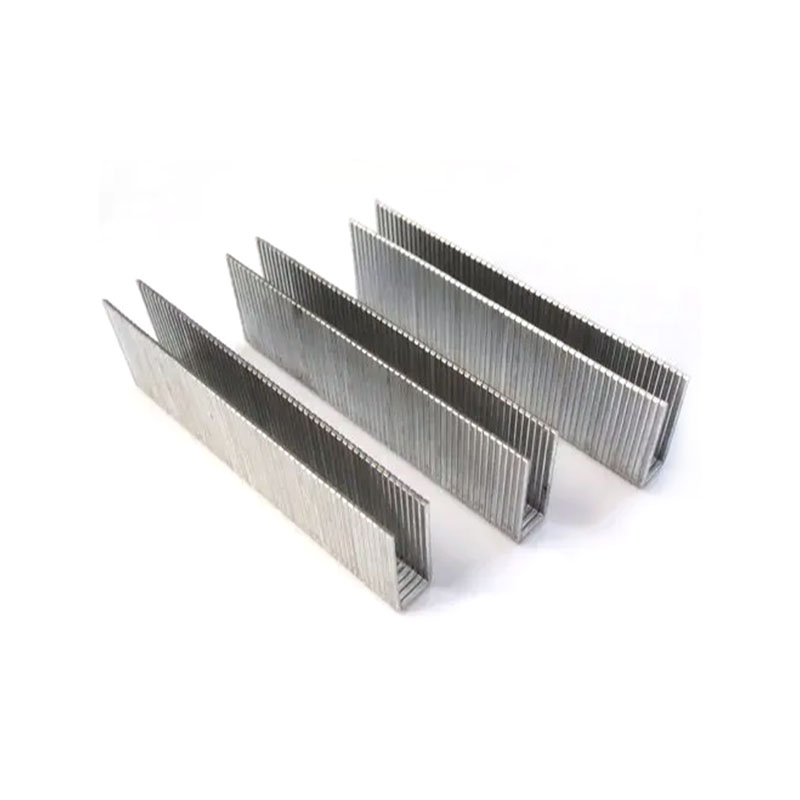
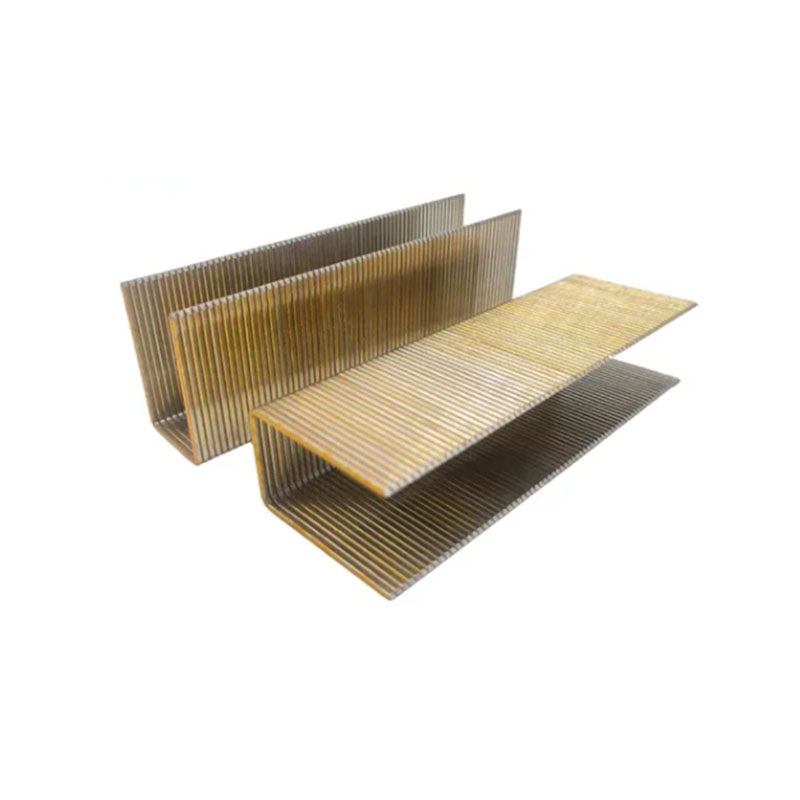
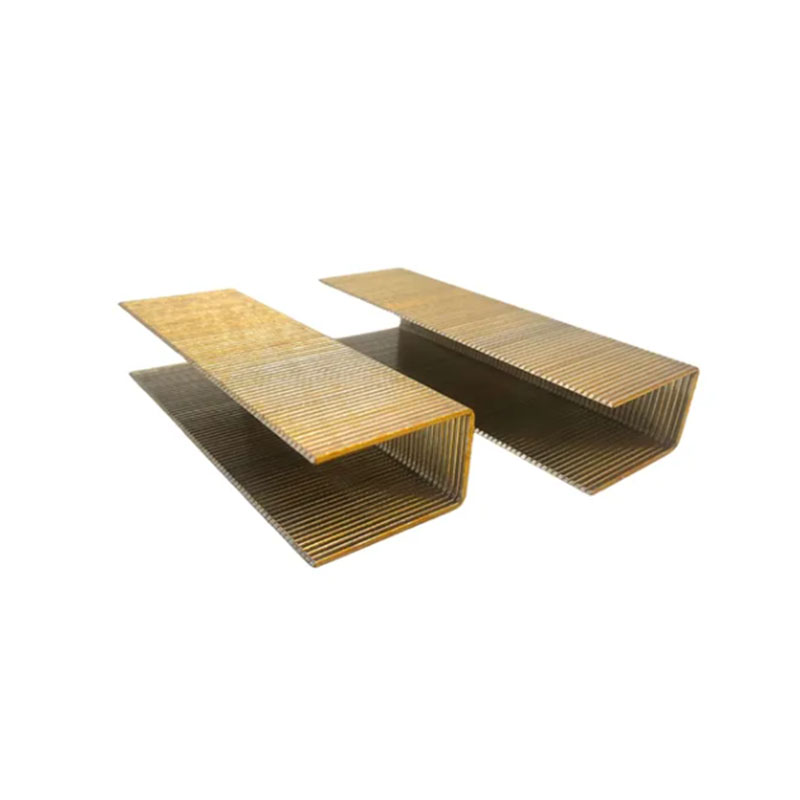
In everyday conversation, "air gun nails" is a catch-all phrase. In practice it covers several product families that share one trait: they arrive collated, glued or welded into strips and coils, so a pneumatic tool can drive them one after another without an operator touching a single fastener.
When enquiries land on our desk, the wording usually falls into one of these buckets:
- Brad nails and finish nails in 16 and 18 gauge, used where the head has to disappear into the surface.
- Headless pins in the 06 and 08 series, for fine trim and spots you cannot fill afterwards.
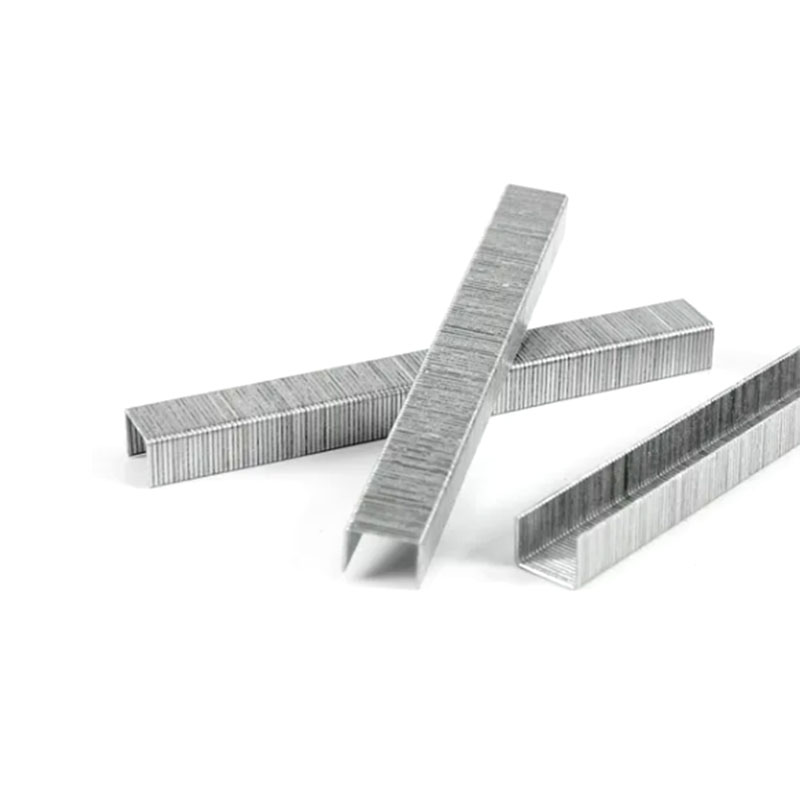
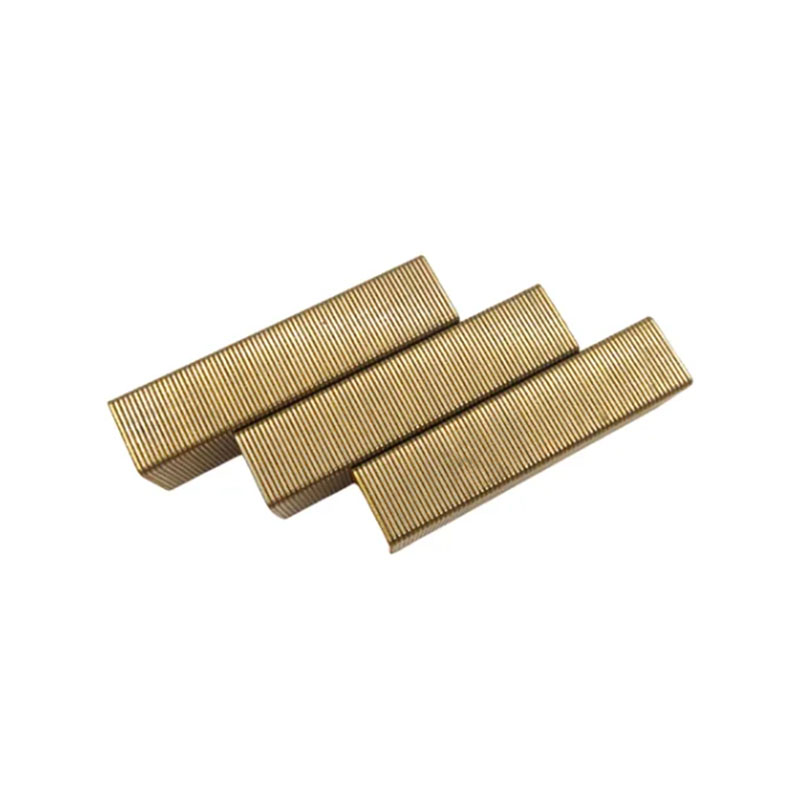
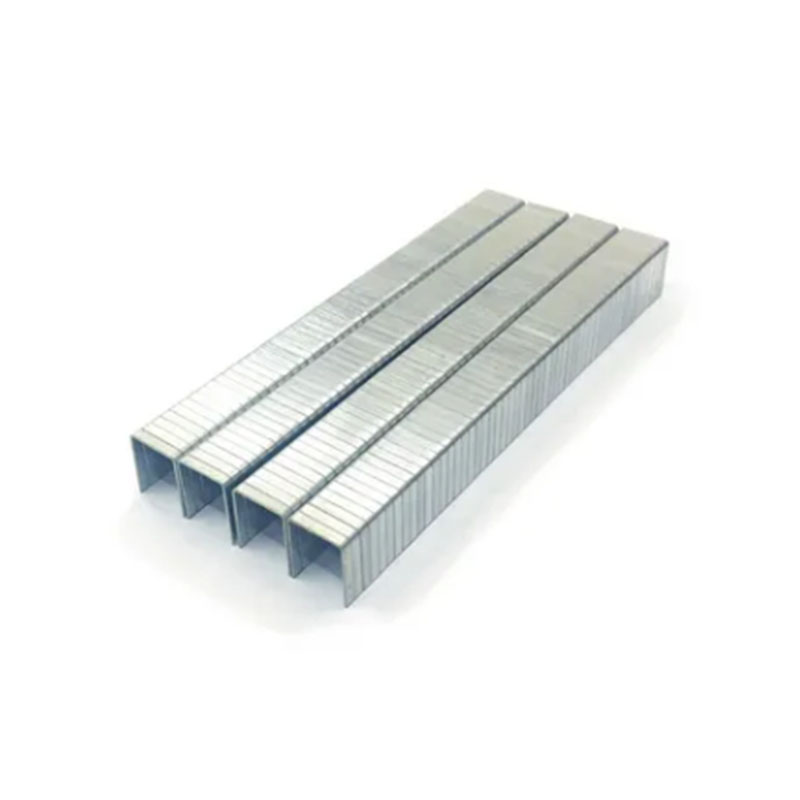
- Staples in fine, medium and heavy wire, covering everything from cabinet backs to pallet assembly.
- C-ring staples, round-wire fasteners that hold spring units, cages and seating frames together.
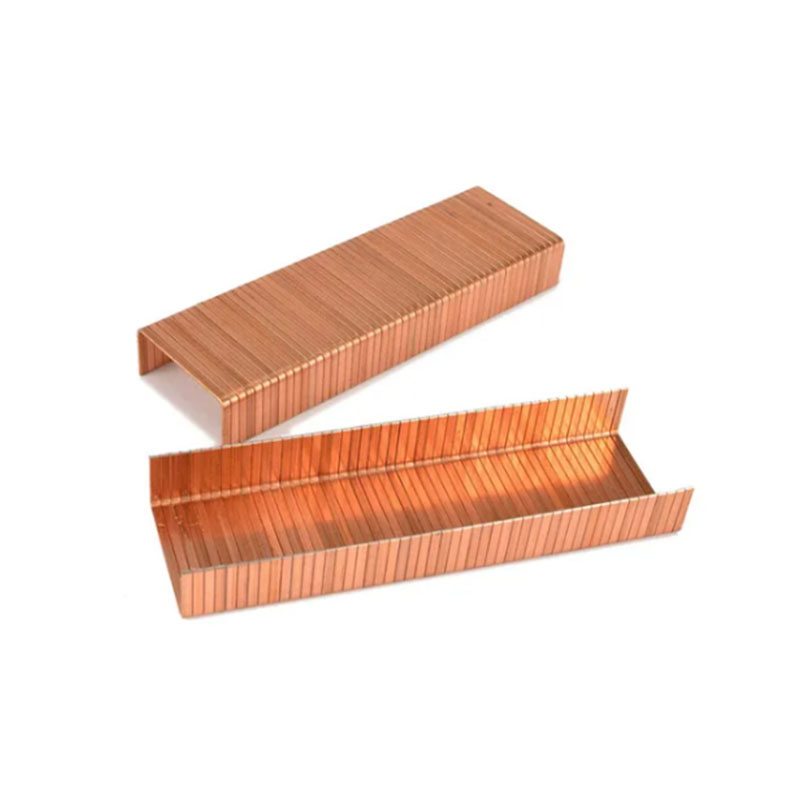
- Carton closing staples with a wide crown, usually supplied in coils for packaging lines.
- Steel row nails in straight strips for general construction and crating work.
Working out which bucket your job belongs to is the first step, because it decides the tool, the gauge and the coating. It also tells a manufacturer immediately whether your requirement is a standard item or something that deserves a dedicated production run. If you are still mapping out the basics, our plain-language guide to air gun nails types and uses is a good place to begin.
The Main Fastener Families at a Glance
The table below is the short version of what we keep in stock and what most customers order again and again. Treat it as a starting point rather than a specification sheet; length, crown width and point style all shift with the application.
| Fastener family | Typical gauge | Where it works best |
|---|---|---|
| Fine wire staples | 20 to 22 gauge | Furniture backs, drawer bottoms, upholstery, thin panels |
| Medium wire staples | 18 gauge | Furniture frames, cabinet assembly, binding work |
| Heavy wire staples | 15 to 17 gauge | Pallets, crates, fencing, roofing, structural fixing |
| Brad and finish nails | 16 and 18 gauge | Trim, moulding, door frames, decorative panels |
| Headless pins | 06 and 08 series | Fine trim, glazing beads, detailed joinery |
| C-ring staples | C17, C24, M46, M66 | Mattress springs, sofa frames, car seats, cage structures |
| Carton closing staples | 15 to 17 gauge | Corrugated box sealing, in strips or coils |
| Steel row nails | ST series | Construction, packaging, general industrial work |
How to Judge an Air Gun Nails Manufacturer
Catalogues all look similar. The difference shows up on your line at week three, not in the sample box. Here is what we would look at if we were the buyer.
Wire and coating consistency
Galvanised, copper, stainless 304 or 201, plain carbon steel: the coating choice is driven by moisture, contact with treated timber, and how long the finished product needs to look clean. What matters more than the label is whether batch ten behaves like batch one. Ask how incoming wire is checked and whether tensile results are recorded per lot.
Collation quality, where most complaints start
A stuck strip jams the tool, and a jam costs an operator ten minutes. Glue strength, strip angle and the tolerance on the collation paper all sit in that gap. A manufacturer worth keeping will tell you what glue they use and at what temperature the strips are set, because that is the honest answer to "why does your strip hold together in a hot warehouse?"
Tool compatibility, verified rather than assumed
Most 18 gauge staples look alike until you measure the crown. Send the tool brand and model with your enquiry, and ask the supplier to confirm compatibility in writing. We keep running lists of common tool models for exactly this reason, and it saves everyone a costly first shipment.
Quality control you can actually see
Certificates hanging on a wall are not quality control. Look for gauges and micrometers in daily use, a crown-width check on finished strips, salt-spray testing for outdoor items, and a record of what happens when a batch fails. Ask to see the inspection routine, not only the certificate. Any factory confident in its process will walk you through it.
Packaging, minimum order and lead time
Nails travel badly when they are packed casually. Ask about inner box counts, moisture protection and pallet configuration for sea freight, and be clear about your minimum order and delivery window. A realistic four-week quote beats an optimistic two-week promise every single time.
Where These Fasteners Go to Work
Furniture and upholstery
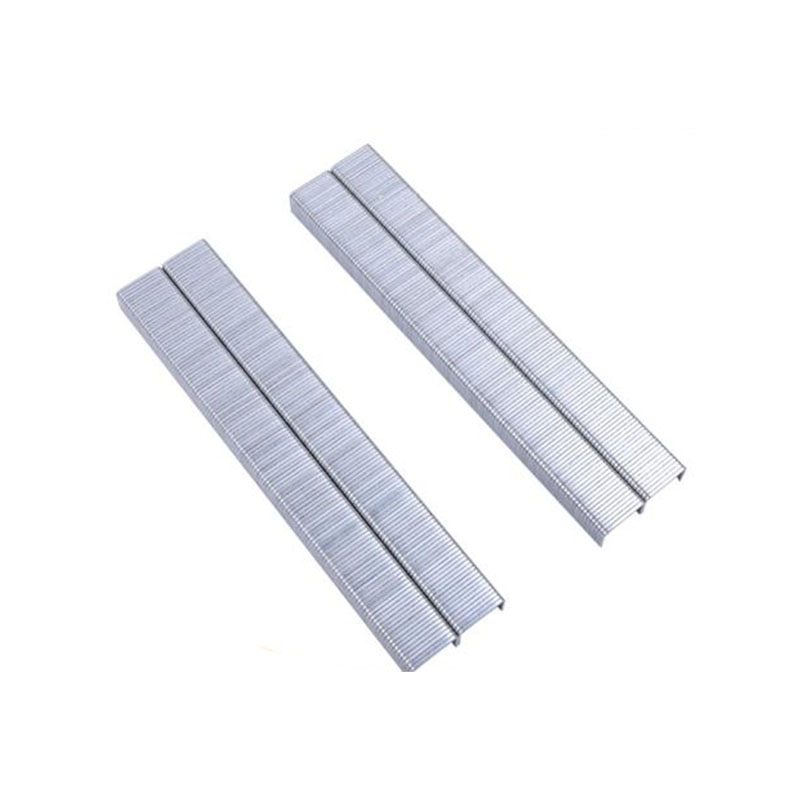
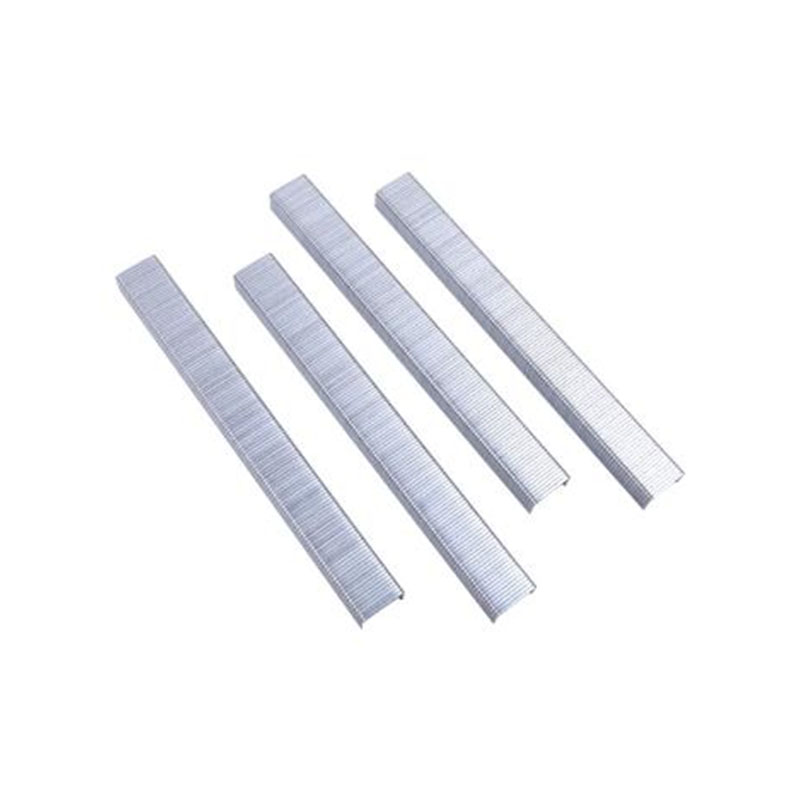
Cabinet backs, drawer bottoms, sofa frames and fabric panels all want a fastener that holds firmly without splitting thin material. Fine wire staples in 20 to 22 gauge are the workhorses here, and galvanised 10F series staples remain one of the most requested items we produce for furniture plants.
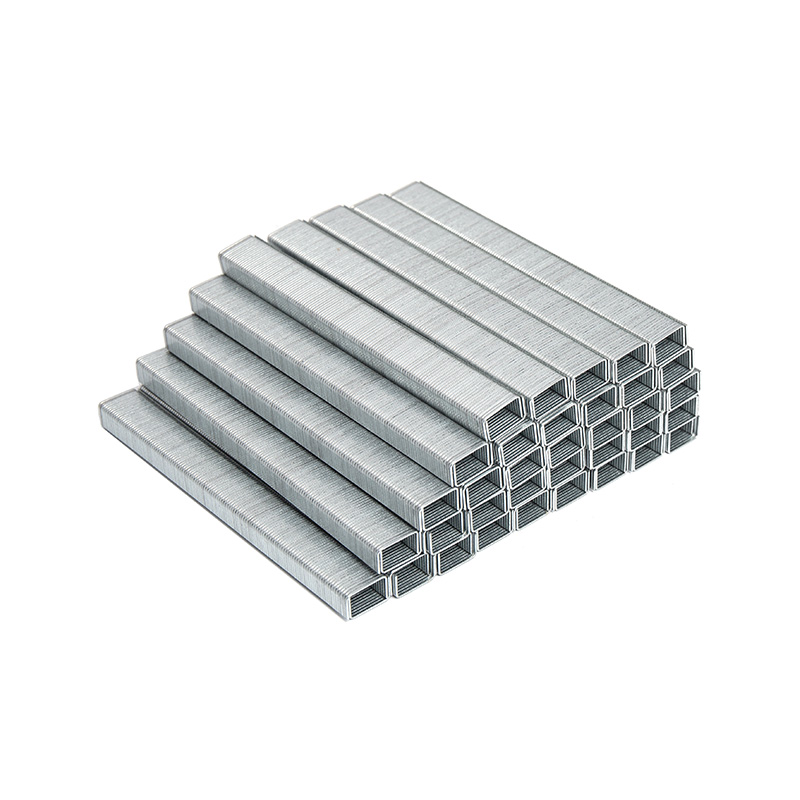 10F Series Galvanized Fine Wire Staples for FurniturePositioned for thin furniture panels and upholstery, these galvanised fine-wire staples offer lengths from 5 mm to 16 mm for secure fastening.View Product →
Bedding and seating
Mattress and sofa production is a different discipline. Spring units need clips that grip round wire without cutting into it, and upholstery needs fasteners that stay put through years of compression. M66 mattress clips do much of that work, paired with C-ring staples for cage and frame structures.
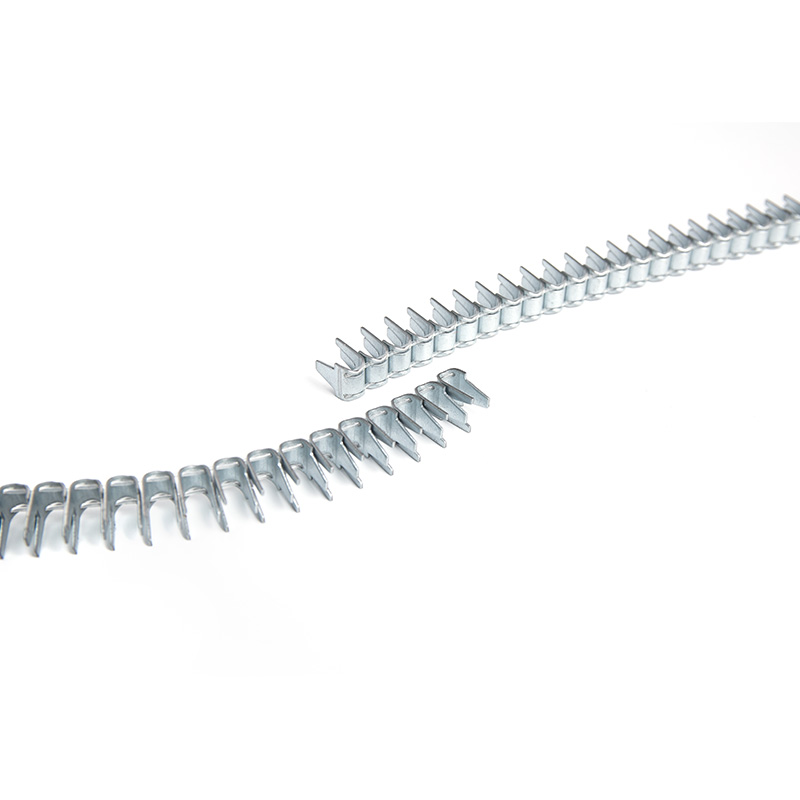 M66 Mattress Clips for Upholstery and C-Ring StaplingFor mattress and sofa upholstery work, M66 clips secure fabric to mattress bodies and pair with C-ring staples in cage and frame structures.View Product →
Packaging and crating
Carton sealing puts unusual demands on a staple: wide crown, consistent leg length, and the ability to punch through double-wall board without crushing it. Coil-fed and strip-fed options both have their place depending on whether your line runs a manual tool or a fully automatic header. Our range of carton closing staples covers the common 15 and 17 gauge formats, including copper and galvanised versions.
Roofing, fencing and outdoor structures
Outdoor work punishes fasteners with rain, temperature swings and pressure-treated timber. Heavier gauges with proper galvanising last far longer than thin coatings suggest. P25 series heavy wire staples are a favourite for roofing and furniture framing, while 15 and 16 gauge options handle fencing and general structural fixing.
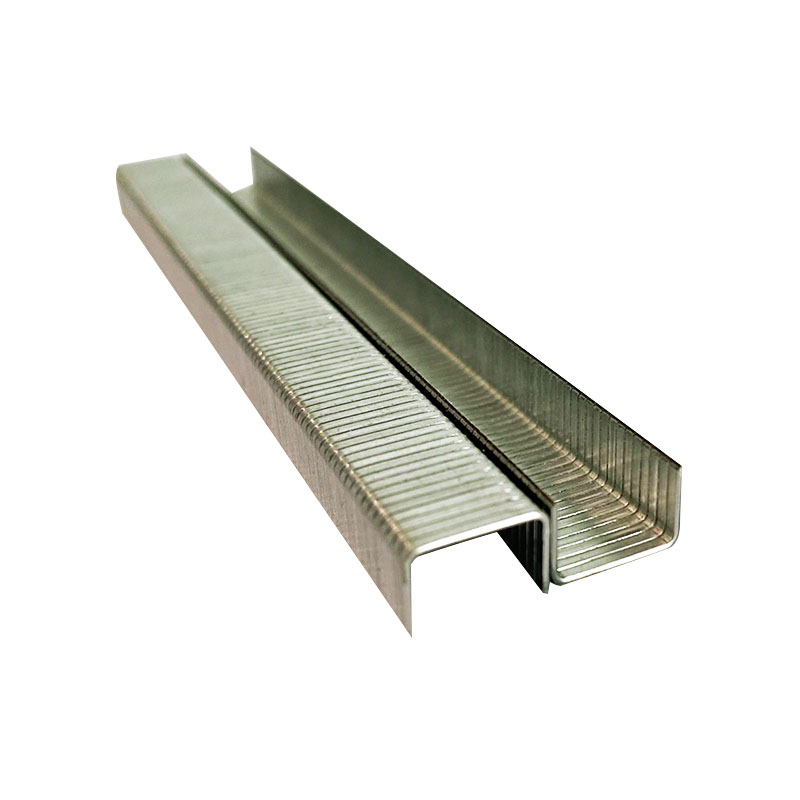 P25 Series Galvanized Heavy Wire Staples for Roofing and FurnitureFor outdoor roofing and furniture framing, these galvanised heavy wire staples come in 16–40 mm lengths with corrosion-resistant galvanised construction.View Product →
What to Include in Your First Enquiry
A well-written enquiry can be answered accurately the same day. A vague one takes a week and usually ends with the wrong sample. Include the following:
- The fastener family and series you need, or a photo of the current strip next to a ruler.
- Gauge, leg length, crown width and point type, where you know them.
- Material and surface finish, plus the environment the product will live in.
- The tool brand and model that will drive the fasteners.
- Expected annual or monthly volume, and your target packaging format.
- Destination port or delivery address, so freight can be quoted realistically.
If some of those details are still open, say so. We would rather help you narrow the specification than guess and ship something you cannot use.
Choosing an air gun nails manufacturer is really a decision about how much trouble you want to avoid later. The right partner will ask about your tools, your timber, your climate and your production rhythm before talking about price. That conversation costs nothing and usually prevents the expensive mistakes.
We are based in Anji, Zhejiang, in the Yangtze River Delta, with our own import and export licence and a product range that spans fine wire staples through to carton closing staples and C-ring fasteners. Visitors are welcome at the factory, and we are always happy to walk a buyer through the production line from wire spool to packed carton.