English
 русский
 Español

Content
- 1 What Carton Staples Actually Do in a Packaging Line
- 2 Stick, Strip, and Roll: Which Format Fits Your Operation?
- 3 Reading the Numbers: Gauge, Crown, Leg Length, and Point
- 4 Matching the Staple to the Board and the Box
- 5 Common Problems and Simple Fixes
- 6 Quality Checks That Matter Before You Reorder
- 7 A Practical Buying Checklist
Carton staples look like a minor consumable until a line stops because a strip will not feed or a box arrives with a loose flap. In a busy packing area, these small wire staples control rhythm, closure quality, and the confidence that a case will survive the journey. We make carton closed staples for packaging teams, box plants, and exporters, and the same practical questions come up again and again: which format, which gauge, which leg length, and why a staple that works on one box fails on another. This guide is a straightforward look at those choices, written for the people who buy, load, and maintain carton closing equipment.
What Carton Staples Actually Do in a Packaging Line
Carton staples are driven through the top or bottom flaps of a corrugated case and clinched on the inside. The crown bridges the seam, while the two legs pass through the board and fold back to lock the closure. That sounds simple, but the staple has to work with the board, the tool, and the packing method at the same time. A staple that is too light may crush the liner or fail to hold under compression. A staple that is too heavy can tear the board, damage the clinching anvil, or make the box harder to open cleanly.
Top and bottom closure have different demands. A bottom seam often carries the weight and needs a reliable clinch through several layers. A top seam may be more about speed and appearance. On automatic lines, the staple also has to feed at line speed without jamming or twisting. That is why carton staples should be selected as part of the whole closing process, not as a generic wire item.
Stick, Strip, and Roll: Which Format Fits Your Operation?
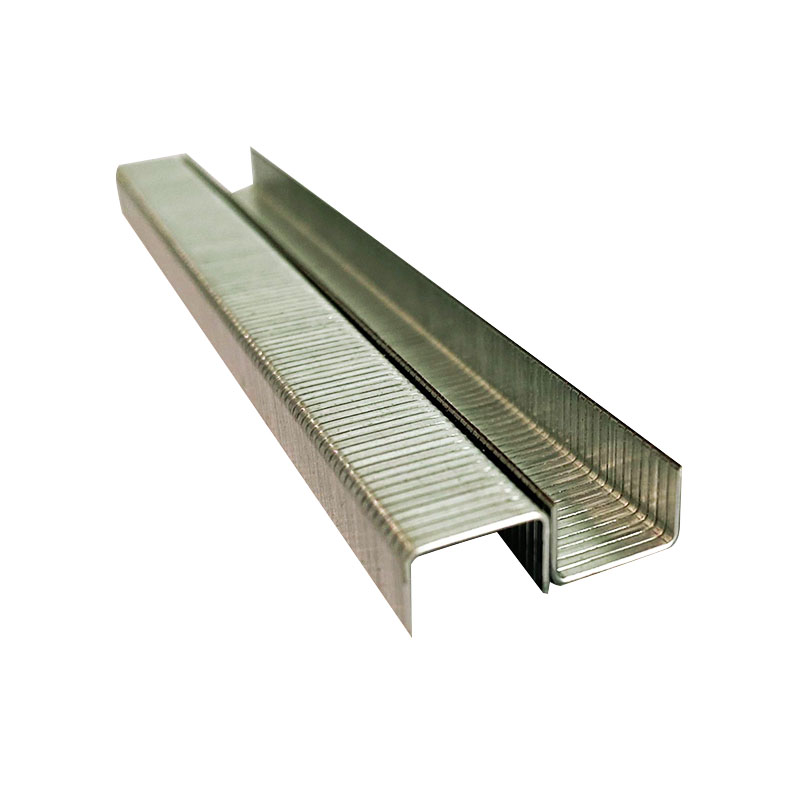
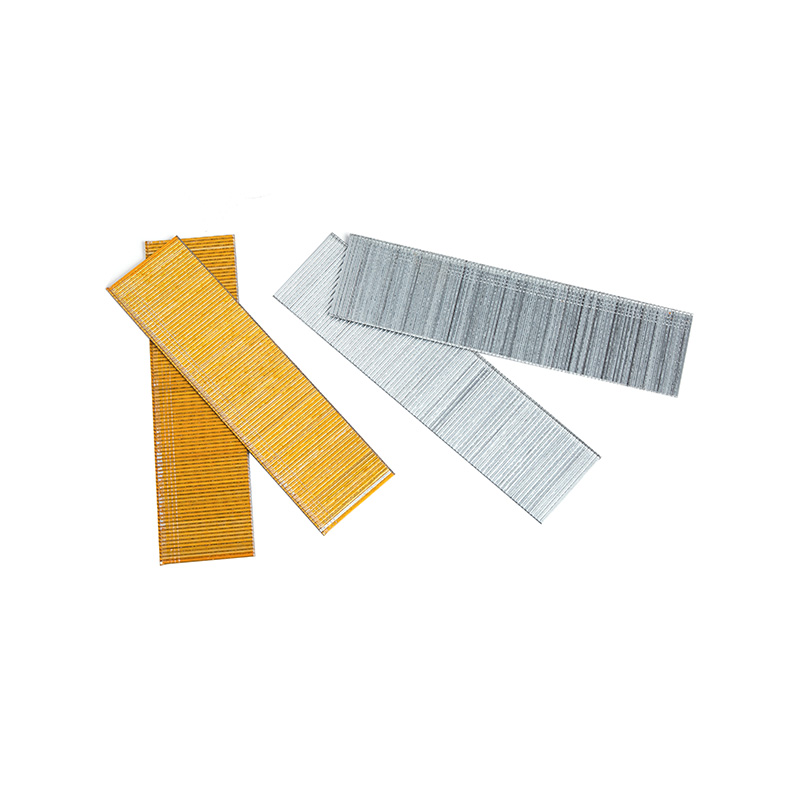
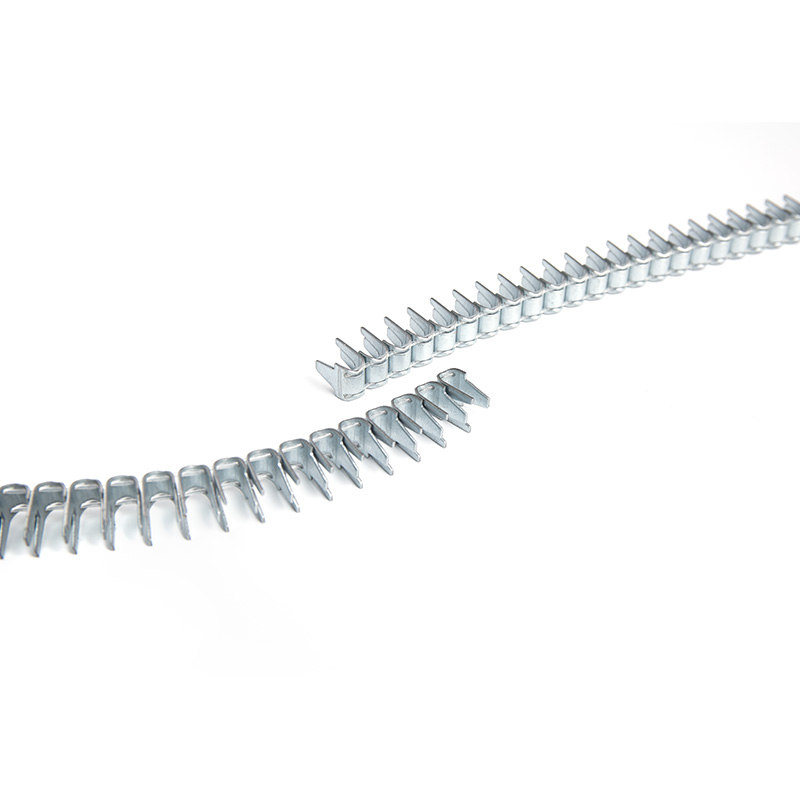
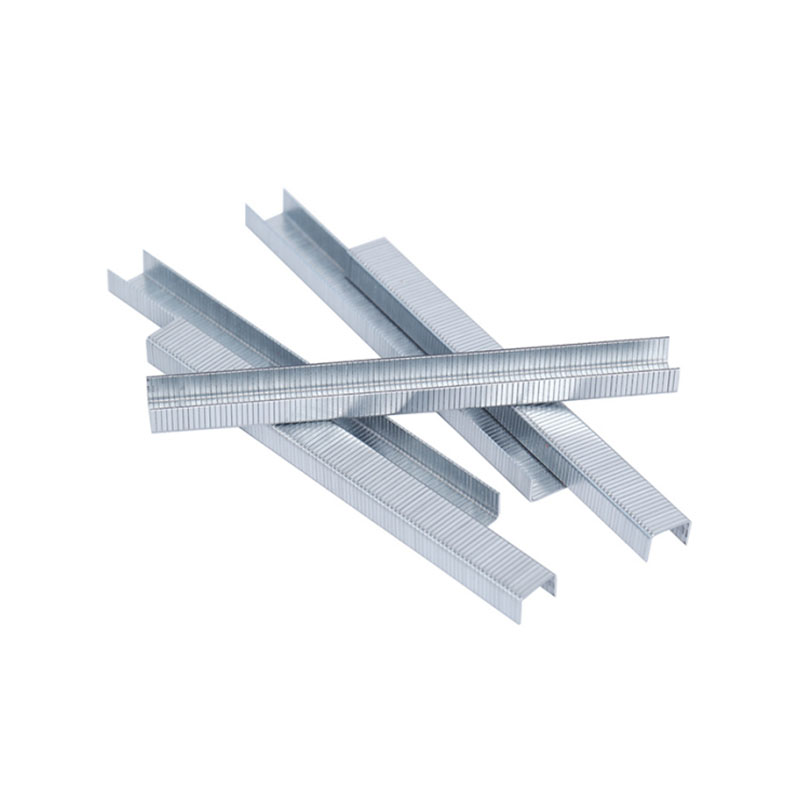
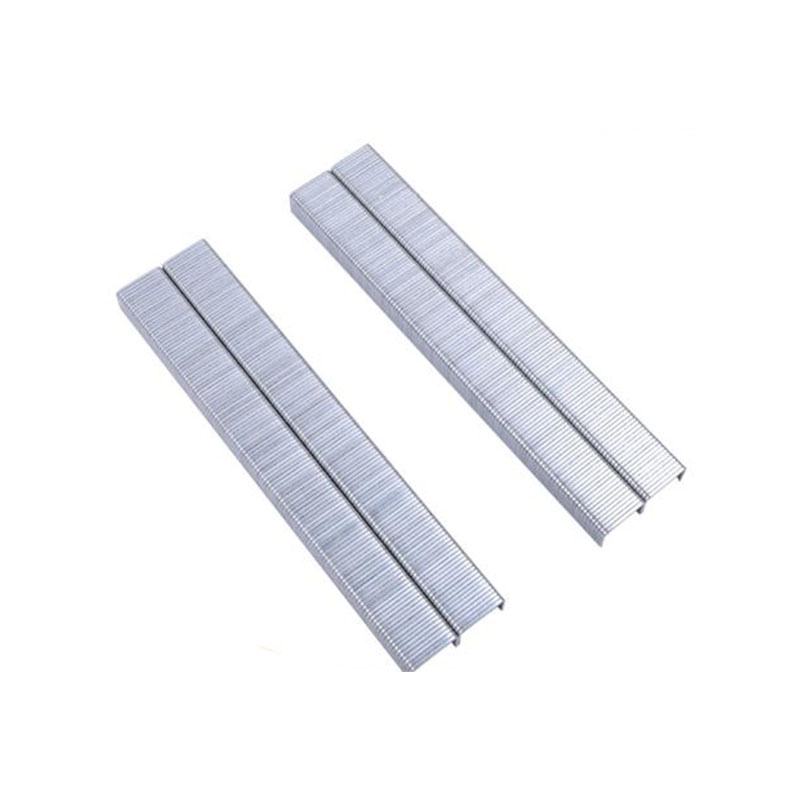
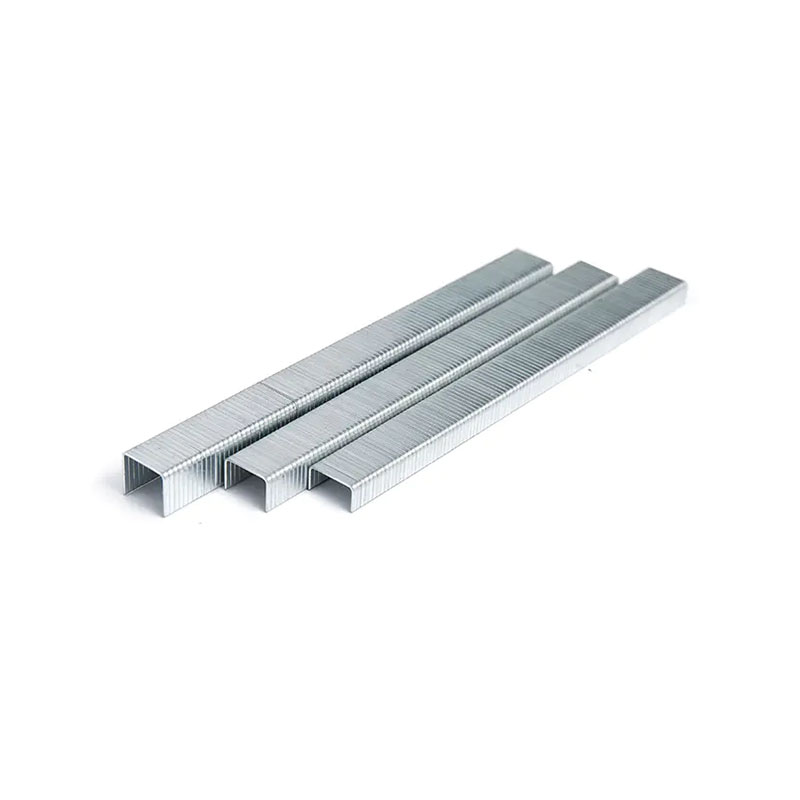
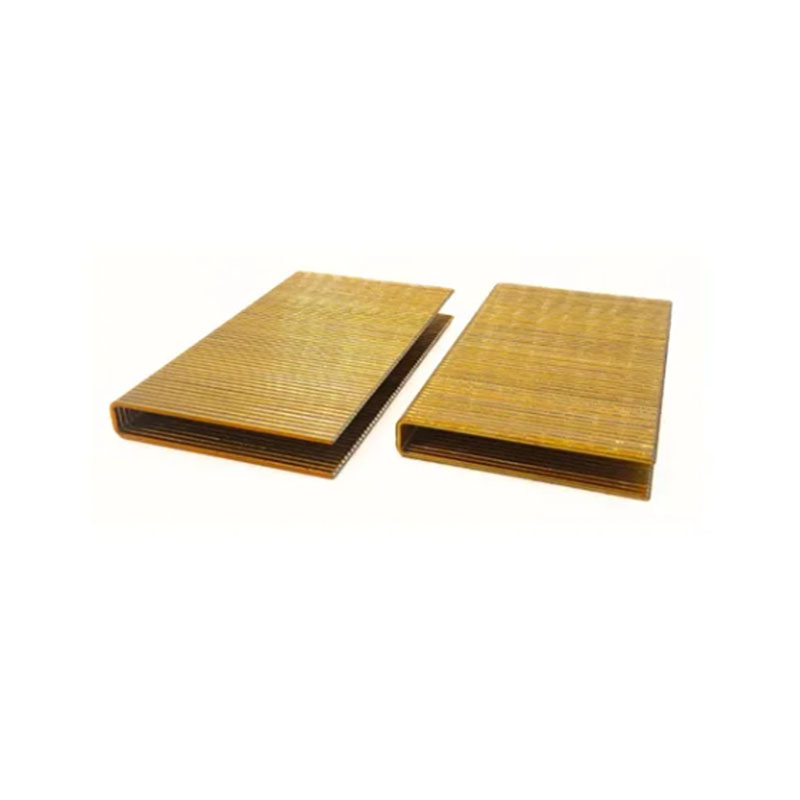
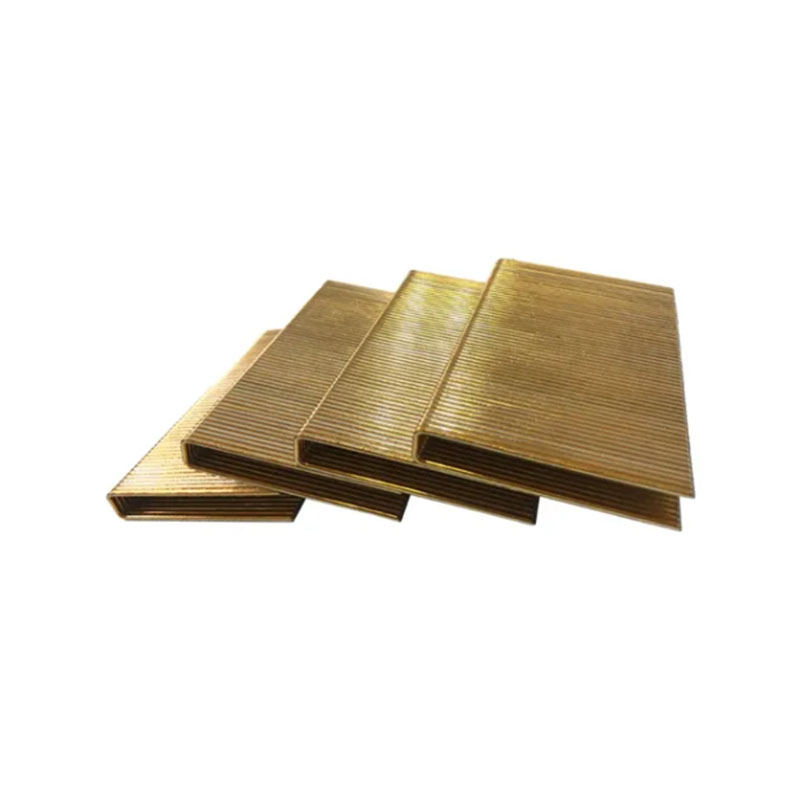
Most carton closing staples come in two practical formats. Stick or strip staples are glued into neat bars for manual, semi-automatic, and many automatic staplers. Roll staples are wound for high-volume automatic heads that pull wire from a spool or reel. The format affects loading time, storage, tool design, and how much attention the line needs during a shift.
Stick staples are friendly to mixed production. Operators can load a small bar, change box size, and keep several gauges on the shelf without committing to a long run. The trade-off is that strips take up more space and can suffer from glue failure if they are stored in a humid area. Roll staples suit repetitive work. Once the roll is threaded correctly, the head can run for a long time with fewer stops. The trade-off is that roll changes, tension, and winding quality matter more.
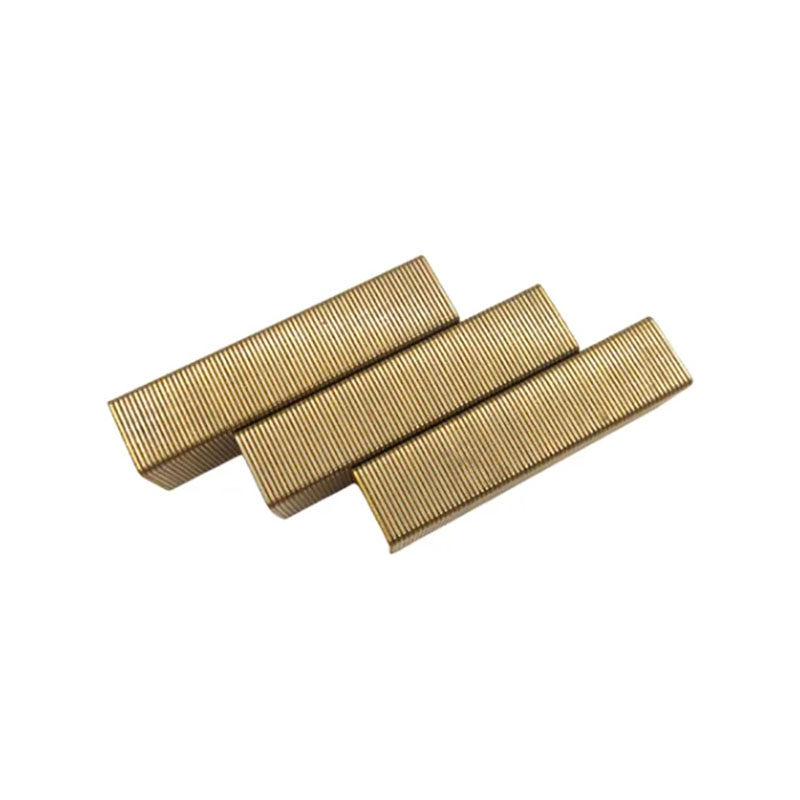
A common starting point for medium carton work is the 15GA 35 series, which balances wire strength with a familiar strip format.
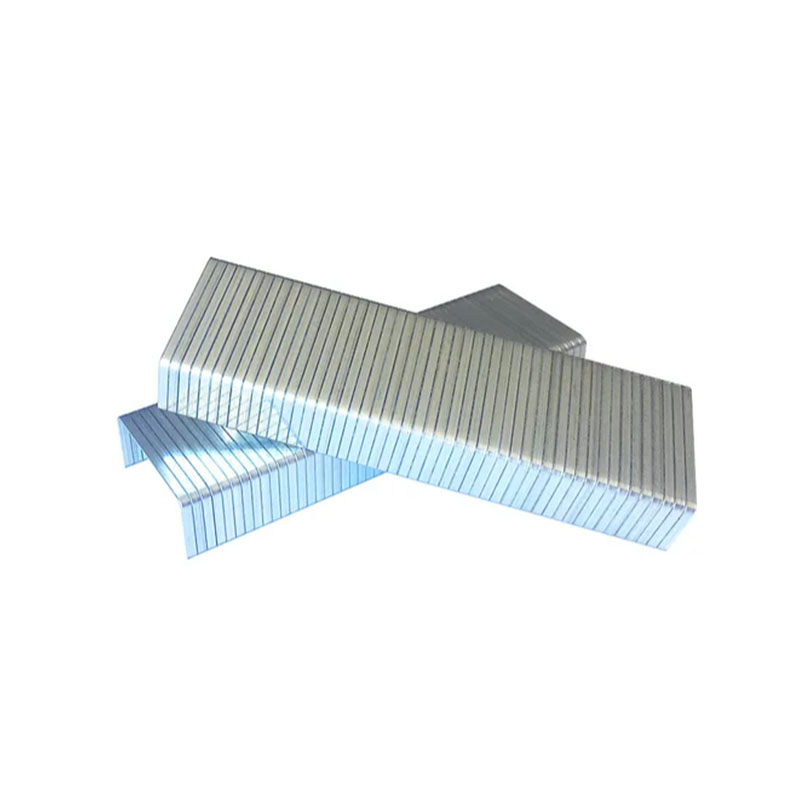 15GA 35 Series Wide-Crown StaplesStrip-format 15-gauge staples with 35 mm crown and 15–22 mm legs, suited to medium carton work and heavy timber fastening.View Product →
For higher-volume lines, the 555134 roll carton close staples are wound for continuous feed, provided the tool and spool are matched correctly.
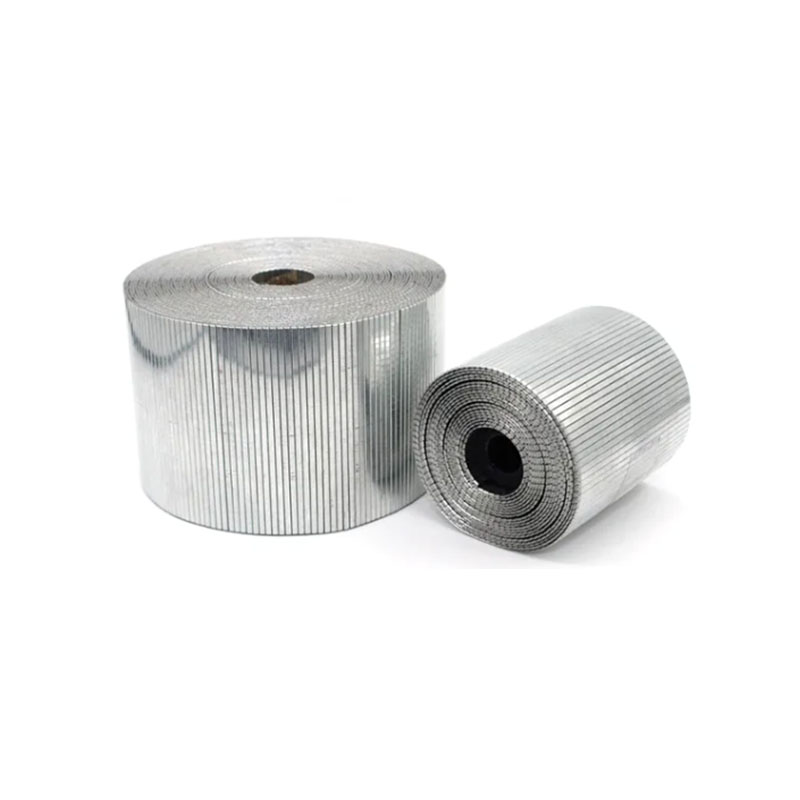 555-134 Roll Carton Close StaplesContinuous-feed coil staples for automatic carton sealing, with 1.88 mm crown and 15–18 mm legs for corrugated cartons.View Product →
| Format | Typical equipment | Best fit | What to watch |
|---|---|---|---|
| Stick or strip | Manual, semi-automatic, and some automatic staplers | Low to medium volume, mixed box sizes, and short runs | Strip glue, magazine fit, and a flat crown |
| Roll | Automatic and high-volume closing heads | Repetitive single-wall or double-wall cases and long runs | Roll winding, feed tension, and spool compatibility |
Reading the Numbers: Gauge, Crown, Leg Length, and Point
Gauge describes the wire diameter. A lower gauge number means thicker wire, which usually gives more strength but needs a tool designed for it. Crown is the width of the staple across the top. Leg length is the length of each leg before clinching. These three numbers must match the tool and the board; a bargain staple that is a fraction short can create more downtime than it saves.
Point geometry and coating are quieter but important. A consistent point helps the staple enter the board without tearing the liner. Galvanized wire is common for carton staples because it offers a useful balance of cost and corrosion resistance, while bright wire may suit dry, indoor packaging. The surface also affects friction in the magazine and the way strips release from their glue.
Use a simple test before a full run: close a sample box with the intended staple, then inspect the crown, the entry point, and the clinch. The crown should sit flat, the legs should pass through cleanly, and the clinch should fold inward without cutting the board. If the staple stands proud or the liner is bruised, change one variable at a time: leg length, drive depth, or staple gauge. Changing all three at once makes the result hard to read.
Matching the Staple to the Board and the Box
Corrugated board is not a uniform material. Single-wall, double-wall, heavy recycled content, and board that has absorbed humidity all behave differently under the same staple. A box that closes well in a dry sample room may need a longer leg or a heavier gauge on a cool, damp packing line. The flute direction also matters: a staple driven across the flutes can crush the board, while a staple driven along them may not pull the flaps together.
For everyday single-wall cases, a medium wire carton staple is often enough. Double-wall or heavily loaded cases usually call for more stiffness and a clinch that will not pull through. If your box shop uses a 17-gauge tool and wants a finer leg for lighter board, the 17GA 32 series is a practical option to compare against a heavier 15-gauge staple.
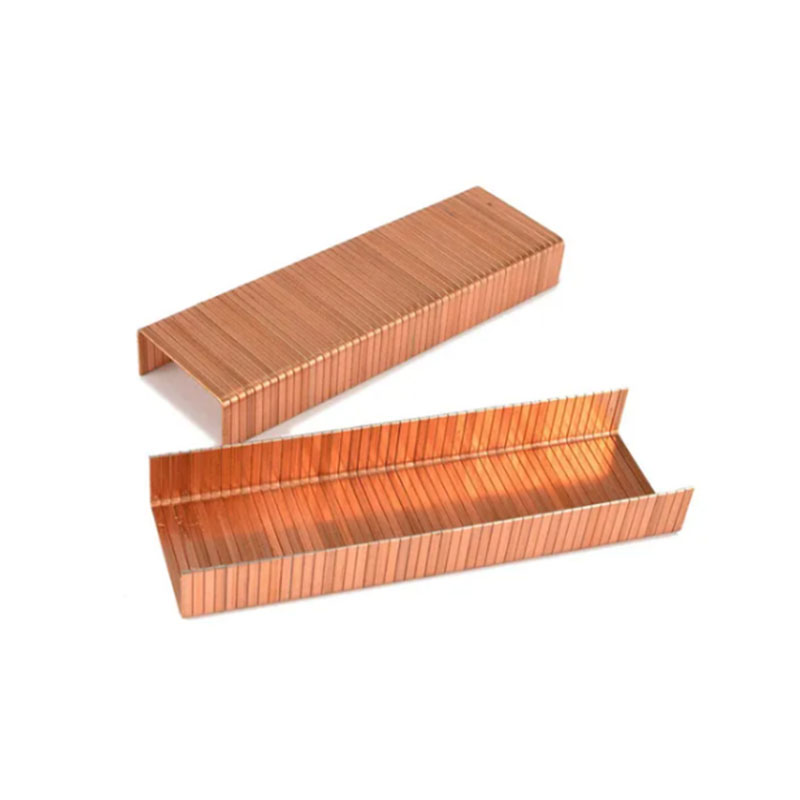 17GA 32 Series Wide-Crown Staples17-gauge wide-crown staples with 32 mm crown and 15–22 mm legs, a finer alternative for insulation, carpet, and board Fastening.View Product →
Keep the comparison fair by using the same box sample, the same operator, and the same drive pressure. A staple that feels stronger in the hand is not always the one that closes the case better.
Common Problems and Simple Fixes
Most carton staple problems show up in one of four ways: misfeeds, torn board, loose closures, or short tool life. The cause is often a mismatch rather than a defective staple, so it helps to check the simple things first.
- Staples sit proud or crush the board. Check leg length, drive depth, and the condition of the clinching anvil. A worn anvil can stop the legs from folding neatly.
- The top liner tears. Look at point condition, crown width, and drive pressure. A narrow crown concentrates force, and a dull point cuts rather than enters.
- Strips jam in the magazine. Clean the track, check for bent staples, and confirm the strip is stored flat and dry. Humidity can soften glue and make strips sticky.
- Boxes open in transit. Review staple placement, leg clinch, board moisture, and compression during packing. More staples cannot fix a closure that is not pulled tight.
- Roll lines stop repeatedly. Check roll winding, feed tension, and spool fit. A roll that has been stored on its side may develop memory that affects feeding.
If you are still weighing manual and powered closing methods, this guide to choosing a manual stick carton stapler may help you match the tool to the staple format before you change suppliers.
Quality Checks That Matter Before You Reorder
Carton staples are low-cost parts, but they are not low-consequence parts. Before repeating an order, check the crown width, leg length, wire gauge, point shape, and coating against the original specification. A caliper and a simple crown gauge are enough for most receiving checks. For strip staples, open a bar and look for loose staples, excess glue, or bent legs. For rolls, check that the wire winds evenly and that the inside diameter fits the spool without wobble.
Storage also belongs in the quality conversation. Carton staples should stay dry, flat, and sealed until use. Damp strips can swell and jam; dirty rolls can carry grit into the feed path. In our own production, we focus on consistent wire, clean points, and strip or roll winding that feeds without surprises. That is not a marketing promise; it is the practical difference between a smooth shift and a line that stops every few hundred cases.
A Practical Buying Checklist
- Identify the board: single-wall, double-wall, flute type, and typical moisture exposure.
- Confirm the tool: manual, semi-automatic, or automatic, and the specified gauge and crown.
- Match the format to volume: stick or strip for mixed runs, roll for long repetitive runs.
- Check leg length and clinch on a real sample box, not just a specification sheet.
- Choose the coating for the environment: galvanized for general packaging, bright wire for dry indoor use where appropriate.
- Store staples sealed, flat, and away from floor moisture.
- Review the first boxes of each shift, especially after a gauge or board change.
Carton staples are a small line item, but they touch every case that leaves your dock. If you are comparing a stick staple for mixed production with a roll staple for a dedicated line, start with the board, the tool, and the run length. Send us a sample of your board and a few staples you use now; we can help you check the fit before you place a larger order.