English
 русский
 Español

Content
What Are Heavy Wire Staples?
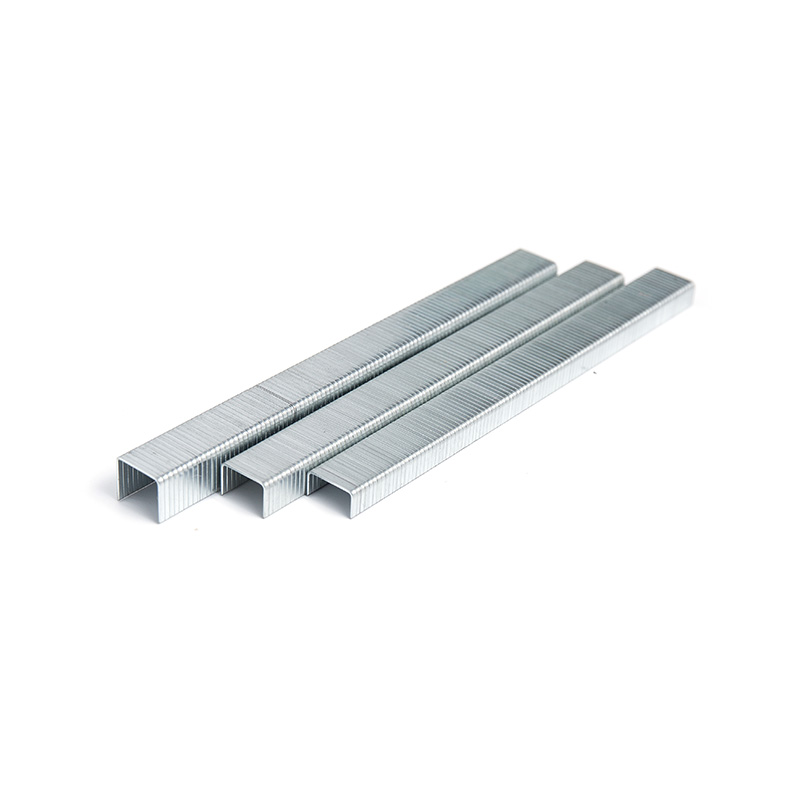
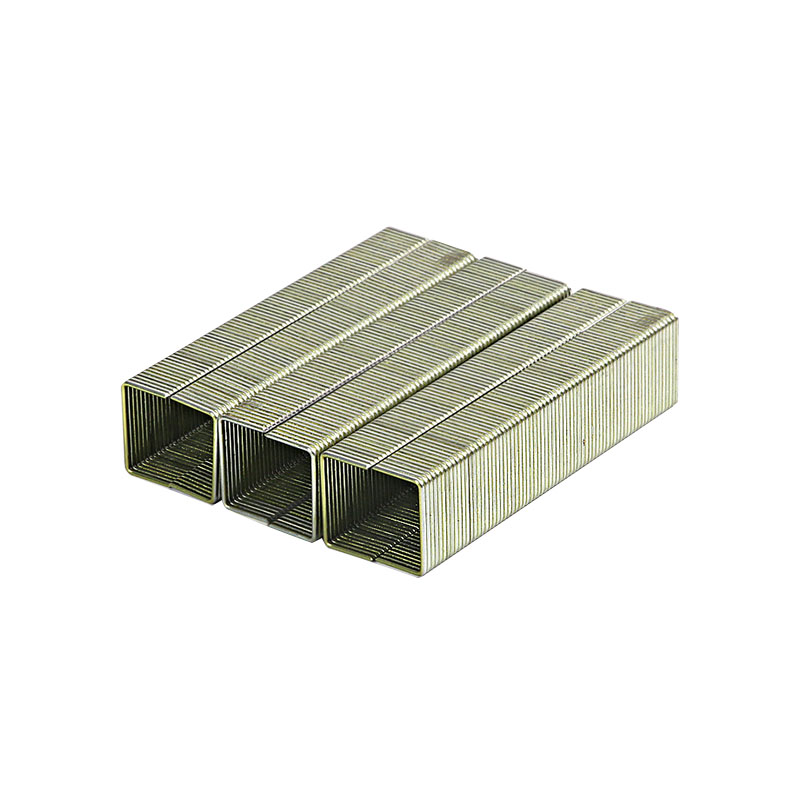
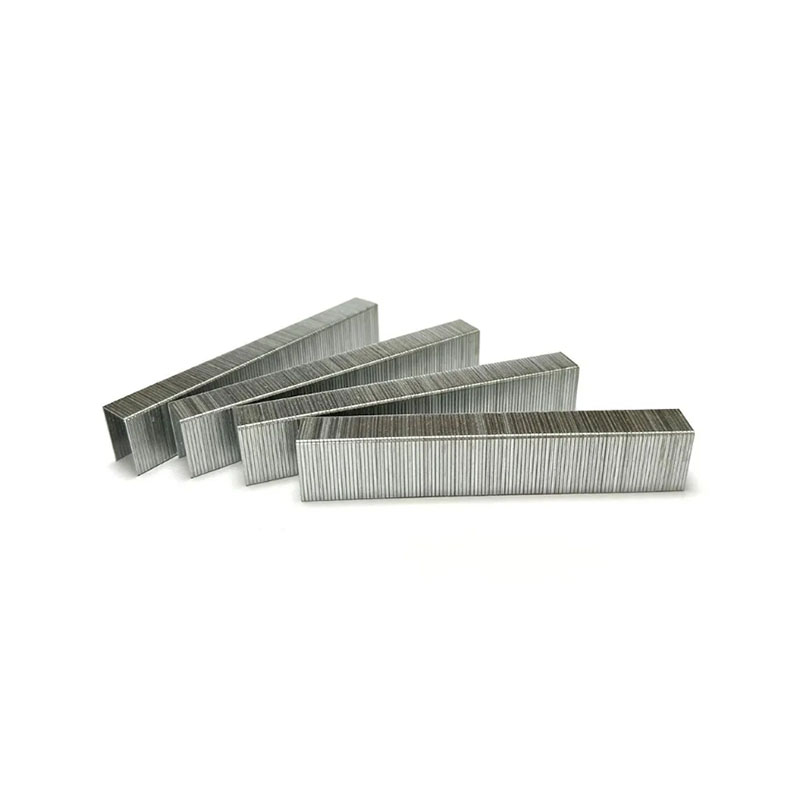
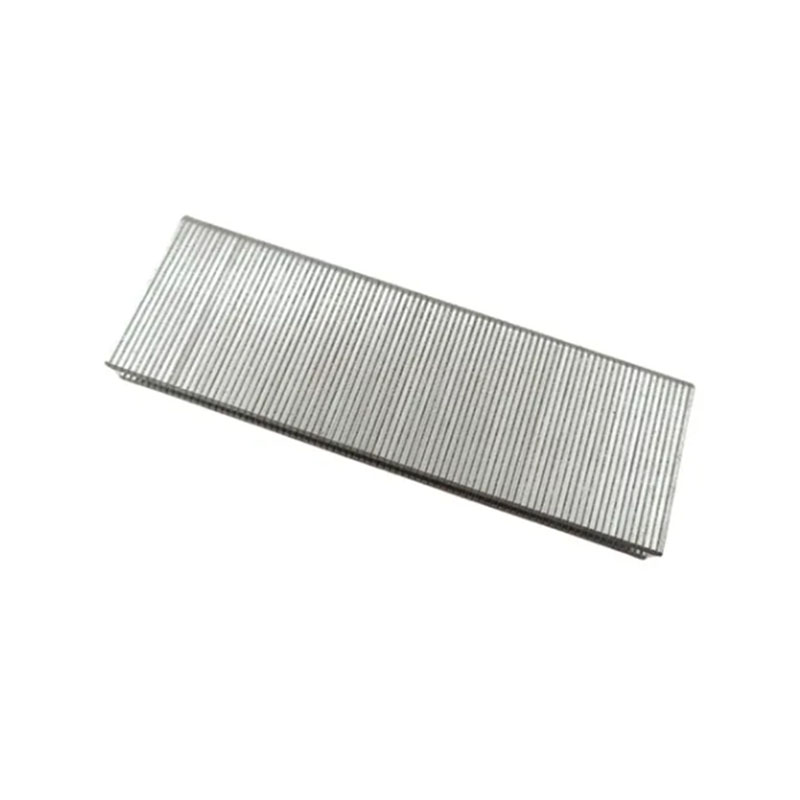
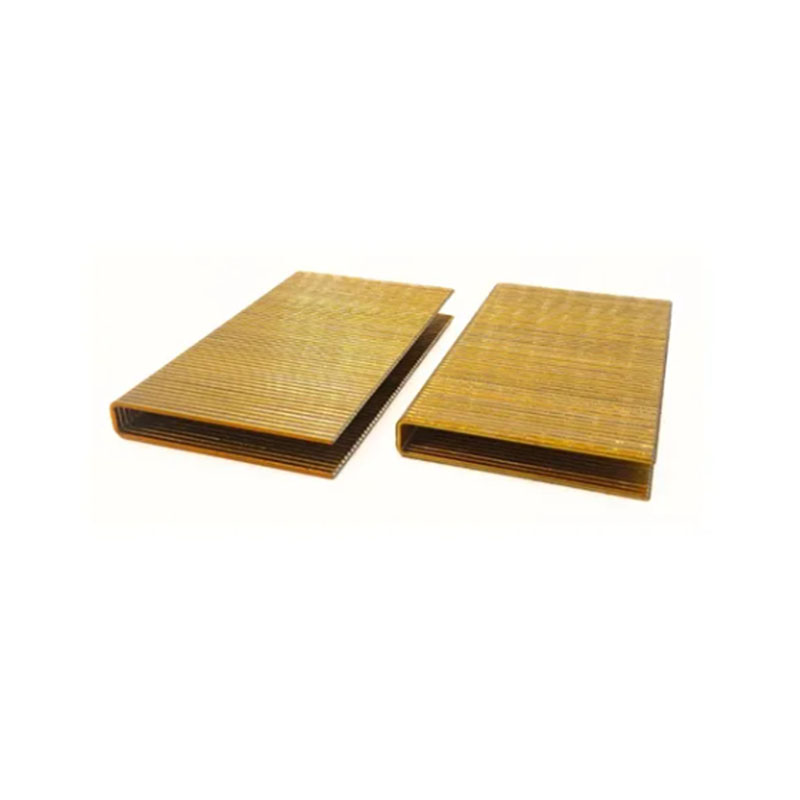
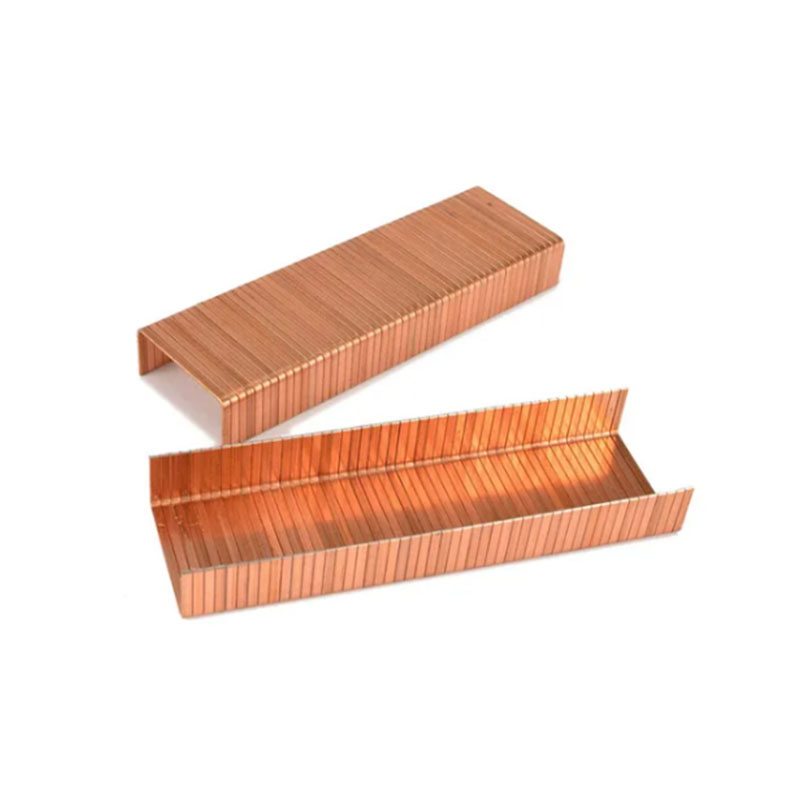
Heavy wire staples are fasteners formed from thicker-gauge wire than standard staples, bent into a U or divergent-leg shape and driven into wood, masonry, or another substrate to hold wire, cable, fencing, or heavy materials in place. The defining feature is wire gauge — where a standard staple might run 18–20 gauge, heavy duty wire staples typically start around 9–14 gauge, giving them substantially more holding strength and resistance to bending or pull-out under load.
That extra gauge is what separates heavy wire staples from lighter fastening staples used in upholstery or packaging — they're built specifically for applications where the staple itself has to resist tension, weather exposure, and repeated mechanical stress over years of outdoor service.
Heavy Wire Staples for Wood
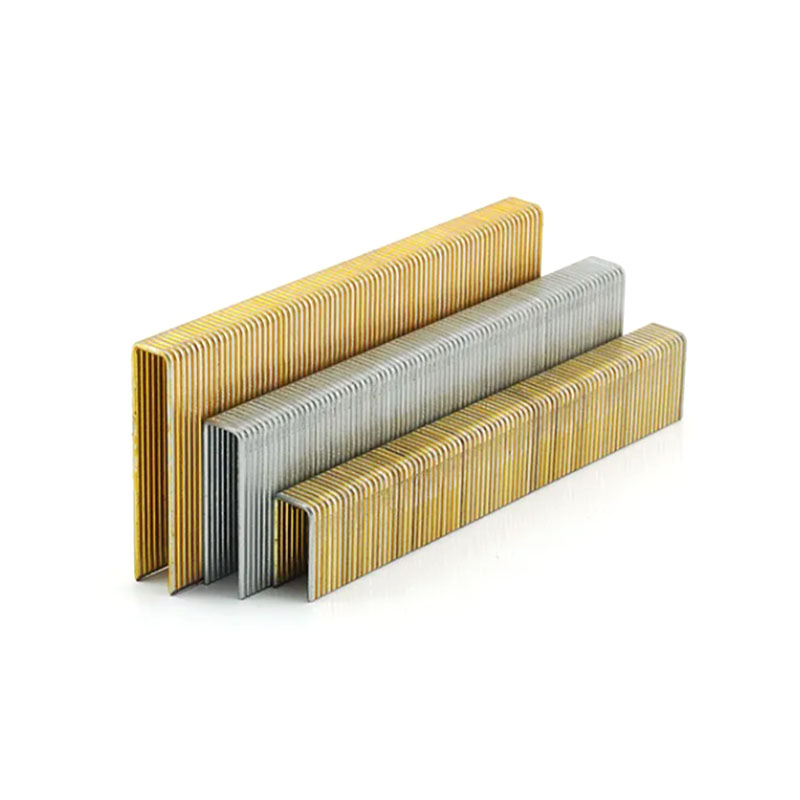
For wood applications, heavy wire staples secure everything from fencing wire and mesh to cable runs and insulation, driven into posts, beams, or framing with a hammer or pneumatic/manual fencing stapler. Point style matters here: a divergent point, where the two legs are angled slightly outward, resists pull-out from wood far better than a straight-leg staple, since the diverging legs bite into the wood grain at an angle instead of following a single straight path that can loosen over time.
Staple length should generally penetrate at least twice the thickness of whatever is being fastened down, with enough additional length to seat securely in solid wood beneath — too short a staple risks pulling free under tension, while an oversized staple in thin wood can split the material.
Heavy Duty Wire Staples for Fencing
Fencing staples are one of the most common heavy wire staple applications, used to attach woven wire, welded mesh, and barbed or high-tensile fence wire to wood posts. Because fence wire stays under constant tension once installed, fencing staples need enough gauge and leg length to resist both the ongoing pull of taut wire and the repeated stress of livestock or wind pressure against the fence line over years of outdoor exposure.
A common installation practice is driving the staple at a slight angle across the wood grain rather than straight in, and leaving it just loose enough that the fence wire can move slightly under thermal expansion and contraction — driving a fencing staple flush and tight against the wire can actually weaken the wire at that contact point over time by restricting its natural movement.
Wire Staples for Cable Fixing
Cable fixing staples secure electrical cable, low-voltage wiring, or irrigation tubing to a surface without damaging the cable's outer jacket. Unlike fencing staples, which are meant to clamp tightly against tensioned wire, cable staples are typically sized and shaped with enough internal clearance to hold the cable firmly in place without crushing or nicking the insulation, since a compressed or damaged jacket can create a long-term electrical or moisture-ingress risk.
Insulated cable staples, which have a plastic or rubber sleeve over the crown of the staple, are common for electrical work specifically because that sleeve cushions the cable and reduces the risk of jacket damage during installation, an important detail for any fixing staple used on cable that will remain in place long-term.
U-Shaped Wire Staples: Design and Uses
U-shaped wire staples have two parallel legs of equal length joined by a straight or slightly rounded crown, distinguishing them from divergent-point staples where the legs angle outward. The straight-leg U shape is common in applications where the staple needs to be removable or where a consistent, predictable hold pattern matters more than maximum pull-out resistance — securing mesh, netting, or landscape fabric, for example, where the staple may need to be pulled and repositioned during installation.
U-shaped staples also come in heavier gauges specifically designed as ground anchors or garden staples, where the wider crown spans and holds down landscape fabric, drip irrigation line, or erosion control netting against a soil surface rather than fastening into wood.
Galvanized Wire Staples for Outdoor Use
Galvanized wire staples are coated with a layer of zinc that protects the underlying steel from rust and corrosion, which matters significantly for any staple that will sit outdoors exposed to rain, humidity, or direct ground contact. Hot-dip galvanizing produces a thicker, more durable zinc coating than electro-galvanizing, and is generally the better choice for fencing, ground anchor, or any long-service outdoor application where the staple needs to last for years without replacement.
For outdoor use specifically, galvanized coating does more than prevent unsightly rust streaks on wood or siding — a corroded staple loses cross-sectional strength over time, so galvanizing directly extends the functional service life of the staple's holding power, not just its appearance.