English
 русский
 Español

Content
Most buyers begin a C circle staples search by comparing price per kilogram. The ones who actually save money start with the application: a clip that seats cleanly, holds a spring in exact position, and feeds without jamming through an entire coil. Price differences disappear the first time a production line stops. As a manufacturer that has made collated fasteners for more than twenty years, we have seen both outcomes. The deciding factors are usually wire quality, forming precision, and collation consistency.
What Are C Circle Staples?
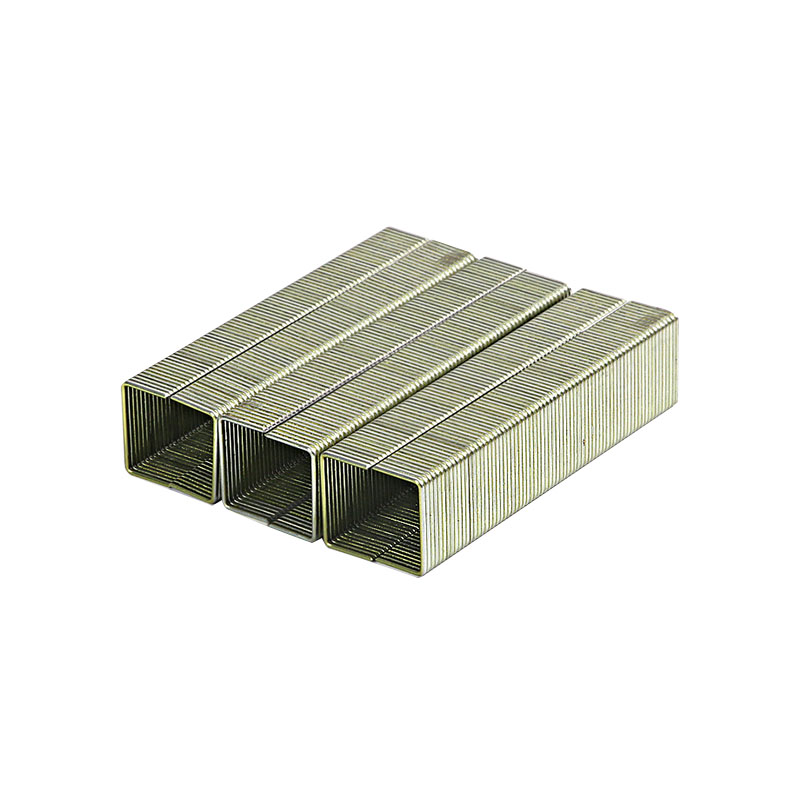
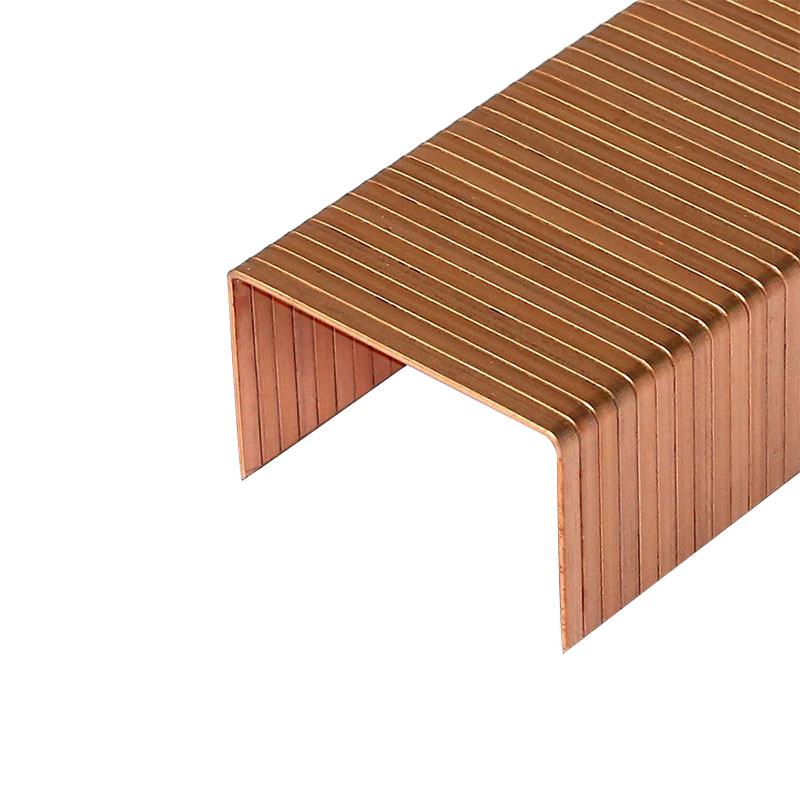
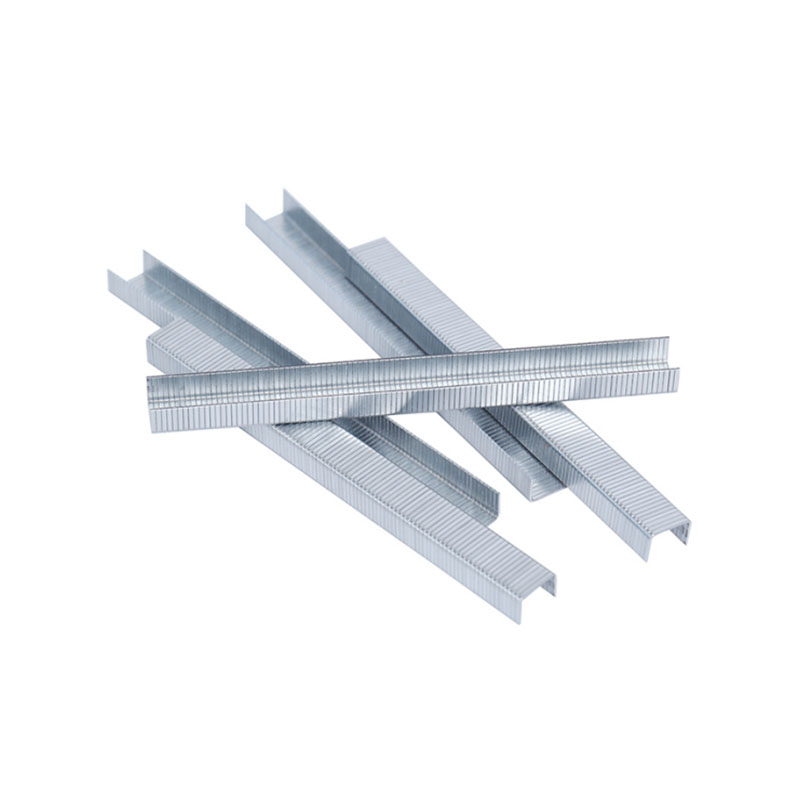
C circle staples are collated fasteners formed from steel wire into an open C shape. Unlike flat-crown staples, the curved crown wraps around a spring coil or wire frame, holding it without crushing it. The fasteners are supplied in coils that feed through a pneumatic tool, allowing an operator to attach hundreds of springs without stopping to reload.
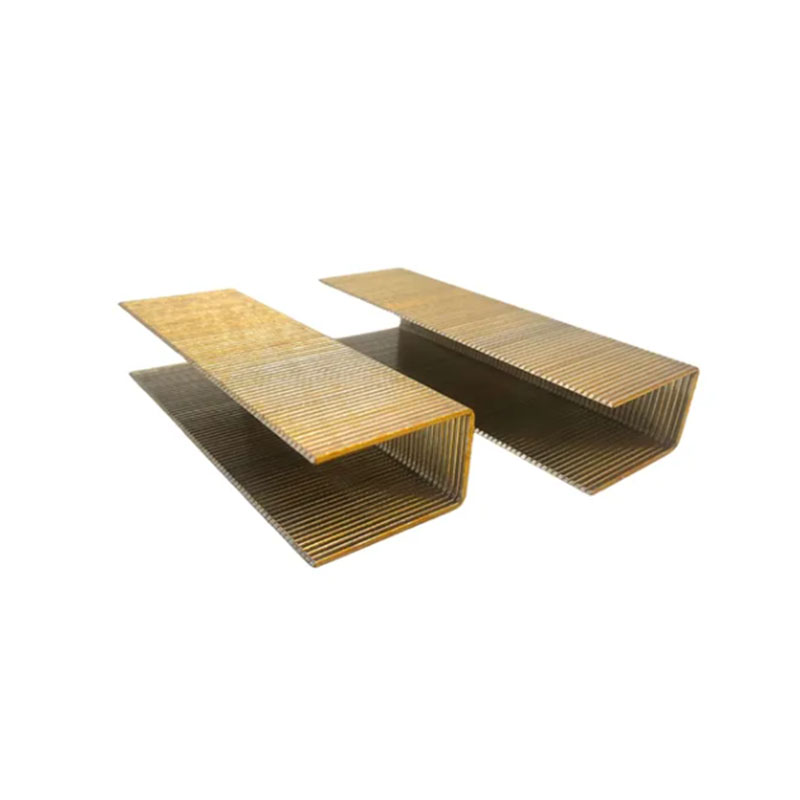
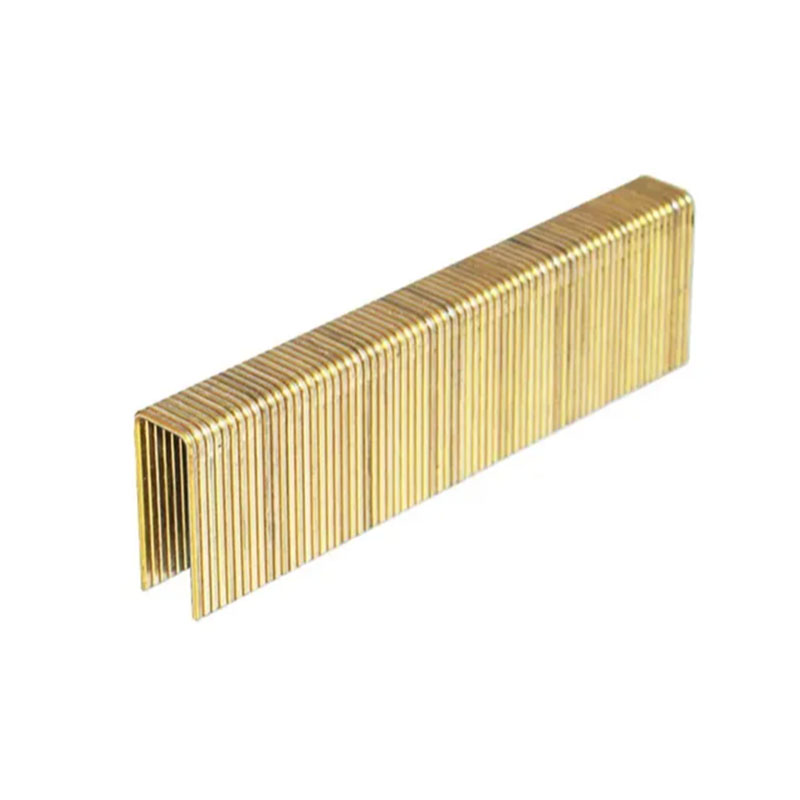
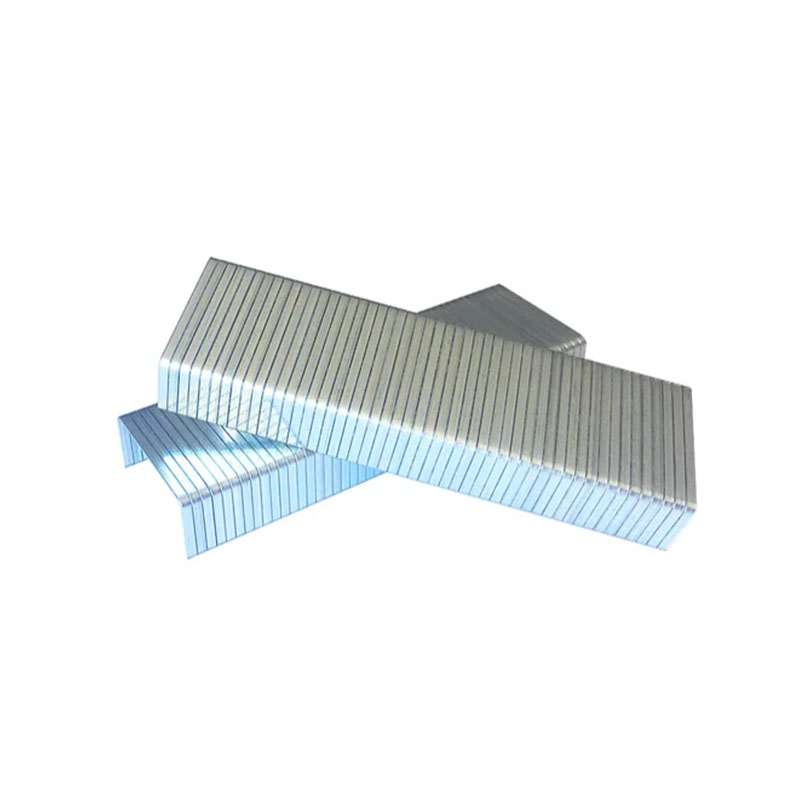
Typical products in this category include iron cage fixed nails for bed frames (C17), mattress clips for spring units (M66), sofa spring clips (M46), and car seat gun nails (C24). Although they look similar at a glance, each has a different leg angle, wire diameter, and crown height tuned to its application.
Why the Manufacturer Matters More for C Circle Staples
With ordinary brads or finish nails, a slightly misshapen staple is often still usable. That is not true for C circle staples. These parts carry live spring tension. If a clip is too soft, it opens and releases the spring. If it is too hard, it cracks or becomes brittle. If the crown is inconsistent, the tool jams or the spring shifts.
This is why a C circle staples manufacturer must control more than price. Wire chemistry, forming dies, heat treatment, and collating tension all need to be kept within tight tolerances. A small deviation in wire diameter changes the holding force; a small change in the collating strip changes how the tool feeds. Buyers should expect factory data on these points before committing to large orders.
Application-Focused C Circle Staple Options
Because every production line is different, an experienced manufacturer divides C circle staples by application. We cover the three largest segments: mattress, upholstery, and automotive seating.
Mattress Spring Attachment
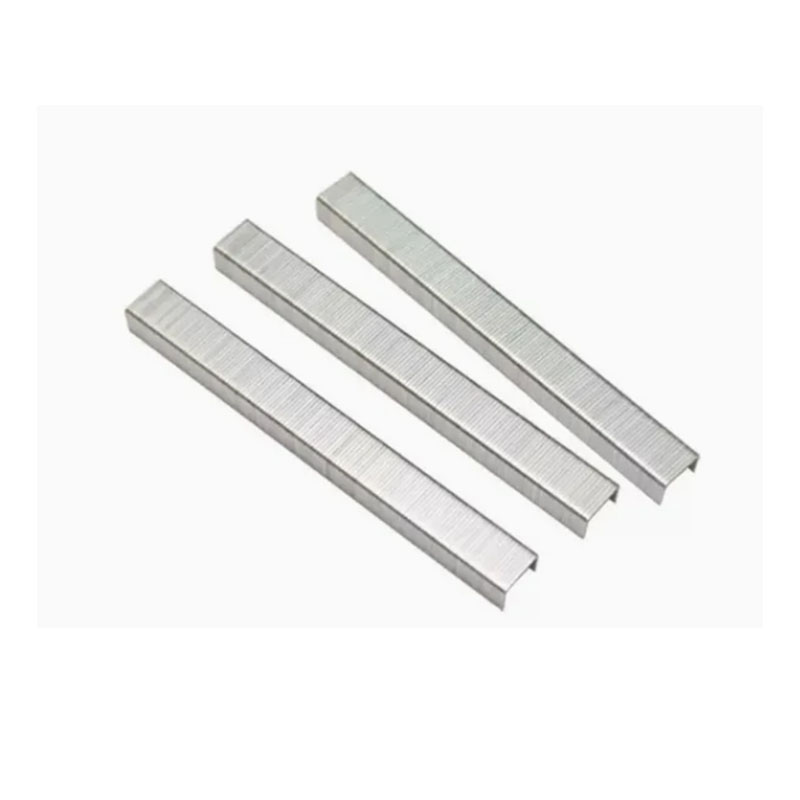
Mattress manufacturers use C circle staples to connect steel coil springs to the wire grid frame. The staple must hold under repeated compression for years. Our M66 mattress clip is formed from galvanized wire with a flattened leg profile that reduces rotation on the frame wire. A consistent crown width also helps automatic assembly equipment place each clip at the same angle along the entire row.
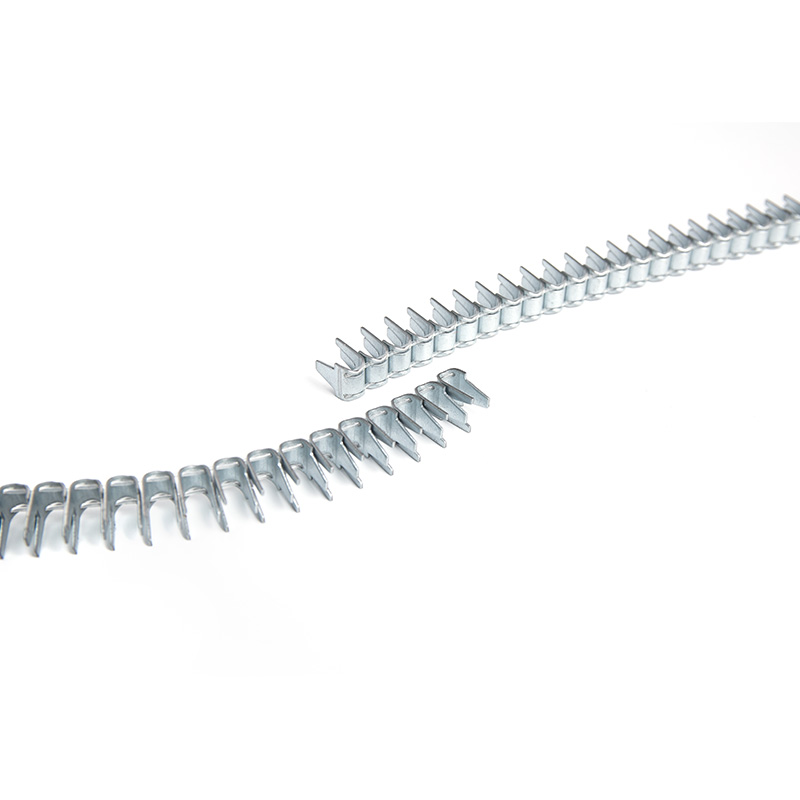 M66 Mattress Clips for Coil Spring Frame AttachmentGalvanized wire clips with flattened legs and consistent crown width keep coil springs aligned on frames, reducing rotation and supporting automated placement in mattress assembly.View Product →
Sofa and Upholstery Spring Fixing
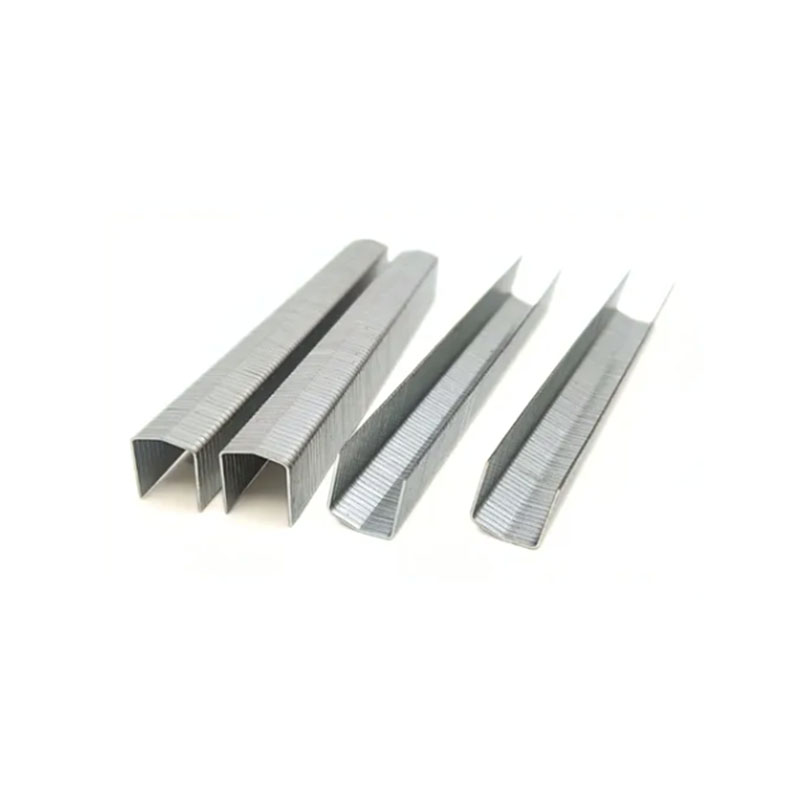
Sofa frames use S-springs and coiled springs that flex whenever someone sits or shifts. The fasteners used here must resist fatigue and must not tear into wooden rails. The M46 sofa spring clip provides that combination: a moderate crown, minimal protrusion above the spring, and a galvanized finish that limits corrosion in humid assembly plants or coastal markets.
M46 Galvanized Sofa Spring Clips for Wooden RailsModerate crown and low protrusion help fasten S-springs to wooden rails while resisting fatigue; galvanized finish limits corrosion in humid or coastal production.View Product →
Automotive Seat Gun Nails
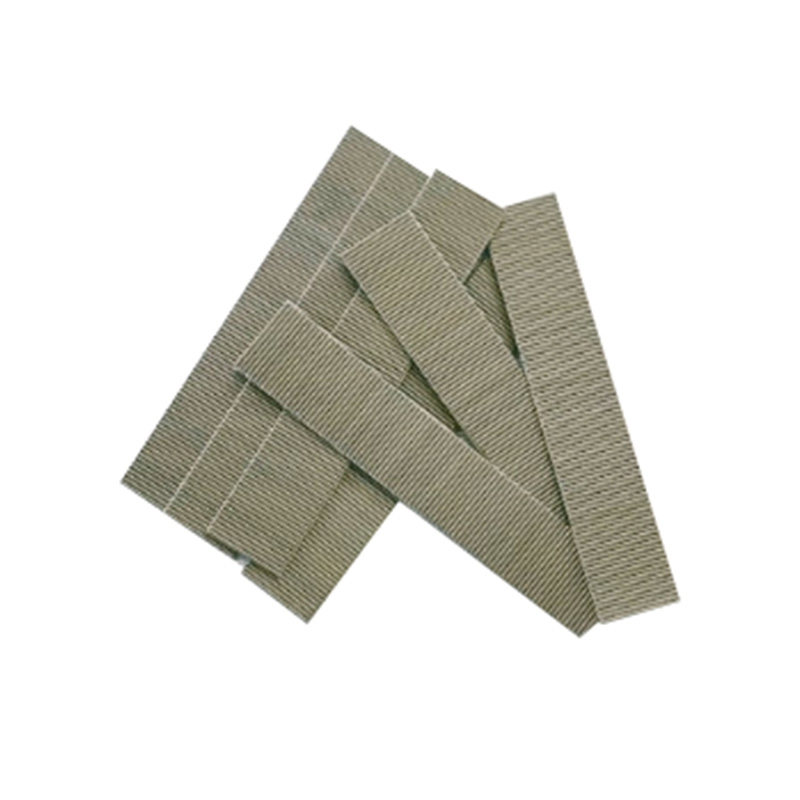
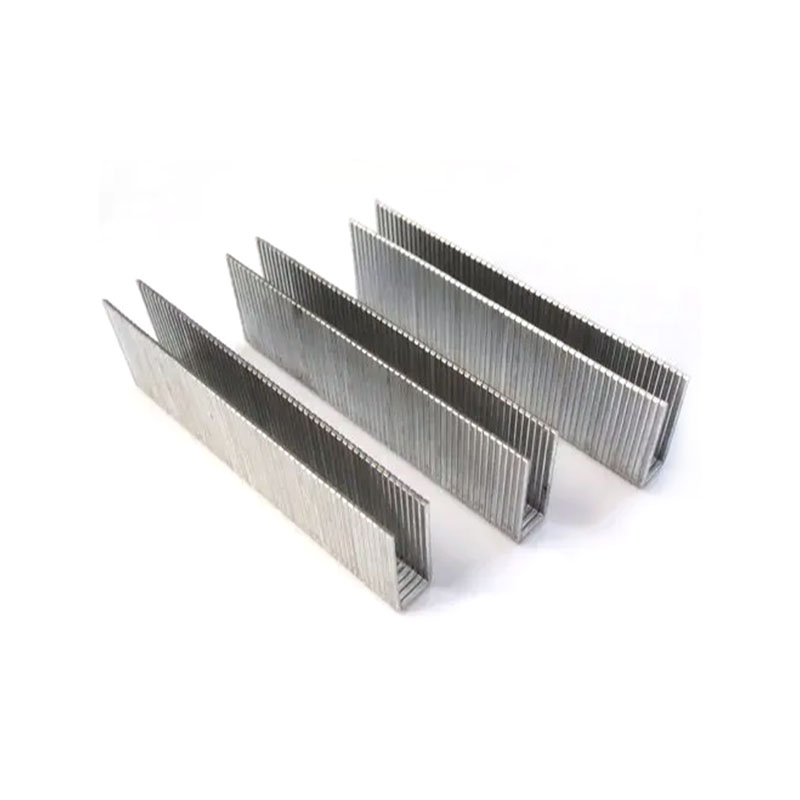
Automotive seating is a stricter environment. Vibration, temperature cycles, and tight assembly clearances leave no room for over-height or brittle clips. The C24 car seat gun nail has a shorter leg length and a harder temper that suits wire-to-metal attachments in seat frames and cushion supports. It is also packed in a denser collation to keep up with high-cycle robotic or pneumatic tools.
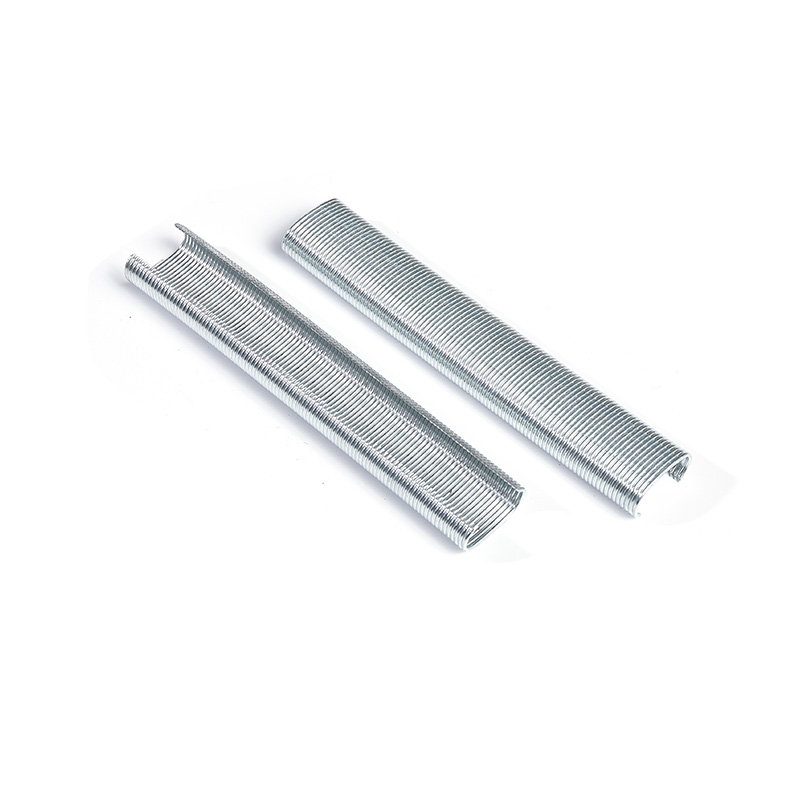 C24 Circle Staples for Automotive Seat UpholsteryShorter leg length and harder temper suit wire-to-metal attachments in seat frames; denser collation supports high-cycle robotic or pneumatic tool operation.View Product →
Beyond these three, some manufacturers also need C17 iron cage fixed nails for structural cage assemblies. The same forming and quality principles apply there, so the selection process remains the same.
Quality Control Criteria When Sourcing C Circle Staples
You do not need to run a laboratory to qualify a supplier. You simply need to know which checks matter and how to interpret them. The table below summarizes the inspection points that we consider essential in C circle staple production.
| Inspection Point | What It Catches | Production Impact |
|---|---|---|
| Wire diameter tolerance | Out-of-spec raw material | Poor fit in tool magazine |
| Crown width consistency | Worn forming dies | Weak spring retention |
| Coating adhesion | Poor zinc preparation | Premature rusting |
| Collation feed pitch | Inconsistent glue strips | Tool jams and skipped staples |
| Hardness and ductility | Incorrect heat treatment | Cracking or opening under load |
In practice, the most reliable way to verify these points is to ask for sample coils and run them in the same tool used on your production line. A good C circle staples manufacturer will not resist a trial; they will ask for your feed pressure, spring wire diameter, and required fastener spacing to tune the collation before sending the sample.
How to Choose a C Circle Staples Manufacturer
The previous points lead to a clear conclusion: choose a manufacturer that treats C circle staples as a precision product, not a commodity. That starts with the factory itself.
- Specialized production experience. A manufacturer with years of staple-making experience has already solved the die wear, wire feed, and coating problems that appear only after volume production.
- Integrated processes. Wire drawing, forming, heat treatment, surface treatment, and collating under one roof allow easier traceability and faster corrective action.
- Tool compatibility testing. Ask whether the factory can adjust collation pitch and adhesive type to match your pneumatic tool models.
- Export logistics. If you buy from overseas, the manufacturer's location affects freight cost and lead time. A factory near major ports simplifies container booking.
- Clear communication. You will submit specification changes, test reports, and packaging instructions. The factory should be able to respond in your language and in engineering terms.
For a more detailed view of the design benefits that separate C circle staples from other fastener families, see our article on what makes C circle staples stand out in the crowd.
From Sample Coil to Bulk Order
A structured ordering process removes most sourcing risks. It usually runs like this:
- Define the application: spring type, wire diameter, frame material, tool brand or feed speed.
- Share your preferred clip model or ask for a recommendation based on torque and holding force.
- Receive sample coils, run them on your actual line, and record jam rate, seating depth, and pull-out force.
- Agree on packaging, labeling, and delivery terms, then move to a small trial order.
- Scale up after the trial order meets your acceptance criteria.
This process may sound simple, but it is the fastest way to identify a manufacturer that wants a long-term relationship. A reliable C circle staples manufacturer will treat each step as a collaboration rather than a fixed quotation exercise.
Choosing a C circle staples manufacturer is ultimately about reducing rejected joints, downtime, and product liability. When you compare suppliers, look beyond unit price. Focus on wire quality, forming accuracy, collation reliability, and the factory's willingness to adapt to your production line.
We are a China-based manufacturer with over two decades of staple production experience, covering C17, M66, M46, C24, and a wide range of collated fasteners. To explore our complete product list, you can start from our homepage and navigate to the c-circle-staples category.